The roots of Irish painting can be traced back to ancient times, with the creation of intricate illuminated manuscripts such as the Book of Kells and the Book of Durrow. These exquisite works of art, produced by monks in monastic scriptoria, showcase the skillful blending of Celtic and Christian imagery and are celebrated for their vibrant colors, intricate patterns, and spiritual symbolism.
The medieval period saw the emergence of Gaelic lordship and the development of a distinctively Irish artistic style. Paintings from this era often depicted scenes from Irish mythology and folklore, such as the exploits of legendary heroes like Cúchulainn and Finn McCool. Manuscripts such as the Táin Bó Cúailnge (the Cattle Raid of Cooley) and the Lebor Gabála Érenn (the Book of Invasions) provided rich source material for artists seeking to capture the spirit of ancient Ireland.
The arrival of Christianity in Ireland brought new influences and artistic traditions to the island. Monasteries and abbeys became centers of learning and artistic production, with monks creating beautiful illuminated manuscripts, intricately carved stone crosses, and breathtaking stained glass windows. The distinctive Hiberno-Saxon style, characterized by its intricate interlace patterns and vivid colors, flourished during this period and left an indelible mark on Irish art.
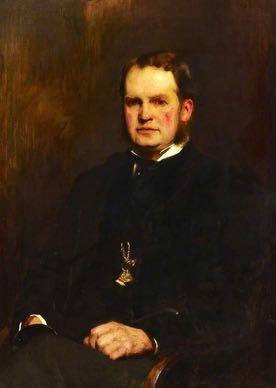
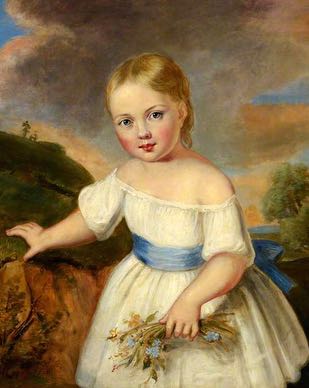
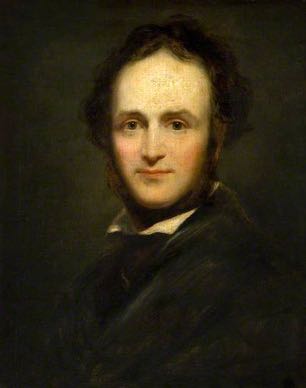
The 17th and 18th centuries saw a flourishing of portrait painting in Ireland, with artists such as James Barry, Thomas Hickey, and Hugh Douglas Hamilton capturing the likenesses of Ireland's aristocracy, clergy, and middle class. These portraits, often characterized by their elegance and refinement, provide a fascinating glimpse into the social and cultural milieu of the time.
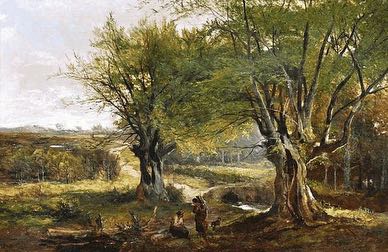
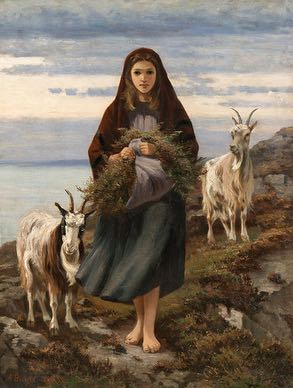
The 19th century witnessed a renewed interest in Irish identity and nationalism, reflected in the work of artists such as Daniel Maclise, George Petrie, and Augustus Nicholas Burke. These artists sought to celebrate Ireland's cultural heritage and history through their paintings, drawing inspiration from Irish mythology, folklore, and landscape.
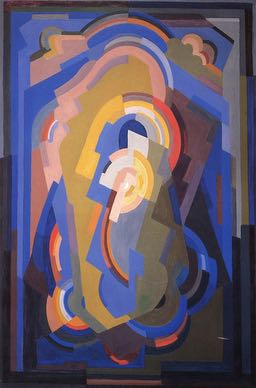
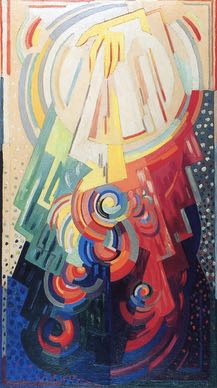
The 20th century brought seismic changes to Ireland's artistic landscape, with artists such as Jack B. Yeats, Sir William Orpen, and Paul Henry leading the way. Yeats, in particular, is celebrated for his evocative and emotive paintings of Irish life, capturing the spirit and resilience of the Irish people during times of upheaval and change.
Today, Irish painting remains as vibrant and diverse as ever, with artists drawing inspiration from Ireland's rich cultural tapestry, natural beauty, and complex history. From the rugged landscapes of the west coast to the bustling streets of Dublin, Irish painters continue to captivate and inspire audiences around the world with their creativity, passion, and unique perspective.
Copyright © 2026 BrushWiz. All Rights Reserved.