The origins of Portuguese painting can be traced back to prehistoric times, with the discovery of cave paintings in the Côa Valley and other regions dating back thousands of years. These primitive artworks, characterized by their simple yet evocative depictions of animals, humans, and abstract symbols, provide a glimpse into the artistic traditions of Portugal's earliest inhabitants.
With the arrival of the Romans in the 2nd century BCE, Portugal became part of the vast Roman Empire, and Roman artistic influences began to permeate the region. Roman mosaics, frescoes, and statues adorned villas, temples, and public buildings, leaving a lasting legacy that continues to influence Portuguese art to this day.
The Moorish invasion of the Iberian Peninsula in the 8th century brought Islamic art and architecture to Portugal, introducing new techniques, motifs, and decorative styles. Moorish influence can be seen in the intricate geometric patterns, arabesques, and calligraphic designs that adorn many Portuguese buildings and artworks, particularly in the southern region of the country.
During the Age of Exploration in the 15th and 16th centuries, Portugal emerged as a global maritime power, establishing trade routes to Africa, Asia, and the Americas. Portuguese explorers brought back exotic treasures, including spices, textiles, and works of art, which inspired a new wave of artistic creativity in Portugal.
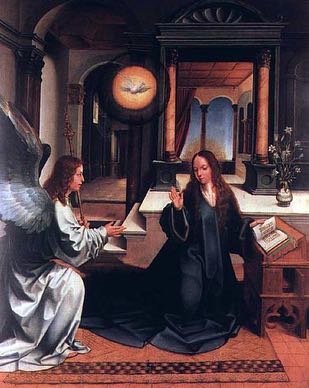
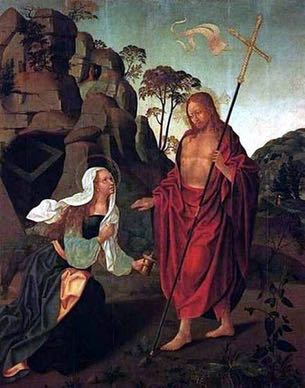
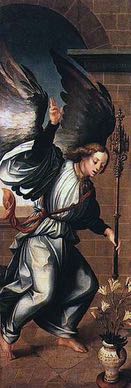
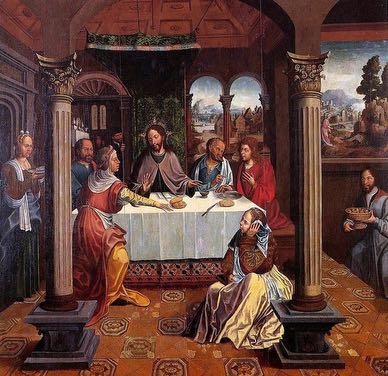
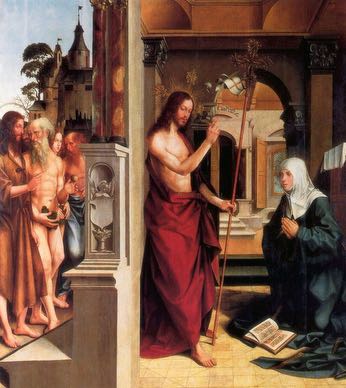
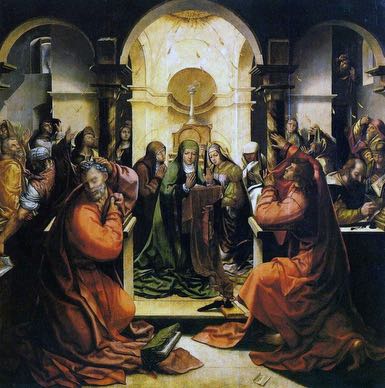
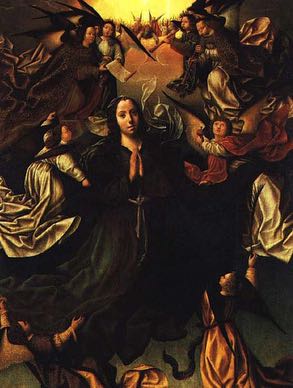
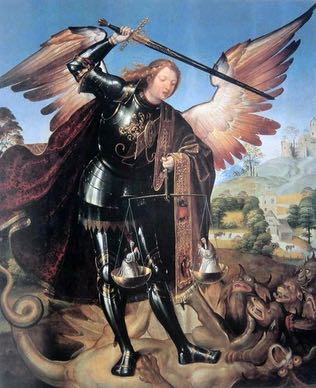
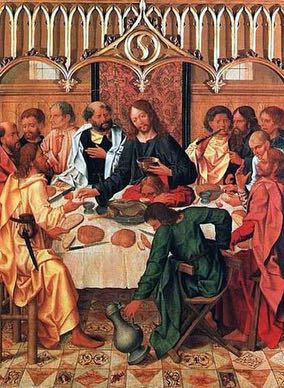
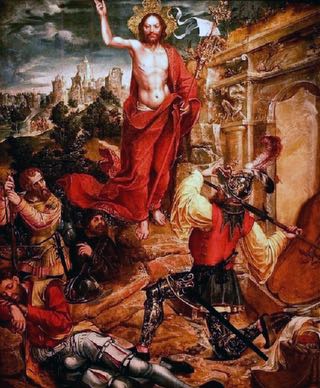
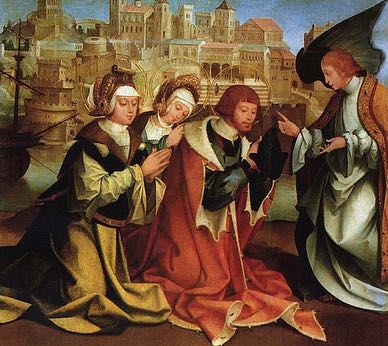
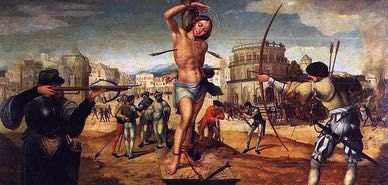
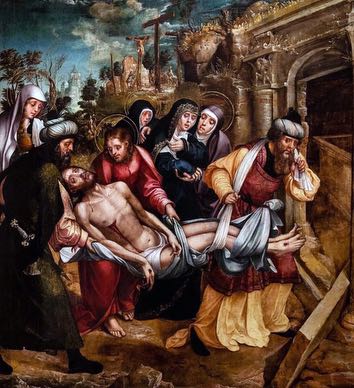
The Portuguese Renaissance saw the flourishing of painting, sculpture, and architecture, with artists such as Nuno Gonçalves, Gregório Lopes, and Francisco de Holanda creating masterpieces that rivaled those of their Italian counterparts. Portuguese Renaissance art is characterized by its fusion of Flemish, Italian, and Moorish influences, as well as its exploration of themes such as religion, exploration, and the human form.
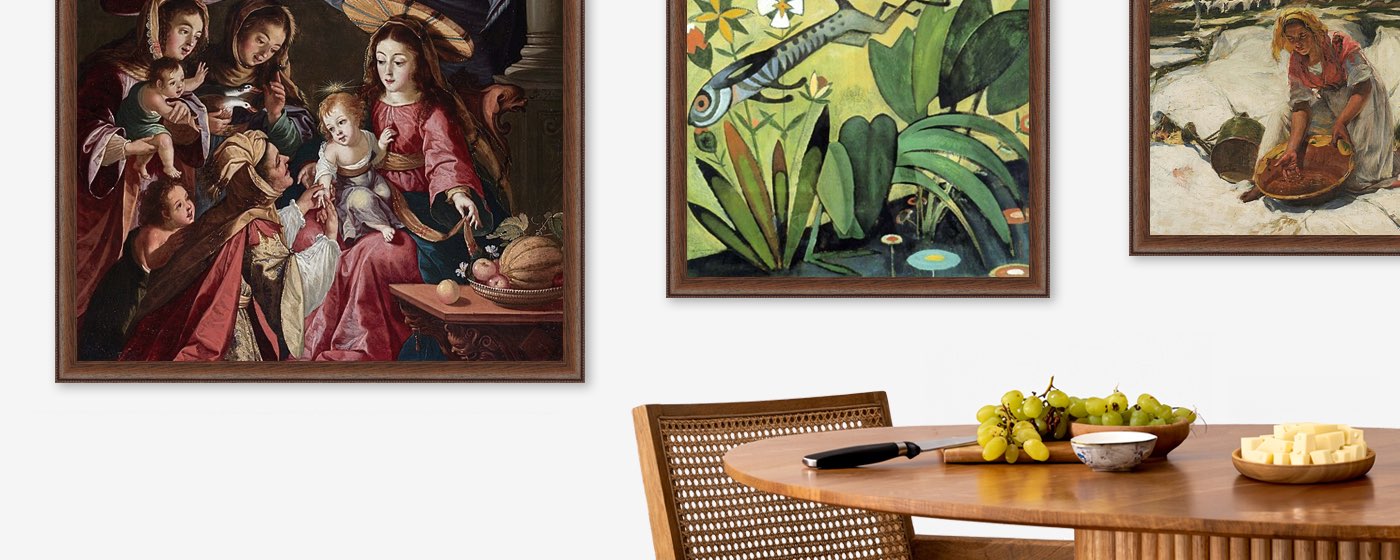
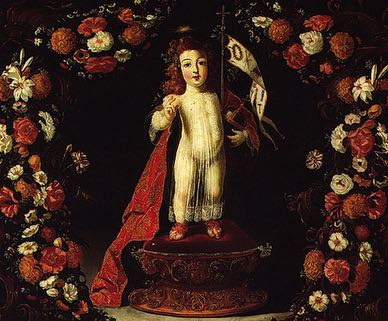
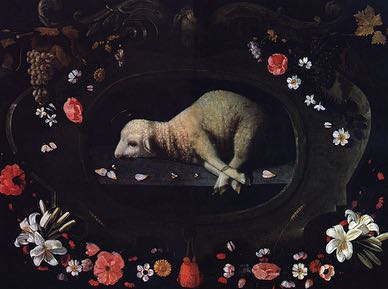
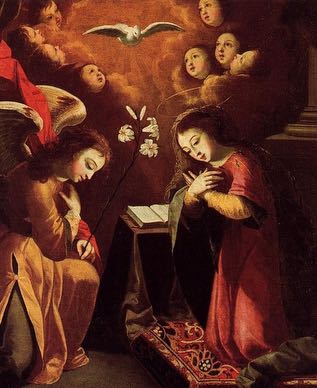
The Baroque period brought further artistic innovation to Portugal, with artists such as Josefa de Óbidos, Vieira Lusitano, and Pedro Alexandrino creating works that exuded drama, emotion, and theatricality. Baroque painting in Portugal often featured religious subjects, elaborate compositions, and richly textured surfaces, reflecting the fervent piety and opulent tastes of the Counter-Reformation era.
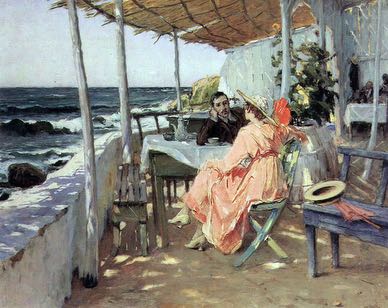
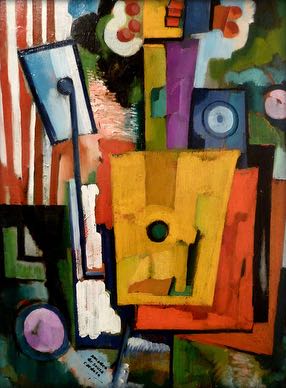
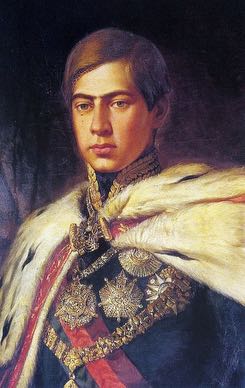
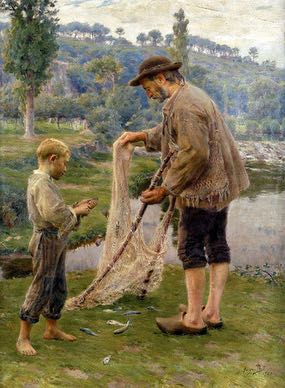
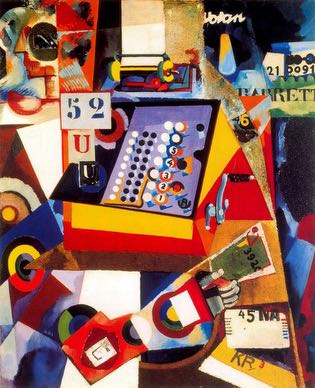
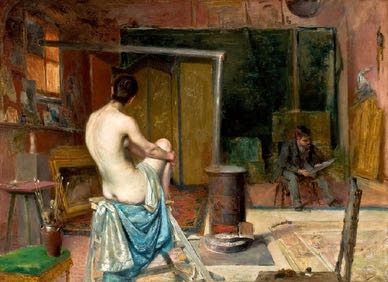
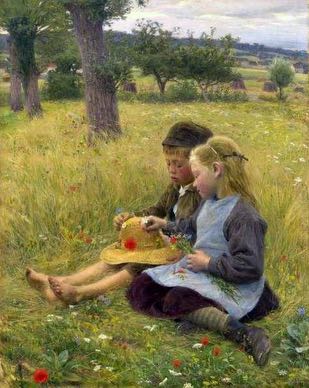
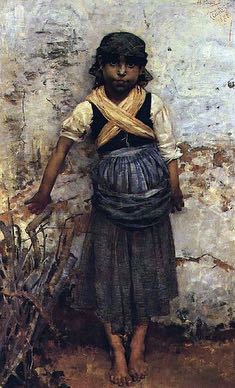
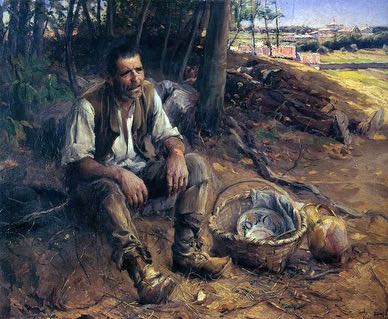
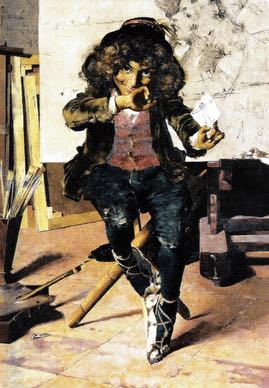
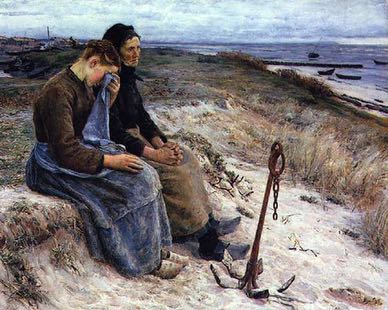
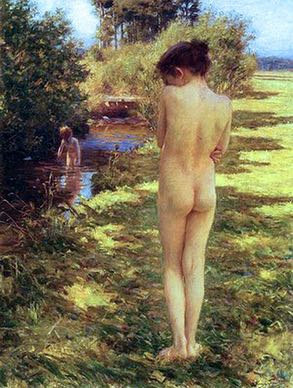
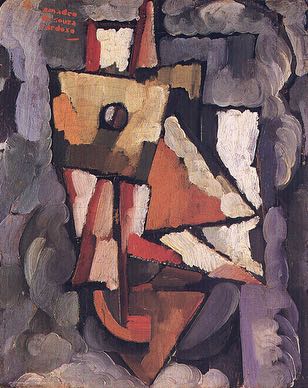
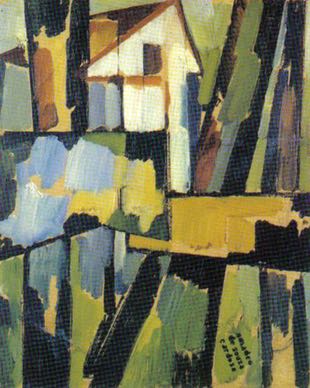
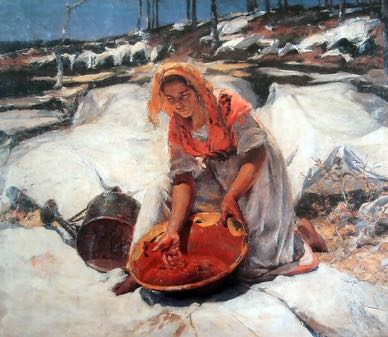
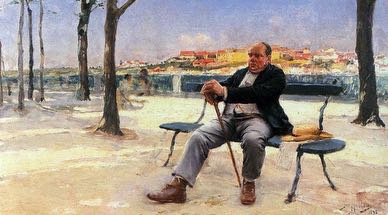
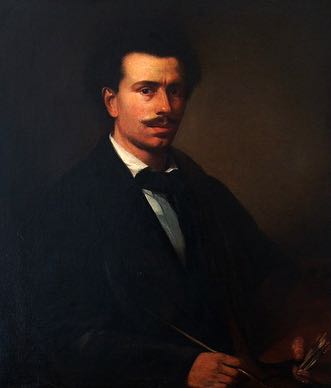
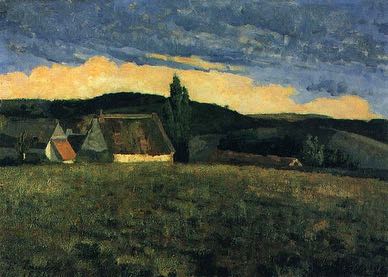
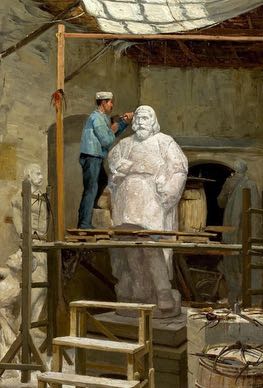
The 19th and 20th centuries saw the emergence of new artistic movements in Portugal, including Romanticism, Realism, and Modernism, as well as the development of a vibrant contemporary art scene. Portuguese painters such as Columbano Bordalo Pinheiro, Amadeo de Souza-Cardoso, and Paula Rego made significant contributions to the world of art, exploring themes of national identity, social justice, and personal expression.
Today, Portuguese painting continues to evolve and thrive, with artists drawing inspiration from the country's rich cultural heritage, diverse landscapes, and dynamic urban environments. From traditional oil paintings and watercolors to experimental mixed-media works and digital art, Portuguese painting remains a vibrant and vital part of the country's cultural landscape, captivating audiences around the world with its beauty, innovation, and diversity.
Copyright © 2026 BrushWiz. All Rights Reserved.