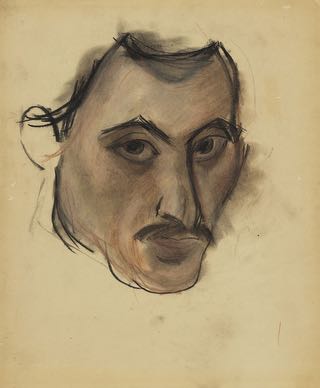
Born Vosdanig Adoian in Khorkom, a village in Ottoman Armenia, Gorky experienced the Armenian Genocide firsthand, a trauma that shaped much of his later life and work. In 1915, he fled his homeland with his family, escaping the violence but enduring loss and hardship, including the death of his mother from starvation. In 1920, he arrived in the United States, where he reinvented himself as “Arshile Gorky,” adopting a new identity that paid homage to the Russian writer Maxim Gorky, despite no relation. This transformation was part of a lifelong effort to forge a new self, and the themes of memory, nostalgia, and reinvention remained central to his work.
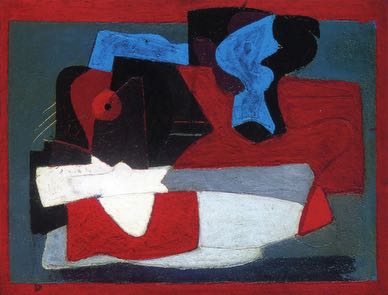
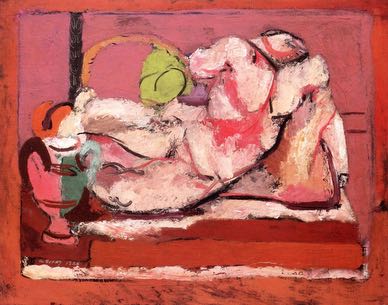
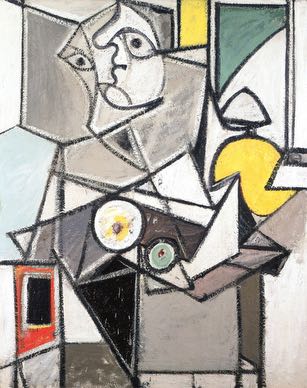
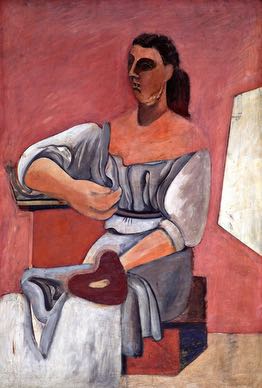
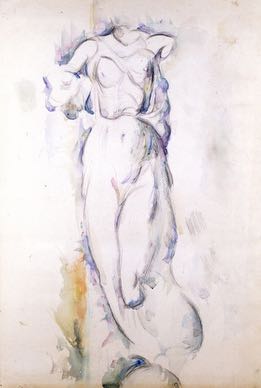
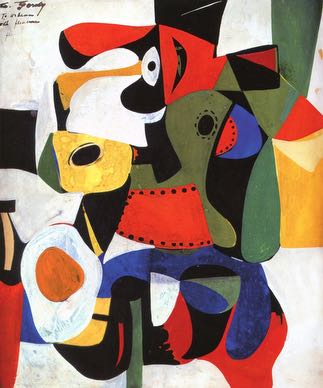
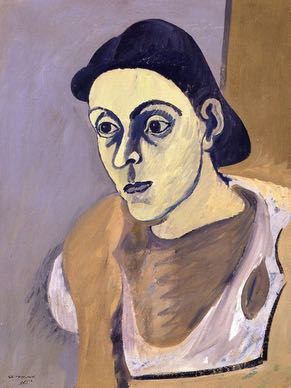
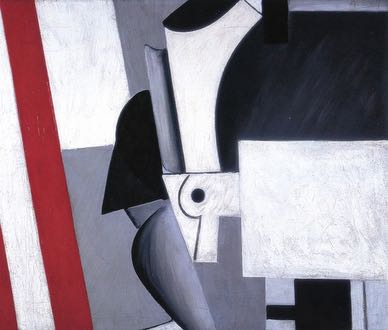
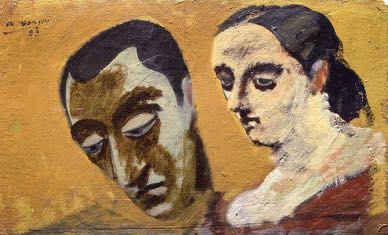
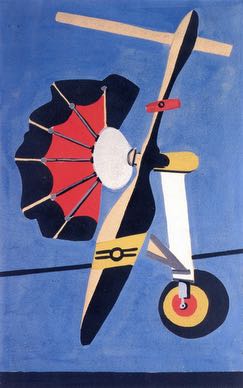
Gorky began his formal art education at the New School of Design in Boston before moving to New York, where he studied the works of European modernists like Cézanne, Picasso, and Matisse. Throughout the 1930s, Gorky developed his own unique style by incorporating elements from Cubism and Surrealism, studying these movements meticulously. His early works, particularly his still lifes and portraits, show a clear influence from Picasso and Braque, with strong lines and geometric shapes. However, Gorky’s painting evolved into a more personal style as he sought to move beyond representation and toward expressing internal emotions and subconscious memories.
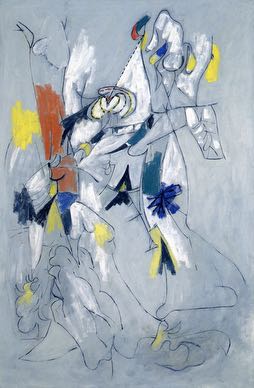
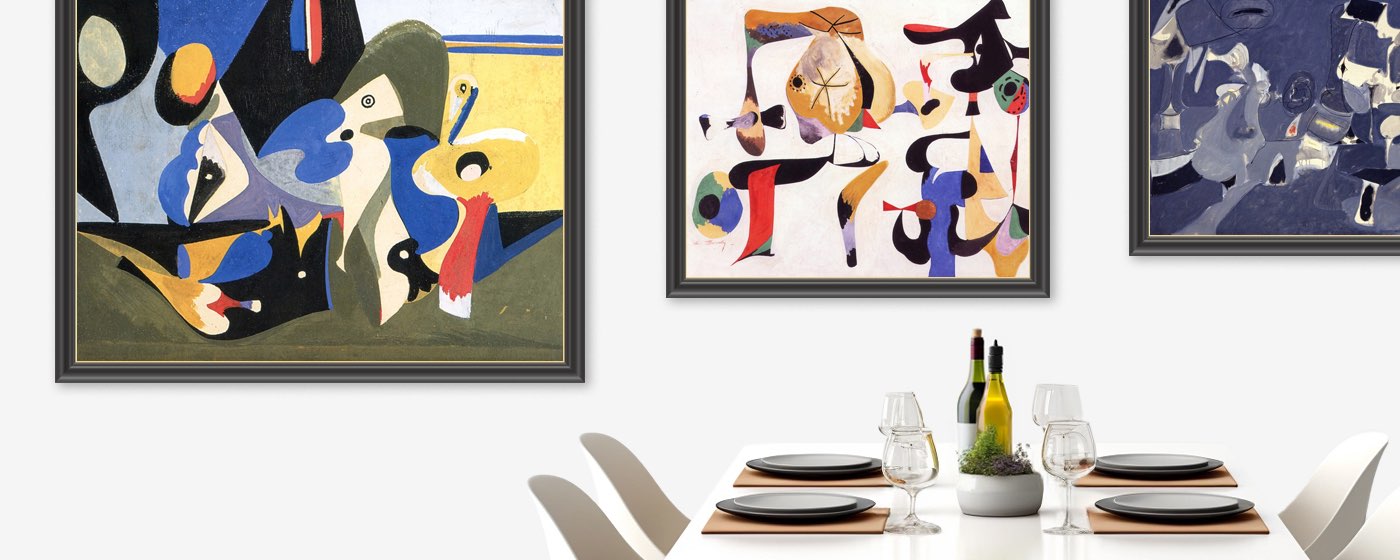
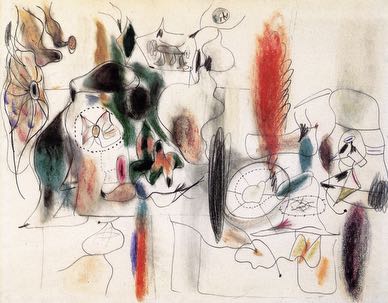
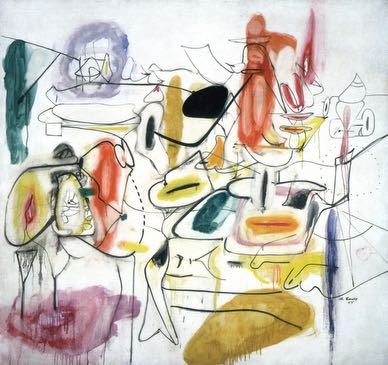
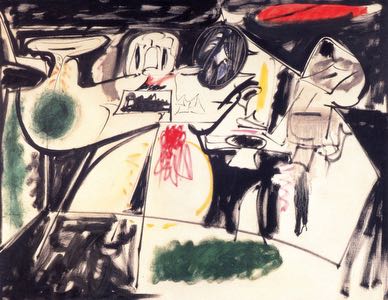
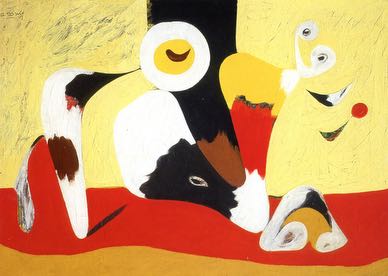
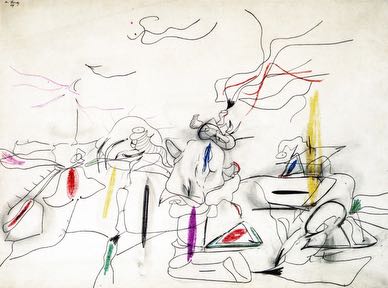
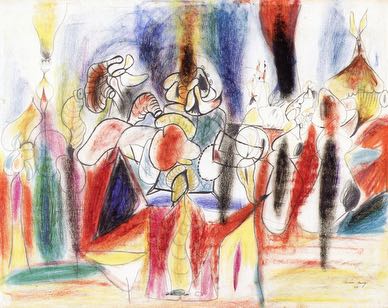
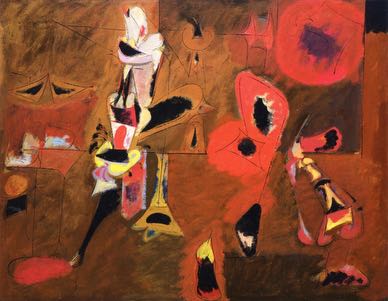
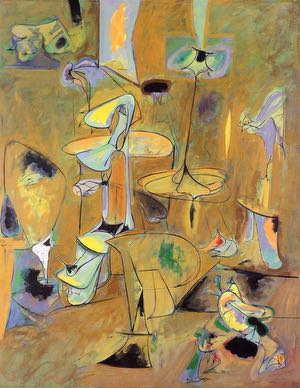
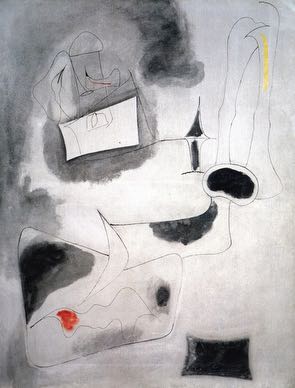
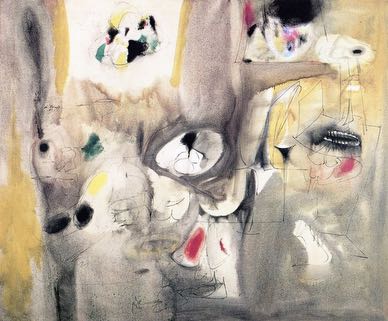
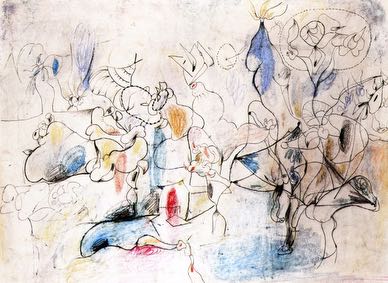
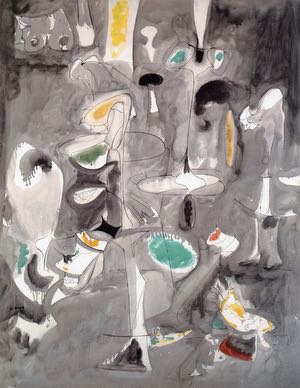
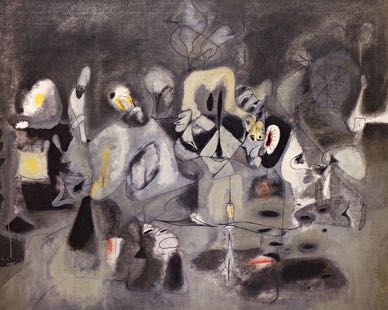
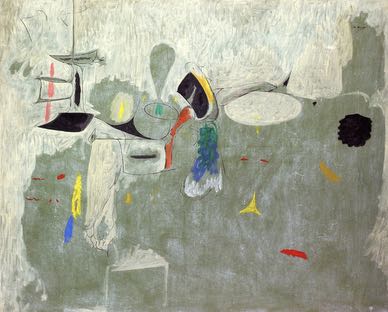
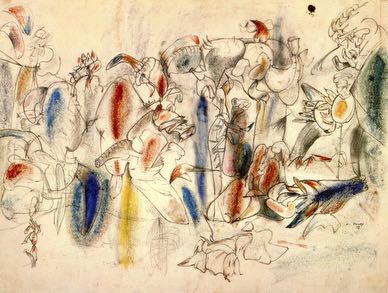
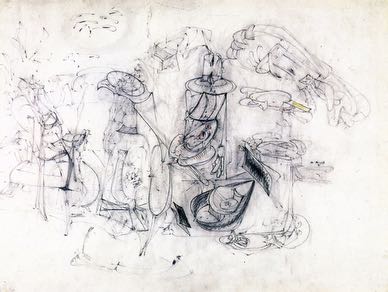
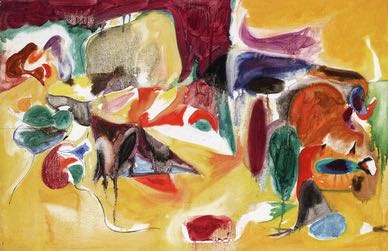
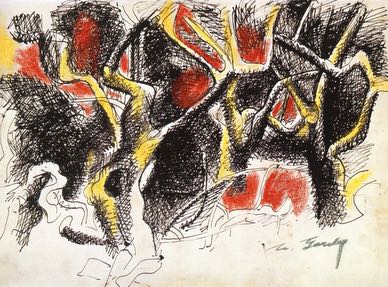
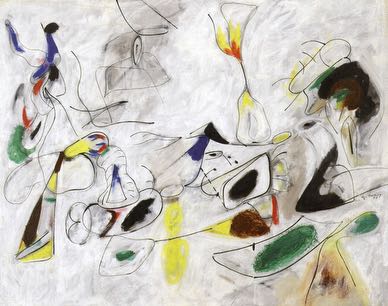
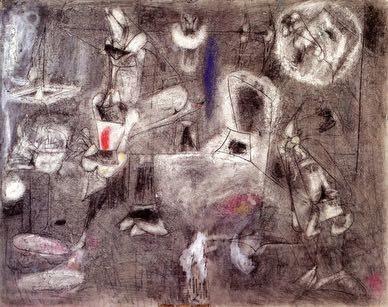
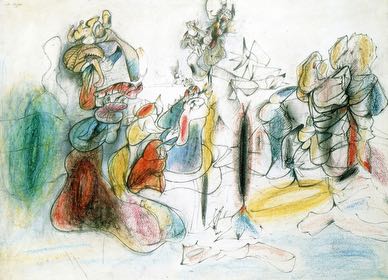
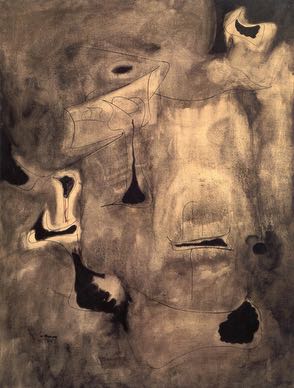
In the 1940s, Gorky’s work took a significant turn as he became more deeply involved with Surrealist techniques, including automatic drawing, which sought to tap into the subconscious mind. Through his friendship with André Breton, the leader of the Surrealist movement, Gorky explored biomorphic forms—organic shapes that suggested both human and natural forms without explicitly defining them. Works from this period, like “The Liver is the Cock’s Comb” and “Garden in Sochi”, reflect a new freedom in his style, with fluid, almost dreamlike compositions and colors that seem to pulse with life. These pieces are filled with abstract forms that allude to personal memories, family, and nature, creating a unique visual language that defies traditional categorization.
Gorky’s abstract compositions often evoke memories of his Armenian homeland, landscapes, and childhood experiences, infused with a sense of nostalgia and longing. His colors are bold yet harmonious, with layers that create both depth and movement. These biomorphic shapes and dynamic color schemes established him as a precursor to Abstract Expressionism, a movement that would dominate American art in the 1950s. His emphasis on personal symbolism and the emotional power of abstraction had a profound influence on contemporaries and paved the way for future explorations of abstraction in American art.
Tragically, Gorky’s life was marked by ongoing struggles, including a studio fire that destroyed many of his works, a battle with cancer, and the collapse of his marriage. These personal crises intensified his sense of displacement and despair, and in 1948, at the age of 44, Gorky took his own life. Despite his early death, his influence on American art endures, as his groundbreaking approach bridged European modernism and the distinctly American Abstract Expressionist movement.
Today, Arshile Gorky is celebrated as a foundational figure in 20th-century art, whose work captures both the beauty and anguish of the human experience. His paintings are held in major collections worldwide, including the Museum of Modern Art and the Tate Modern, and continue to inspire for their emotional depth, complex forms, and innovative blend of abstraction and surrealism. Gorky’s legacy lies in his ability to transform personal suffering into universal themes, creating art that resonates with both intensity and resilience.
Copyright © 2026 BrushWiz. All Rights Reserved.