
❄️ Winter Sale. Offer Ends 11/26/2026. View Details
❄️ Winter Sale. Ends 11/26/2026. View Details
❄️ Winter Sale. View Details
Artists
Subjects
Movements
Collections
Decor
Portraits
Commissions
Framing
Reviews
Gift Cards
On Sale
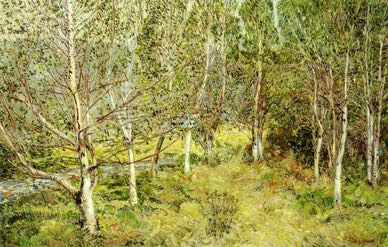
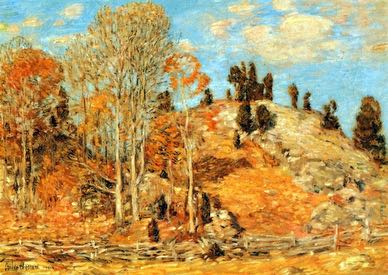
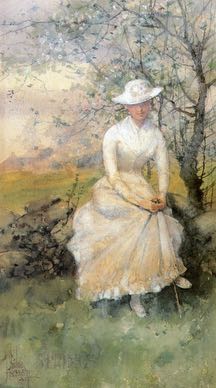
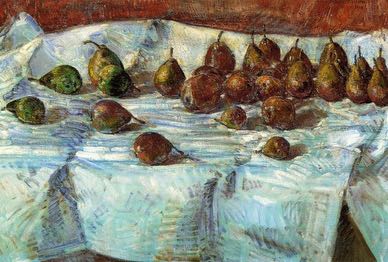
Childe Hassam Oil Painting Reproductions
Shop museum-quality reproductions of Childe Hassam’s most famous paintings, each hand-painted in oil on canvas by a professional artist.
Shop Art
Showing 1-40 of 529 results
Sort By
Most Popular
- Most Popular
- New Arrivals
- Best Sellers
- Alphabetical A-Z
- Alphabetical Z-A





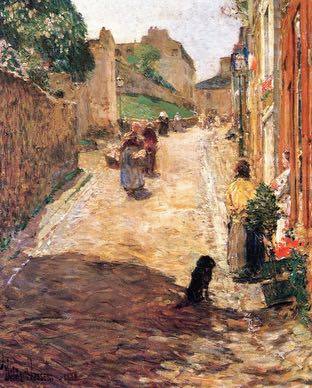
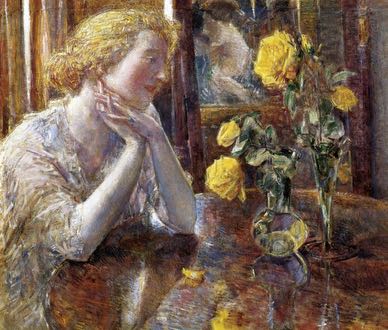
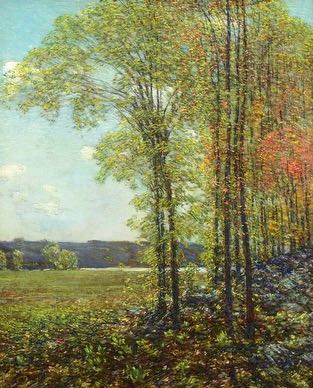
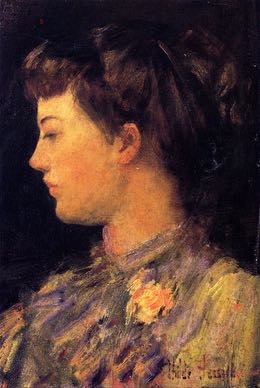



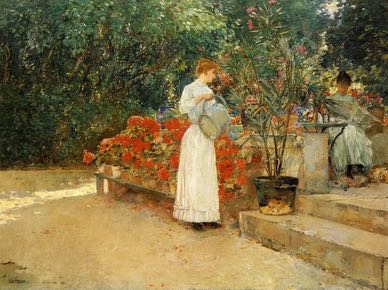
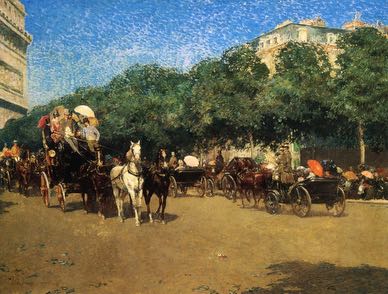
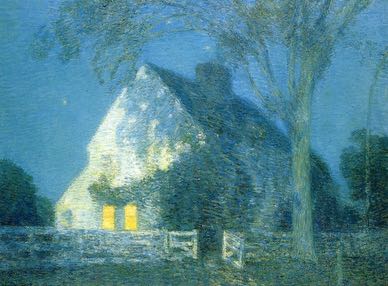
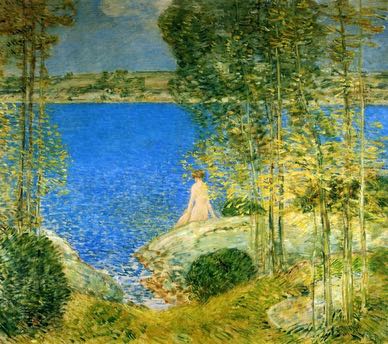
Can’t Find the Painting You Want?
Send us a reference image. We can recreate almost any artwork in the size and style you’re looking for.
Get a Free QuoteHand-Painted Childe Hassam Reproductions
Bring Hassam’s art into your home with an oil-on-canvas reproduction hand-painted by a professional artist. Our collection features hundreds of paintings from across his career, including The Avenue in the Rain, Boston Common at Twilight, and Celia Thaxter’s Garden. Discover rain-brightened city streets, flag-filled avenues, quiet interiors, New England gardens, rocky Atlantic shores, and other subjects closely associated with Hassam. Every reproduction is a real oil painting, offering depth and texture that a print or digital transfer cannot provide. From iconic masterpieces to lesser-known works, find a Hassam painting that suits your space.
The Making of a Childe Hassam Oil Painting Replica
Creating a Childe Hassam oil painting replica requires patience, precision, and an understanding of the original artwork. Our studio includes artists who specialize in Impressionist painting and understand the distinctive qualities of Hassam’s work. The artist begins by studying the source image, then recreates its high-keyed palette, broken brushwork, changing atmosphere, and Hassam’s distinctive treatment of light on canvas using traditional oil-painting methods. After completion, the painting is inspected by our quality-control team and photographed for your approval. The result is a carefully executed oil painting that reflects the visual character of the original.
Custom Sizes and Frames for Your Hassam Painting
Your Hassam painting can be ordered in practically any size, from popular standard dimensions to custom canvas sizes selected directly on the product page. This flexibility lets you choose a painting that fits your wall and complements your room perfectly. After selecting the size, you can choose from high-quality frames in classic or modern designs, with professional canvas stretching also available. Our framing options complement the bright colors and lively surfaces of Hassam’s paintings. With sizing, stretching, and framing arranged in one order, your artwork can arrive ready for display without a separate visit to a frame shop.
Order a Childe Hassam Reproduction with Confidence
Buying hand-painted art online should feel clear and comfortable. After your Childe Hassam reproduction is completed, we send high-resolution photographs for your review before shipping. You can inspect the composition, colors, brushwork, and overall finish, then request adjustments if needed. The painting is dispatched only after you approve it, so you know what to expect when it arrives. Your order also includes free express worldwide shipping and is covered by our 90-day return policy. Together, these assurances help you purchase a Hassam oil painting with greater confidence and peace of mind.
The Life and Art of Childe Hassam
Childe Hassam was an American painter and printmaker who made modern city life, New England gardens, rocky coastlines, and changing weather central to American Impressionism. Born Frederick Childe Hassam in Dorchester, Massachusetts, in 1859, he began as a commercial illustrator before studying in Paris and settling in New York. His quick, broken brushwork and bright color gave rain, snow, sunlight, traffic, and flags a vivid sense of motion. Although his urban scenes celebrate modern experience, his country pictures often look toward an older, quieter New England. Across oils, watercolors, pastels, and prints, Hassam became one of the most prolific and successful American artists of his generation.
Read More
Who Was Childe Hassam?
Frederick Childe Hassam was born in Dorchester, Massachusetts, on 17 October 1859. He came from a New England family with deep colonial roots, a history he valued throughout his life. The name Hassam developed from the English surname Horsham; despite later speculation about its sound, his family background was not Middle Eastern.
Early in his career, he dropped Frederick and used his distinctive middle name professionally. By the time he settled in New York in 1889, he had already worked as an illustrator, traveled in Europe, painted modern Boston, and spent three years studying in Paris. That unusually broad preparation helped him move comfortably between commercial art and ambitious exhibition painting.
Hassam became a leading figure in American Impressionism, though he was not interested in simply repeating French models. He found his subjects in the streets, parks, apartments, gardens, villages, and shorelines around him. Across more than five decades, he treated modern America as something experienced through light, weather, movement, and memory.
How Did Hassam Begin His Career in Boston?
Hassam left school after a fire damaged his father’s business and placed pressure on the family finances. He found work with a wood engraver and soon became an illustrator, designing images for newspapers, books, and magazines. The job trained him to simplify a scene, organize crowded detail, and communicate quickly to a broad audience.
He studied drawing and painting through the limited opportunities available in Boston, including evening classes at the Boston Art Club. Watercolor became an important early medium because it suited travel and direct observation. By 1882, the city directory listed him as an artist, and he had begun exhibiting and selling landscapes and urban subjects.
A first European trip in 1883 widened his knowledge of contemporary painting. Back in Boston, he turned more seriously to oil and began looking closely at the city’s new boulevards and expanding neighborhoods. Rainy Day, Boston treats wet pavement, horse-drawn traffic, umbrellas, and fashionable pedestrians as subjects worthy of a modern American painter.
What Changed During His Years in Paris?
Hassam married Kathleen Maude Doane in 1884, and two years later the couple moved to Paris. He enrolled at the Académie Julian, where American students commonly received instruction in figure drawing and academic composition. Hassam valued the discipline but learned just as much from exhibitions, streets, parks, and the work of contemporary painters.
French Impressionism encouraged him to brighten his palette, loosen his brushwork, and take transient light seriously. He also remained attentive to more conservative painters of modern life, so the change was gradual rather than a sudden conversion. In works such as Le Val-de-Grâce, Spring Morning, solid architecture and passing atmosphere hold equal weight.
During three summers, Hassam and his wife stayed at Villiers-le-Bel outside Paris. Its gardens gave him a quieter counterpart to the capital’s busy streets and began a lifelong interest in figures among flowers. When he returned to the United States in 1889, he brought home a flexible visual language, not a fixed French formula.
Why Did the Modern City Become One of Hassam’s Great Subjects?
Hassam settled permanently in New York at a moment of rapid growth. Elevated railways, electric lights, tall buildings, crowded avenues, and changing public spaces offered an endless theater of movement. He painted the city from sidewalks, windows, and elevated viewpoints, often letting weather partly veil the structures around him.
Snow and rain were especially useful because they altered familiar streets. In A New York Blizzard, forms appear and disappear within the storm, while Washington Arch, Spring uses fresh foliage and passing figures to soften a monumental landmark. The city never feels entirely still.
These scenes are selective rather than complete records of urban life. Hassam favored handsome avenues, public squares, and well-dressed pedestrians, rarely confronting poverty or industrial conflict directly. Even so, his pictures preserve the sensation of living in a changing metropolis, where reflections, traffic, architecture, and people compete for attention.
How Did Windows Shape His Interior Paintings?
From around 1909 into the early 1920s, Hassam repeatedly painted women in New York interiors. Many sit near tall windows, reading, arranging flowers, sewing, or pausing in thought. The room offers privacy, yet curtains and glass keep the city visibly present just beyond the figure.
In New York Winter Window, cold outdoor light enters a carefully ordered domestic space. Other works use patterned fabric, reflective glass, flowers, and furniture to break the scene into overlapping patches of color. The viewpoint can feel intimate without turning the sitter into a simple portrait.
These interiors reveal another side of urban modernity. Streets promised speed and public spectacle; apartments created elevated, enclosed worlds from which that activity could be watched. Hassam was attentive to the beauty of those spaces, though his quiet, elegant occupants also reflect the comfortable social world he most often chose to paint.
What Drew Hassam Back to the Isles of Shoals?
Hassam first visited the Isles of Shoals in 1886 and returned repeatedly for roughly thirty years. The rocky islands lie several miles off the coasts of New Hampshire and Maine. On Appledore Island, poet Celia Laighton Thaxter helped her family run a hotel that attracted writers, musicians, artists, and other summer visitors.
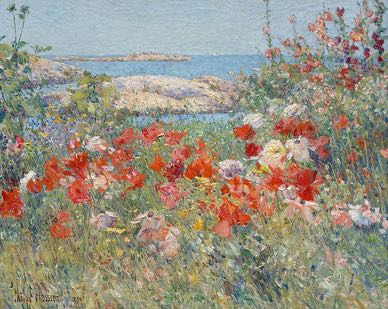
Thaxter’s densely planted garden offered brilliant color against gray rock and open sea. Hassam painted her there in 1892 and returned to the same flowers from many angles. In Celia Thaxter in Her Garden, the seated writer nearly merges with the blossoms around her, making friendship and place part of the painting’s subject.
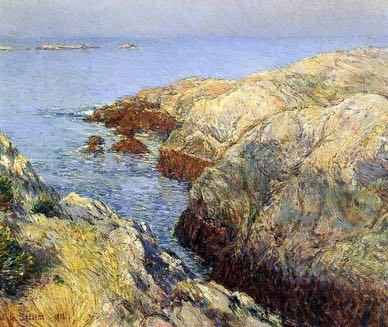
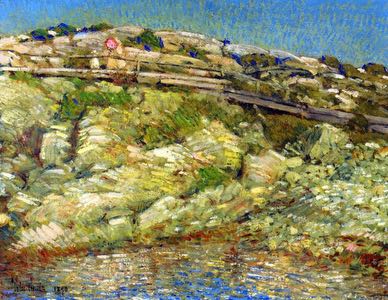
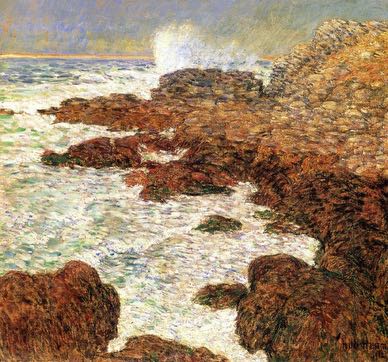
Beyond the garden, Appledore gave Hassam bare ledges, tidal pools, surf, and rapidly shifting skies. The South Ledges, Appledore turns rock and water into broad, animated strokes. The island works are not merely escapes from city life; they test how paint can convey wind, glare, salt air, and uneven ground.
Why Did Hassam Help Form the Ten American Painters?
In 1897, Hassam joined nine colleagues in leaving the Society of American Artists. They believed its large exhibitions no longer presented their work effectively. The new group, commonly called the Ten, organized smaller annual shows that gave each member greater control over selection and display.
The artists did not share a rigid style, but many were committed to painting light, landscape, modern leisure, and cultivated domestic life. Hassam’s participation placed him alongside prominent American painters working through lessons drawn from French art. Their exhibitions also helped make Impressionism familiar and marketable to American audiences.
Hassam proved energetic in promoting both his own work and the broader cause of American art. His confidence, productivity, and willingness to exhibit made him one of the group’s most visible members. The Ten continued showing together until 1919, by which time newer forms of modernism had begun to challenge the movement they represented.
What Do Hassam’s Flag Paintings Record?
Between 1916 and 1919, Hassam produced about thirty paintings of New York streets decorated with national flags. Fifth Avenue displayed banners for patriotic parades, wartime fundraising, and celebrations honoring the Allied nations. Seen from high windows, the flags project into the foreground while crowds and buildings dissolve into quick strokes below.
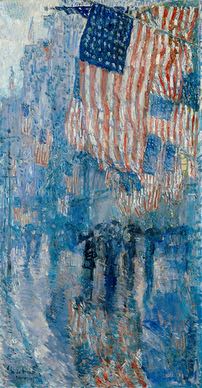
The Avenue in the Rain, painted in February 1917, compresses wet Fifth Avenue into a narrow vertical canvas dominated by American flags. In Allies Day, May 1917, British, American, and French colors stream together in bright sunlight after the United States entered the First World War.
The series is openly patriotic, but it also transforms public symbols into experiments with pattern, depth, and motion. Flags interrupt the view, flatten the surface, and hide much of the street. Their celebratory color leaves the violence of the war outside the frame, an omission that is part of the historical perspective these paintings preserve.
Which Paintings Show the Breadth of Hassam’s Art?
Hassam’s long career moved between Boston, Paris, New York, New England, and destinations farther west. These paintings introduce his range of cities, interiors, gardens, coastal landscapes, and public celebrations:
- Rainy Day, Boston, 1885: Wet pavement and horse-drawn traffic turn a new city boulevard into an early experiment in modern urban painting.
- Boston Common at Twilight, 1885–1886: Pedestrians, carriages, snow, and electric light meet during a rapidly changing winter evening.
- Le Val-de-Grâce, Spring Morning, about 1888: Parisian architecture anchors a scene enlivened by young trees, bright air, and passing figures.
- Celia Thaxter in Her Garden, 1892: The poet sits within the abundant flowers she cultivated on Appledore Island.
- Washington Arch, Spring: A New York landmark shares attention with foliage, weather, and everyday movement through the park.
- The South Ledges, Appledore, 1913: Sunlit rock, surf, and open water show the vigorous side of Hassam’s coastal Impressionism.
- New York Winter Window: A quiet woman and a tall window bring domestic seclusion into contact with the city outside.
- Church at Old Lyme, 1905: A white New England church becomes a luminous emblem of the regional past Hassam valued.
- The Avenue in the Rain, 1917: American flags fill a rain-softened Fifth Avenue view with compressed color and rhythmic movement.
- Allies Day, May 1917: Flags of three Allied nations turn the avenue into a brilliant wartime public spectacle.
How Did Hassam’s Final Years Shape His Legacy?
Hassam renewed his interest in printmaking around 1915, producing hundreds of etchings and lithographs during the last two decades of his life. Black-and-white line encouraged a different economy from his oil paintings, yet he returned to familiar subjects: New York streets, New England architecture, gardens, coastlines, and views from high windows.
In 1919, he and Maude bought an eighteenth-century house in East Hampton, Long Island, which became their summer home. The surrounding gardens, beaches, old buildings, and meadows supplied new subjects. Even as abstraction and other modern movements gained attention, Hassam continued refining the places and effects that had sustained him for decades.
He died in East Hampton on 27 August 1935. Through his estate, paintings were sold to fund museum purchases of work by American and Canadian artists, extending his support beyond his own reputation. Hassam remains a defining painter of American twentieth-century art because his best pictures make a place feel both immediate and remembered: a city caught in weather, a garden at its summer peak, or a flag shifting before the street comes fully into view.
Copyright © 2026 BrushWiz. All Rights Reserved.
About Our Childe Hassam Paintings
Are your Childe Hassam reproductions painted by hand?
Yes. Every reproduction is individually painted by hand in oil on canvas by a professional artist. We do not use prints, digital transfers, or mechanical reproduction methods.
How closely will my Hassam copy resemble the original?
Our artists work to capture the composition, colors, brushwork, atmosphere, and visual character of the original Hassam painting as closely as possible. Because each reproduction is painted by hand, small variations are natural and make every canvas unique.
How long does a Childe Hassam painting take to complete?
Most Hassam reproductions require approximately two to three weeks to paint, dry, and inspect. Production time may vary with the artwork and canvas size, so check the estimate displayed on the product page.
Can I request a Hassam artwork that is not listed?
Yes. If you cannot find the Childe Hassam painting you want in our catalog, send us its title or an image. Our team will review the request and confirm the available sizes, estimated production time, and price.
Will I receive photographs before my painting is shipped?
Yes. We send high-resolution photographs of the completed painting for your approval. You may request adjustments if needed, and the artwork will not be dispatched until the review process is complete.
Are custom canvas dimensions available?
Yes. We offer custom dimensions in addition to the standard sizes displayed on the product page. Select the dimensions that best suit your space from the available size options.
May I order my Hassam reproduction with a frame?
Yes. High-quality frames in classic and contemporary designs are available for many paintings. You can view compatible options and add your preferred frame on the product page. Professional canvas stretching is also available.
What determines the price of a Childe Hassam reproduction?
The price depends on the selected artwork, canvas dimensions, and framing option. Choose your preferred configuration on the product page to see the current price before placing your order.
Do Hassam paintings qualify for free worldwide shipping?
Yes. Hassam reproductions qualify for free express worldwide shipping. After dispatch, delivery usually takes five to eight business days, although timing may vary by country and destination.
Which return policy covers Childe Hassam reproductions?
Orders are covered by our 90-day return policy. Review the current return-policy page before ordering for complete information about eligibility, time limits, and the return process.
Why BrushWiz?
100% Hand Painted
Every piece is entirely handmade
Museum Quality
Faithfully recreated by expert artists
Custom Framing
Choose from a wide range of frames
Free Shipping
Enjoy free shipping on all orders
Cash Back Rewards
Earn cash back with every purchase