
❄️ Winter Sale. Offer Ends 11/16/2026. View Details
❄️ Winter Sale. Ends 11/16/2026. View Details
❄️ Winter Sale. View Details
Artists
Subjects
Movements
Collections
Decor
Portraits
Commissions
Framing
Reviews
Gift Cards
On Sale
Edvard Munch Oil Painting Reproductions
Shop museum-quality reproductions of Edvard Munch’s most famous paintings, each hand-painted in oil on canvas by a professional artist.
Shop Art
Showing 1-40 of 1703 results
Sort By
Most Popular
- Most Popular
- New Arrivals
- Best Sellers
- Alphabetical A-Z
- Alphabetical Z-A
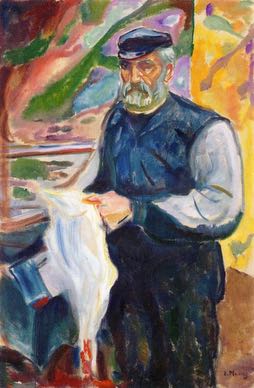
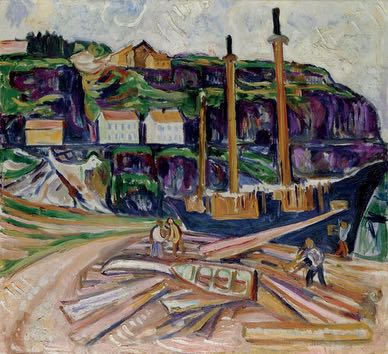
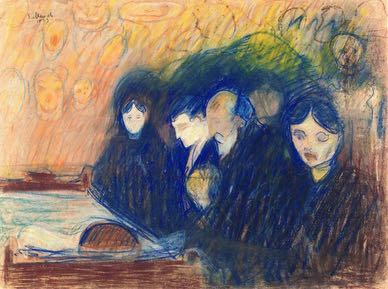
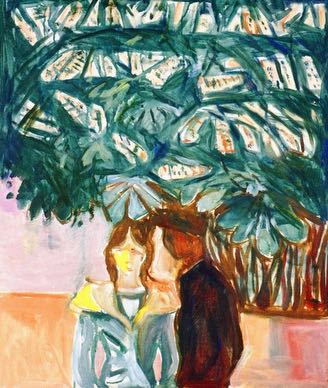


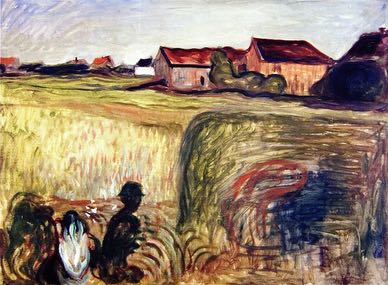
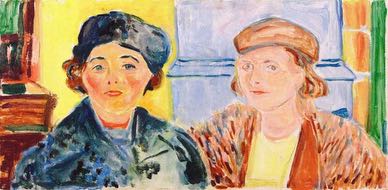
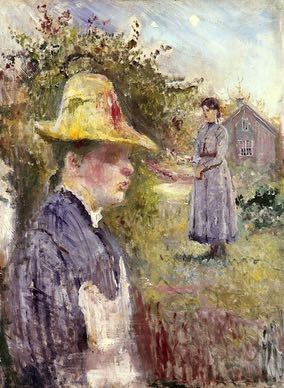
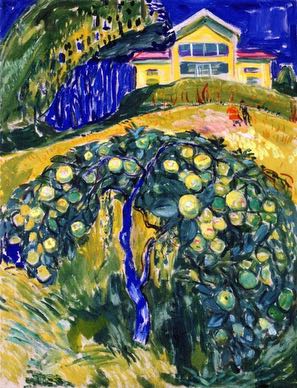
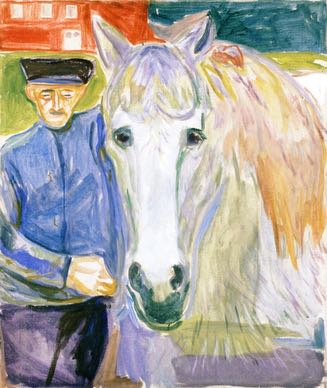
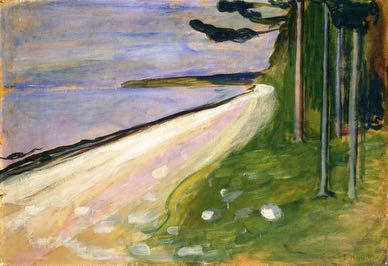
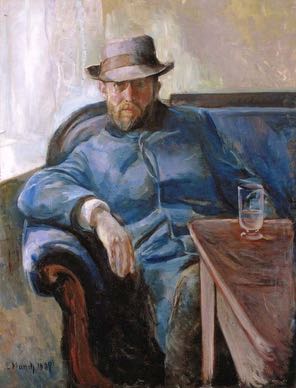
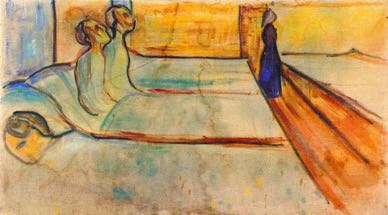

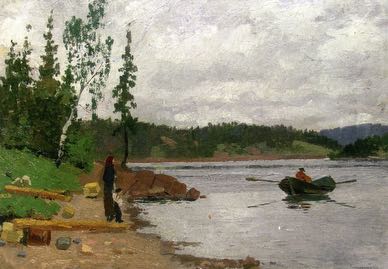
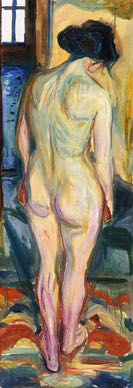
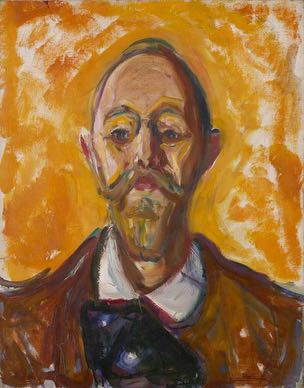
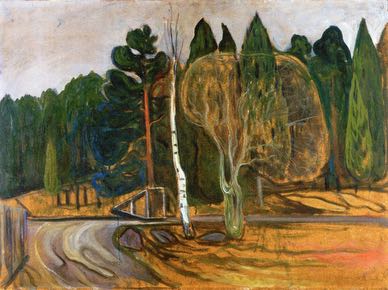
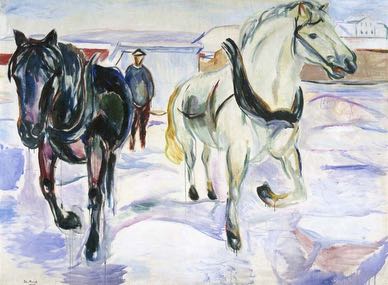
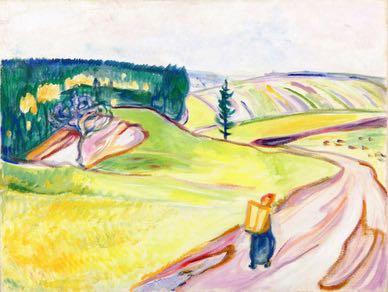
Can’t Find the Painting You Want?
Send us a reference image. We can recreate almost any artwork in the size and style you’re looking for.
Get a Free QuoteHand-Painted Edvard Munch Reproductions
Bring Edvard Munch’s art into your home with an oil-on-canvas reproduction hand-painted by a professional artist. Our collection features more than one thousand paintings from across his career, including The Scream, Madonna, and The Dance of Life. Discover haunting figures, emotional portraits, scenes of grief, Norwegian landscapes, and other subjects closely associated with Munch. Every reproduction is a real oil painting, offering depth and texture that a print or digital transfer cannot provide. From iconic masterpieces to lesser-known works, find a Munch painting that suits your space.
The Making of an Edvard Munch Oil Painting Replica
Creating an Edvard Munch oil painting replica requires patience, precision, and an understanding of the original artwork. Our studio includes artists who specialize in Symbolist and Expressionist painting and understand the distinctive qualities of Munch’s work. The artist begins by studying the source image, then recreates its strong colors, simplified forms, and Munch’s expressive brushwork on canvas using traditional oil-painting methods. After completion, the painting is inspected by our quality-control team and photographed for your approval. The result is a carefully executed oil painting that reflects the visual character of the original.
Custom Sizes and Frames for Your Munch Painting
Your Munch painting can be ordered in practically any size, from popular standard dimensions to custom canvas sizes selected directly on the product page. This flexibility lets you choose a painting that fits your wall and complements your room perfectly. After selecting the size, you can choose from high-quality frames in classic or modern designs, with professional canvas stretching also available. Our framing options complement the colors and character of Munch’s paintings. With sizing, stretching, and framing arranged in one order, your artwork can arrive ready for display without a separate visit to a frame shop.
Order an Edvard Munch Reproduction with Confidence
Buying hand-painted art online should feel clear and comfortable. After your Edvard Munch reproduction is completed, we send high-resolution photographs for your review before shipping. You can inspect the composition, colors, and overall finish, then request adjustments if needed. The painting is dispatched only after you approve it, so you know what to expect when it arrives. Your order also includes free express worldwide shipping and is covered by our 90-day return policy. Together, these assurances help you purchase a Munch oil painting with greater confidence and peace of mind.
The Life and Art of Edvard Munch
Edvard Munch was a Norwegian artist whose paintings and prints explored love, anxiety, isolation, illness, jealousy, and death. Born in 1863, he worked for more than sixty years and became an important figure in both Symbolism and Expressionism. Simplified forms, flowing lines, strong colors, and expressive brushwork gave his familiar subjects an intense emotional presence. The Scream became his most famous image, but his interests extended far beyond anxiety. Munch also painted portraits, landscapes, scenes of everyday life, and monumental decorations, while his self-portraits and experiments in printmaking kept him returning to the possibilities of a single image.
Read More
Who Was Edvard Munch?
Edvard Munch was born on 12 December 1863 in Løten, Norway, to Christian Munch, a military doctor, and Laura Cathrine Bjølstad. The family later moved to Kristiania, now Oslo. Religion, literature, illness, and an interest in art all shaped life in the household.
Poor health often kept Munch at home for long stretches during childhood. He spent some of that time drawing landscapes, rooms, portraits, and imagined scenes. His aunt Karen, who helped care for the family after his mother died, encouraged him.
By seventeen, Munch had decided to become a painter. He enrolled at the Royal School of Art and Design in Kristiania in 1880 and began drawing from live models. It was the start of a working life that would continue until 1944.
Which Childhood Experiences Returned in Munch’s Paintings?
Munch encountered illness and loss early. His mother died of tuberculosis when he was five, and his older sister Sophie died of the same disease when he was thirteen. His father’s anxiety and intense religious fears also affected the household.
These memories supplied subjects that Munch returned to for decades. He drew on personal grief to explore feelings others could recognize: fear, loneliness, desire, and uncertainty. The pictures reach beyond the particular events that prompted them.
The Sick Child, first painted in 1885 and 1886, grew from memories of Sophie’s illness. Its rough, apparently unfinished surface mattered as much as the scene itself. Critics disagreed sharply when it was shown, but Munch regarded the painting as a breakthrough. He would revisit its composition several times.
How Did Munch Develop His Early Style?
In the early 1880s, Munch painted family members, streets, industrial districts, landscapes, and ordinary daily scenes. His first important mentor, Christian Krohg, encouraged him to find an individual approach rather than rely too closely on academic rules.
Naturalism and Impressionism gave him ways to study light, atmosphere, and contemporary life. Gradually, he became more concerned with how a scene felt. The people and places remained recognizable, but their colors, outlines, and arrangement increasingly conveyed a psychological state.
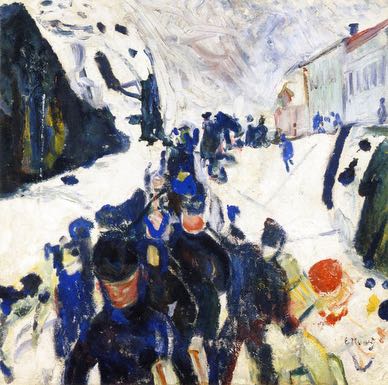
Kristiania’s streets and crowds recur in works such as Karl Johan in the Rain. A city view offered more than buildings and traffic: it let Munch examine movement, weather, and the experience of an individual among other people.
Munch first visited Paris in 1885. A state scholarship brought him back in 1889, when he briefly studied with the portrait painter Léon Bonnat. French Impressionist and Post-Impressionist painting helped him move away from conventional realism. Forms became simpler, and color took on more of the work of establishing mood.
Why Was Munch’s Berlin Exhibition Closed?
In 1892, Munch was invited to exhibit at the Association of Berlin Artists. The paintings divided its members so strongly that the show closed after just one week. Some viewers saw unfinished or disturbing work; others recognized an artist developing a powerful language of his own.
The closure brought publicity and introduced Munch to a wider European audience. He remained in Germany, forming connections with Berlin’s writers, artists, and intellectuals. A public rejection had become an opening in his career.
His compositions during these years grew flatter and more direct. Figures were simplified, backgrounds contained fewer descriptive details, and color carried greater emotional force. The work established his place in Symbolism and later attracted German Expressionist painters.
What Connects the Paintings in The Frieze of Life?
Munch used the name The Frieze of Life for related paintings about attraction, love, jealousy, anxiety, separation, illness, and death. They explore experiences that recur across a lifetime, without following one continuous story.
The Scream, Madonna, Vampire, Anxiety, Melancholy, The Dance of Life, and Death in the Sickroom were among its central subjects. Munch developed many of these motifs over years, making new painted and printed versions as his ideas changed.
In 1902, he showed a major arrangement of the series at the Berlin Secession. Seen together, the paintings made their relationships clearer. Rooms, shorelines, bridges, and evening skies became recurring settings for intimacy, estrangement, and other shifts in emotional life.
Did Munch Treat a Composition as a Finished Idea?
Printmaking gave Munch another way to develop his subjects. He worked with etching, lithography, woodcut, and other graphic techniques, testing what happened when an image changed medium. Prints also brought his work to a wider audience.
A composition could remain open to revision long after its first appearance. The Scream, Madonna, The Sick Child, and Vampire all exist in multiple forms. Munch changed their colors, sizes, materials, and details while keeping the central idea recognizable.
In his woodcuts, firm outlines and broad areas of color give the images their directness. Sometimes he cut a block into separate pieces so that each section could be inked individually. The grain of the wood could remain visible too, adding its own texture and movement to the print.
How Did Munch’s Work Change After His Treatment in 1908?
In 1908, poor health and severe anxiety led Munch to enter Dr. Daniel Jacobson’s clinic in Copenhagen. He stayed for several months before returning permanently to Norway in 1909.
Emotional and introspective subjects continued to occupy him, but his range widened. Brighter landscapes, outdoor scenes, portraits, workers, and animals appeared alongside large decorative paintings. Many works became more luminous in color and more expansive in scale.
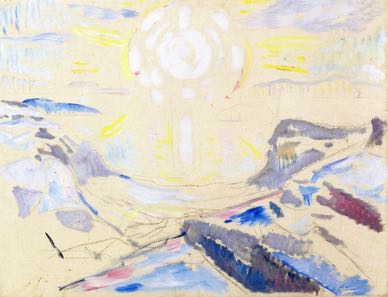
The murals for the University of Oslo’s assembly hall were a major undertaking. At their center, The Sun shows a sunrise over the Norwegian coast. Radiating light fills the monumental composition, revealing an ambition that extended well beyond the intimate, troubled scenes of Munch’s earlier years.
Where Did Munch Live and Work in His Later Years?
In 1916, Munch bought the Ekely estate outside Kristiania. He lived there for the rest of his life, with space for several studios and paintings of unusually large dimensions.
Fields, gardens, trees, animals, changing seasons, and people at work supplied subjects close to home. Self-portraits remained important too. In them, Munch faced aging and mortality with the directness he had brought to his earlier paintings.
He often left canvases outdoors, allowing weather to affect their surfaces. At Ekely, older motifs continued to develop alongside new landscapes, portraits, and monumental works. Experiment remained part of his routine well into his final years.
Munch died at Ekely on 23 January 1944, aged eighty. He had arranged for the artworks still in his possession to pass to the City of Oslo. That bequest formed the foundation of the extensive public collection held by MUNCH today.
Which Paintings Is Edvard Munch Best Known For?
Many of Munch’s best-known images belong to subjects he explored repeatedly in paint and print. These works span his early breakthroughs and the final years at Ekely:
- The Sick Child, 1885–1886: Memories of his sister Sophie’s illness and death lie behind this deeply personal scene.
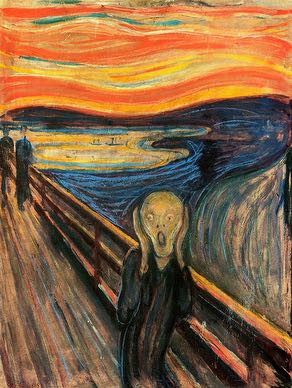
- The Scream, 1893: An overwhelmed figure beneath a turbulent sky became Munch’s most recognizable image.
- Vampire, 1893–1894: The embrace leaves room for conflicting readings of comfort, love, dependence, and fear.
- Madonna, 1894–1895: Munch returned to this sensual, mysterious figure in several painted and printed versions.
- Anxiety, 1894: Solemn figures gather before a coastal landscape and a dramatic red sky.
- Puberty, 1894–1895: A young figure sits on a bed beside an enlarged, threatening shadow.
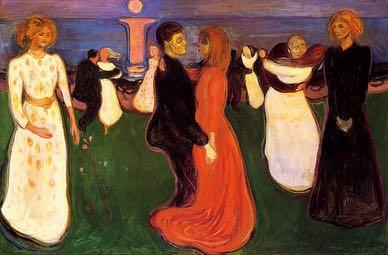
- The Dance of Life, 1899–1900: A moonlit dance brings youth, desire, partnership, separation, and aging into one scene.
- Girls on the Bridge, 1901: Figures gathered above the water form a composition Munch revisited in several versions.
- The Sun, 1910–1911: Sunlight spreads across the Norwegian coast in a work of monumental scale.
- Self-Portrait: Between the Clock and the Bed, 1940–1943: The aging painter stands between objects that suggest passing time and mortality.
Why Does Munch Hold Such an Important Place in Modern Art?
Munch made emotional experience central to the way a painting is constructed. His people, rooms, and landscapes remain recognizable, but their colors, lines, and simplified shapes carry fear, desire, or grief. The viewer encounters those feelings in the picture’s structure as well as in its subject.
His work helped connect nineteenth-century Symbolism with twentieth-century Expressionism. German and Austrian painters responded to his direct treatment of psychological themes. Later artists found possibilities in his distorted figures, expressive color, and willingness to address difficult personal experiences.
Printmaking was equally important to his contribution. His lithographs, etchings, and woodcuts demonstrated how much an image could gain from a change of material or color. Returning to a subject became a means of discovery, with each version capable of producing a different effect.
Munch is now regarded as one of Norway’s most important artists and a central figure in modern art. The Scream has become a widely recognized image of anxiety. Around it stands a much larger body of work concerned with relationships, nature, memory, aging, and the changing texture of emotional life.
Copyright © 2026 BrushWiz. All Rights Reserved.
About Our Edvard Munch Paintings
Are your Edvard Munch reproductions painted by hand?
Yes. Every reproduction is individually painted by hand in oil on canvas by a professional artist. We do not use prints, digital transfers, or mechanical reproduction methods.
How closely do your Munch copies resemble the original?
Our artists work to capture the composition, colors, texture, and visual character of the original Munch painting as closely as possible. Because every reproduction is painted by hand, small variations are natural and make each canvas unique.
How long does it take to complete a painting?
Most Munch reproductions require approximately two to three weeks to paint, dry, and inspect. Production time may vary depending on the artwork and canvas size, so check the estimate displayed on the product page.
Can I request a Munch painting that is not listed?
Yes. If you cannot find the Edvard Munch artwork you want in our catalog, send us the painting’s title or an image. Our team will review your request and confirm the available sizes, estimated production time, and price.
Will I receive photos of my painting before it is shipped?
Yes. We send high-resolution photographs of the completed painting for your approval. You can request adjustments if needed, and the painting will not be dispatched until the review process is complete.
Can I order a custom canvas size?
Yes. We offer custom dimensions in addition to the standard sizes shown on the product page. Select the dimensions you need directly from the available size options.
Can I order my Munch painting with a frame?
Yes. High-quality frames in classic and modern designs are available for many paintings. You can view compatible framing options and add your preferred design from the product page. Professional canvas stretching is also available.
How much does an Edvard Munch reproduction cost?
The price depends on the selected artwork, canvas dimensions, and framing option. Choose your preferred configuration on the product page to see the current price before ordering.
Do you offer free worldwide shipping?
Yes. Munch reproductions qualify for free express worldwide shipping. After dispatch, delivery usually takes five to eight business days, although timing may vary by country and destination.
What is the return policy for Munch reproductions?
Orders are covered by our 90-day return policy. Review the current return-policy page before ordering for complete information about eligibility, time limits, and the return process.
Why BrushWiz?
100% Hand Painted
Every piece is entirely handmade
Museum Quality
Faithfully recreated by expert artists
Custom Framing
Choose from a wide range of frames
Free Shipping
Enjoy free shipping on all orders
Cash Back Rewards
Earn cash back with every purchase