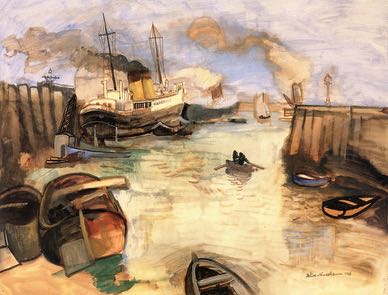
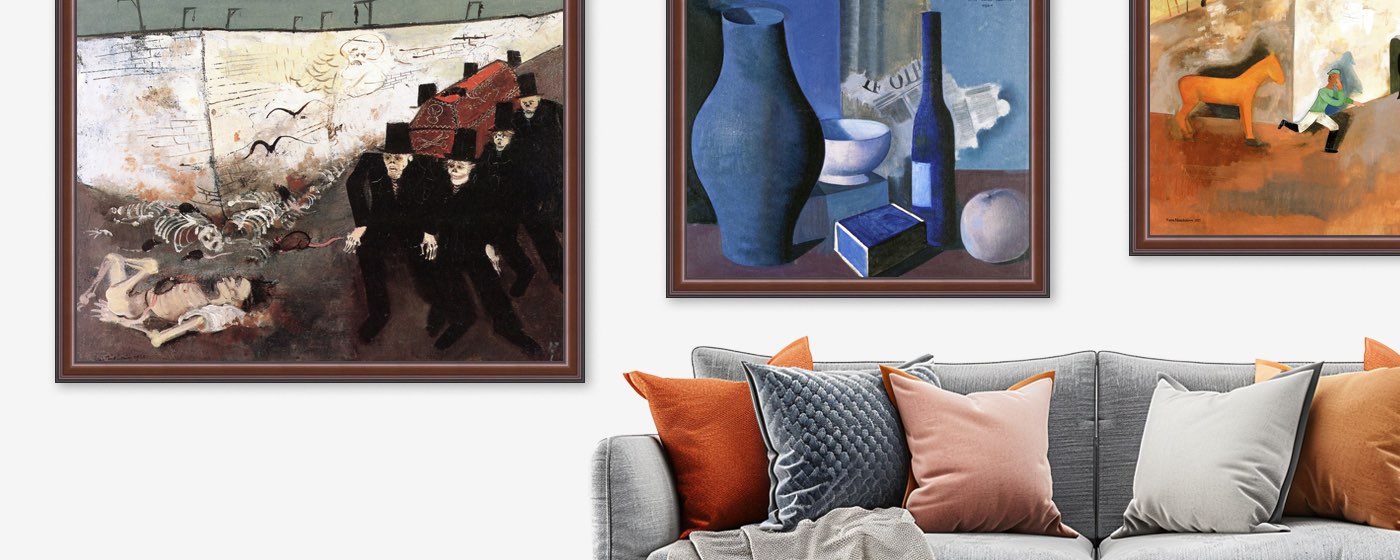
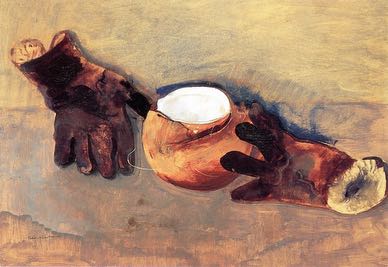
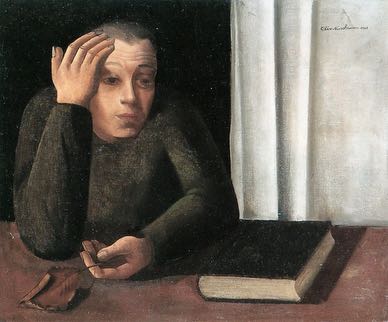
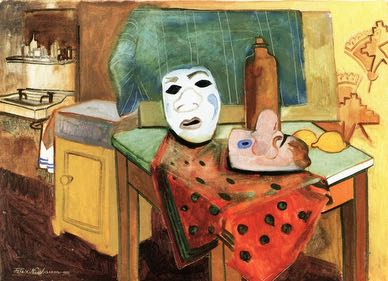
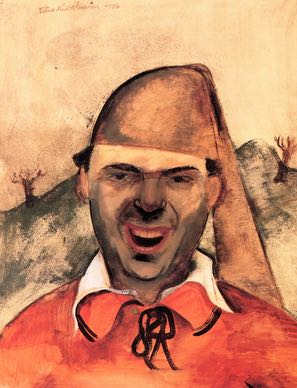
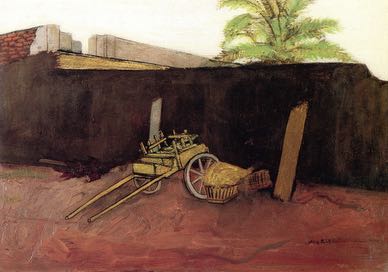
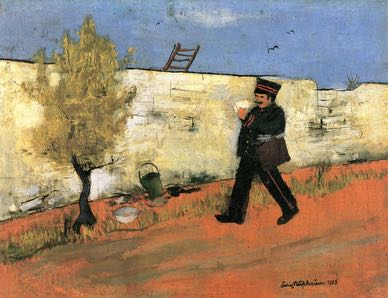
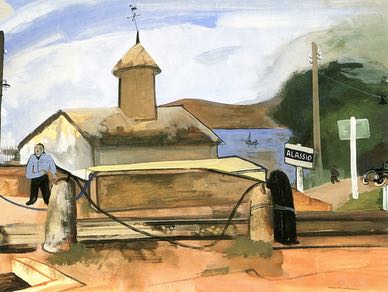
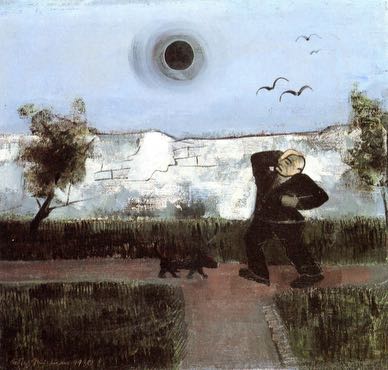
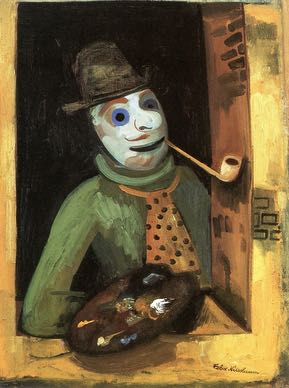
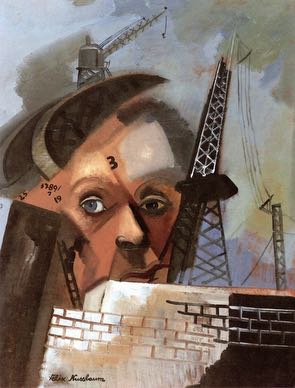
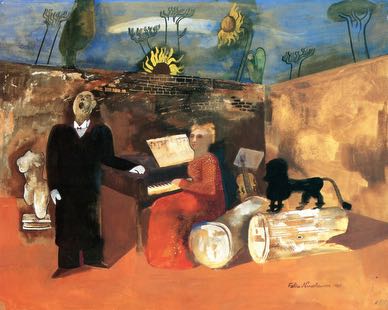
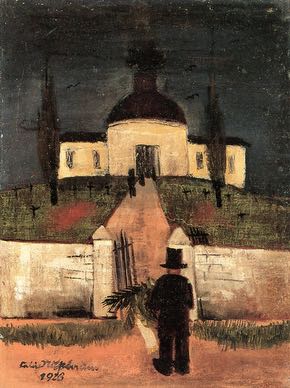
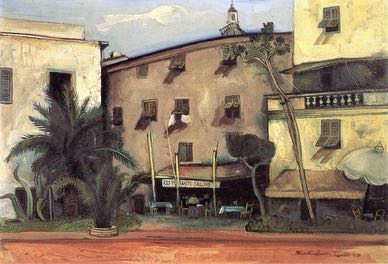
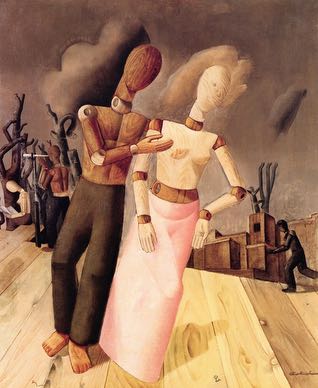
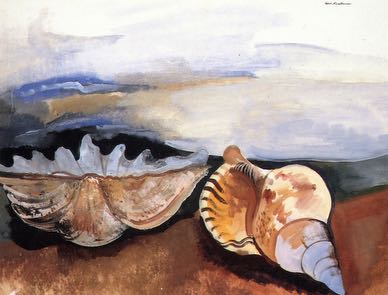
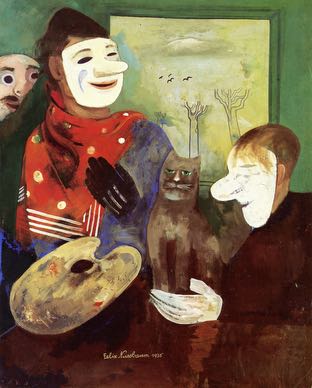
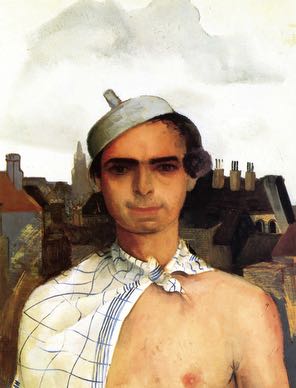
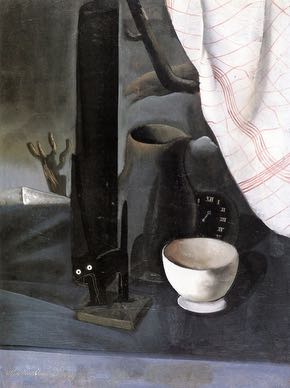
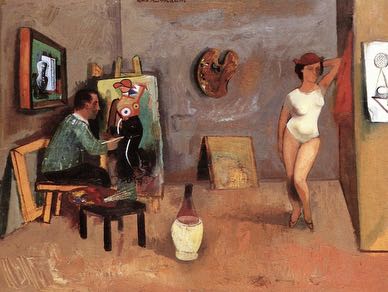
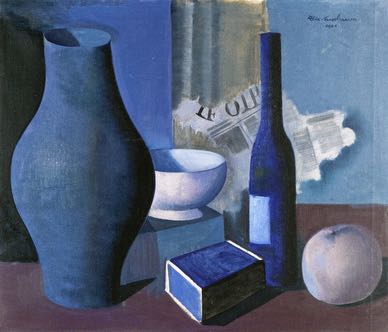
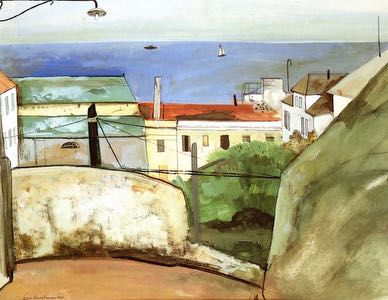
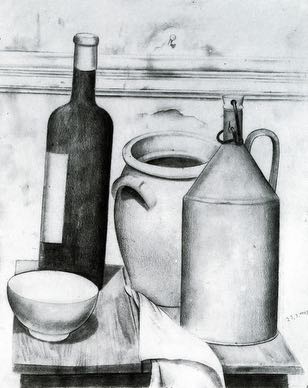
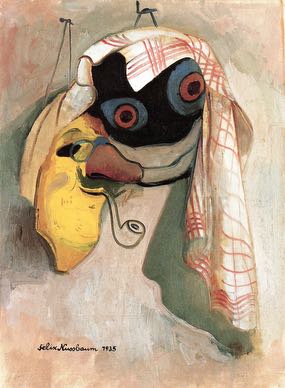
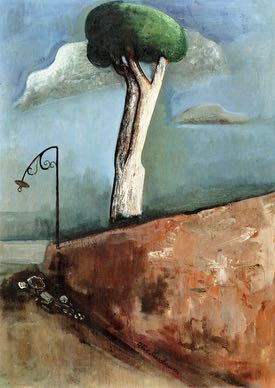
Born in Osnabrück, Germany, Nussbaum grew up in a Jewish family that encouraged his interest in art. He studied at the Hamburg School of Applied Arts and later at the prestigious Berlin Academy of the Arts. Influenced by European modernist movements, particularly the work of Vincent van Gogh and Giorgio de Chirico, Nussbaum developed a style that combined surrealism with psychological insight. In the early 1930s, his work focused on everyday scenes and landscapes, reflecting a generally hopeful outlook. However, as the Nazi regime gained power and antisemitism intensified, Nussbaum’s work began to reflect the growing anxiety and fear felt by many German Jews.
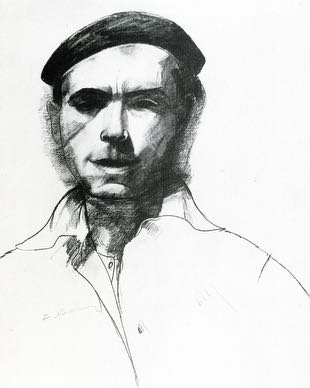
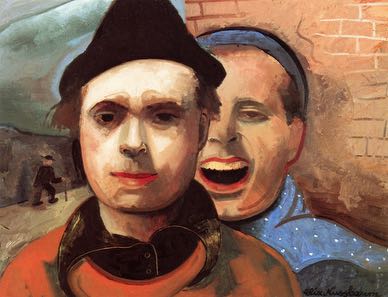
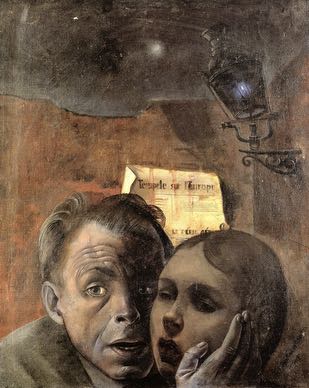
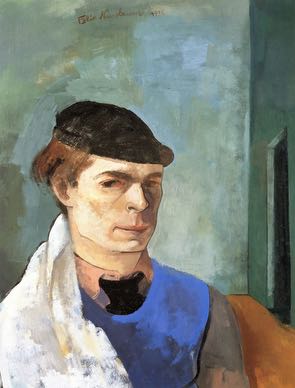
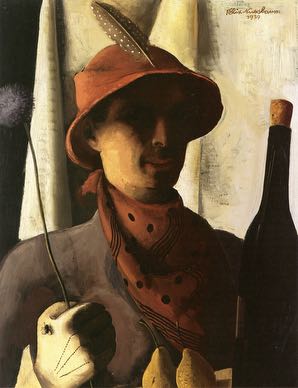
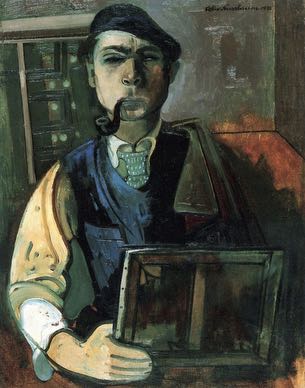
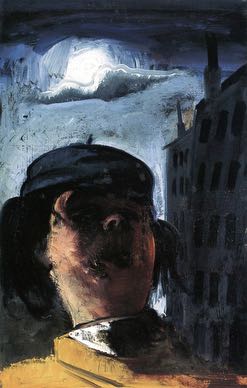
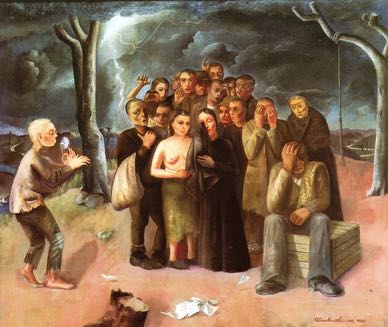
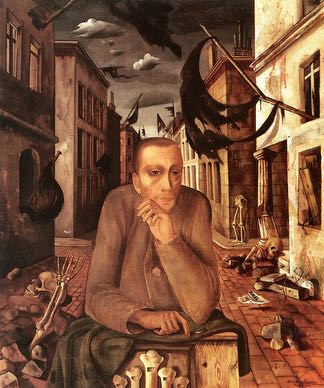
With the rise of Hitler in 1933, Nussbaum’s life took a dark turn. In 1935, after being briefly imprisoned in a camp for political dissidents, he fled Germany, moving between Italy, Switzerland, and France. During this time, his paintings began to express themes of displacement, loneliness, and persecution. His self-portraits, in particular, captured the vulnerability and despair of living as a refugee. Nussbaum’s art became a direct response to his experiences, depicting the impact of exile and the emotional toll of being uprooted from his homeland.
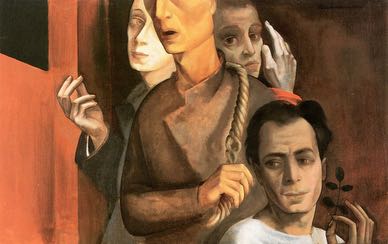
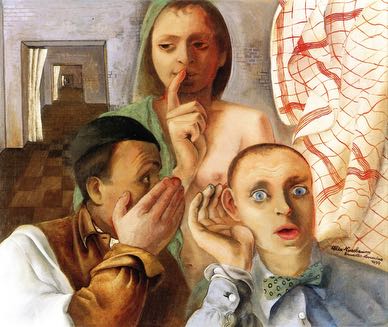
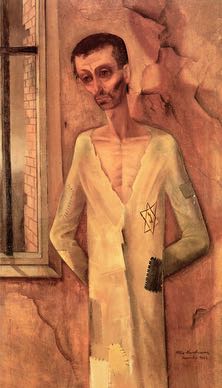
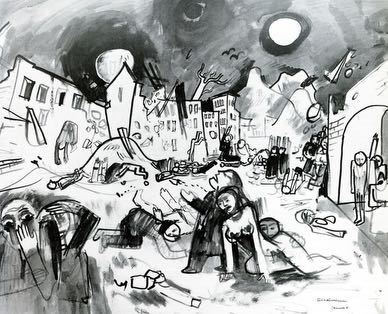
In 1940, following the German occupation of France, Nussbaum was arrested and sent to the Saint-Cyprien internment camp in southern France. He managed to escape and fled to Belgium, where he went into hiding with his wife, Felka Platek, also a painter. The couple lived in constant fear, moving between secret locations and depending on friends for shelter. During this period, Nussbaum produced some of his most powerful works, including intense self-portraits and symbolic scenes that illustrate the horrors of Nazi persecution and his own desperation. His paintings often include ominous figures, distorted perspectives, and surreal imagery, underscoring the psychological impact of living under constant threat.
As the Holocaust unfolded, Nussbaum’s work became a unique record of life in hiding, depicting the dehumanizing effects of persecution and the terror of an uncertain fate. In his later works, he included references to concentration camps, barbed wire, and death—symbols that reflected the dark realities he faced. His paintings, often filled with symbolism, portray a deeply personal, existential struggle, documenting the psychological experience of genocide in a way few artists of his time were able to do.
In 1944, Nussbaum and his wife were discovered by the Gestapo, arrested, and deported to Auschwitz, where they were killed shortly after arrival. He was 39 years old. Despite his tragic end, Nussbaum left behind a significant body of work that serves as a testament to his life, his experiences, and his unwavering commitment to art as a means of bearing witness.
Today, Felix Nussbaum is remembered as a profound and courageous artist whose work speaks to the human capacity for resilience in the face of unimaginable suffering. His paintings are housed in the Felix Nussbaum Haus in Osnabrück, a museum dedicated to his memory and art. His work continues to resonate deeply with audiences, reminding us of the horrors of the Holocaust and the enduring power of art to convey truths that transcend words.
Copyright © 2026 BrushWiz. All Rights Reserved.