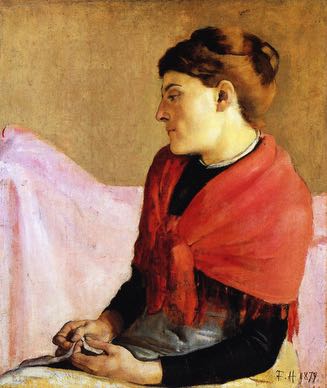
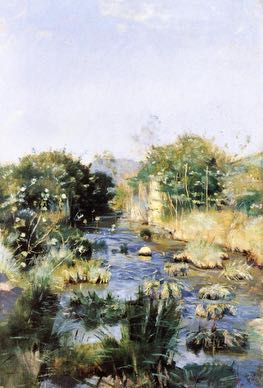
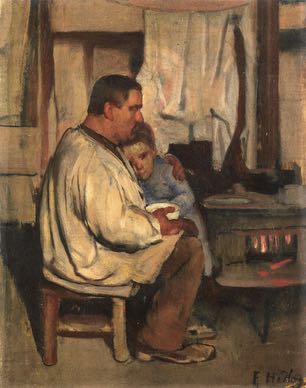
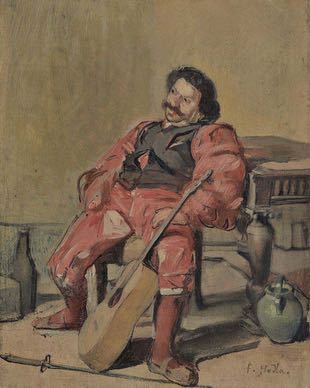
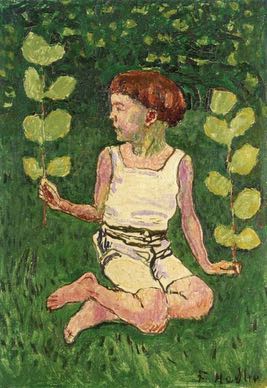
Born in Bern, Hodler’s early life was marked by tragedy and hardship. Orphaned by age 14, he was initially trained by his stepfather in decorative painting, a skill he pursued until meeting the German painter Ferdinand Sommer, with whom he apprenticed. Seeking greater artistic horizons, he moved to Geneva at the age of 18, where he spent time copying the works of notable masters. It was in Geneva that Hodler encountered Barthélemy Menn, a landscapist who offered Hodler academic training and introduced him to works by Raphael, Michelangelo, Titian, and Courbet. This formal education laid the groundwork for Hodler’s artistic style, which would develop dramatically in the years to follow.
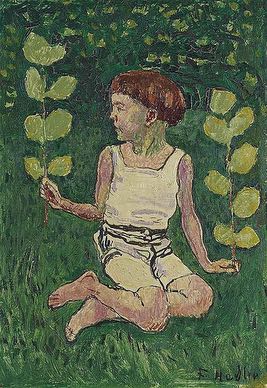
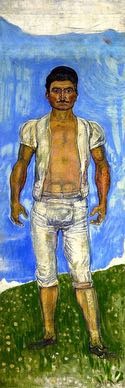
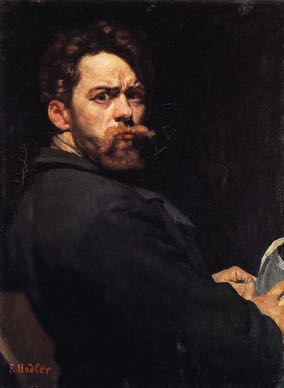
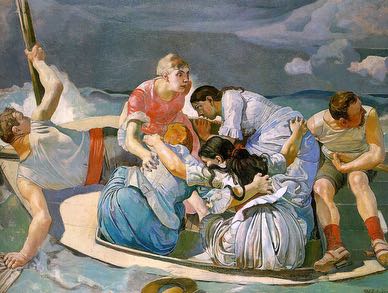
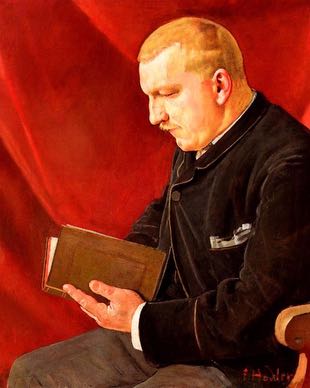
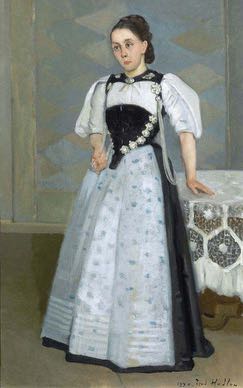
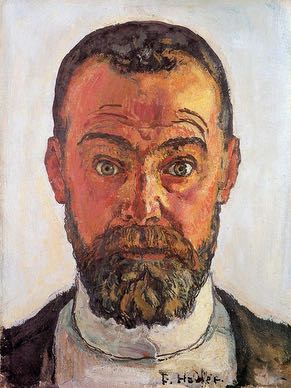
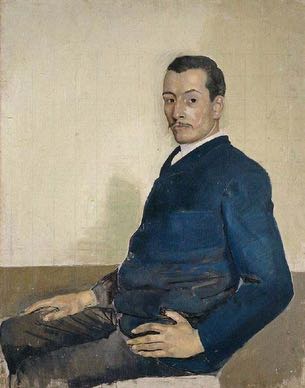
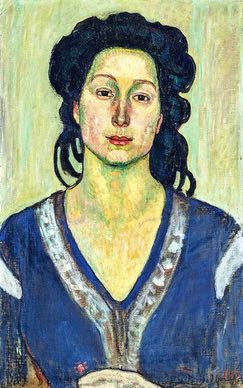
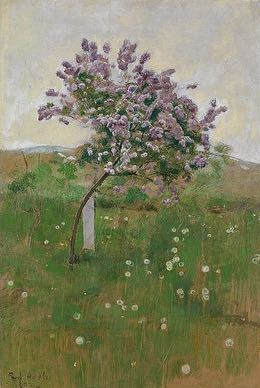
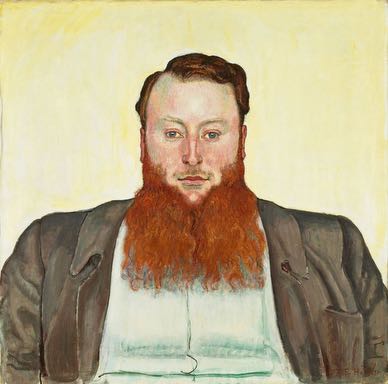
Though landscapes dominated Hodler’s early career, his later ventures into figure compositions and portraits expanded his expressive abilities. These works channeled dynamic realism, allowing him to explore human forms with striking clarity and power. In 1875, Hodler visited Basel, where he closely studied Hans Holbein’s “Dead Christ in the Tomb”, a Northern Renaissance piece that profoundly influenced Hodler’s works, particularly his recurring focus on themes of mortality.
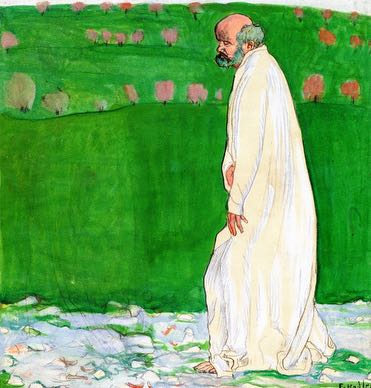
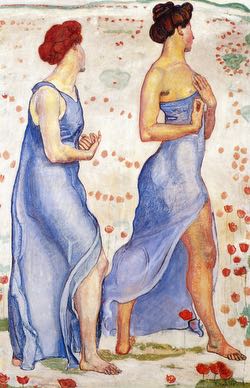
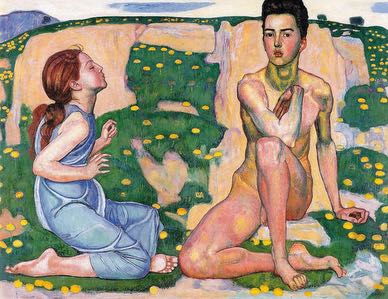
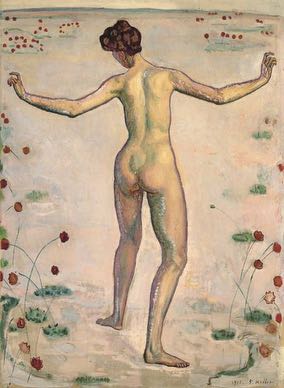
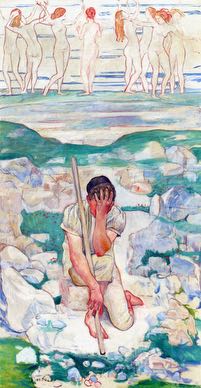
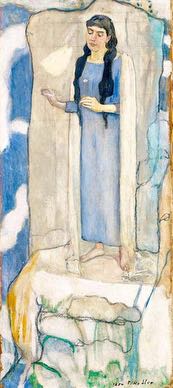
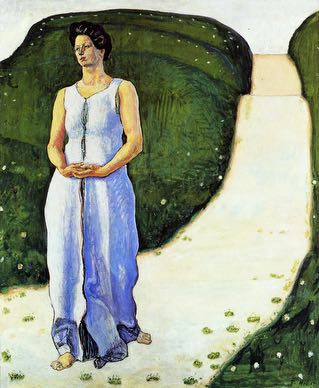
In the last decade of the 19th century, Hodler’s style evolved significantly as he integrated Symbolist and Art Nouveau elements, crafting an individualistic approach that he termed “Parallelism.” In this distinctive style, he grouped figures in symmetrical patterns, often arranging them in poses that suggested a ritualistic dance or ceremony. Through Parallelism, Hodler’s paintings conveyed harmony, introspection, and a connection to universal forces, contrasting sharply with the more conventional realism of his early works.
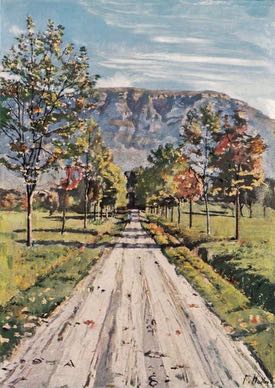
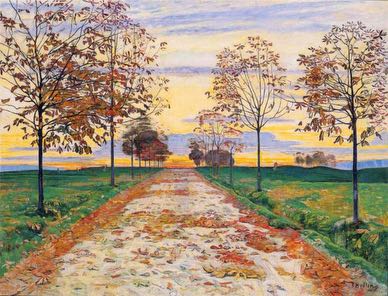
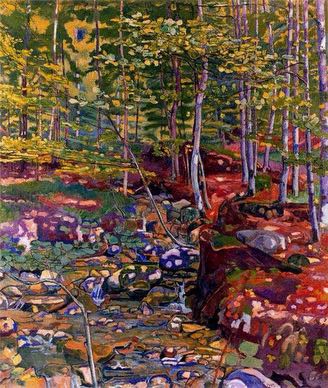
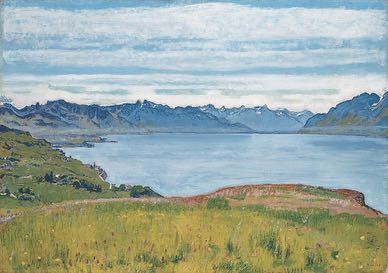
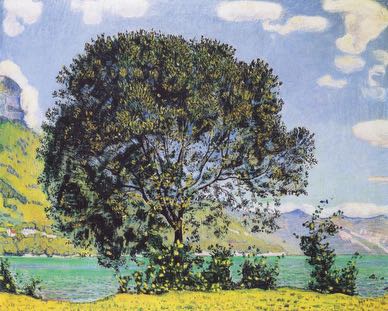
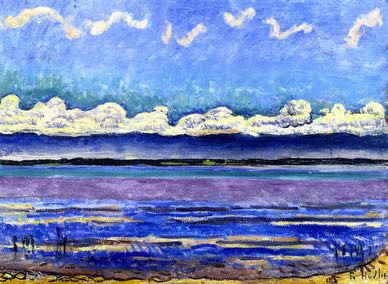
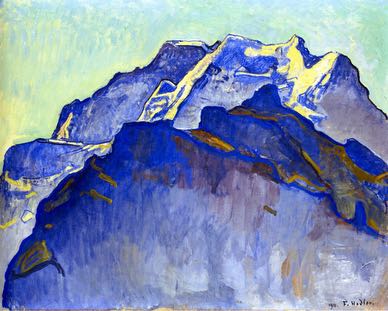
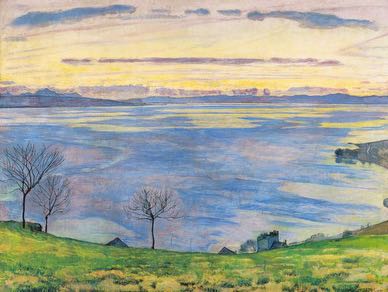
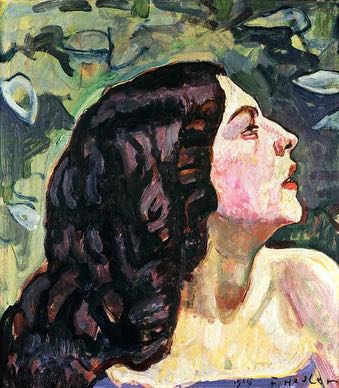
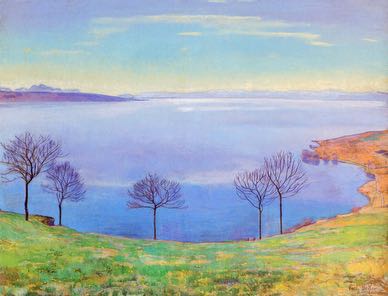
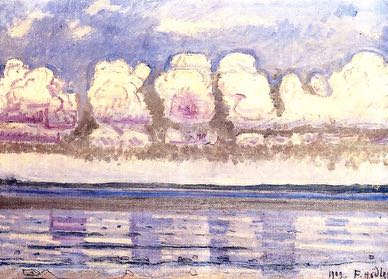
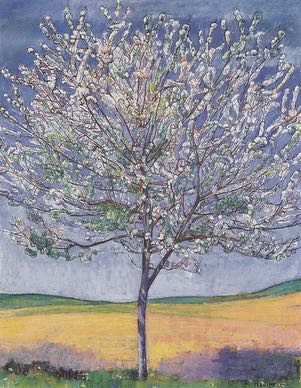
During the later phase of his career, Hodler’s work took on an expressionist tone. He simplified his landscapes, reducing them to their most essential forms, often depicting a strip of land bordered by water and sky. His use of geometric forms and vibrant, elemental colors gave his paintings a boldness and clarity, earning him great acclaim. Among his most recognized works are those that depict Swiss life with profound respect, such as “The Famous Woodcutter”, a piece that appeared on the 50 Swiss Franc banknote, underlining his cultural impact.
Hodler’s legacy endures in Switzerland and beyond. His work, particularly his landscapes and symbolic compositions, remains emblematic of the strength, resilience, and beauty of the Swiss identity. His ability to blend realism with mysticism and symbolism ensures his place as a transformative figure in the history of Swiss and European art.
Copyright © 2026 BrushWiz. All Rights Reserved.