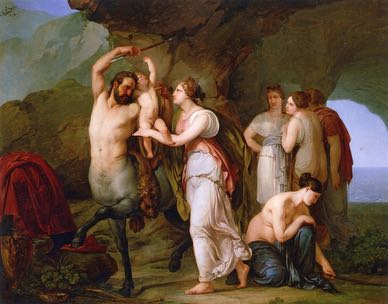
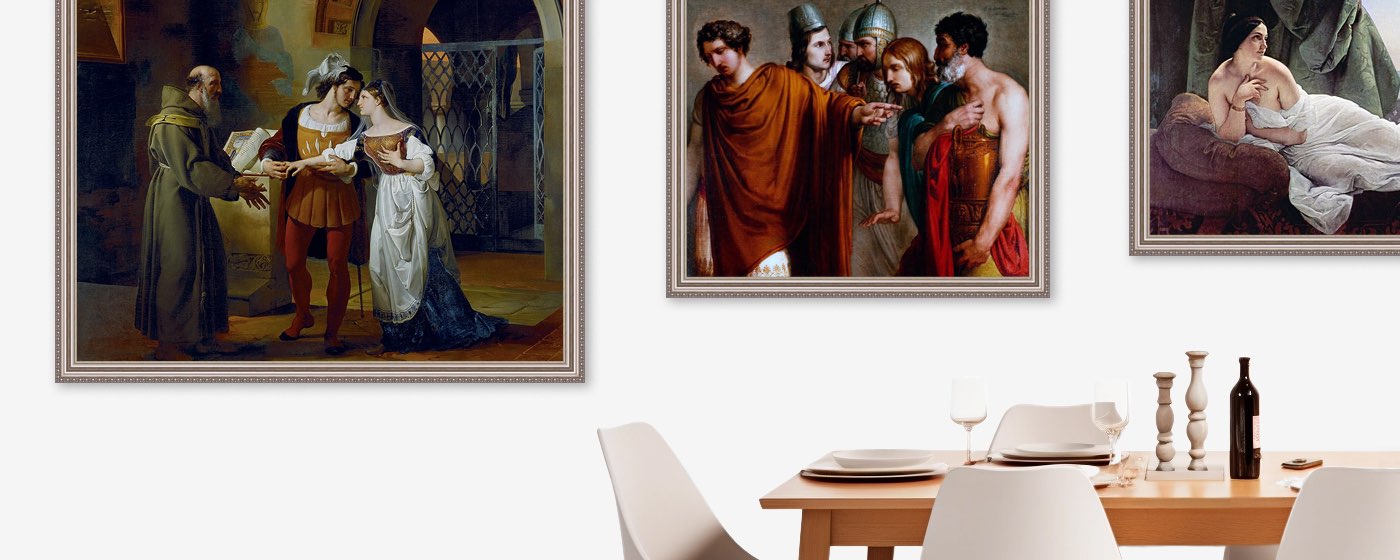
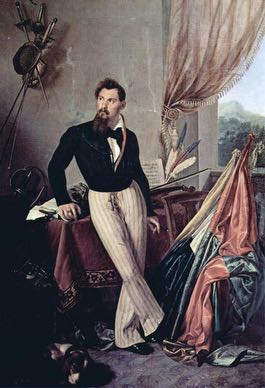
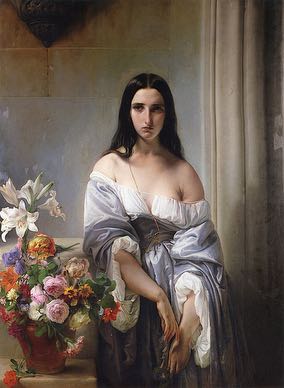
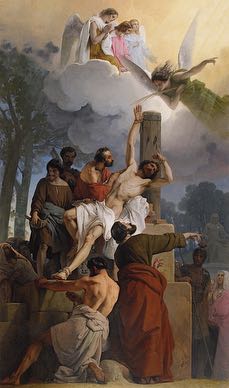
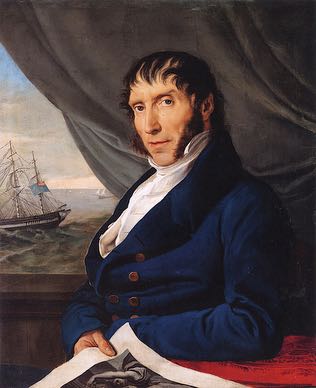
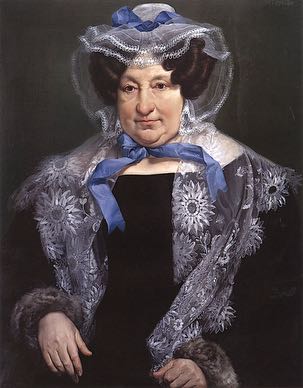
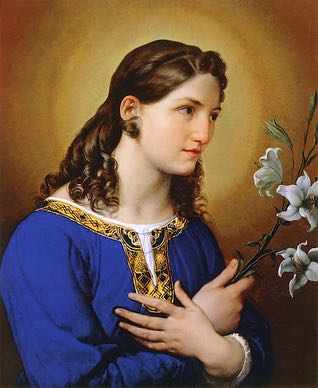
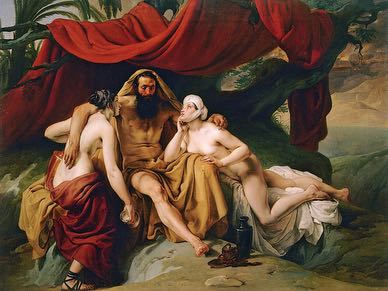
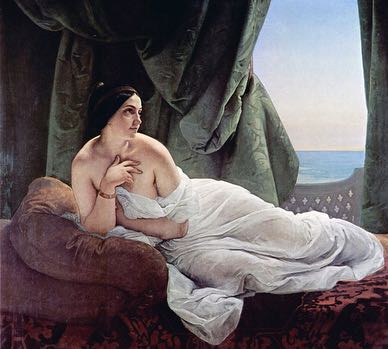
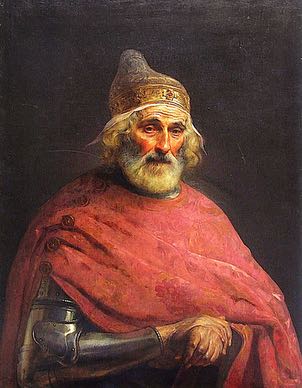
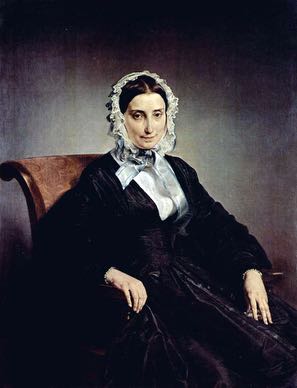
Francesco Hayez was a pivotal figure in 19th-century Italian Romanticism, known for his mastery in historical painting, portraiture, and allegorical works. Born in Venice in 1791 into a modest family, he was fortunate to be raised by a wealthy aunt, which afforded him opportunities in education and art. His early talent led to an apprenticeship with an art restorer, followed by formal studies under Francisco Magiotto. Hayez’s artistic journey continued with his enrollment at the New Academy of Fine Arts, where he trained under Teodoro Matteini, and in 1809, he won a prestigious prize that allowed him to study at the Accademia di San Luca in Rome.
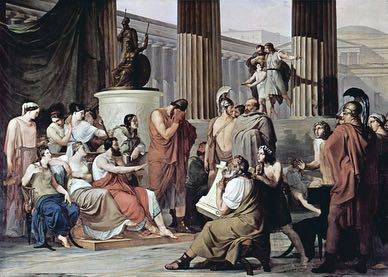
During his time in Rome and later in Naples, where he worked on commissions for King Joachim Murat, Hayez developed his signature Romantic style, which often intertwined historical and biblical themes with a subtle, or sometimes overt, sensuality. His painting “Ulysses at the Court of Alcinous for Murat” in 1814 was one of the key works that demonstrated his ability to blend classical influences with the emotional depth of Romanticism.
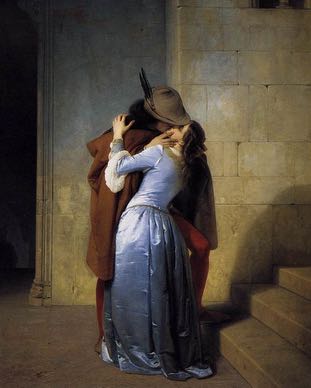
In 1823, Hayez moved to Milan, where he became involved in the city's vibrant intellectual and artistic circles, particularly attending Clara Maffei’s salon. This environment allowed him to further develop his political and allegorical works, which were often imbued with the patriotic spirit of the Risorgimento, the movement for Italian unification. His “The Kiss” (1859) is perhaps his most iconic painting, symbolizing both Italian nationalism and Romantic passion, and it remains one of the most celebrated examples of Italian Romantic art.
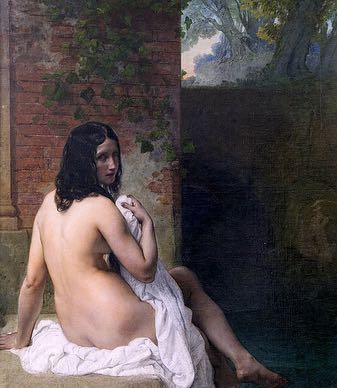
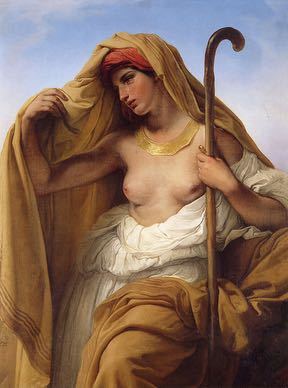
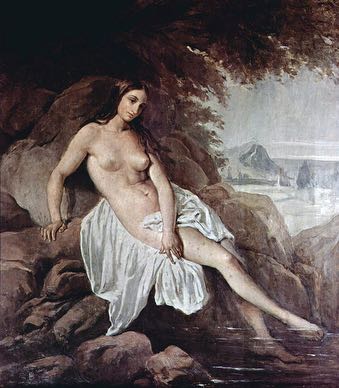
Hayez’s works often explored sensual themes under the guise of religious or historical subjects, as seen in his “Mary Magdalene” and “Susanna at her Bath”, where the supposed penitence or innocence of the subjects is overshadowed by their sensual representation. This use of eroticism, though framed within a literary or historical context, became a hallmark of his style.
Despite his prolific output, assessing Hayez’s body of work is challenging, as he often omitted signatures and dates from his paintings, and frequently produced multiple versions of the same composition with slight variations. His early career showed the influence of French Neoclassicist Jean-Auguste-Dominique Ingres and the Nazarene movement, while his later works reflected a shift towards Classical revivalism.
As the director of the Brera Academy from 1850, Hayez played a significant role in shaping the next generation of Italian artists. His influence extended beyond his lifetime, and his works continue to be appreciated for their technical skill, emotional depth, and contribution to the Romantic movement in Italy.
Copyright © 2026 BrushWiz. All Rights Reserved.