
❄️ Winter Sale. Offer Ends 11/19/2026. View Details
❄️ Winter Sale. Ends 11/19/2026. View Details
❄️ Winter Sale. View Details
Artists
Subjects
Movements
Collections
Decor
Portraits
Commissions
Framing
Reviews
Gift Cards
On Sale
George Inness Oil Painting Reproductions
Shop museum-quality reproductions of George Inness’s most famous paintings, each hand-painted in oil on canvas by a professional artist.
Shop Art

Showing 1-40 of 252 results
Sort By
Most Popular
- Most Popular
- New Arrivals
- Best Sellers
- Alphabetical A-Z
- Alphabetical Z-A


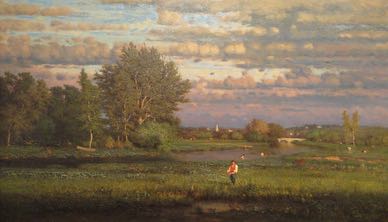
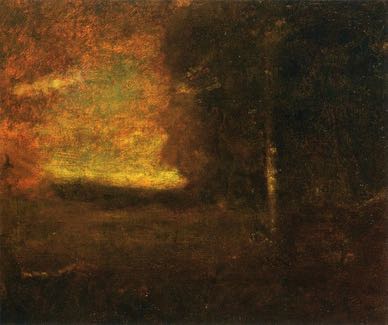
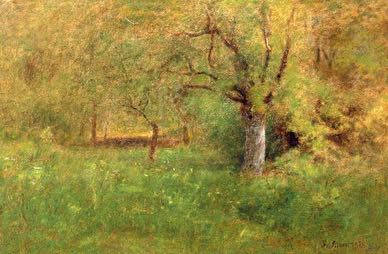
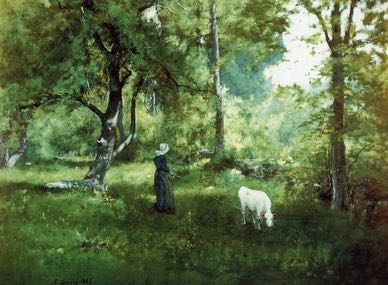
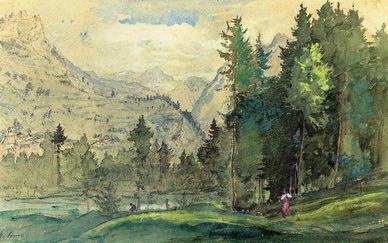
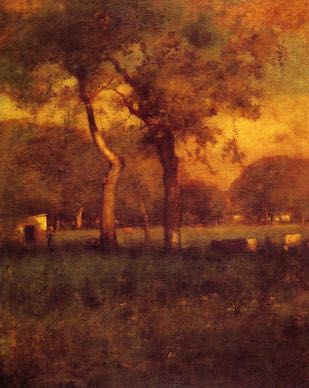
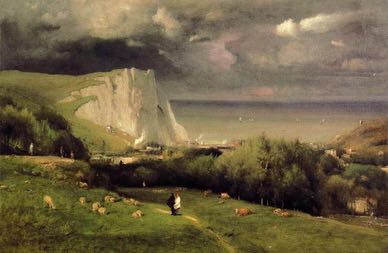
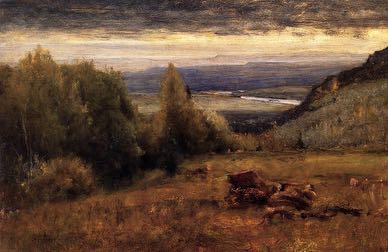

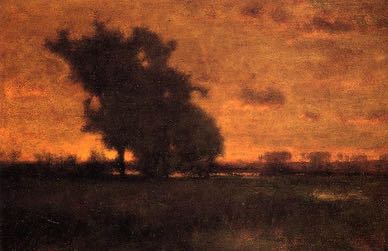
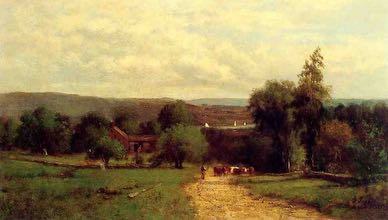
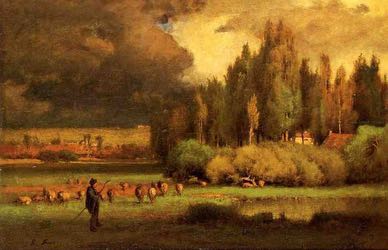
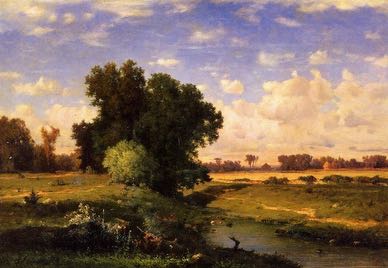
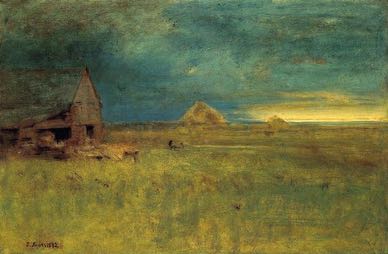
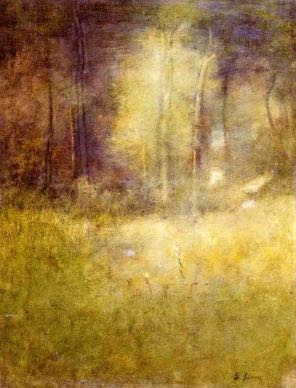
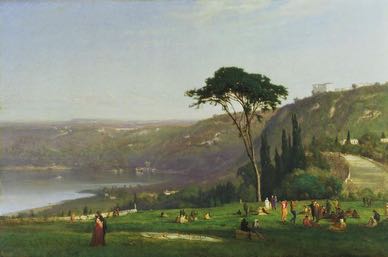
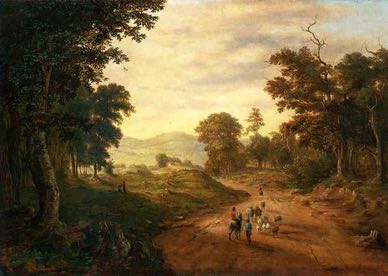
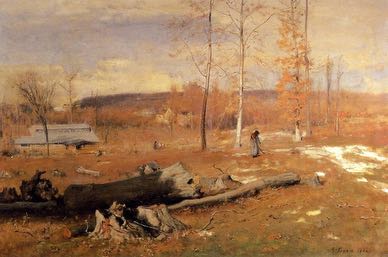

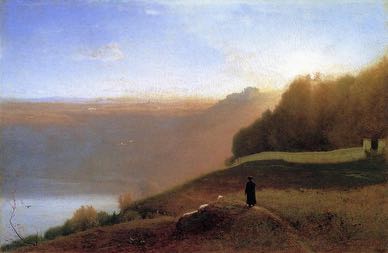
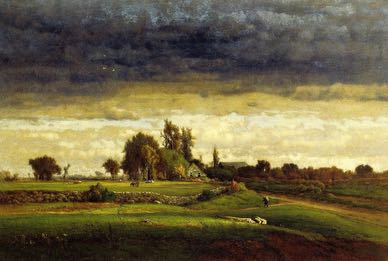
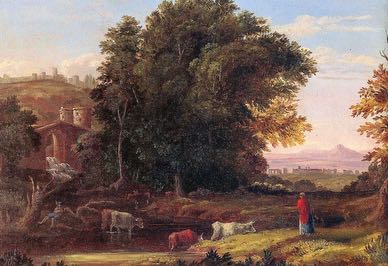
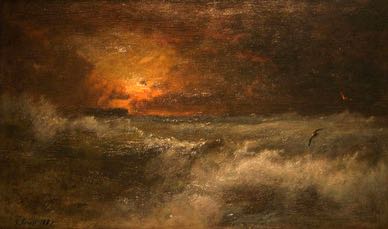
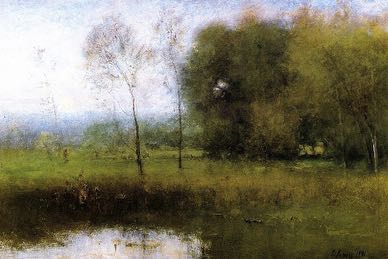
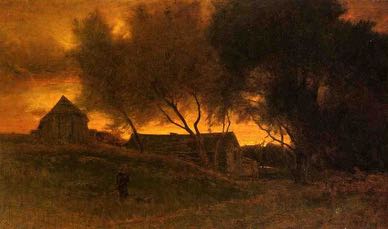
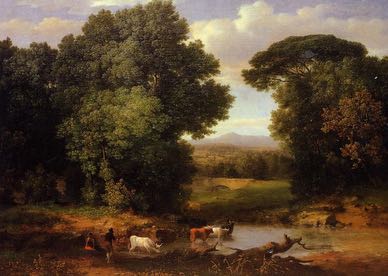
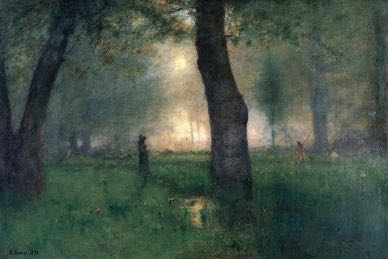
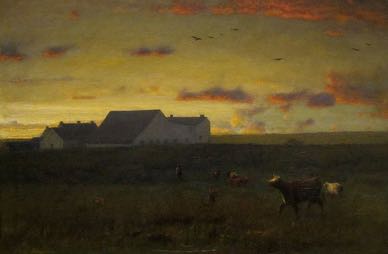
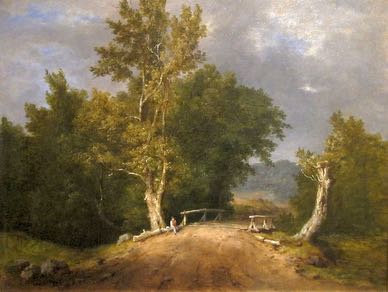
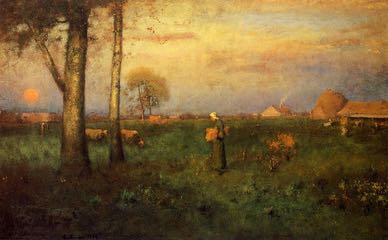
Can’t Find the Painting You Want?
Send us a reference image. We can recreate almost any artwork in the size and style you’re looking for.
Get a Free QuoteHand-Painted George Inness Reproductions
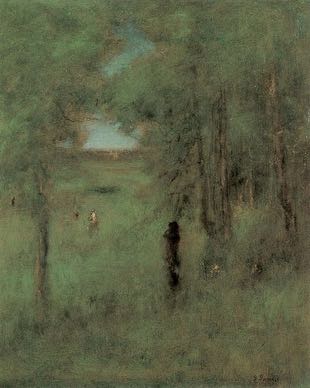
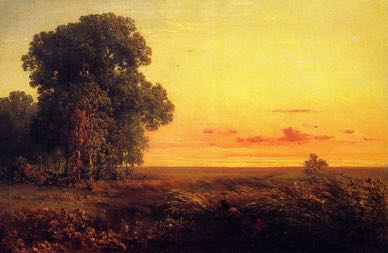
Bring Inness’s art into your home with an oil-on-canvas reproduction hand-painted by a professional artist. Our collection features hundreds of paintings from across his career, including The Lackawanna Valley, The Coming Storm, and Sunrise. Discover misty woodlands, glowing sunsets, cultivated fields, approaching storms, and other subjects associated with Inness. Every reproduction in the BrushWiz collection is a real oil painting, offering depth and texture that a print or digital transfer cannot provide. From celebrated works to less familiar compositions, find an Inness painting that suits your space.
The Making of a George Inness Oil Painting Replica
Creating a George Inness oil painting replica requires patience, precision, and an understanding of the original artwork. Our studio includes artists who specialize in Tonalist landscape painting and understand the distinctive qualities of Inness’s work. The artist begins by studying the source image, then recreates its muted harmonies, softened forms, veiled atmosphere, and Inness’s ability to turn changing weather into emotional light using traditional oil-painting methods. After completion, the painting is inspected by our quality-control team and photographed for your approval. The result is a carefully executed oil painting that reflects the visual character of the original.
Custom Sizes and Frames for Your Inness Painting
Your Inness painting can be ordered in practically any size, from popular standard dimensions to custom canvas sizes selected directly on the product page. This flexibility lets you choose a painting that fits your wall and complements your room perfectly. After selecting the size, you can choose from high-quality frames in classic or modern designs, with professional canvas stretching also available. Our framing options complement the tonal harmonies and atmospheric depth of Inness’s paintings. With sizing, stretching, and framing arranged in one order, your artwork can arrive ready for display without a separate visit to a frame shop.
Order a George Inness Reproduction with Confidence
Buying hand-painted art online should feel clear and comfortable. After your George Inness reproduction is completed, we send high-resolution photographs for your review before shipping. You can inspect the composition, colors, details, and overall finish, then request adjustments if needed. The painting is dispatched only after you approve it, so you know what to expect when it arrives. Your order also includes free express worldwide shipping and is covered by our 90-day return policy. Together, these assurances help you purchase an Inness oil painting with greater confidence and peace of mind.
The Life and Art of George Inness
George Inness was an American landscape painter who moved beyond detailed wilderness views to create deeply felt images of weather, light, cultivated land, and spiritual presence. Born in Newburgh, New York, in 1825, he received little formal training but studied old-master prints, Hudson River School landscapes, Dutch painting, and the French Barbizon artists. His mature work used softened forms, layered color, and suggestive atmosphere to awaken emotion rather than record a place exactly. Inness’s commitment to the writings of Emanuel Swedenborg shaped his belief that visible nature could reveal an unseen order. Often associated with Tonalism, he became one of nineteenth-century America’s most original and influential landscape painters.
Read More
How Did George Inness Find His Way to Landscape Painting?
George Inness was born on 1 May 1825 in Newburgh, New York, and grew up mainly in Newark, New Jersey. Poor health interrupted his schooling and remained a concern throughout his life. His artistic education was equally irregular, consisting of brief instruction rather than a sustained academic program.
He studied for a short time with the traveling painter John Jesse Barker and later apprenticed at the map-engraving firm Sherman & Smith in New York. Engraving trained him to read a composition through lines, masses, and changes of tone. Reproductions also gave him access to European landscapes he could not yet see in person.
After additional lessons from the French-born landscape painter Régis François Gignoux, Inness exhibited at the National Academy of Design in 1844 and opened a New York studio in 1846. He was largely self-taught, but not isolated. Exhibitions, prints, artists’ studios, and steady looking formed an education he continued for the rest of his career.
What Did Earlier Landscape Traditions Offer Him?
Inness studied prints after Claude Lorrain and Salvator Rosa, whose paintings organized trees, water, architecture, and distant light into expansive pictorial worlds. Their example taught him that landscape could be carefully composed without becoming stiff or losing its sense of natural breadth.
He also looked closely at Thomas Cole and Asher Brown Durand, leading figures of the Hudson River School. Cole offered ambition and moral scale, while Durand brought an intimate attention to woods, rocks, and trees. Inness’s early paintings share their clear distances and recognizable American scenery.
Even then, exact description was not his final goal. He rearranged natural elements to strengthen rhythm and mood, treating a landscape as a construction rather than a transcript. That freedom would eventually separate his work from the more detailed wilderness imagery commonly associated with the Hudson River School.
Why Did European Travel Redirect His Style?
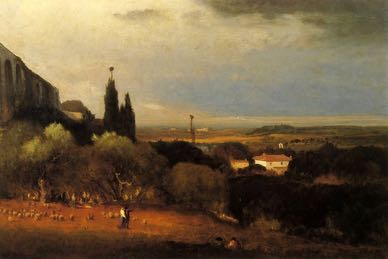
Inness first traveled to Europe in 1851, visiting Rome and Florence. A Bit of Roman Aqueduct reflects his study of Claude Lorrain through its framing trees, classical ruin, open distance, and warm Italian light. The journey strengthened his grasp of traditional landscape design.
On his return through Paris, Inness encountered paintings by the Barbizon artists, including Théodore Rousseau. Their loose handling, earthy color, modest rural subjects, and emotional weather offered an alternative to polished panoramic scenery. A second European trip in 1853 also took him to London and Amsterdam, where Dutch landscapes deepened his interest in ordinary, unnamed places.
Inness did not simply exchange an American style for a French one. He combined the structure of old-master landscape, Hudson River School experience, Barbizon atmosphere, and Dutch tonal unity. The result developed slowly as he tested how much detail a scene needed and how freely paint could suggest what the eye perceives.
How Does The Lackawanna Valley Hold Nature and Industry Together?
In 1855, the Delaware, Lackawanna and Western Railroad commissioned Inness to paint its new facilities at Scranton, Pennsylvania. The Lackawanna Valley places a roundhouse, tracks, smoke, and an approaching train within a broad green valley bordered by mountains.
The company wanted an image of progress, but the painting is not a simple advertisement. Freshly cut stumps occupy the foreground around a reclining figure, making the cost of development impossible to overlook. Industry and beauty coexist, yet the relationship between them remains uneasy.
Inness often described his subject as the “civilized landscape.” Farms, roads, villages, fences, workers, and railways showed land shaped by human use rather than untouched wilderness. In The Lackawanna Valley, that shaping appears both productive and destructive, allowing a commissioned view to become one of the most debated American landscapes of its century.
In What Ways Did Swedenborgian Thought Change His Art?
During his first Italian journey, Inness encountered the writings of Emanuel Swedenborg, an eighteenth-century scientist, theologian, and mystic. Swedenborg taught that material and spiritual reality corresponded with one another. For Inness, nature could therefore be both visibly present and a sign of something that could not be seen directly.
He and his wife, Elizabeth Hart Inness, formally joined the New Church in 1868, but the ideas had entered his thinking much earlier. Inness wrote about correspondences between color and spiritual meaning and argued that a painting should awaken emotion rather than merely display accurate information.
This belief did not turn every landscape into a coded religious illustration. More often, it guided the way he joined separate elements into a living whole. A tree, cloud, figure, road, and shaft of light could remain ordinary things while also suggesting a deeper unity beneath their changing appearances.
What Did the Civil War Years Bring into His Landscapes?
Inness moved to Medfield, Massachusetts, in 1860, seeking a healthier rural setting. When the Civil War began, he tried to enlist but failed the physical examination. An ardent abolitionist, he instead spoke at rallies, helped raise volunteers and money, and responded to the conflict through allegorical landscape.
Peace and Plenty of 1865 shows workers gathering an abundant wheat harvest beneath a burst of sunlight. Painted as the war ended, it has often been understood as an image of national renewal. Its original owners, Marcus and Rebecca Spring, were social reformers whose Eagleswood community sought cooperation across social divisions.
Inness also made a three-part religious series called The Triumph of the Cross. Only The Valley of the Shadow of Death survives intact. Its difficult passage from barren darkness toward distant illumination gave spiritual struggle the form of a journey through landscape.
Where Did Italy and New England Take His Painting Next?
Inness and his family lived in Europe from 1870 to 1874, spending much of that period in Rome. The broad Campagna, old roads, umbrella pines, ruins, and distant hills gave him motifs already charged with artistic memory. He painted them with alternating clarity and looseness rather than settle into one fixed manner.
Pine Grove of the Barberini Villa, completed after his return, uses powerful trunks and layered foliage to divide a luminous Italian distance. The composition is disciplined, yet thin color and softened passages prevent the scene from feeling rigid.
Back in New England, autumn woods, changing skies, meadows, and inclement weather drew his attention. The Coming Storm makes darkening cloud and wind-filled light the real subject. These works prepared the more fluid, enveloping landscapes of his final years.
Why Did the Montclair Landscapes Grow Softer and More Suggestive?
Inness began renting an estate in Montclair, New Jersey, in 1878 and settled there permanently in 1885. He continued to keep a New York studio and traveled widely, but Montclair became the place most closely linked with his late work. Familiar fields, roads, trees, and ponds offered subjects he could revisit in changing conditions.
Place names appear in many titles, yet these paintings are rarely exact maps. Inness moved trees, lowered horizons, joined observations from different moments, and revised repeatedly in the studio. Forms dissolve at the edges while glazes, scumbles, and dragged strokes create air that seems to pass through the entire scene.
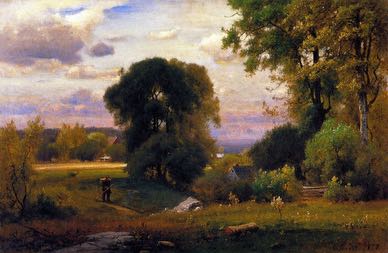
Small human figures often provide the clearest point of focus. A worker crossing a field or a traveler on a road gives the eye a destination before atmosphere begins to blur certainty. In Spring Blossoms, flowering trees, soft ground, and scattered figures feel remembered and observed at once.
Which Paintings Trace Inness’s Changing Vision?
Inness returned to landscape throughout a career of fifty years, continually changing how he balanced structure, atmosphere, human presence, and spiritual suggestion. These paintings follow that development from early public commission to the increasingly unified art of his final decade:
- The Lackawanna Valley, circa 1855–1856: A railroad, industrial buildings, and scarred foreground complicate the beauty of a cultivated American valley.
- Delaware Water Gap, 1861: Rich glazes and expressive handling show Barbizon influence reshaping an American view.
- Peace and Plenty, 1865: A radiant harvest offers a layered image of labor, hope, and renewal at the Civil War’s end.
- Pine Grove of the Barberini Villa, 1876: Monumental trees order an Italian landscape held together by delicate atmosphere.
- The Coming Storm, 1878: Dark cloud, low light, and exposed land turn approaching weather into emotional drama.
- Sunrise, 1887: Glowing light emerges through deeply colored atmosphere, making the familiar countryside feel visionary.
- Spring Blossoms, circa 1891: Softened trees and figures hold the freshness of spring within a carefully revised surface.
- The Home of the Heron, 1893: Florida pines, marsh, and evening color approach abstraction without losing their sense of place.
What Makes Inness’s Late Landscapes Still Feel Modern?
During his last decade, Inness worked with remarkable energy. He traveled to Niagara Falls, the Adirondacks, Virginia, Georgia, California, Canada, and England, while winter visits to Tarpon Springs introduced the tall Florida pines and flat wetlands that appear in some of his boldest late paintings.
The surfaces grew freer, but they were never casual. Inness might scrape down a passage, glaze over it, redraw with charcoal, and add fresh strokes until separate objects belonged to one atmosphere. Clarity and obscurity work together: a tree can anchor the scene while everything around it seems to shift with light, weather, and memory.
Inness died at Bridge of Allan in Scotland on 3 August 1894 while traveling with his son. By then, he was widely regarded as one of America’s leading landscape painters. His tonal unity influenced younger artists, but his achievement remains difficult to reduce to Tonalism alone. Across more than a thousand works, he made landscape an encounter between visible nature, human feeling, and the possibility of an unseen order.
Copyright © 2026 BrushWiz. All Rights Reserved.
About Our George Inness Paintings
Are your George Inness reproductions painted by hand?
Yes. Every reproduction is individually painted by hand in oil on canvas by a professional artist. We do not use prints, digital transfers, or mechanical reproduction methods.
How closely do your Inness copies resemble the original?
Our artists work to capture the composition, colors, atmosphere, details, and visual character of the original Inness painting as closely as possible. Because every reproduction is painted by hand, small variations are natural and make each canvas unique.
How long does an Inness reproduction take to complete?
Most Inness reproductions require approximately two to three weeks to paint, dry, and inspect. Production time may vary depending on the artwork and canvas size, so check the estimate displayed on the product page.
Can I request an Inness painting that is not listed?
Yes. If you cannot find the George Inness artwork you want in our catalog, send us the painting’s title or an image. Our team will review your request and confirm the available sizes, estimated production time, and price.
Will I receive approval photos before shipping?
Yes. We send high-resolution photographs of the completed painting for your approval. You can request adjustments if needed, and the painting will not be dispatched until the review process is complete.
Are custom canvas sizes available for Inness paintings?
Yes. We offer custom dimensions in addition to the standard sizes shown on the product page. Select the dimensions you need directly from the available size options.
May I order my Inness painting with a frame?
Yes. High-quality frames in classic and modern designs are available for many paintings. You can view compatible framing options and add your preferred design from the product page. Professional canvas stretching is also available.
What determines the price of an Inness reproduction?
The price depends on the selected artwork, canvas dimensions, and framing option. Choose your preferred configuration on the product page to see the current price before ordering.
Is free express worldwide shipping included?
Yes. George Inness reproductions qualify for free express worldwide shipping. After dispatch, delivery usually takes five to eight business days, although timing may vary by country and destination.
Which return policy covers George Inness reproductions?
Orders are covered by our 90-day return policy. Review the current return-policy page before ordering for complete information about eligibility, time limits, and the return process.
Why BrushWiz?
100% Hand Painted
Every piece is entirely handmade
Museum Quality
Faithfully recreated by expert artists
Custom Framing
Choose from a wide range of frames
Free Shipping
Enjoy free shipping on all orders
Cash Back Rewards
Earn cash back with every purchase