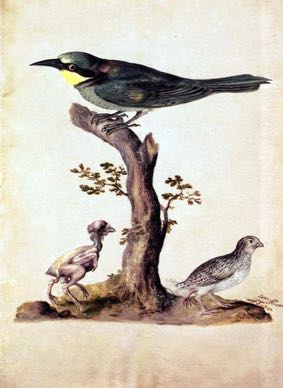
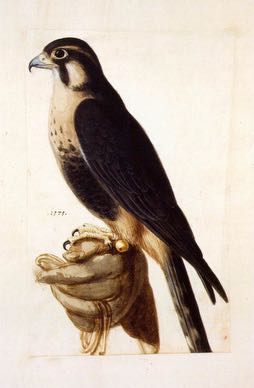
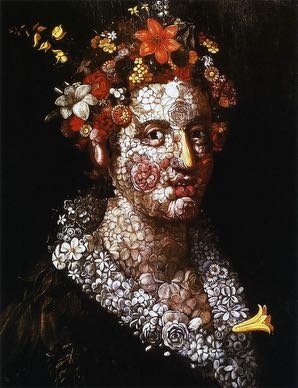
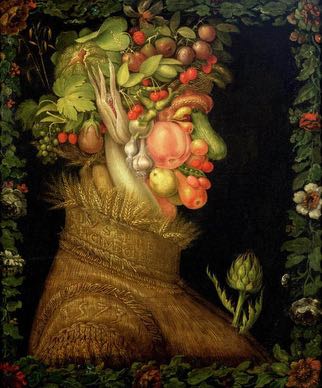
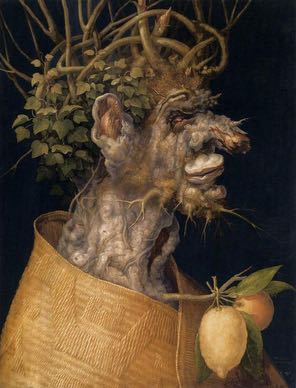
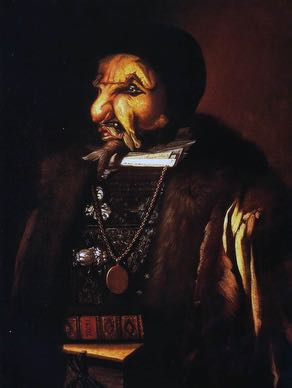
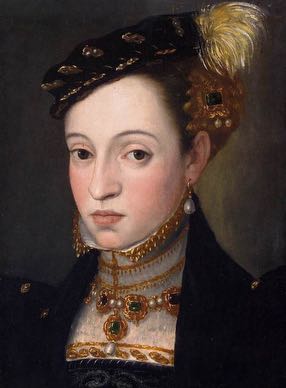
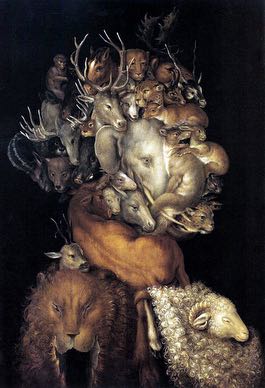
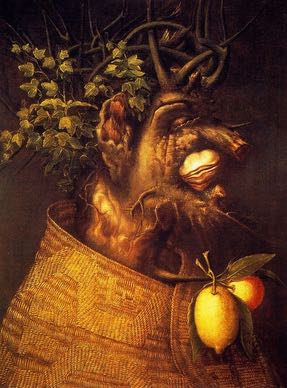
Born in Milan around 1527 to a family of artists—his father, Biagio Arcimboldo, was a stained-glass artist—Giuseppe began his artistic career by designing stained glass windows and frescoes for local churches. His talent caught the attention of the Habsburg court, and by 1562, he was appointed court portraitist to Emperor Ferdinand I in Vienna. He later worked as the chief court decorator and designer for Maximilian II and his son, Rudolf II, in Prague, where his fantastical portraits became popular among European elites.
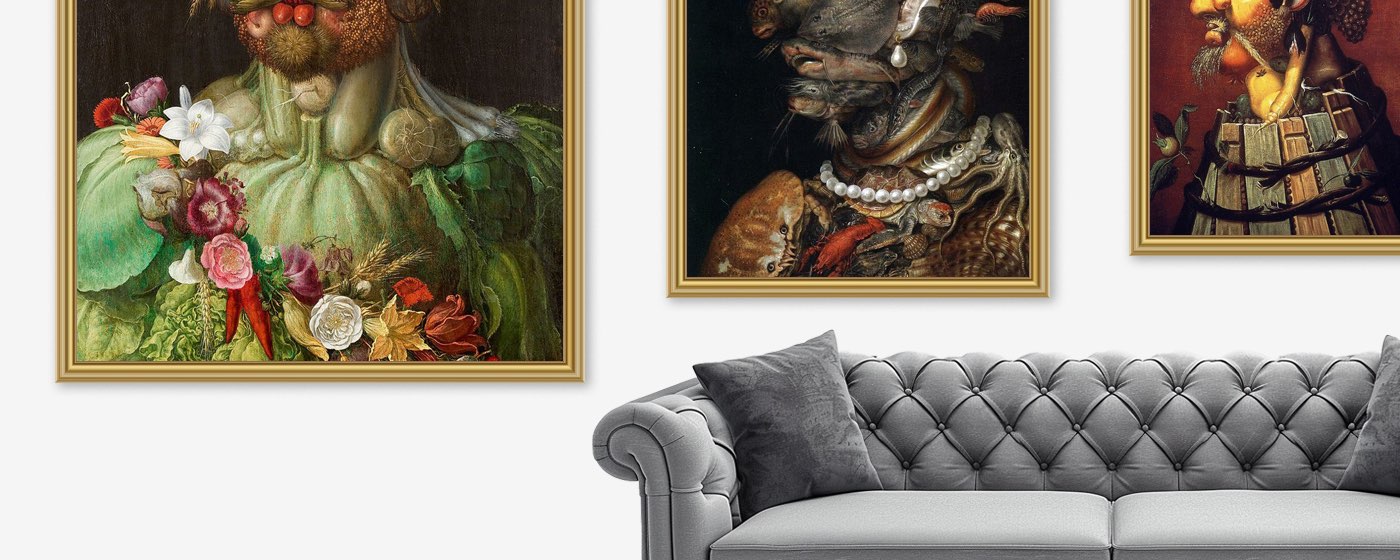
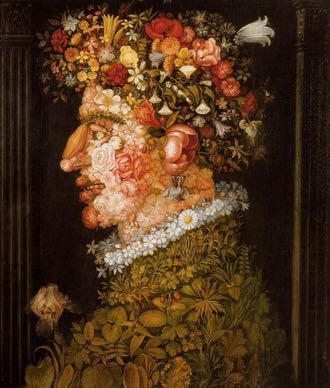
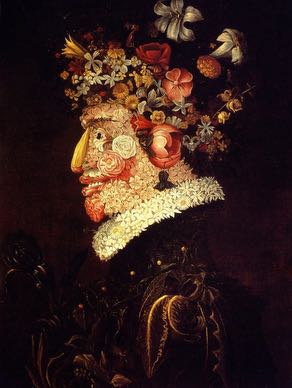
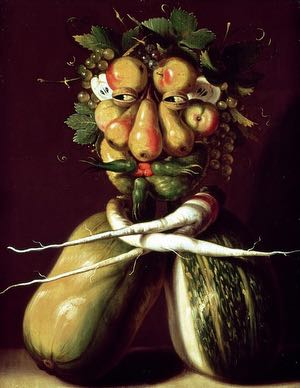
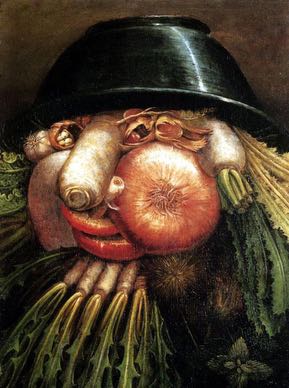
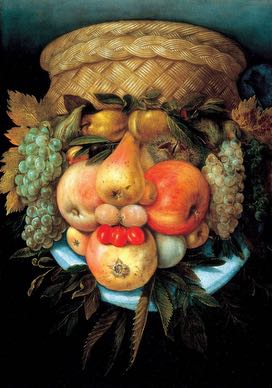
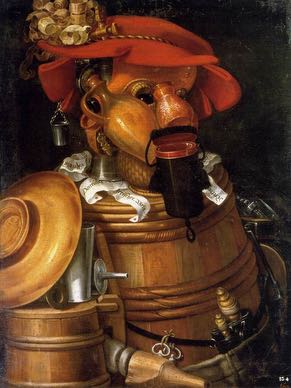
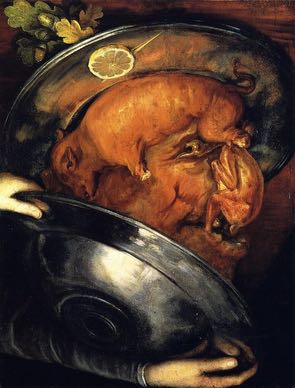
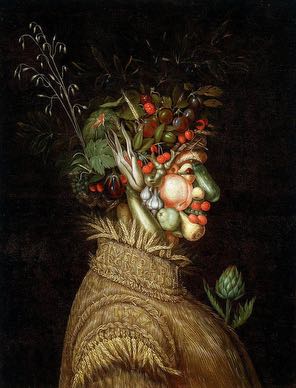
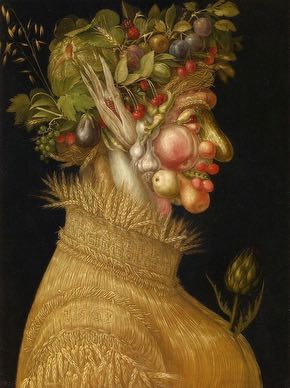
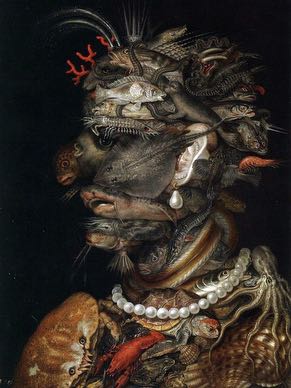
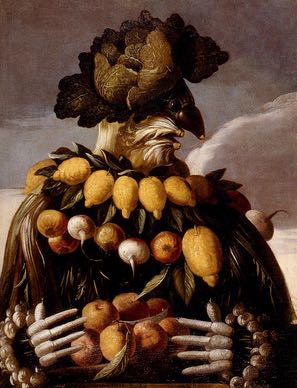
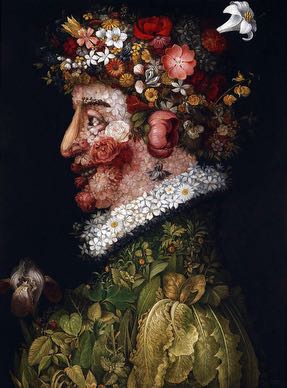
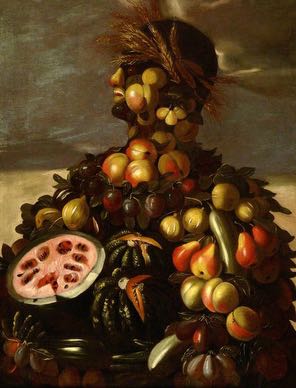
Arcimboldo's most famous works include “Vertumnus”, a portrait of Rudolf II composed entirely of fruits and vegetables, and the “Four Seasons” series, which exemplifies his mastery of using natural objects to create allegorical images. These portraits, while humorous and satirical, also carried deeper symbolic meanings, reflecting the Renaissance fascination with the natural world and the blending of science and art.
Despite the popularity of his fantastical portraits during his lifetime, Arcimboldo's work faded into obscurity after his death in 1593. It wasn't until the early 20th century, with the rise of Surrealism and anti-art movements like Dada, that his art was rediscovered and celebrated. Artists like Salvador Dalí and René Magritte admired his work, recognizing his inventive approach to portraiture as a precursor to their own explorations of the irrational and the bizarre.
Arcimboldo's unconventional and eccentric portraits sparked debates among art critics. Some interpreted his work as whimsical and playful, while others speculated about his mental state, attributing his bizarre creations to a deranged mind. However, most scholars today view Arcimboldo as a highly intelligent artist who played with Renaissance themes of puzzles, allegories, and visual riddles, embedding his works with layers of meaning beyond their surface strangeness.
Though he also produced more traditional religious and conventional works, it is his surreal portraits that have cemented Arcimboldo’s status in the annals of art history. His legacy was revived in the 1920s, and today, he is recognized as a visionary who anticipated modern movements and pushed the boundaries of Renaissance art.
Copyright © 2026 BrushWiz. All Rights Reserved.