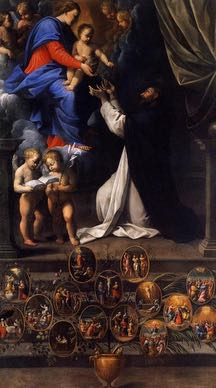
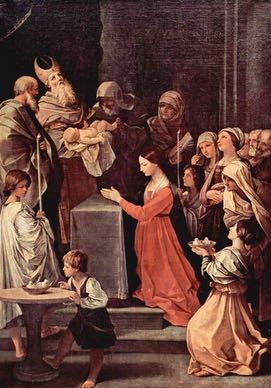
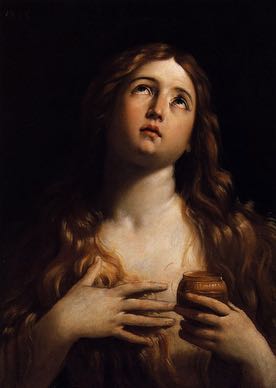
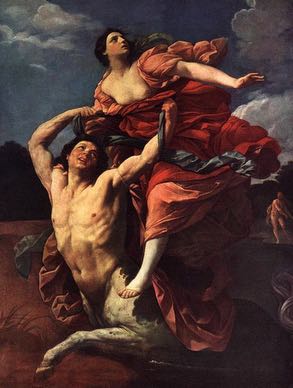
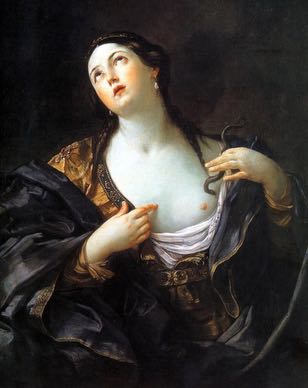
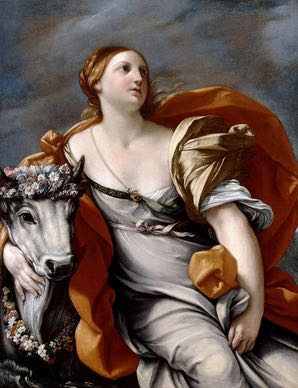
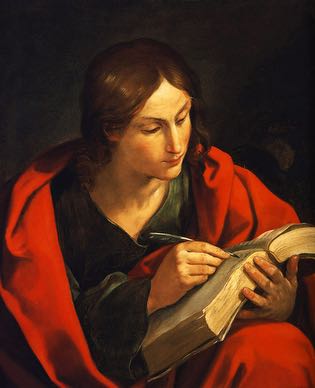
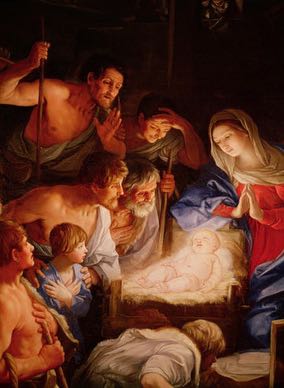
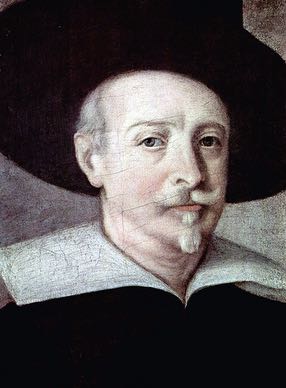
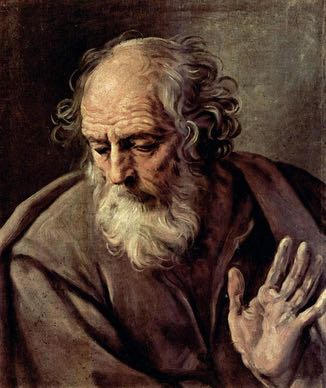
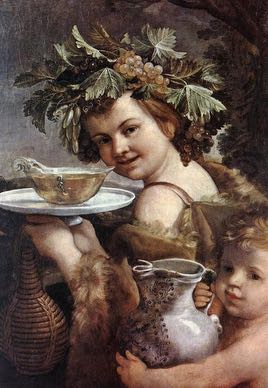
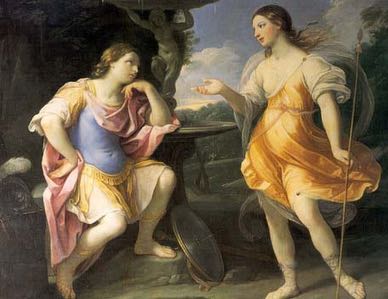
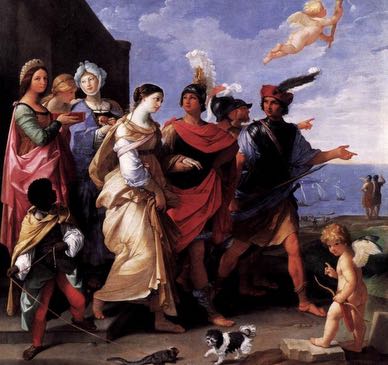
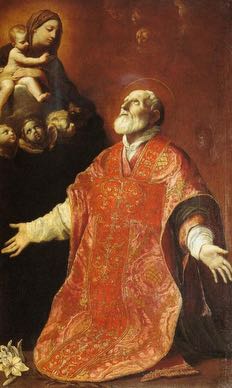
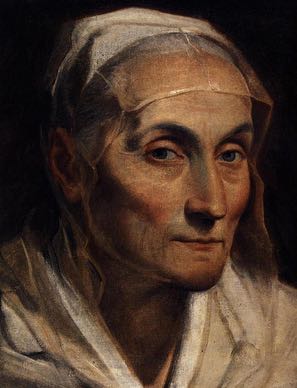
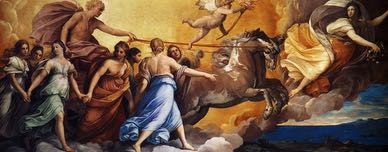
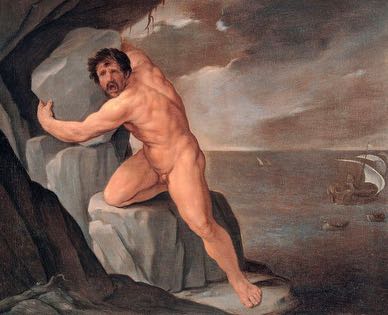
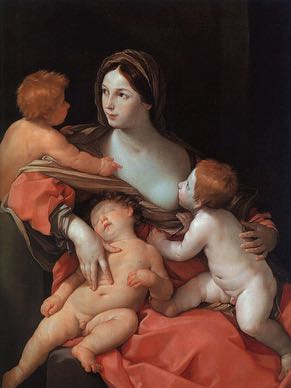
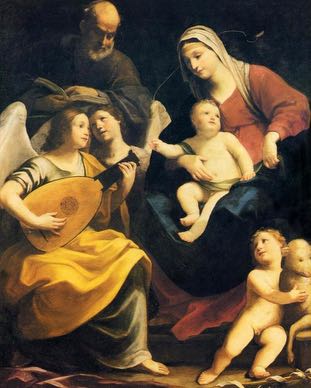
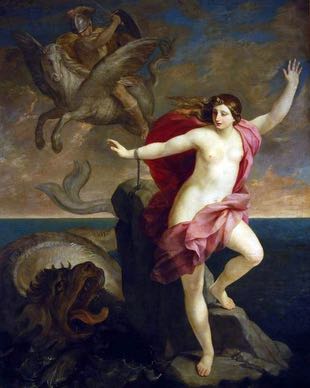
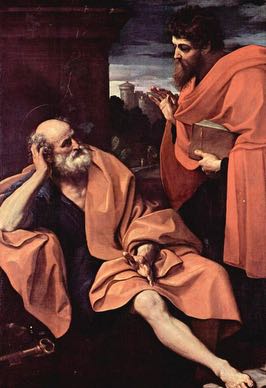
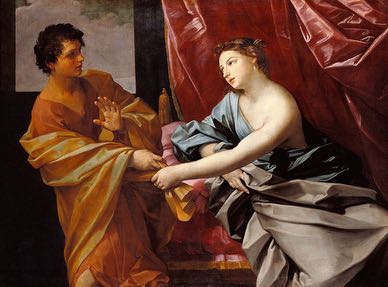
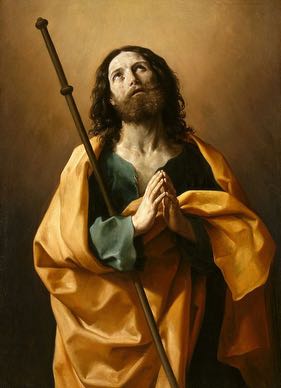
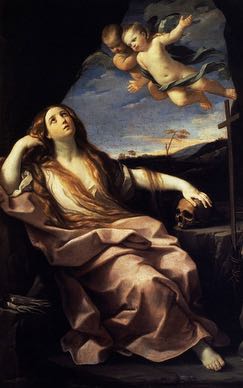
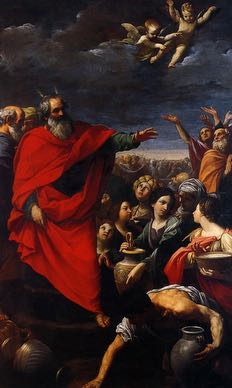
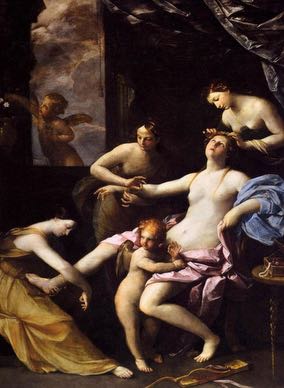
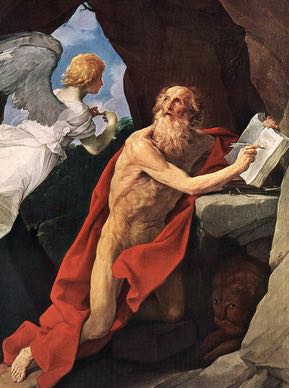
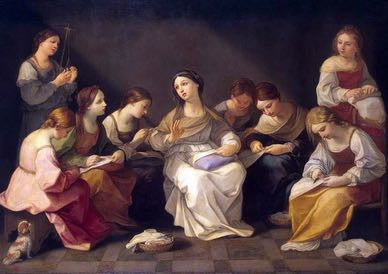
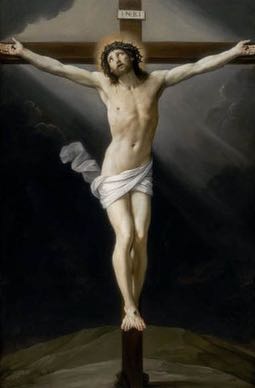
In 1601, Reni moved to Rome and briefly worked alongside Annibale Carracci, assisting with the frescoes at the Farnese Palace. While Reni's ambition and burgeoning style clashed with Carracci's, his time in Rome exposed him to the dramatic chiaroscuro of Caravaggio, whose powerful use of light and shadow influenced Reni’s early work. However, Reni’s interpretation of Baroque was more refined and lyrical, emphasizing grace and transcendence, which set him apart from the heavier, more intense works of Caravaggio.
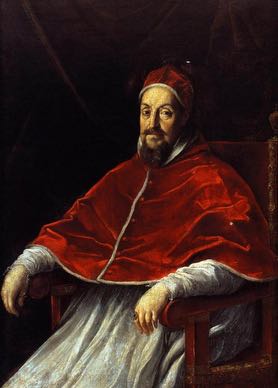
Reni’s career flourished as he received numerous commissions for religious and mythological works from influential patrons, including Cardinal Paolo Emilio Sfondrati and the powerful Borghese family. He became one of the principal painters for Pope Paul V, creating frescoes and altarpieces for churches across Rome. Despite his success, Reni grew dissatisfied with the financial compensation he received and eventually returned to Bologna, where he established a successful studio.
In his later years, Reni continued to secure high-profile commissions, including a trip to Naples to fresco the chapel of San Gennaro. However, local jealousy among artists forced him to leave due to concerns for his safety. Back in Bologna, Reni's studio became one of the most prominent in Italy, producing numerous students, including Simone Cantarini and Francesco Gessi. His works were widely sought after, and in 1625, Prince Władysław Sigismund Vasa of Poland visited Reni’s studio, acquiring many of his paintings.
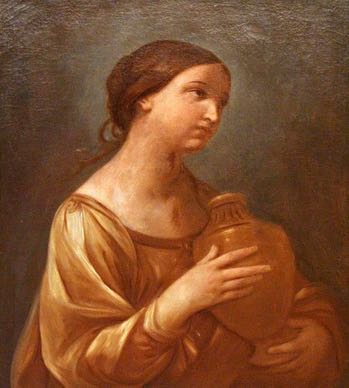
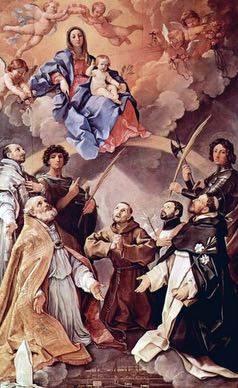
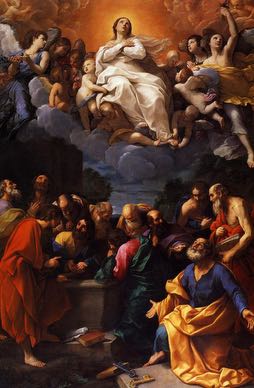
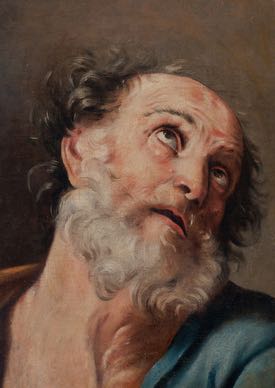
Reni’s artistic legacy lies in his delicate balance of naturalism and idealism, his use of soft light, and his ability to capture sublime emotions in his subjects. His serene, ethereal depictions of religious figures, such as his iconic “St. Michael” and “The Assumption of the Virgin”, solidified his reputation as one of the leading painters of the Baroque period. His influence extended beyond his lifetime, as his techniques were widely imitated by the Bolognese school, particularly in printmaking.
Guido Reni died in 1642 in Bologna and was buried in the Rosary Chapel of the Basilica of San Domenico, alongside the renowned Baroque painter Elisabetta Sirani. His work remains a cornerstone of Baroque art, celebrated for its graceful elegance and emotional resonance.
Copyright © 2026 BrushWiz. All Rights Reserved.