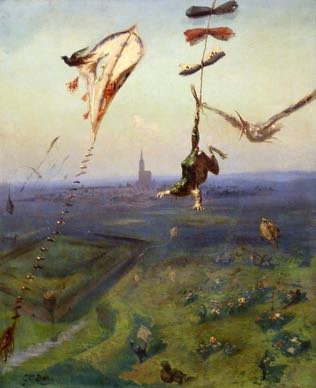
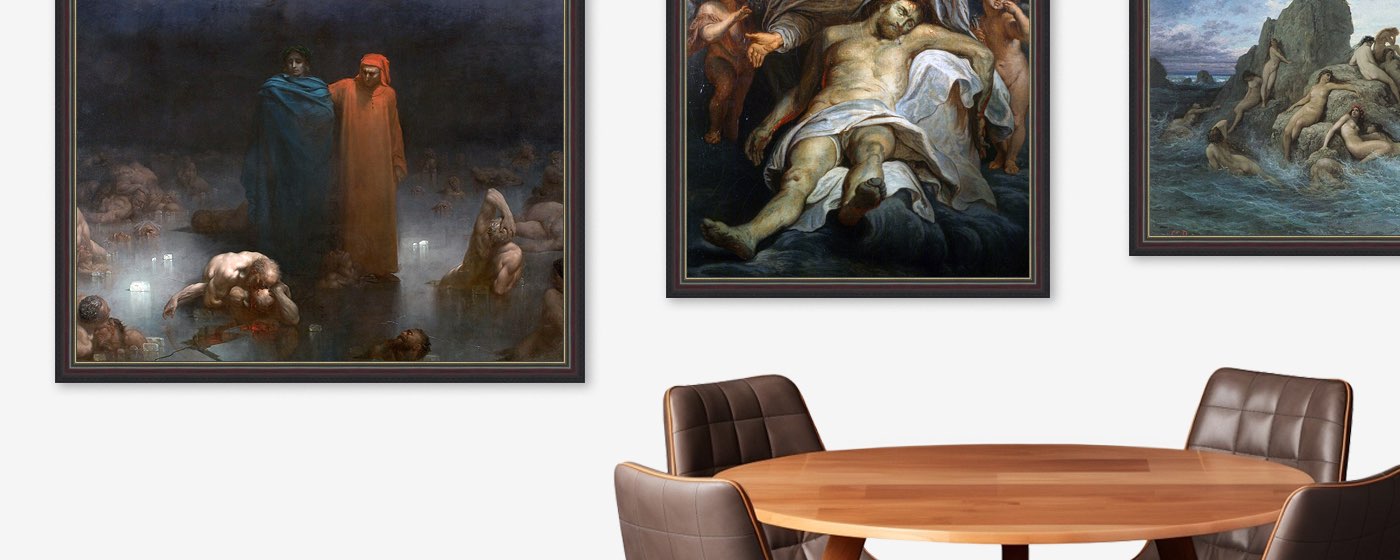
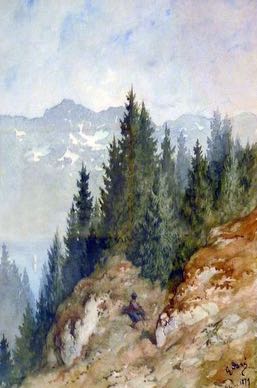
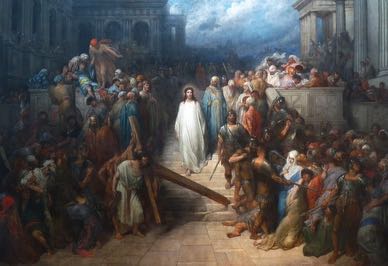
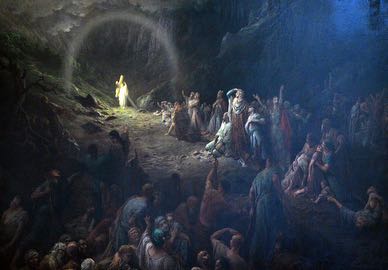
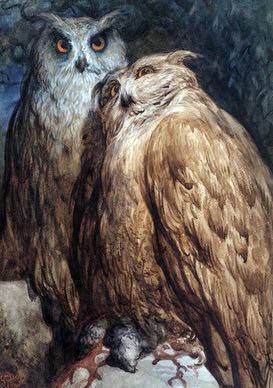
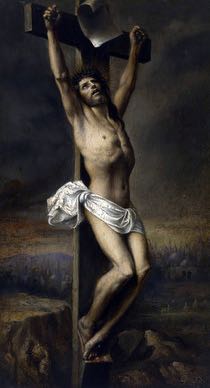
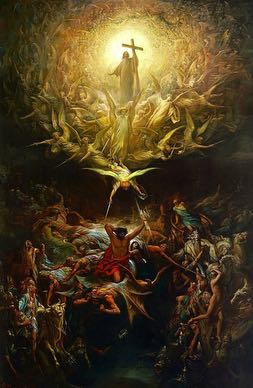
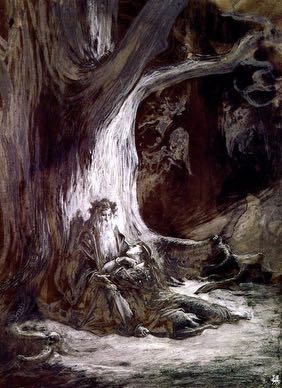
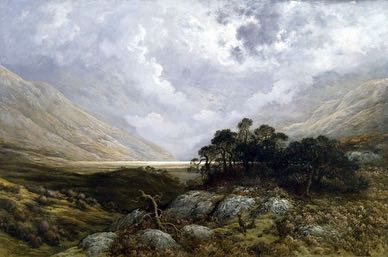
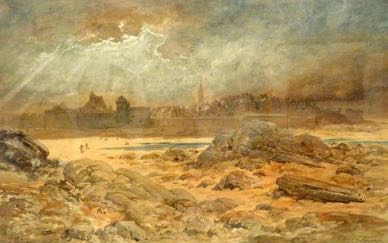
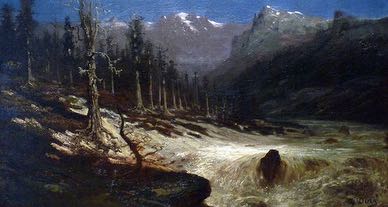
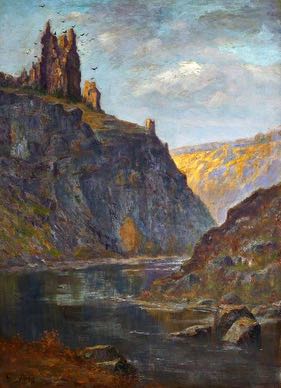
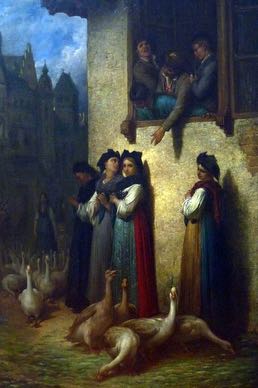
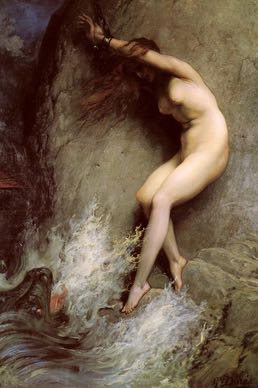
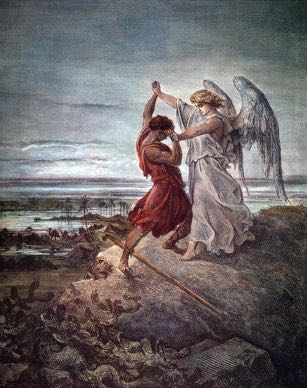
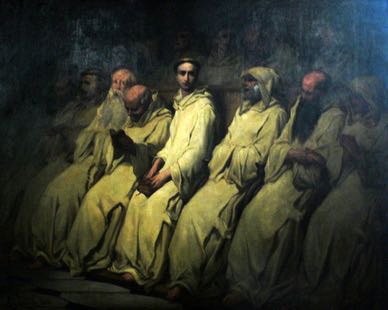
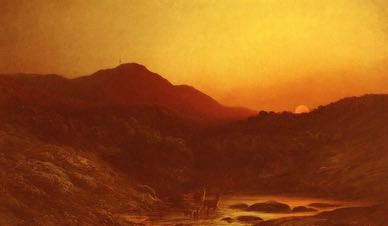
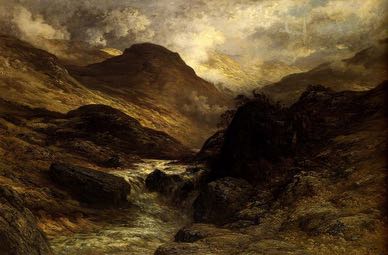
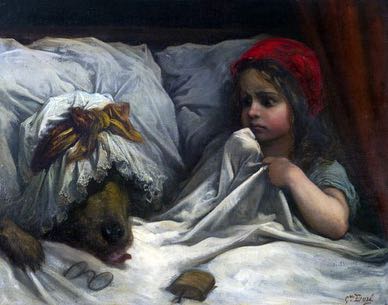
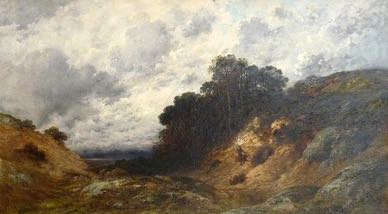
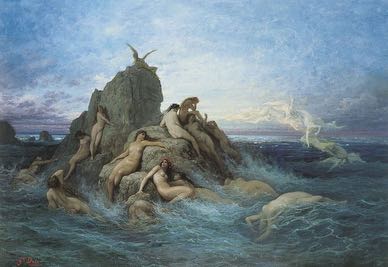
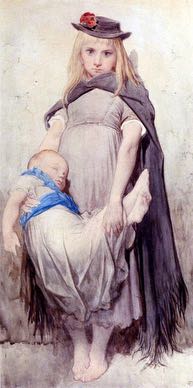
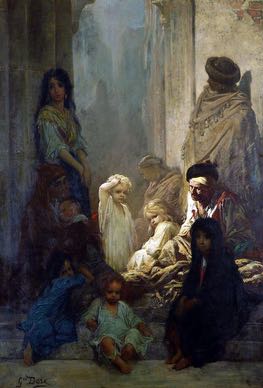
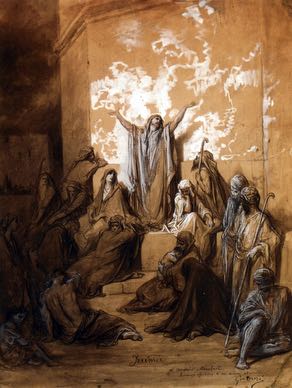
Born in Strasbourg in 1832, Dore demonstrated extraordinary artistic skill from an early age. By the time he was 15, his illustrations had already been published, drawing widespread attention. His early work in engraving also showcased his versatility, earning him praise and opening doors to commissions for illustrating works by prominent authors such as Dante, Rabelais, Milton, and Balzac. Dore's illustrations of Lord Byron’s writings further cemented his reputation in Britain, leading to numerous commissions from British publishers, including his famous illustrations for the English Bible. His popularity in London eventually resulted in the establishment of the Dore Gallery, where his works were exhibited.
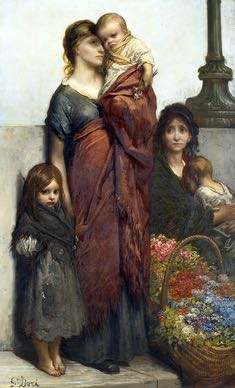
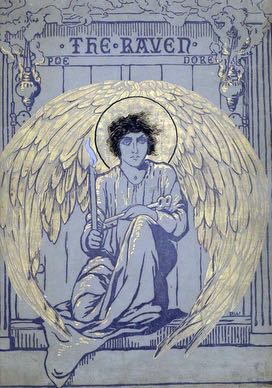
Dore's work reached new heights with his visual interpretations of literary classics, including his illustrations for “Don Quixote” by Cervantes and Edgar Allan Poe's “The Raven”. In 1869, Blanchard Jerrold proposed a collaboration, leading to the creation of “London: A Pilgrimage”, a series of 180 engravings depicting the city's social landscape. While the work was commercially successful, it faced criticism for its focus on the poverty-stricken areas of London, which some contemporaries found unsettling.
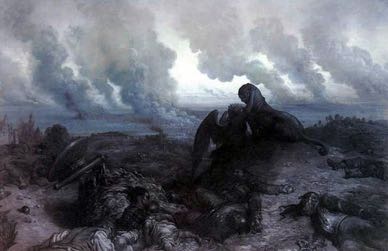
Throughout his life, Dore continued illustrating works by major literary figures, including Coleridge, Milton, and Tennyson. His illustrations are widely admired for their imaginative qualities, often blending elements of popular culture with classical themes. Despite his success in painting, Dore’s true genius is best remembered through his woodcuts and engravings, which possess a poetic and visionary quality.
Dore passed away in Paris in 1883, leaving behind a legacy that continues to influence and inspire the world of illustration and visual storytelling. His work remains a hallmark of artistic creativity, particularly in his masterful blending of realism with fantastical elements.
Copyright © 2026 BrushWiz. All Rights Reserved.