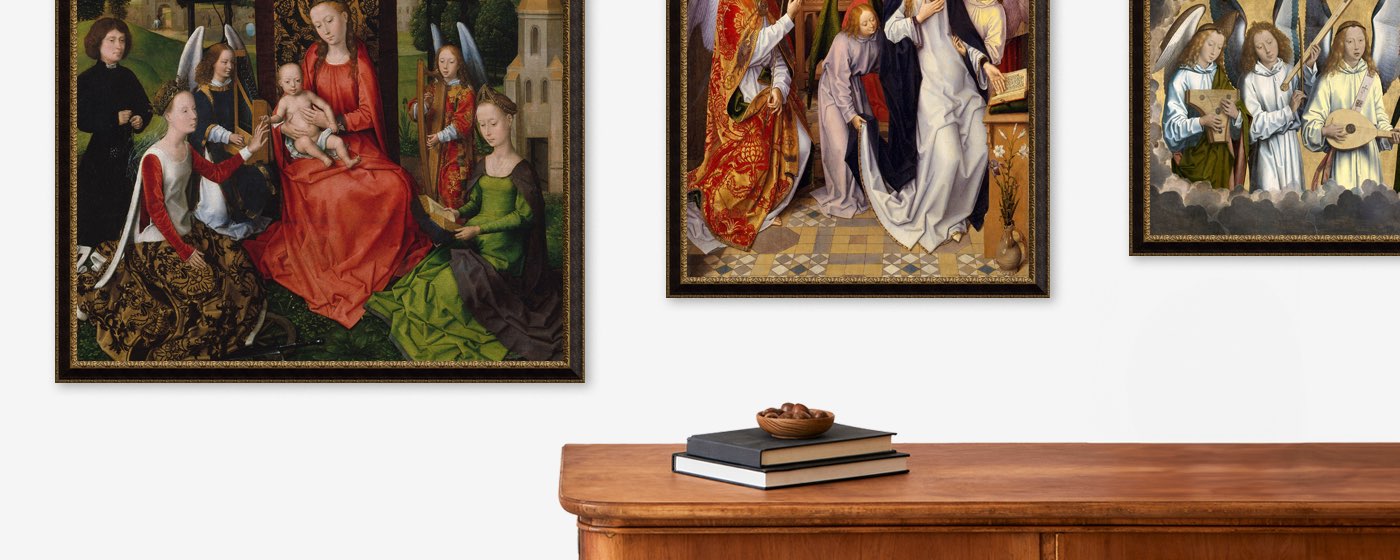
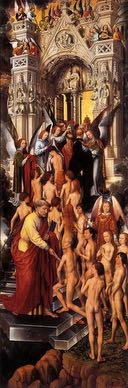
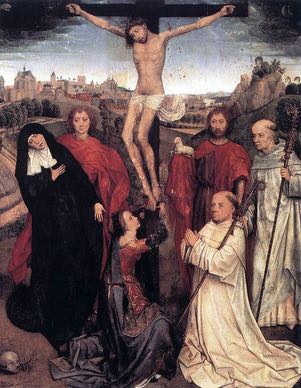
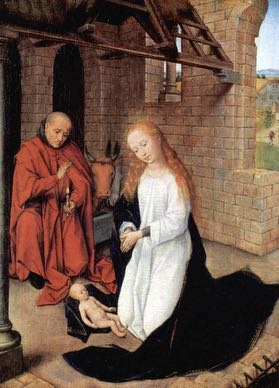
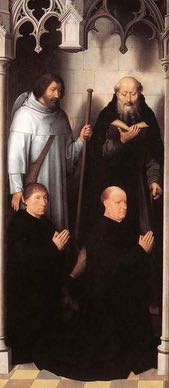
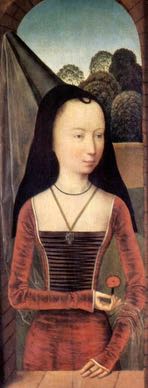
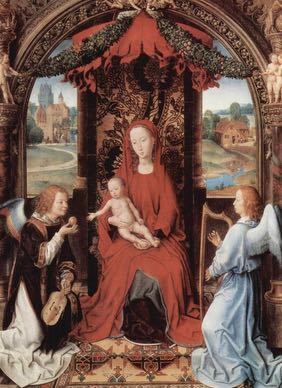
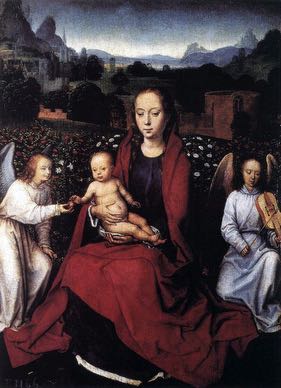
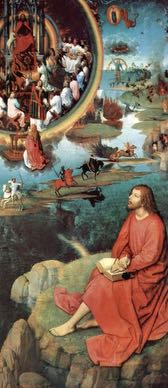
Born around 1430 in Frankfurt, Memling is believed to have received his early artistic education in Cologne. His style, however, was heavily influenced by Rogier van der Weyden, under whom Memling likely apprenticed. Van der Weyden’s influence is apparent in Memling’s detailed compositions and precise use of color, yet Memling developed his own distinctive style, marked by a softer approach to form and a more subdued palette. This blend of influences allowed Memling to create art that was both technically refined and deeply emotive.
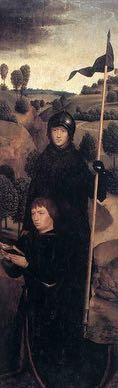
Memling’s career blossomed after he settled in Bruges, a prosperous commercial hub where his workshop thrived. He was particularly known for his altarpieces and devotional panels, many commissioned by the city’s wealthy patrons and foreign merchants. His work shows the clear influence of his Flemish contemporaries, including Jan van Eyck, the founder of the Bruges School. Memling’s paintings often featured detailed, luminous landscapes and lifelike figures, with an emphasis on the symbolic and devotional aspects of the scenes.
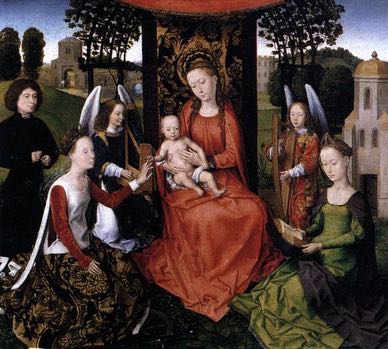
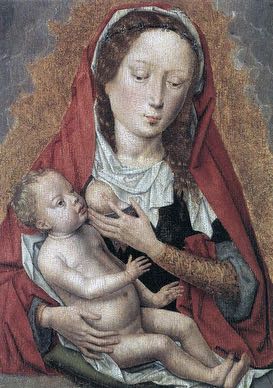
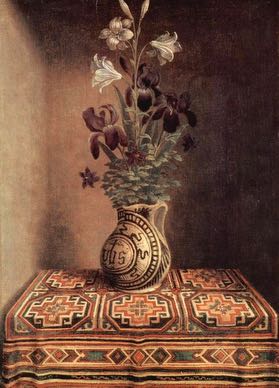
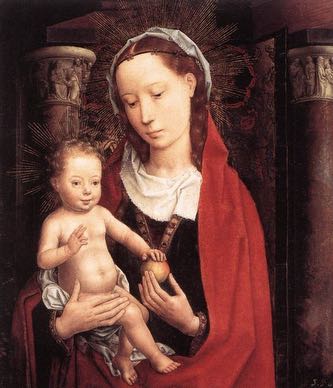
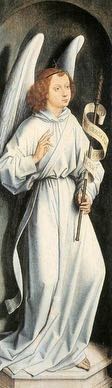
One of Memling’s strengths was his ability to incorporate Renaissance aesthetics into his work, though he did so with a distinct Gothic sensibility. His religious works, such as those depicting the Madonna and Child, were characterized by gentle expressions, delicate color contrasts, and an attention to fine details, such as textiles and architectural settings. His altarpieces, including the “Seven Griefs of Mary”, exemplify his mature style, which combined emotional depth with technical precision.
Although Memling was deeply influenced by his master van der Weyden, he developed his own artistic voice, moving away from the rigid discipline of his teacher’s style. He introduced a softness and subtlety in his use of color, imbuing his works with a grace that set him apart from other artists of the time. His mastery of delicate color gradations and his ability to capture light imbued his paintings with a remarkable sense of realism and beauty.
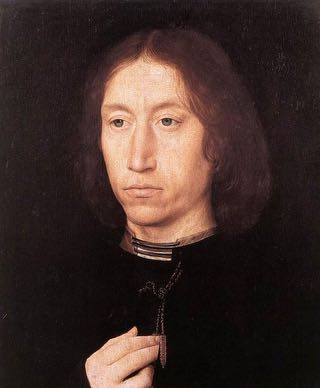
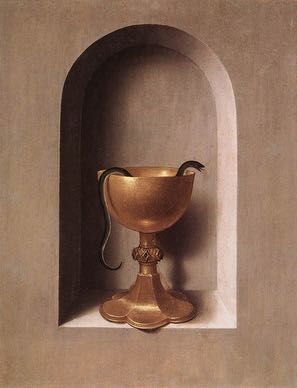
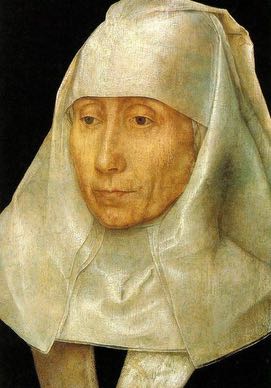
Memling was also an accomplished portraitist, known for his innovative use of backgrounds and naturalistic portrayals. His portraits were admired for their precision and the individuality of the sitters, marking a significant evolution from his more idealized religious subjects. This versatility allowed Memling to excel in various genres, and his technical prowess is evident in his miniature paintings, which showcase his exceptional attention to detail.
Hans Memling’s legacy is that of a master artist who bridged the Gothic and Renaissance traditions, contributing significantly to the artistic heritage of the Northern Renaissance. His works, renowned for their grace and technical mastery, continue to be admired for their beauty and emotional resonance.
Copyright © 2026 BrushWiz. All Rights Reserved.