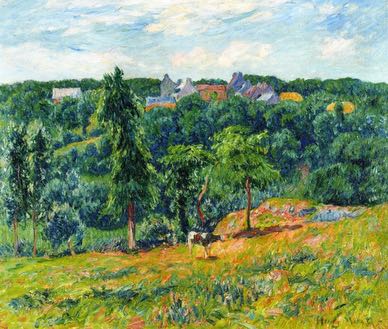
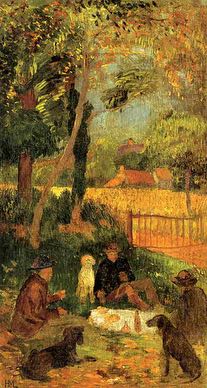
Moret’s artistic journey began in Cherbourg, where he was born, and later moved to Paris to study at the École Nationale des Beaux-Arts. Under the tutelage of masters like Jean-Léon Gérôme and Jean-Paul Laurens, he learned the formal techniques of academic painting. However, his introduction to the Pont-Aven School in the 1880s marked a transformative period, steering him away from academic constraints and toward a more liberated approach to color and form. In Pont-Aven, he collaborated with artists such as Paul Gauguin, whose emphasis on pure color and symbolism profoundly impacted Moret’s style.
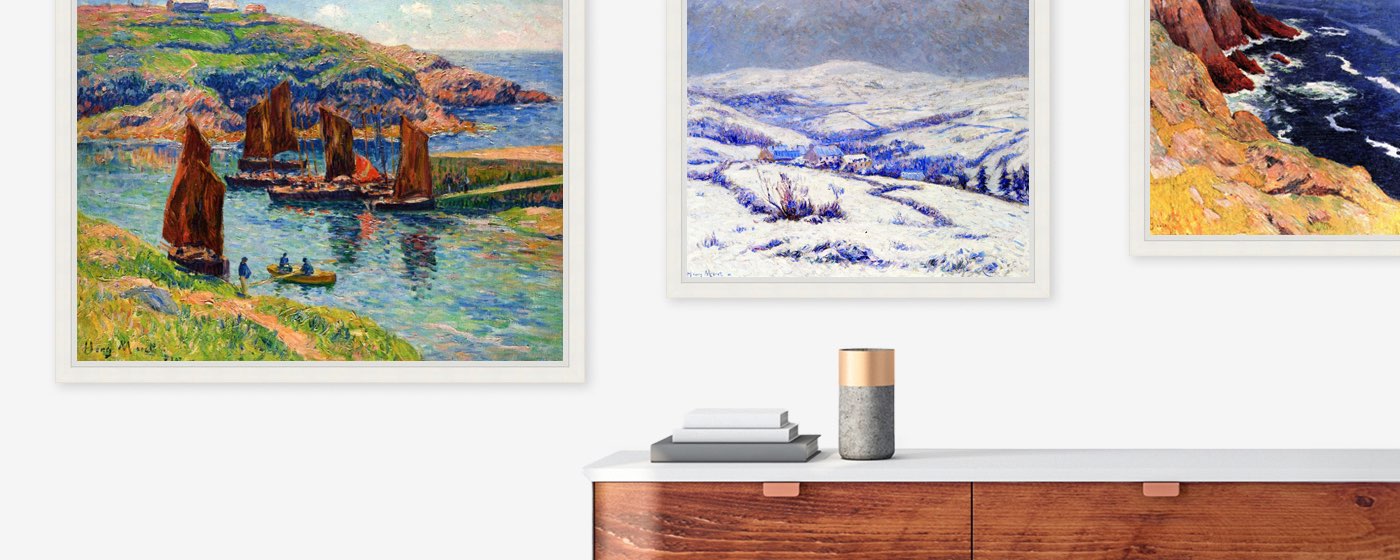
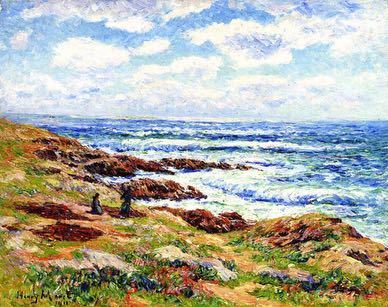
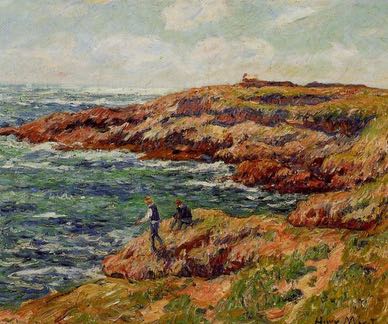
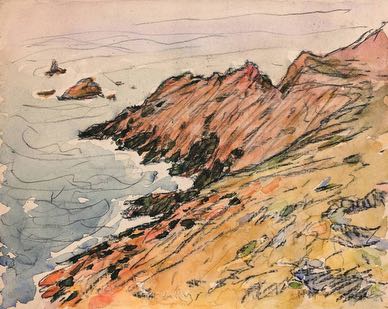
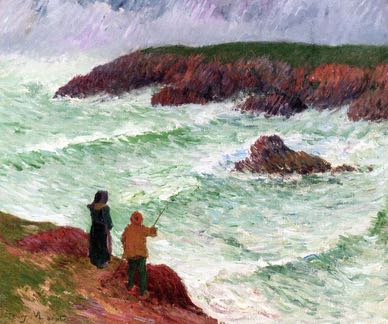
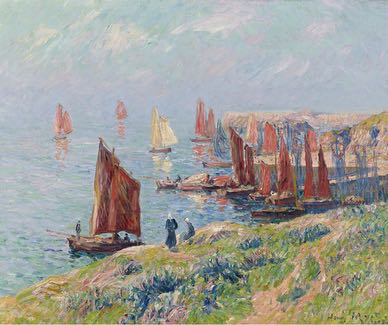
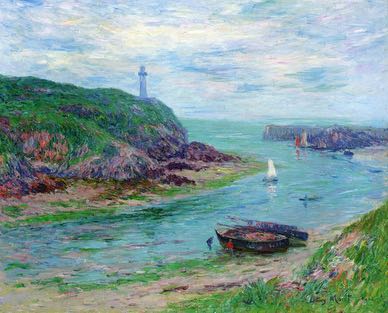
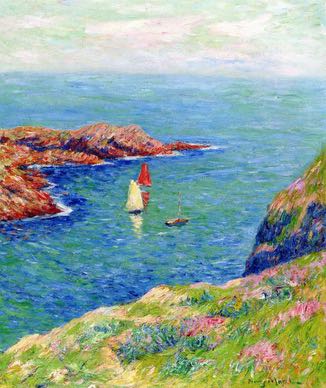
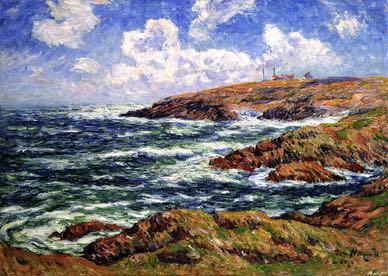
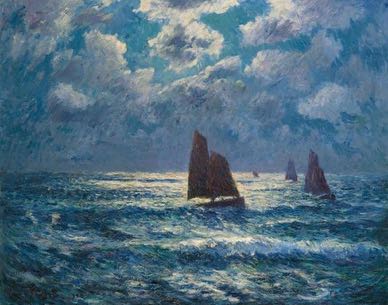
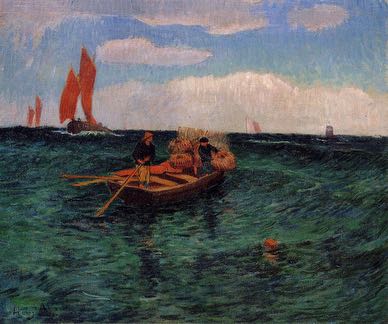
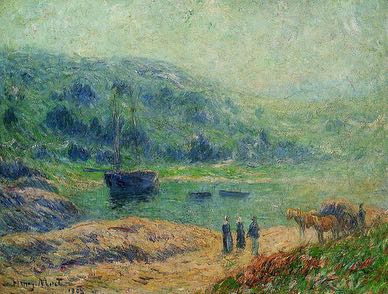
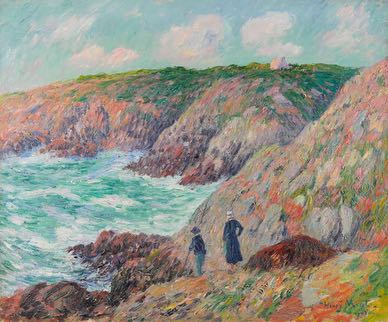
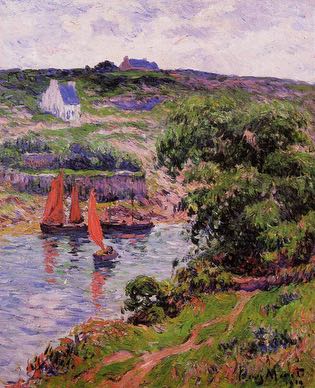
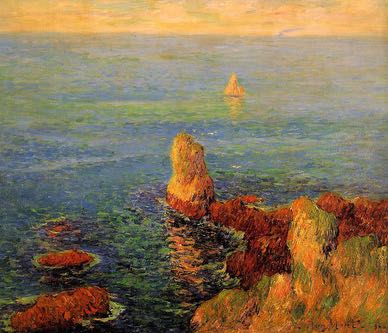
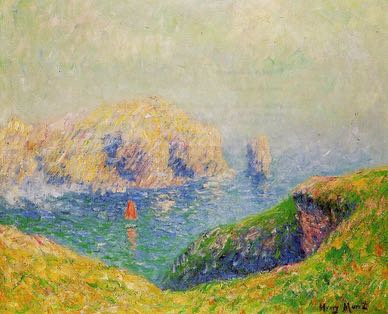
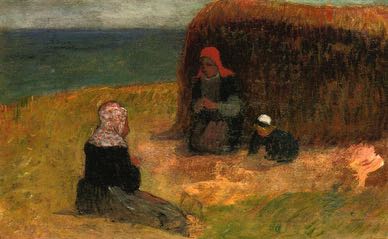
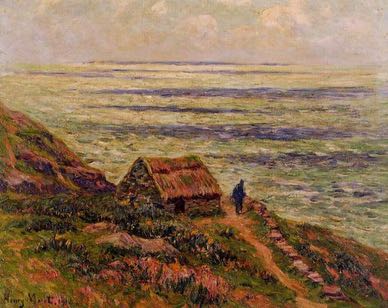
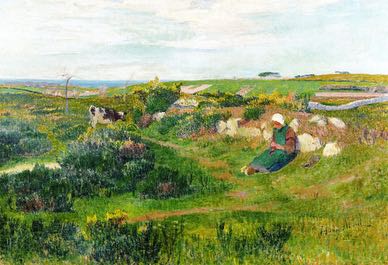
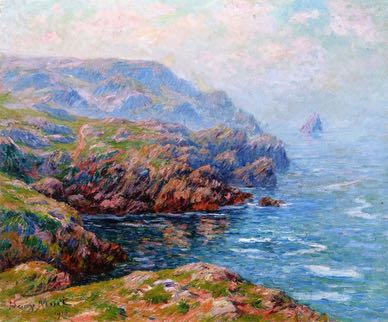
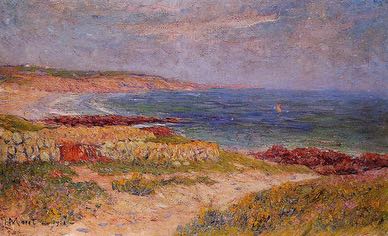
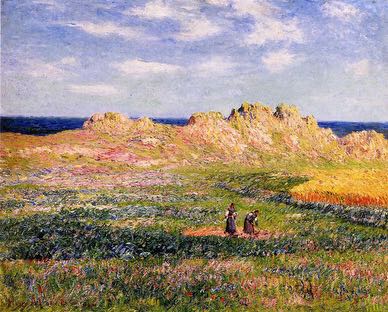
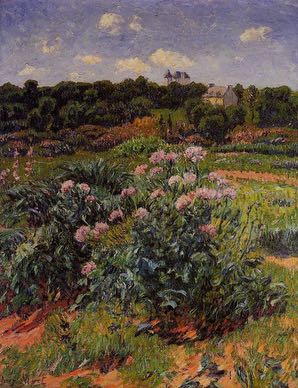
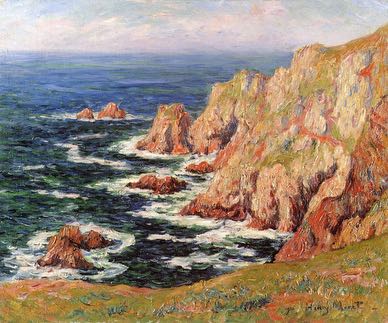
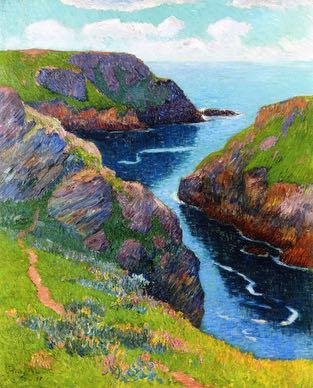
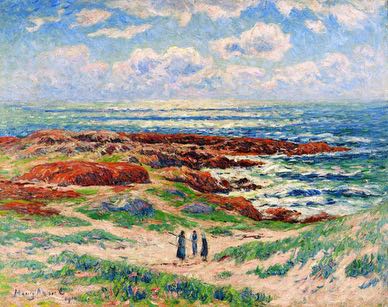
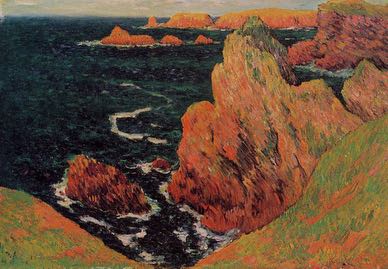
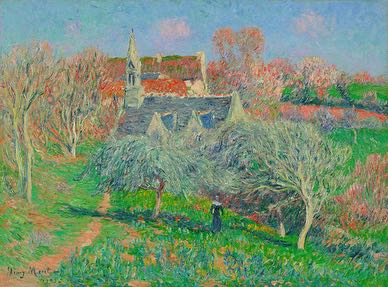
Although Moret maintained a friendship with Gauguin, he never fully embraced Gauguin’s Synthetist approach. Instead, he blended Impressionist techniques with the Symbolist-inspired colors of Pont-Aven, creating a distinctive style that remained grounded in natural observation. He frequently explored the rugged Breton landscapes, painting coastal scenes that reflected his fascination with nature’s shifting moods. His seascapes are known for their sweeping horizons, textured waves, and the dramatic interplay of light and shadow.
Moret’s compositions often evoke the movement of wind and sea, capturing the wild essence of Brittany with an emotive color palette. His brushwork evolved to become both spontaneous and deliberate, using broad strokes to suggest the weight of stormy skies or the fleeting light at sunset. In his palette, he incorporated rich blues, vibrant greens, and deep purples, imbuing his works with an intensity that reflects the power and mystery of the natural world. This palette and technique resonated particularly well with viewers, and his work gained significant popularity in Parisian galleries.
By the turn of the 20th century, Moret’s art had earned him widespread acclaim. His works were regularly exhibited at the Salon des Indépendants and the Galerie Durand-Ruel, where they caught the attention of international collectors. His association with Durand-Ruel brought him greater recognition, aligning him with the leading Impressionists of the time and introducing his work to an international audience. Despite his success, Moret preferred the simplicity of his Breton life, often retreating to remote coastal villages to paint in solitude.
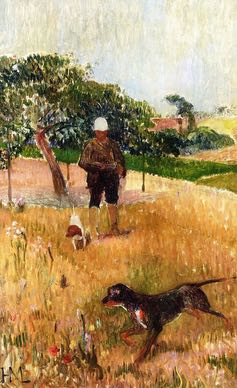
Throughout his career, Moret’s style continued to develop; his colors grew bolder, and his compositions more daring, reflecting a synthesis of personal emotion and natural beauty. His later works, marked by a unique harmony of line and color, exhibit a meditative quality that captures both the spirit of Impressionism and a profound connection to the landscapes he loved.
Moret’s life was relatively quiet, yet his devotion to his art and the Brittany region left a lasting impression on French landscape painting. He passed away in 1913, leaving behind a legacy of more than 600 works, each a testament to his love for Brittany’s untamed coasts and shifting skies. Today, Henry Moret is remembered as one of the key figures who bridged the transition from Impressionism to Post-Impressionism, his work embodying the emotional depth and painterly freedom that defined the era.
Copyright © 2026 BrushWiz. All Rights Reserved.