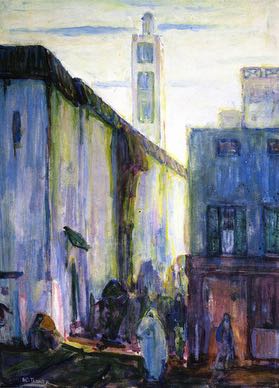
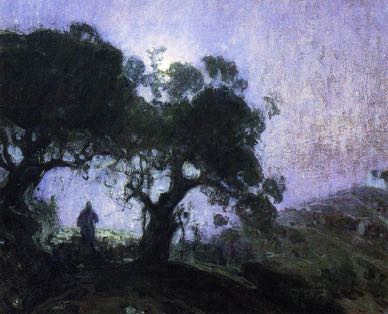
Born to a prominent clergyman of the African Methodist Episcopal Church, Tanner grew up with a strong education but initially faced resistance from his family about his artistic ambitions. Eventually, his parents supported his desire, leading him to study at the Pennsylvania Academy of the Fine Arts, where he was greatly influenced by his mentor and friend, Thomas Eakins. Under Eakins’s guidance, Tanner developed his skill in realism, which would become central to his style.
In 1889, Tanner moved to Atlanta, hoping to secure commissions from the affluent Black middle class. Unsuccessful, he briefly joined Clark College, where he met Bishop Joseph L. Hartzell, a supporter who encouraged Tanner and even financed his works when his initial exhibition did not succeed. With Hartzell’s support, Tanner left for Paris, seeking the freedom to pursue his career without the constraints of racial prejudice that permeated America.
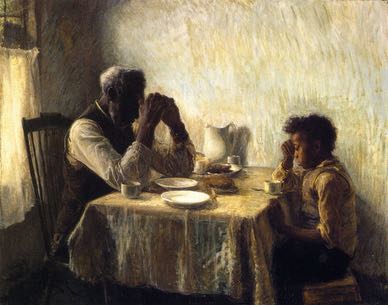
In Paris, Tanner enrolled at the Académie Julian, studying with respected Academic painters Jean Paul Laurens and Jean-Joseph Benjamin-Constant. There, he turned to African-American subjects, seeking to reframe how Black lives were depicted. His seminal work, The Banjo Lesson, was a powerful statement against racial stereotypes. Instead of the caricatures often used to portray African-Americans, Tanner presented a dignified, sensitive scene of a grandfather teaching his grandson, restoring the roles of teacher and nurturer to Black men, roles often denied to them in American society. This painting became emblematic of Tanner’s commitment to portraying Black subjects with humanity and empathy.
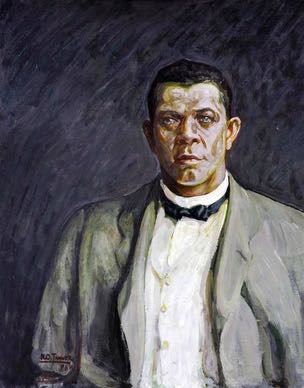
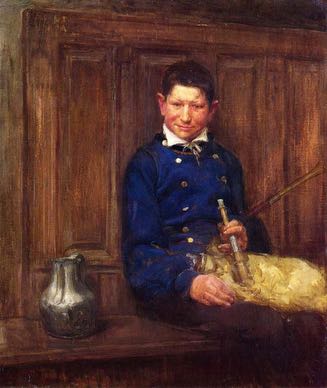
Tanner’s early training had grounded him in the principles of realism, with a focus on clarity and narrative strength in his compositions. His acclaim grew steadily, leading to numerous awards, including the prestigious Chevalier of the Légion d’Honneur from France in 1923. In the United States, he became the first African-American artist to achieve full membership in the National Academy of Design.
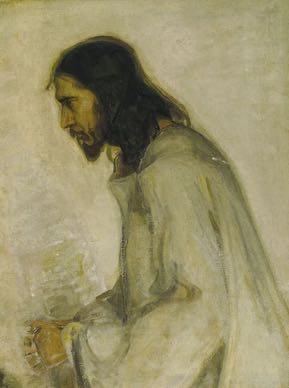
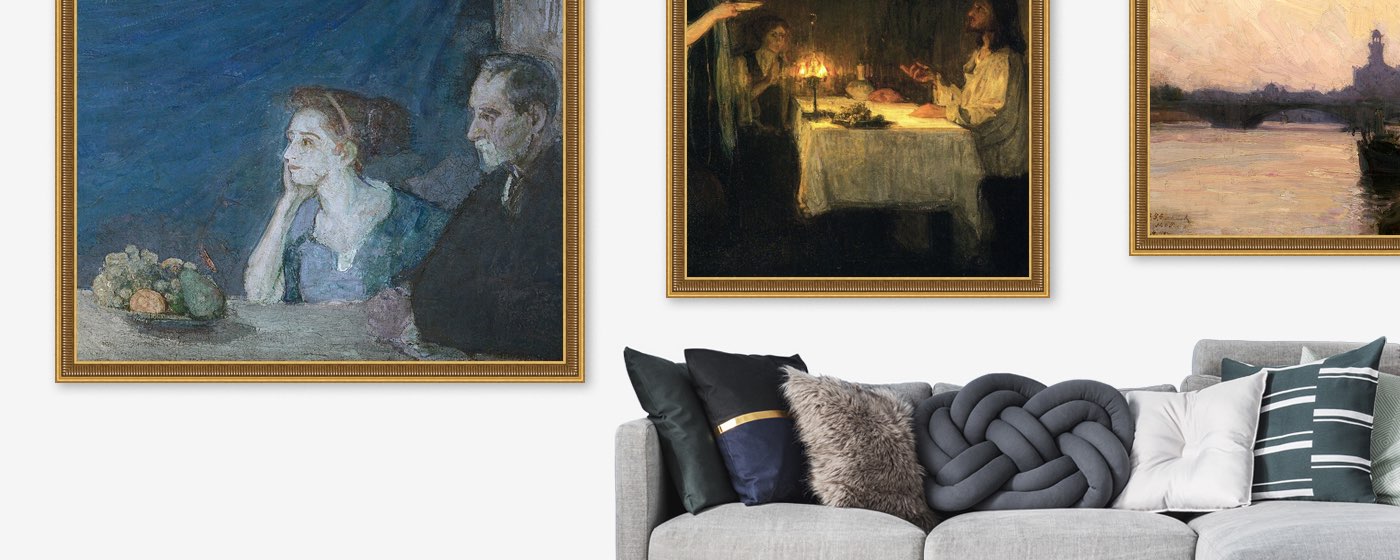
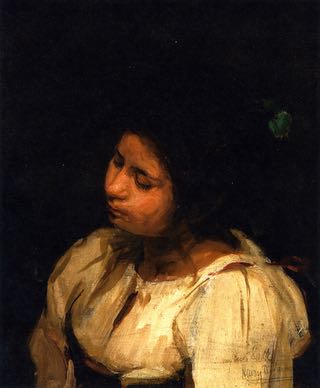
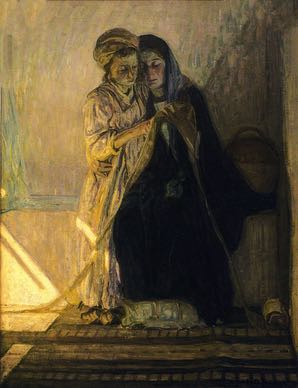
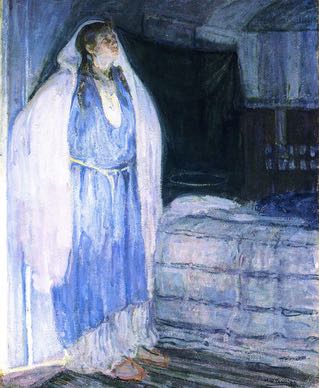
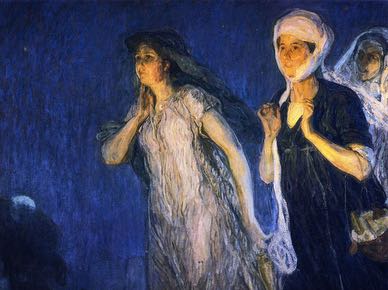
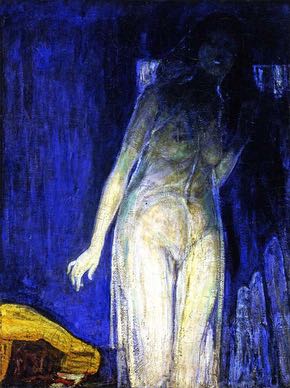
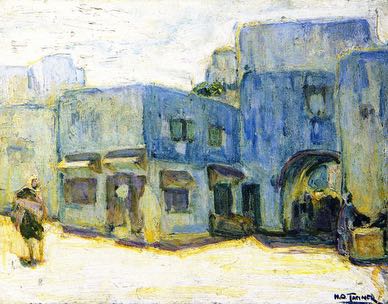
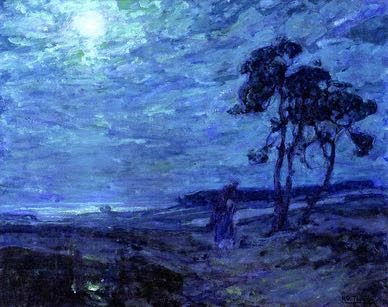
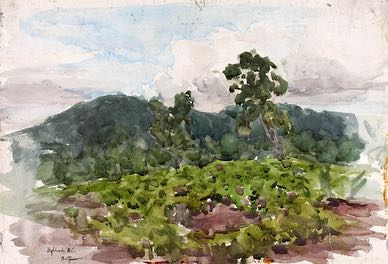
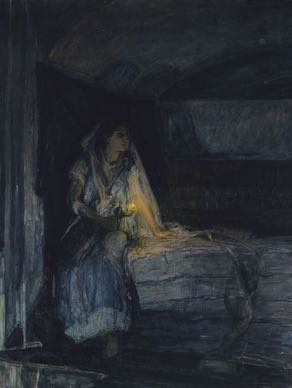
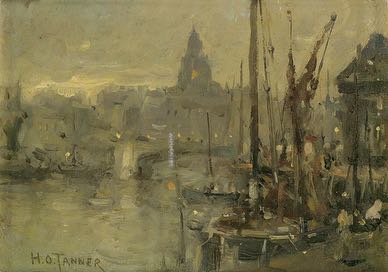
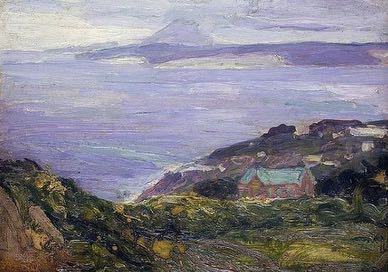
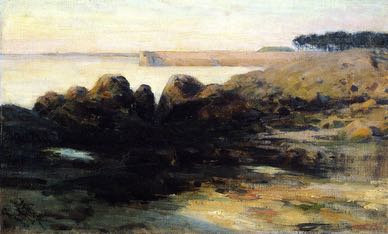
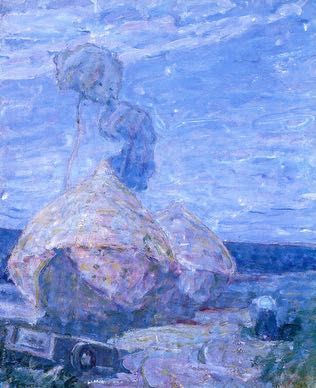
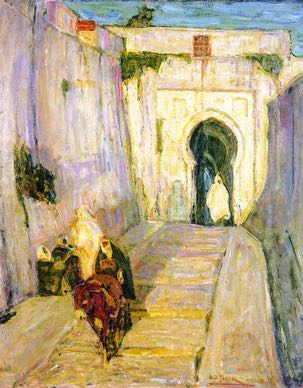
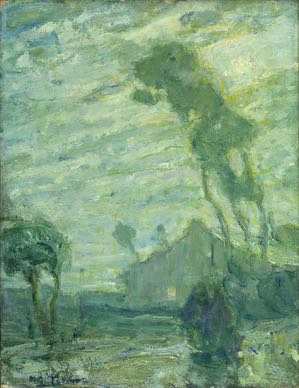
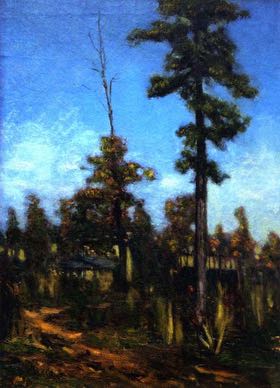
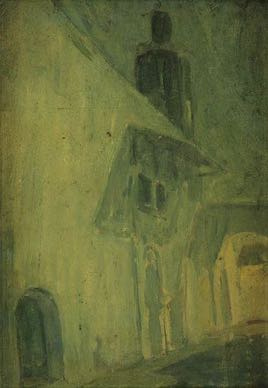
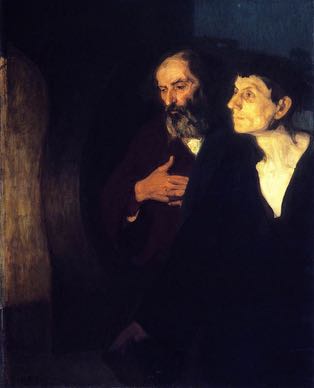
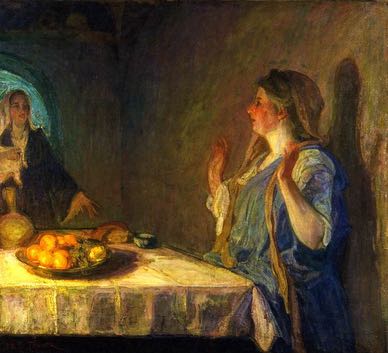
Throughout his career, Tanner’s work showcased a range of techniques. Some paintings exhibited meticulous detail, while others employed dynamic, loose brushstrokes, creating a balance of precision and expressive intensity. His command of color was another distinguishing feature; he often accentuated a particular hue, especially in his later religious works, where color became a vehicle for emotion. These paintings, inspired by his travels in Tangiers and the Holy Land, evoke spiritual transcendence through the careful use of light and shadow, enhancing the ethereal quality of his scenes.
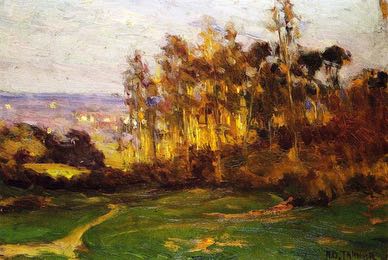
Though often compared to his friend and mentor Thomas Eakins, Tanner’s draftsmanship aligned more closely with artists like Albert P. Ryder and Ralph Blakelock. His technical sophistication drew parallels with Rembrandt, particularly in his skillful treatment of light. Tanner’s works imbued physical spaces with an almost tangible ambiance, layering sentiment through light that animated his religious subjects with a sense of otherworldly reverence. His Biblical scenes, illuminated with a harmonious luminism, expressed a modern psychological depth that underscored his spiritual themes.
Henry Ossawa Tanner’s legacy endures as a master realist who broke barriers and expanded the representation of Black lives in art, achieving lasting recognition for his contributions to American Realism and religious painting.
Copyright © 2026 BrushWiz. All Rights Reserved.