
❄️ Winter Sale. Offer Ends 11/24/2026. View Details
❄️ Winter Sale. Ends 11/24/2026. View Details
❄️ Winter Sale. View Details
Artists
Subjects
Movements
Collections
Decor
Portraits
Commissions
Framing
Reviews
Gift Cards
On Sale
Isaac Grunewald Oil Painting Reproductions
Shop museum-quality reproductions of Isaac Grunewald’s most famous paintings, each hand-painted in oil on canvas by a professional artist.
Shop Art

Showing 1-40 of 143 results
Sort By
Most Popular
- Most Popular
- New Arrivals
- Best Sellers
- Alphabetical A-Z
- Alphabetical Z-A
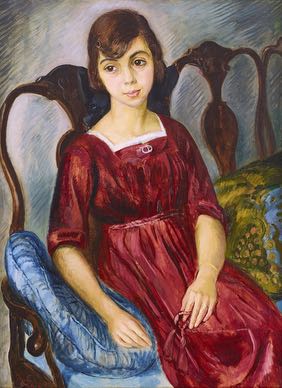
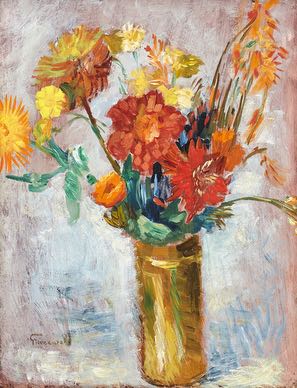
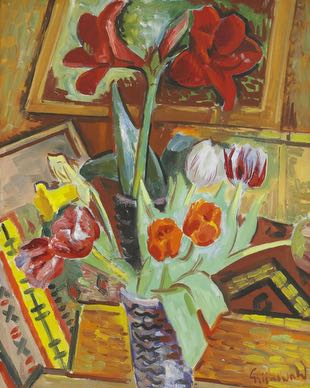
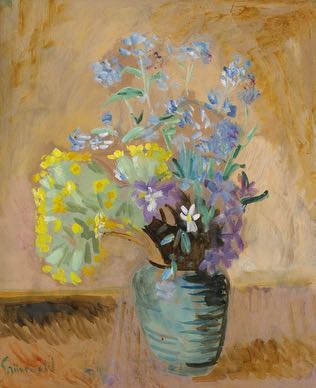

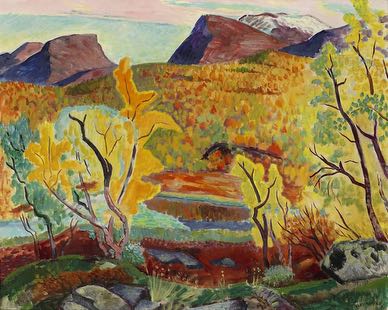

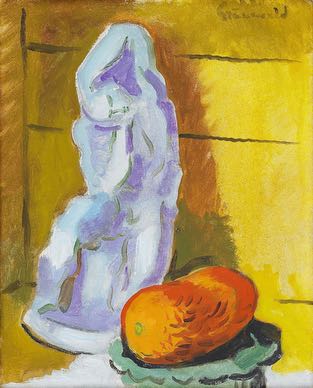
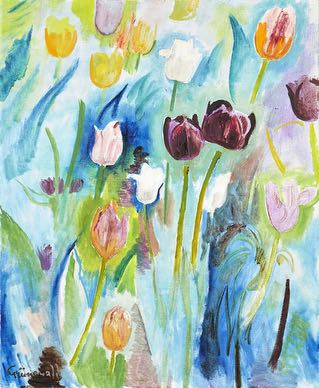
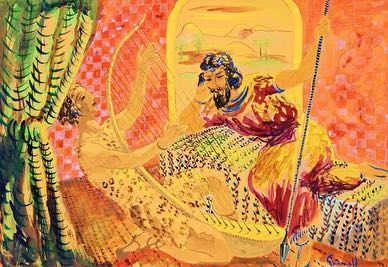
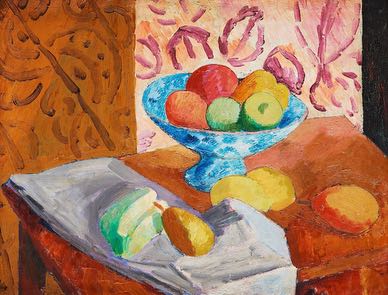
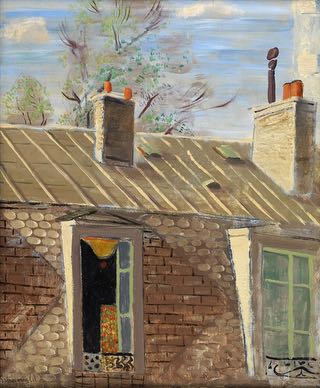
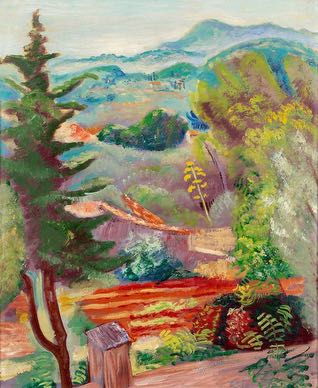

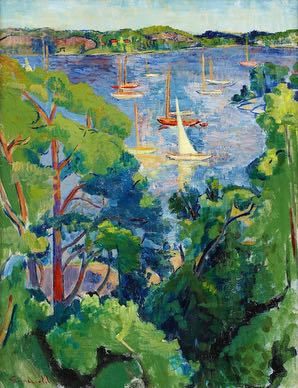
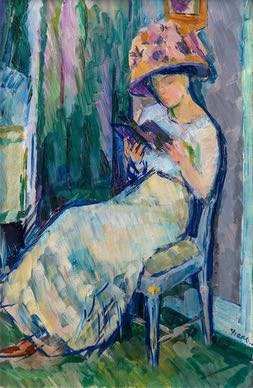
Can’t Find the Painting You Want?
Send us a reference image. We can recreate almost any artwork in the size and style you’re looking for.
Get a Free QuoteHand-Painted Isaac Grunewald Reproductions
Bring Grunewald’s art into your home with an oil-on-canvas reproduction hand-painted by a professional artist. Our collection features more than one hundred paintings from across his career, including Self-Portrait, Ivan by the Armchair, and View over Stockholm. Discover expressive portraits, brilliant flower still lifes, Stockholm views, sunlit coastal scenes, and other subjects associated with Grunewald. Every reproduction is a real oil painting, offering depth and texture that a print or digital transfer cannot provide. From celebrated works to less familiar compositions, find a Grunewald painting that suits your space.
The Making of an Isaac Grunewald Oil Painting Replica
Creating an Isaac Grunewald oil painting replica requires patience, precision, and an understanding of the original artwork. Our studio includes artists who specialize in Expressionist painting and understand the distinctive qualities of Grunewald’s work. The artist begins by studying the source image, then recreates its bold contrasts, sweeping contours, flattened space, and Grunewald’s decorative rhythm across figures and surroundings using traditional oil-painting methods. After completion, the painting is inspected by our quality-control team and photographed for your approval. The result is a carefully executed oil painting that reflects the visual character of the original.
Custom Sizes and Frames for Your Grunewald Painting
Your Grunewald painting can be ordered in practically any size, from popular standard dimensions to custom canvas sizes selected directly on the product page. This flexibility lets you choose a painting that fits your wall and complements your room perfectly. After selecting the size, you can choose from high-quality frames in classic or modern designs, with professional canvas stretching also available. Our framing options complement the vibrant colors and flowing contours of Grunewald’s paintings. With sizing, stretching, and framing arranged in one order, your artwork can arrive ready for display without a separate visit to a frame shop.
Order an Isaac Grunewald Reproduction with Confidence
Buying hand-painted art online should feel clear and comfortable. After your Isaac Grunewald reproduction is completed, we send high-resolution photographs for your review before shipping. You can inspect the composition, colors, details, and overall finish, then request adjustments if needed. The painting is dispatched only after you approve it, so you know what to expect when it arrives. Your order also includes free express worldwide shipping and is covered by our 90-day return policy. Together, these assurances help you purchase a Grunewald oil painting with greater confidence and peace of mind.
The Life and Art of Isaac Grunewald
Isaac Grunewald, historically spelled Isaac Grünewald, was a Swedish Jewish painter, designer, teacher, and outspoken champion of modern art. Born in Stockholm in 1889, he studied at the Artists’ Association School before training in Paris at Henri Matisse’s academy. He brought Fauvist color and decorative line into Swedish Expressionism, developing portraits, interiors, landscapes, flower paintings, stage designs, and monumental decorations. Together with artists including Sigrid Hjertén, he challenged conservative taste and helped establish modernism in Sweden despite fierce and often openly antisemitic criticism. Later success brought major theater commissions, public projects, and an influential professorship. Grunewald remained a prominent cultural figure until he and his second wife died in an airplane crash in 1946.
Read More
How Did Isaac Grunewald Begin an Artistic Life in Stockholm?
Isaac Grünewald was born in Stockholm on 2 September 1889. He grew up with many siblings in a poor Jewish family on Södermalm. His father traded in secondhand goods and antiques, and both sides of the family had roots in Eastern Europe.
Drawing came early. Grunewald later remembered finding ingenious ways to earn money for inexpensive paint and canvas, and he completed his first oil painting at thirteen. A perceptive drawing teacher at Södra Latin helped him develop the ability that his family had little means to support.
In 1905, at seventeen, he entered the school run by the Artists’ Association in Stockholm. Its students inherited the older generation’s revolt against academic control, but many soon wanted a sharper break. Grunewald’s ambition, energy, and willingness to argue publicly made him a natural figure in that emerging movement.
What Did De Unga Want to Change in Swedish Art?
Grunewald joined De Unga, or The Young, a group of artists dissatisfied with the cautious naturalism dominating Swedish exhibitions. They wanted access to current European painting and greater freedom to use color and form as expressive tools rather than as instruments of faithful description.
Between 1909 and 1911, exhibitions at Hallin’s gallery introduced Stockholm audiences to their new work. Strong outlines, compressed spaces, non-naturalistic colors, and simplified bodies provoked criticism, ridicule, and energetic debate. What looked unfinished or undisciplined to many viewers represented a deliberate rejection of established standards.
Grunewald became the group’s most visible advocate. He wrote, lectured, organized, and answered hostile reviews with unusual confidence. His public role sometimes overshadowed quieter colleagues, but it also gave Swedish modernism a defender prepared to explain why a painting did not need to imitate the visible world obediently.
Why Was Matisse’s Paris Academy So Important?
Grunewald traveled to Paris in 1908 and studied during the following winters at the Académie Matisse. Henri Matisse encouraged students to simplify forms, build pictures through large areas of color, and let the contour move freely across the surface. Color could describe emotion and pictorial balance without matching local appearance.
Paris offered far more than one teacher. Galleries, salons, cafés, theaters, and encounters with international students placed Grunewald inside a rapidly changing artistic culture. Fauvism, Cézanne’s structural painting, decorative design, and new approaches to portraiture all widened the choices available to him.
Fauvist painting remained a lasting foundation, but Grunewald did not preserve Matisse’s lessons unchanged. He often sharpened contrasts, exaggerated gesture, and pushed ornament toward theatrical display. Paris gave him a vocabulary that he adapted to Swedish subjects, public debate, and his own forceful temperament.
How Did Sigrid Hjertén Share and Complicate His Modernist Story?
At Matisse’s academy, Grunewald met Sigrid Hjertén, a Swedish artist trained in textile design. They married in November 1911, and their son Iván was born later that month. Their home, studio life, travel, and circle of friends supplied subjects for both painters.
They shared modernist sources without producing the same art. Grunewald often favored decorative clarity, elegant posture, and strong areas of color. Hjertén developed increasingly steep spaces, tense relationships, and psychologically charged interiors. Each painted the other and their son, creating a visual conversation that cannot be understood by treating one as the other’s follower.
Contemporary institutions did not judge them equally. Grunewald’s work entered the national collection in 1917, while Hjertén waited until 1930. Their marriage ended in divorce in 1937, but both careers remain central to the history of Swedish modernism and deserve to be considered on their own terms.
What Gives Grunewald’s Portraits Their Theatrical Presence?
Grunewald approached portraiture as both observation and staging. A sitter’s posture, clothing, chair, curtain, or patterned wall could carry as much expressive force as the face. Rather than hide that arrangement, he made self-presentation part of the subject.
His 1915 Self-Portrait turns profile, turquoise skin, dark blue hair, a bent hand, and an open red mouth into a deliberately fashioned public identity. The image is confident and vulnerable at once, aware that viewers were already projecting ideas onto his appearance.
Ivan by the Armchair is quieter. The child leans into the surrounding furniture as russet tones bind room and figure together, while patches of light break through the enclosure. Decorative unity does not remove emotion; it gives the boy’s inward mood a physical setting.
Why Did Opposition to His Art Become So Personal?
Swedish critics argued fiercely over the new painting, and Grunewald’s combative public style made him an obvious target. Yet objections to modernism repeatedly crossed into attacks on his Jewish identity. Cartoons and reviews presented both the artist and Parisian art as foreign threats to Swedish culture.
This antisemitism cannot be dismissed as ordinary resistance to artistic change. It shaped how his ambition, appearance, business success, and confidence were described. Qualities admired in other public figures could be turned against Grunewald through stereotypes about money, influence, and national belonging.
He answered with exhibitions, essays, speeches, and continued professional visibility. The debates helped make him a cultural celebrity, but attention came at a personal cost. Understanding that hostility clarifies why his self-portraits and public statements often carry such a strong sense of performance, defense, and claimed authority.
Where Did Painting Meet Theater and Decorative Design?
During the 1920s, Grunewald became one of Sweden’s most successful stage designers. Opera and ballet allowed his color, rhythm, and simplified shapes to occupy real space. Sets could transform between acts, while costumes carried painted relationships into the movement of performers.
His designs for the Royal Swedish Opera included the 1921 production of Samson and Delilah. Architecture, drapery, costume, and lighting worked together as one visual event rather than serving as neutral background. The theater suited an artist already interested in gesture, self-presentation, music, and decorative unity.
Grunewald also worked across illustration, film, applied art, and later ceramics. Othello reflects this continuing attraction to drama and character. Moving between canvas and stage expanded his audience and prevented modernism from remaining confined to galleries.
How Did Public Commissions and Teaching Expand His Reach?
In 1926, Grunewald received only six months to decorate the smaller auditorium of Stockholm Concert Hall. He filled roughly 180 square meters of wall and ceiling with flowing figures inspired by music, Greek mythology, and decorated Italian Renaissance interiors. The room later took his name as the Grünewald Hall.
The commission showed that expressive color could function on an architectural scale. Grunewald adjusted his initially flamboyant proposal toward warmer earth tones suited to chamber music, while still creating a continuous environment. He also designed a large foyer carpet inspired by Minoan art.
From 1932 to 1942, he taught at the Royal Institute of Art, first in an acting capacity and later as professor. He then established his own painting school in Stockholm. Teaching brought his long campaign for modern art inside institutions that his generation had once challenged, giving younger artists direct access to his ideas about color, composition, and artistic independence.
Which Paintings Show the Breadth of Grunewald’s Vision?
Grunewald moved easily among portraiture, landscape, interior, still life, and theatrical imagination. These works show how expressive color and decorative structure remained useful across very different subjects:
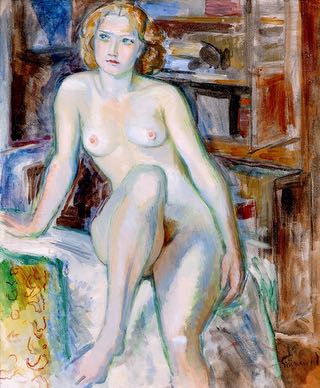
- The Paris Model: A posed figure and compressed setting recall the experimental freedom of his formative French years.
- Self-Portrait, 1915: Turquoise skin, intense profile, and stylized gesture turn self-examination into modernist theater.
- Ivan by the Armchair, circa 1915: Figure, furniture, and floating light share one enveloping field of color.
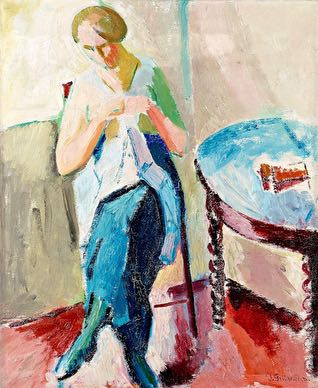
- Sigrid Knitting: Domestic activity becomes a study of concentration, pattern, and the presence of a fellow artist.
- View over Stockholm: City, water, and sky are joined through broad shapes and freely intensified color.
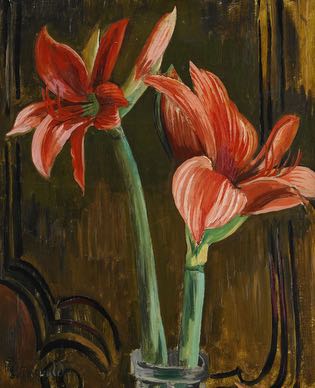
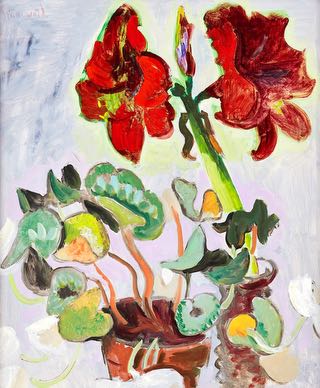
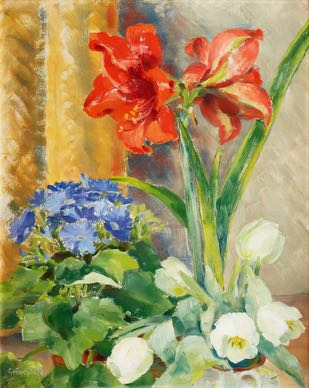
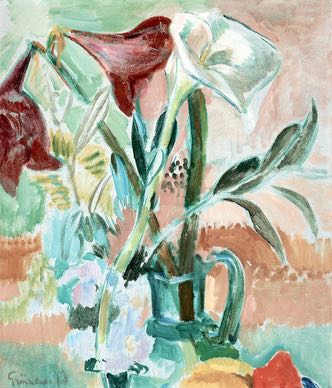
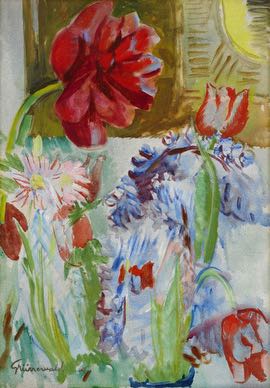
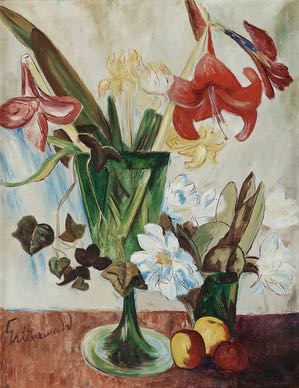
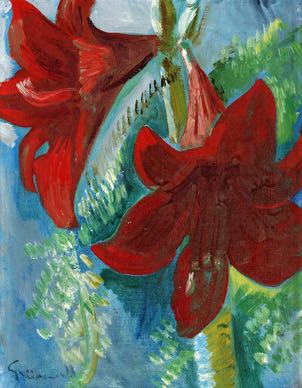
- Still Life with Amaryllis and Apples: Flowers and fruit become an energetic arrangement of curves, color contrasts, and tabletop space.
- The Blue Kitchen: A familiar interior is reorganized through saturated color and decorative compression.
- Studio with Paintings: Artworks within the room turn the studio into a layered record of making, looking, and display.
What Place Does Grunewald Hold in Swedish Modernism?
Grunewald’s importance lies in more than introducing Matisse’s lessons to Sweden. He made modern art visible through paintings, exhibitions, debate, theater, public decoration, applied design, and education. Few Swedish artists of his generation worked across so many forms or argued so persistently for the place of contemporary art in public life.
Success brought official portraits and prestigious appointments, but his paintings retained their appetite for strong color. Coastal views, Stockholm scenes, models, flowers, family portraits, and studio interiors allowed him to keep testing how contour and color could organize experience without becoming merely descriptive.
In 1937, Grunewald married the artist Märta Grundell. On 22 May 1946, both were killed in an airplane crash near Oslo. His death ended a career still active across painting and teaching. Later reassessment has placed the antisemitism he faced, his partnership with Hjertén, and his institutional power under closer scrutiny. That fuller history reveals a gifted and complicated artist whose public ambition helped make Swedish modernism impossible to ignore.
Copyright © 2026 BrushWiz. All Rights Reserved.
About Our Isaac Grunewald Paintings
Are your Isaac Grunewald reproductions painted by hand?
Yes. Every reproduction is individually painted by hand in oil on canvas by a professional artist. We do not use prints, digital transfers, or mechanical reproduction methods.
How closely do your Grunewald copies resemble the original?
Our artists work to capture the composition, colors, contours, details, and visual character of the original Grunewald painting as closely as possible. Because every reproduction is painted by hand, small variations are natural and make each canvas unique.
How long does a Grunewald reproduction take to complete?
Most Grunewald reproductions require approximately two to three weeks to paint, dry, and inspect. Production time may vary depending on the artwork and canvas size, so check the estimate displayed on the product page.
Can I request a Grunewald painting that is not listed?
Yes. If you cannot find the Isaac Grunewald artwork you want in our catalog, send us the painting’s title or an image. Our team will review your request and confirm the available sizes, estimated production time, and price.
Will I receive approval photos before shipping?
Yes. We send high-resolution photographs of the completed painting for your approval. You can request adjustments if needed, and the painting will not be dispatched until the review process is complete.
Are custom canvas sizes available for Grunewald paintings?
Yes. We offer custom dimensions in addition to the standard sizes shown on the product page. Select the dimensions you need directly from the available size options.
May I order my Grunewald painting with a frame?
Yes. High-quality frames in classic and modern designs are available for many paintings. You can view compatible framing options and add your preferred design from the product page. Professional canvas stretching is also available.
What determines the price of a Grunewald reproduction?
The price depends on the selected artwork, canvas dimensions, and framing option. Choose your preferred configuration on the product page to see the current price before ordering.
Is free express worldwide shipping included?
Yes. Isaac Grunewald reproductions qualify for free express worldwide shipping. After dispatch, delivery usually takes five to eight business days, although timing may vary by country and destination.
Which return policy covers Isaac Grunewald reproductions?
Orders are covered by our 90-day return policy. Review the current return-policy page before ordering for complete information about eligibility, time limits, and the return process.
Why BrushWiz?
100% Hand Painted
Every piece is entirely handmade
Museum Quality
Faithfully recreated by expert artists
Custom Framing
Choose from a wide range of frames
Free Shipping
Enjoy free shipping on all orders
Cash Back Rewards
Earn cash back with every purchase