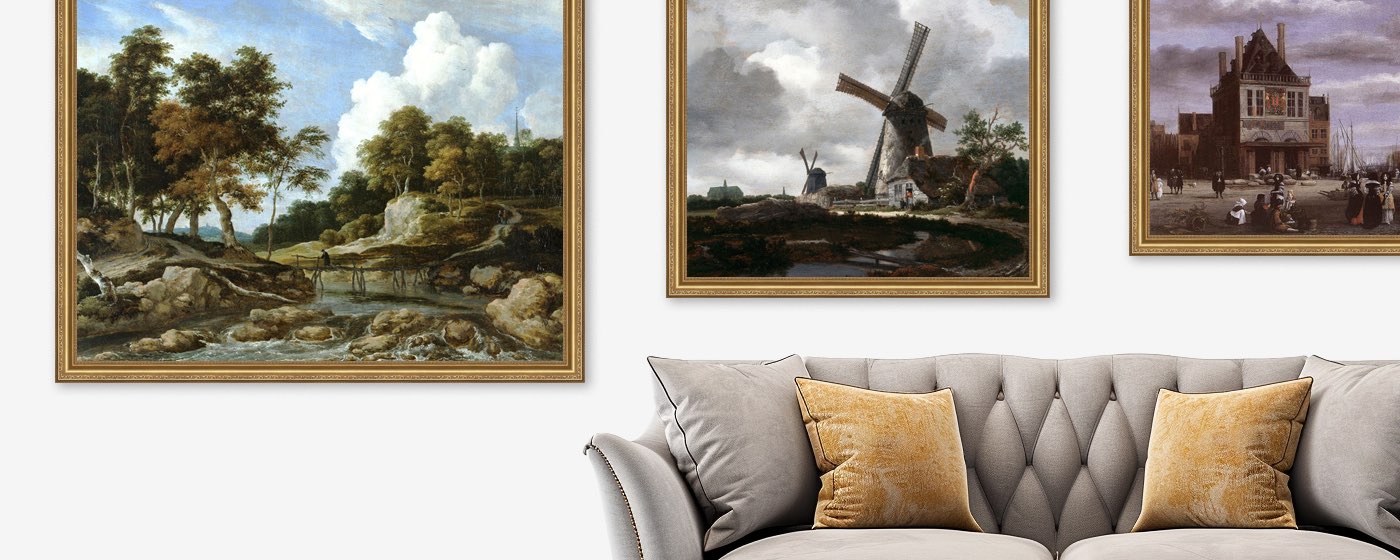
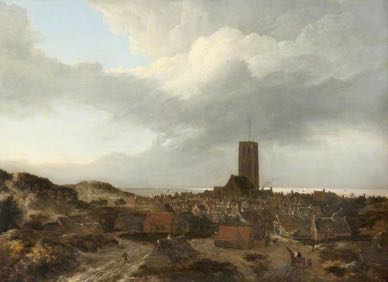
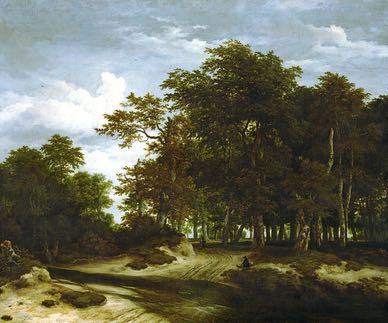
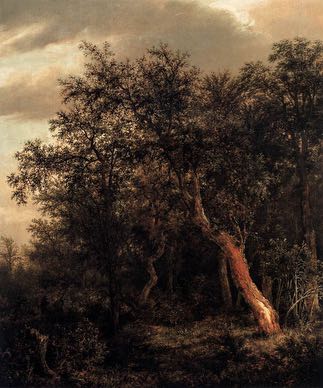
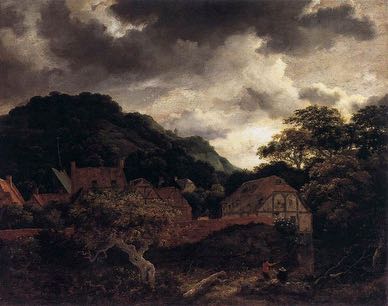
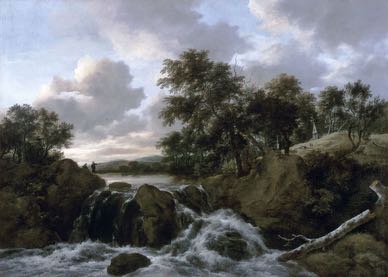
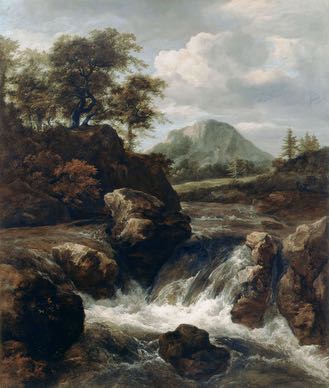
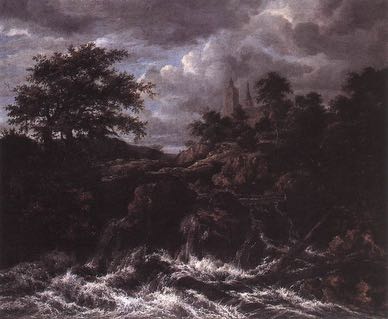
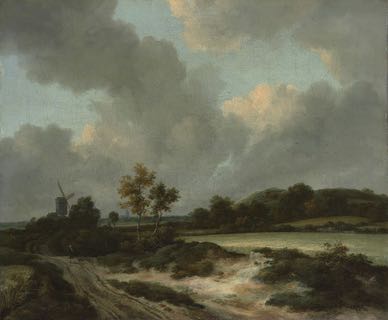
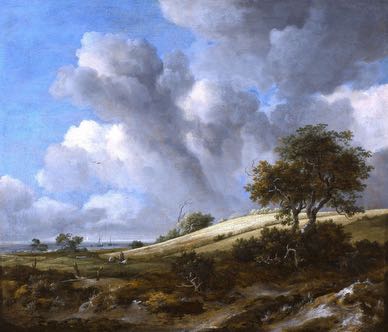
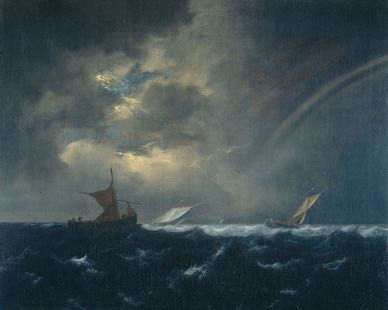
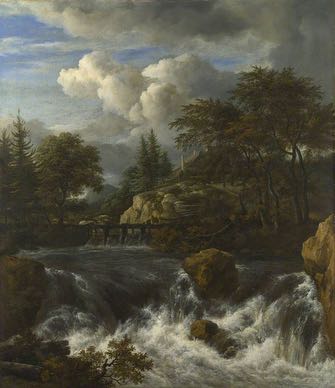
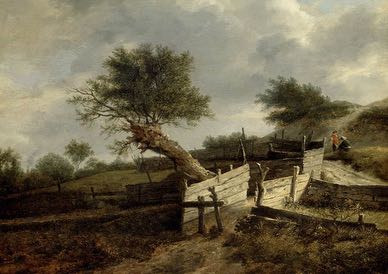
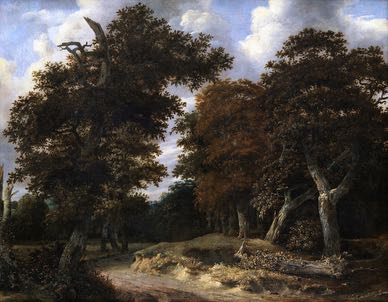
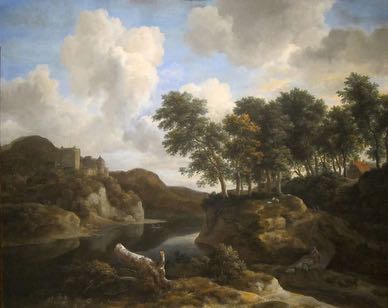
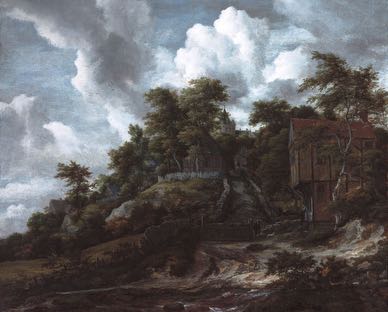
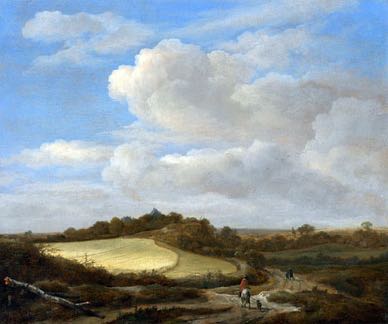
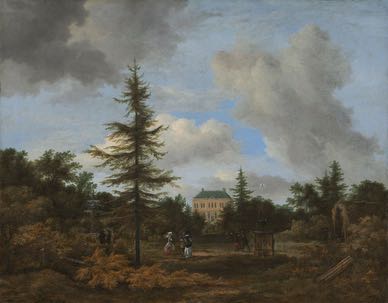
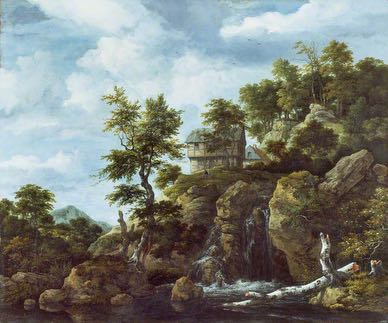
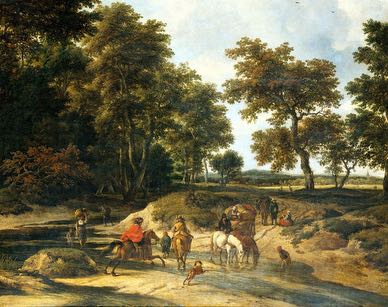
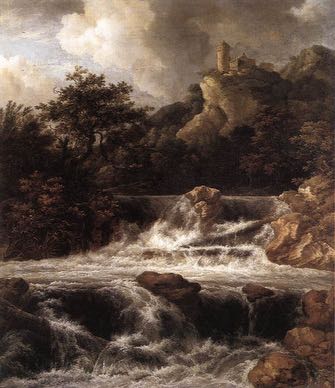
A prodigy influenced early on by his uncle, Salomon van Ruysdael, an accomplished landscapist, Jacob van Ruisdael trained as a student of the Guild of St. Luke in Haarlem. He traveled extensively throughout the Netherlands and Germany, finding inspiration in the works of prominent artists and especially in subjects like Bentheim Castle. By the time he became a member of the Haarlem Guild, Van Ruisdael had already established himself as an independent master and settled permanently in Amsterdam around 1656. Here, he opened a progressive studio, nurturing many prominent students who would carry forward his innovative techniques.
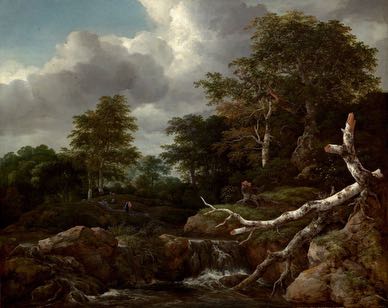
Van Ruisdael drew from the flat, expansive Dutch countryside and the estuaries, dunes, and coastal regions surrounding him. Though he also painted seascapes, he is most celebrated for his woodland and forest landscapes that convey a sense of isolation and grandeur. His journey with fellow artist Nicolaes Berchem across East Holland and West Germany introduced him to mountains for the first time, which he captured with an exquisite sense of opulence in color and harmonious form. These journeys influenced his richly imaginative works, often blending real scenes with elements of fantasy and narrative drawn from travel tales he heard along the way.
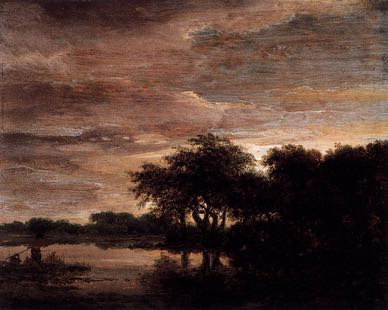
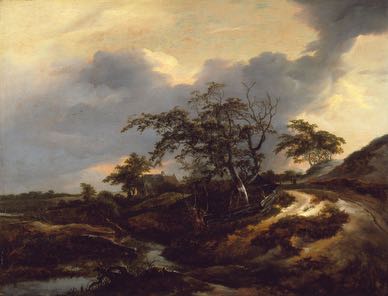
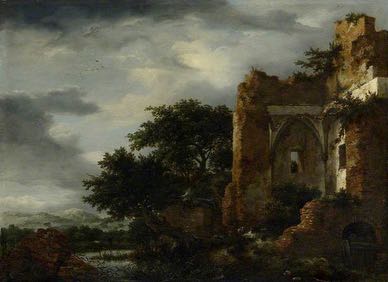
Van Ruisdael’s work transcended simple landscape portrayal, employing nature as a reflection of human emotion, particularly its darker aspects. His unique symbolism and inventive use of color and impasto techniques set him apart. He carefully orchestrated light and shadow to create atmospheres that feel both luminous and moody, often with ominous skies, dense foliage, and tranquil waters. His skies dominate his compositions, comprising two-thirds of the canvas in many works, where he painted stunning cloud formations that range from heavy, brooding thunderclouds to light, ethereal wisps. These sky-scapes became a hallmark of his style, illuminating the land below with reflective light.
In his most celebrated works, Van Ruisdael depicted Dutch panoramic landscapes, with sunrays breaking through clouds to reveal secluded glades and rolling dunes. He masterfully incorporated oaks and other trees as central figures in his compositions, using them to create a dynamic contrast between earth and sky. Through these techniques, he elevated landscape painting to a new level of psychological depth, portraying nature in a way that was both a mirror and a metaphor for human experience.
Copyright © 2026 BrushWiz. All Rights Reserved.