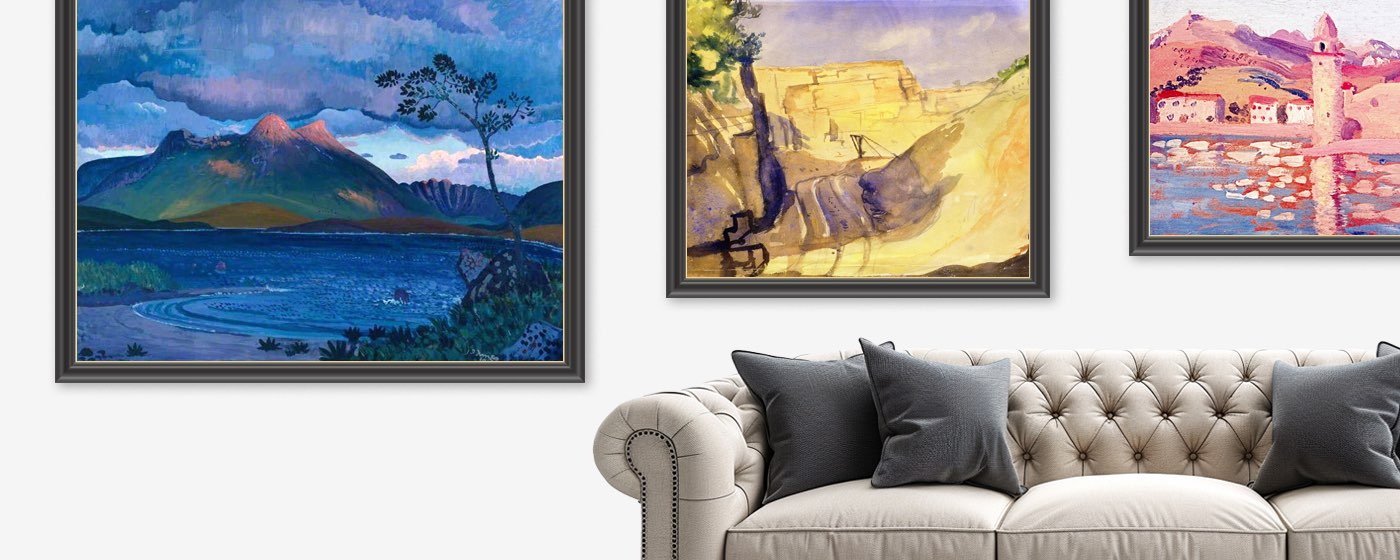
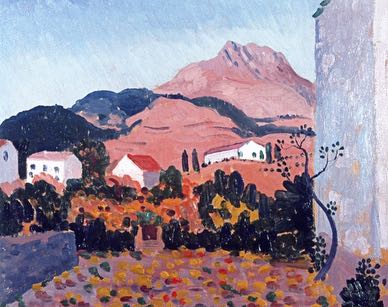
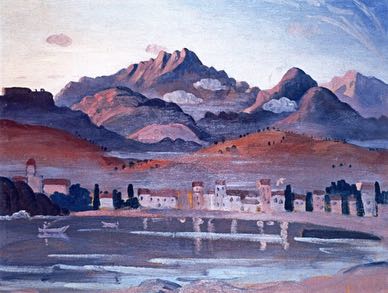
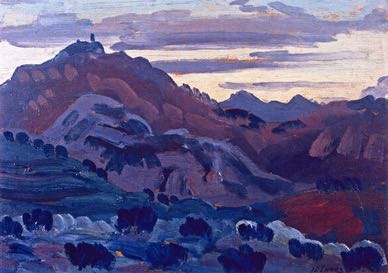
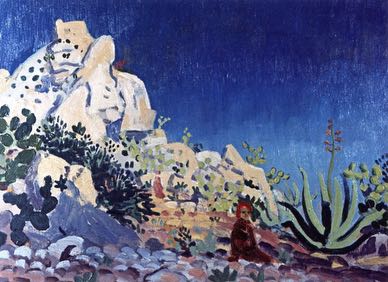
Born in Llanelli, Carmarthenshire, Wales, Innes grew up surrounded by the natural beauty of the Welsh countryside, which would deeply influence his work. He moved to London to study at the Slade School of Fine Art, where he trained alongside artists who would later become prominent in British modernism. His education at the Slade exposed him to various styles, but he was particularly drawn to Post-Impressionism and Fauvism, which emphasized expressive color and form over realistic representation. Inspired by these movements, Innes sought to break free from traditional landscape painting, choosing instead to focus on capturing the emotional and spiritual qualities of the scenes before him.
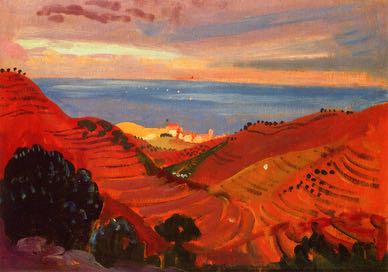
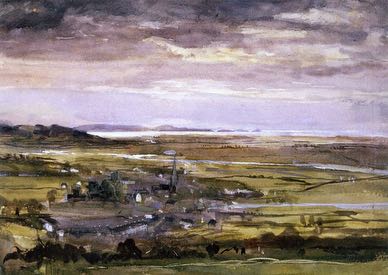
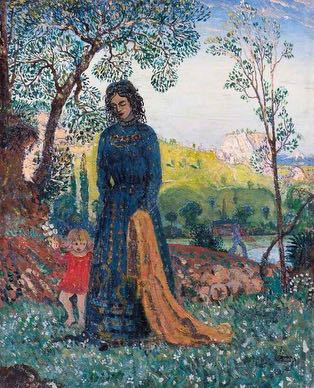
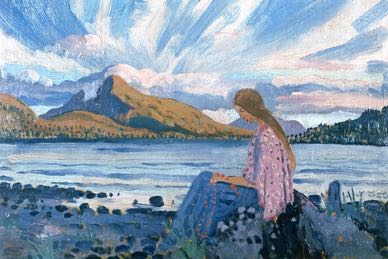
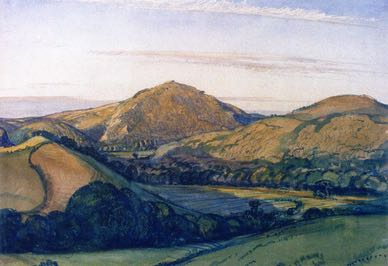
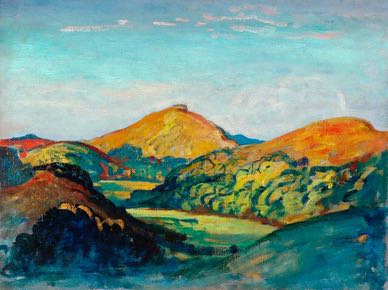
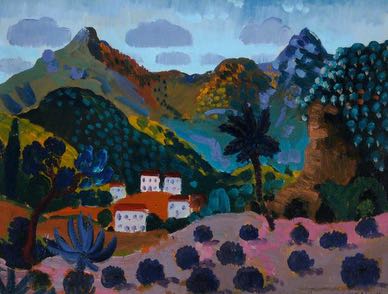
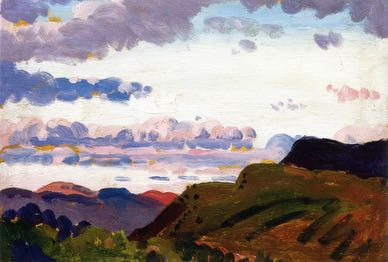
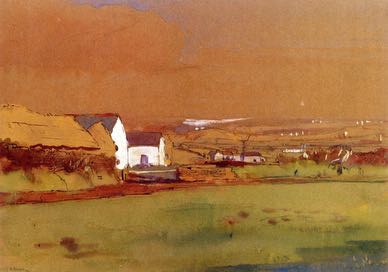
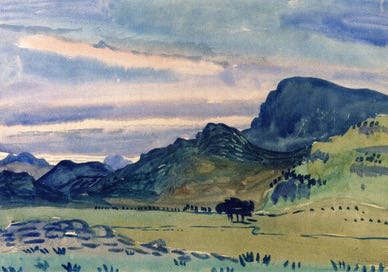
Innes’s affinity for color set him apart from his contemporaries. His landscapes often featured intense, unexpected hues—purples, deep blues, fiery oranges—that transformed familiar scenes into something almost otherworldly. This approach reflected his belief that landscapes were not just physical places but realms of personal and emotional resonance. His work displayed a sensitivity to atmosphere, light, and changing weather, all of which he expressed through his distinctive color palette and fluid brushstrokes.
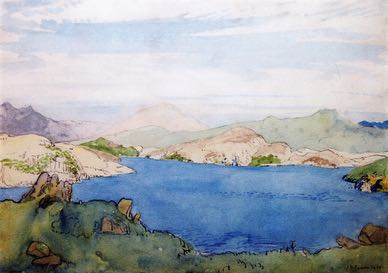
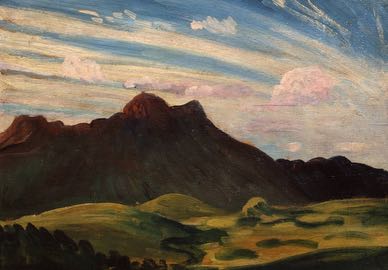
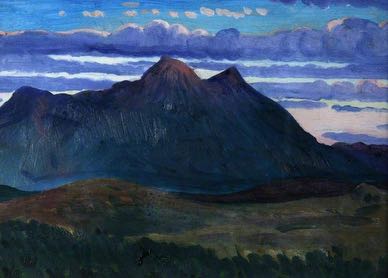
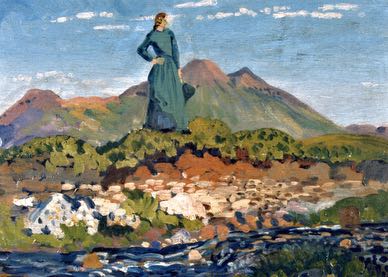
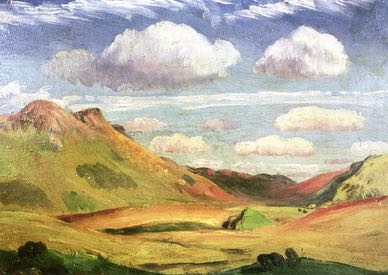
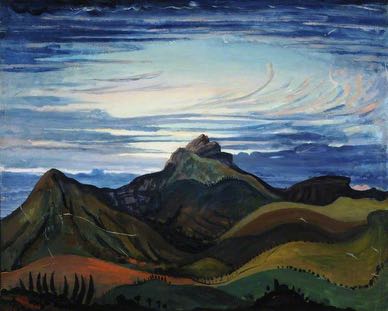
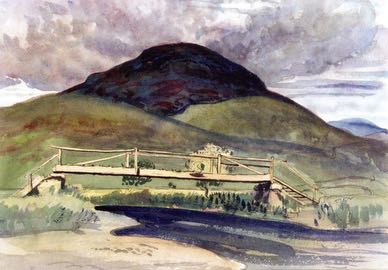
Much of Innes’s most iconic work centers around Arenig Fawr, a mountain in Snowdonia, North Wales. He returned to this location repeatedly between 1911 and 1913, captivated by its isolated grandeur and shifting moods. Innes often painted Arenig Fawr alongside fellow artist Augustus John, with whom he shared a close friendship and mutual influence. Together, they explored the Welsh landscape in a series of plein-air sessions, painting in the open air to capture the immediate experience of nature. These Arenig Fawr landscapes remain some of Innes’s most celebrated works, noted for their intense color and emotional depth.
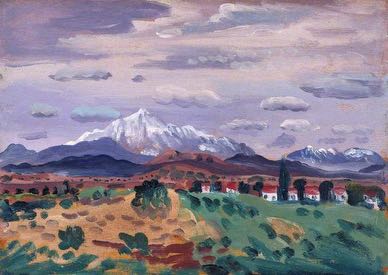
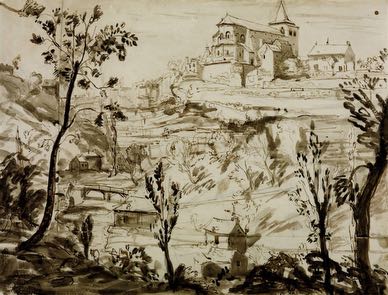
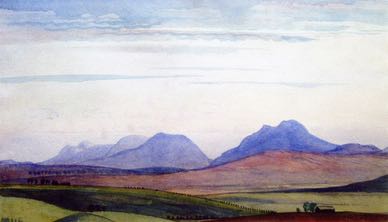
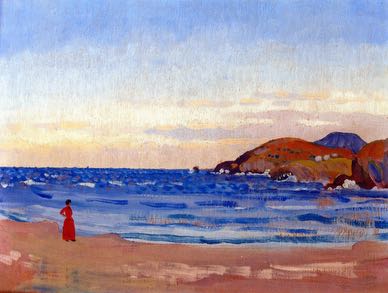
In addition to his Welsh landscapes, Innes also spent time painting in the Pyrenees, where he created a series of works that reflect his fascination with the rugged, mystical qualities of mountainous terrain. His Pyrenees paintings often have a dreamlike quality, with rich, atmospheric colors that give the landscapes a timeless and almost surreal appearance. These works reveal Innes’s ability to capture the sense of a place while infusing it with his unique vision and sensitivity to nature’s power.
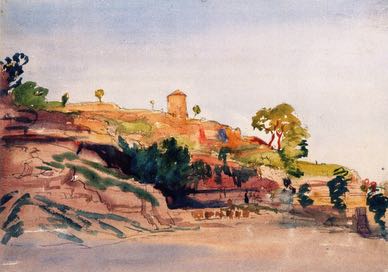
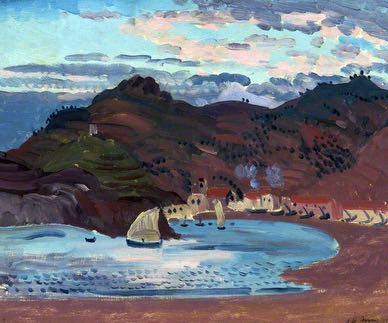
Unfortunately, Innes’s promising career was cut short due to his battle with tuberculosis, a disease that was common and often fatal in his time. His declining health forced him to seek warmer climates, leading him to Spain and the French Riviera in search of relief. However, the illness ultimately proved fatal, and he died in 1914 at the young age of 27. Despite his brief life, Innes’s impact on British modernism was profound, as he left behind a body of work that continues to be celebrated for its innovation and emotional resonance.
Today, James Dickson Innes is remembered as a pioneering artist who brought a unique, expressive style to British landscape painting. His works are housed in major British collections, including the Tate, and his legacy endures as one of a young, visionary artist who captured the beauty and mystery of nature with an unmatched intensity and depth. Through his landscapes, Innes invites viewers into a world where color and emotion reign, transforming ordinary mountains and valleys into realms of wonder and introspection.
Copyright © 2026 BrushWiz. All Rights Reserved.