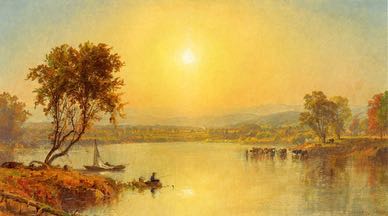
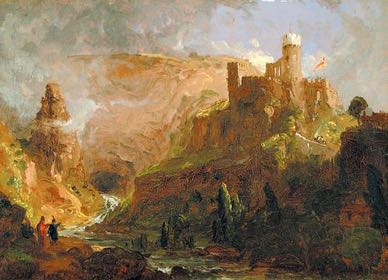
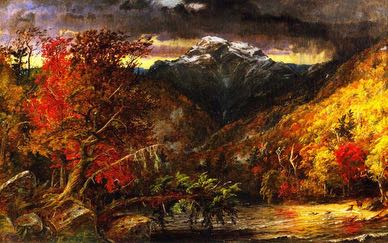
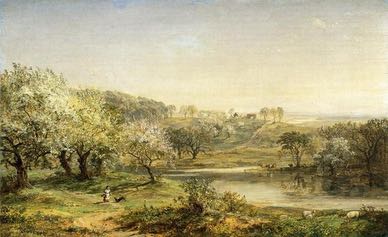
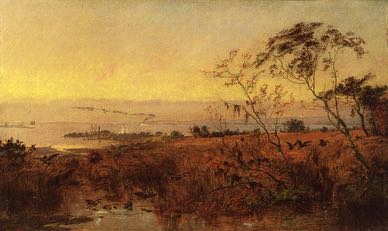
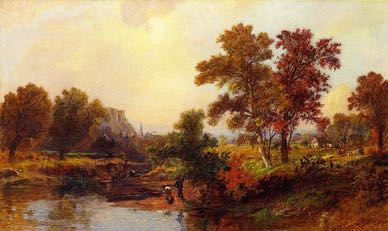
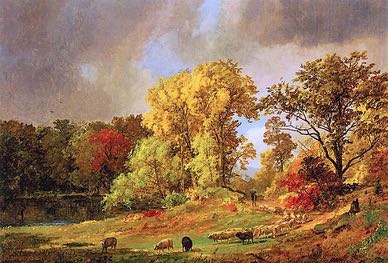
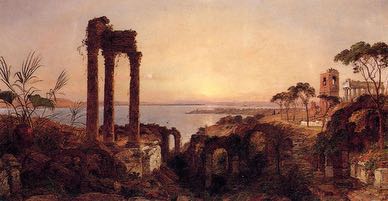
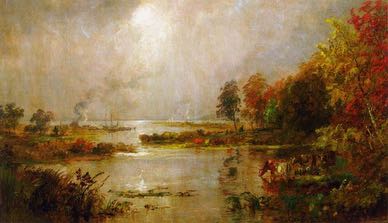
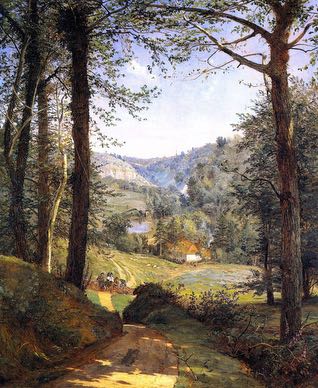
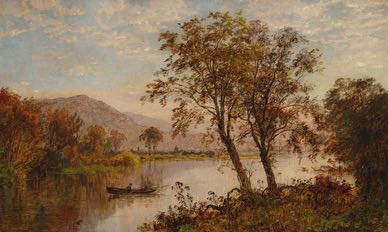
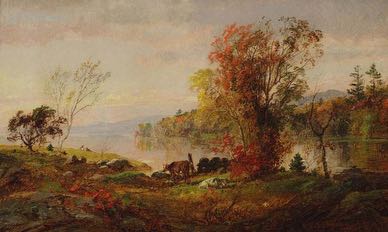
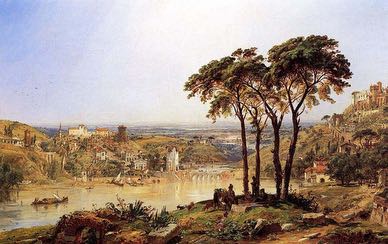
Born in Rossville, Staten Island, Cropsey displayed a precocious interest in both art and architecture. By the age of 14, he had already earned diplomas from the American Institute of the City of New York and the New York Mechanics’ Institute. His architectural apprenticeship under Joseph Trench, a prominent architect, marked the beginning of his formal education. Trench encouraged Cropsey's budding artistic talent by arranging watercolor lessons, which would serve as the foundation for Cropsey's future endeavors. Cropsey also attended the National Academy of Design, solidifying his skills and artistic vision.
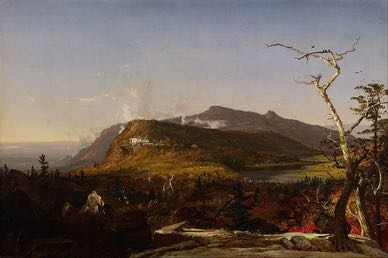
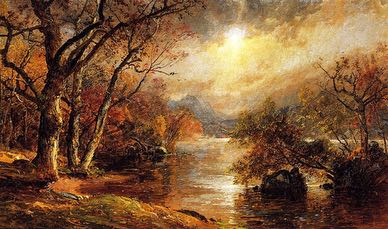
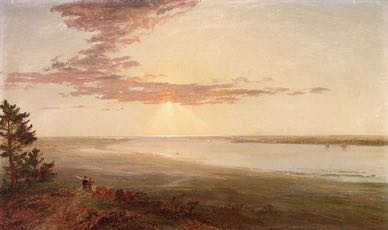
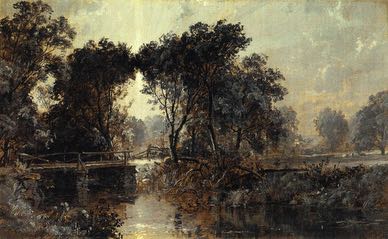
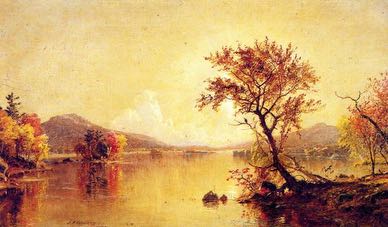
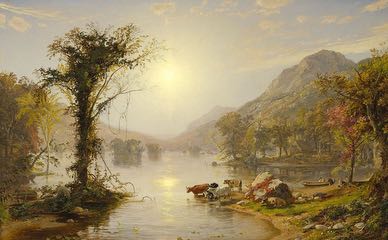
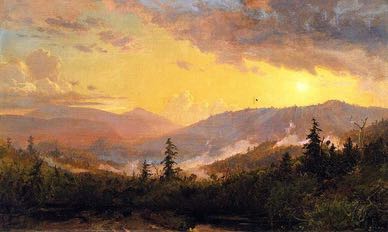
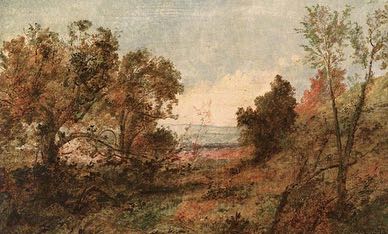
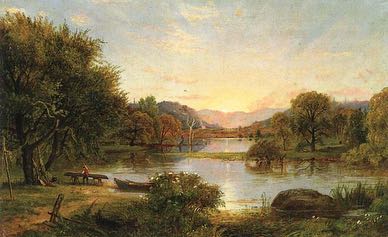
In 1843, Cropsey launched his own architectural practice, though his heart was increasingly drawn to painting. His first exhibit at the National Academy of Design that year led to his election as an associate member in 1844 and as a full academician in 1851. By 1846, Cropsey had dedicated himself entirely to landscape painting, especially captivated by the beauty of the Catskills, Greenwood Lake, and the White Mountains. His architectural background continued to influence his work, evident in the clarity of his compositions and precision in depicting forms.
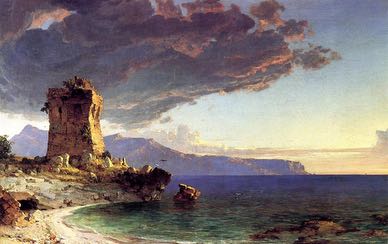
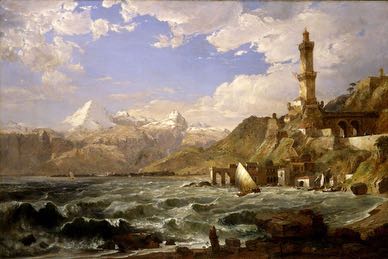
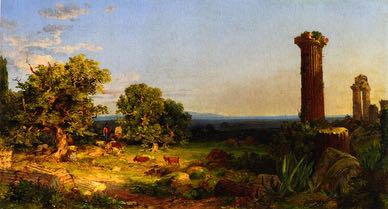
In 1847, Cropsey married and journeyed to Italy for two years, where he created numerous sketches that became the basis for many paintings upon his return to New York. While he was deeply inspired by American landscapes, Cropsey was also influenced by the Hudson River School pioneers, Thomas Cole and Asher B. Durand. His association with these artists led him to embrace their approach to natural beauty, spirituality, and detail in the American wilderness.
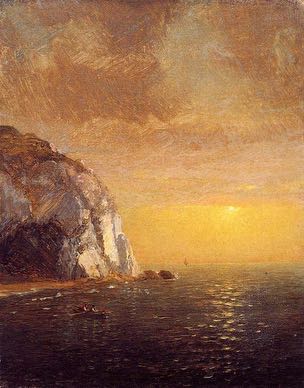
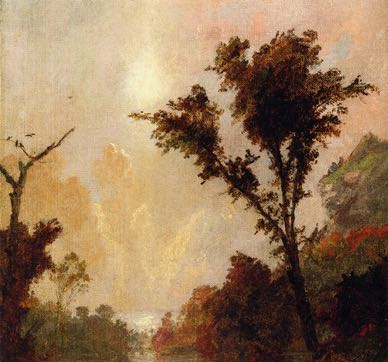
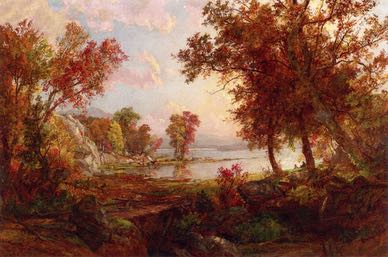
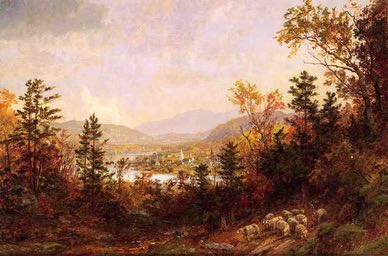
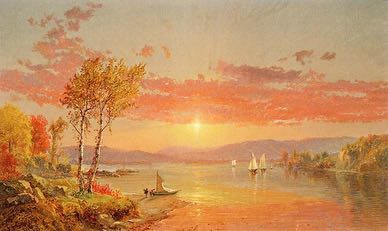
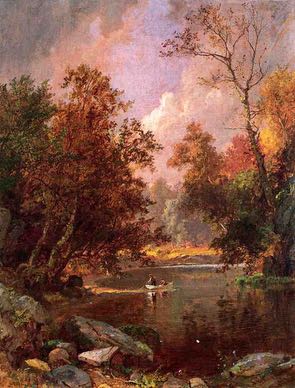
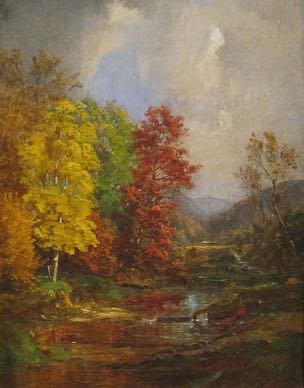
Cropsey traveled extensively through Europe from 1847 to 1849 and returned in 1856 to reside in England, where his precise, luminous style gained widespread acclaim. His autumn landscapes, in particular, drew attention for their bold, vibrant colors, winning him popularity among the English nobility and in the press. During his travels, he frequently returned to sketch the White Mountains, where he created pieces that captured the majesty and essence of the landscape. His attention to natural detail and vivid color palette made him a favorite among European and American collectors alike.
However, as tastes shifted and the popularity of the Hudson River School declined, Cropsey found himself turning back to architecture for financial stability. Despite the changing artistic landscape, Cropsey’s legacy as a first-generation Hudson River School artist remains robust. His dedication to capturing the unique beauty of the American wilderness, particularly in his dazzling autumn scenes, cemented his reputation. Today, he is remembered for his masterful use of color and his ability to evoke both the grandeur and intimacy of nature.
Copyright © 2026 BrushWiz. All Rights Reserved.