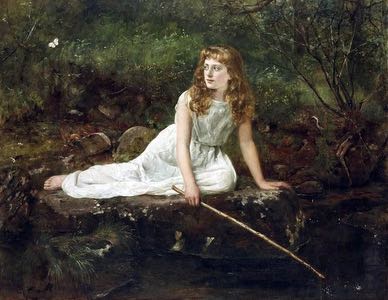
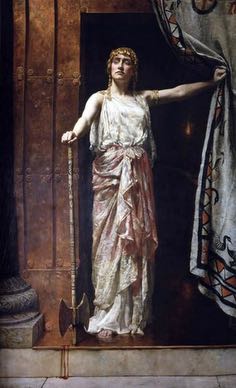
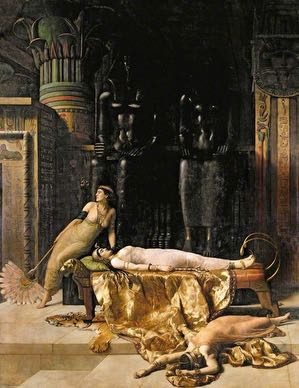
Collier was born in 1850 to an influential family, his father being a judge. His privileged upbringing included a formal education at Eton, and his early interests led him abroad to study German and French. His family had intended for him to enter the diplomatic service, but his passion for painting ultimately prevailed, leading him to pursue art professionally. Supported by his father, he initially sought mentorship under Lawrence Alma-Tadema, a leading Dutch-born painter known for his historical scenes. When that was not possible, he enrolled at the Slade School of Fine Art in London and further honed his skills in Paris and Munich.
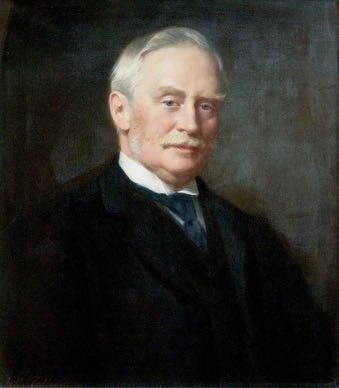
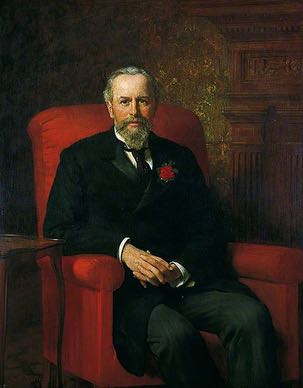
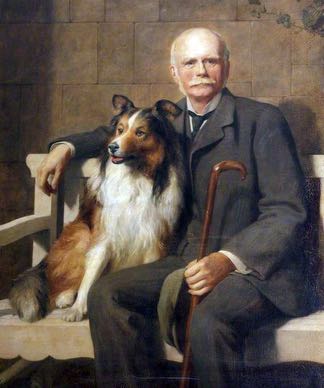
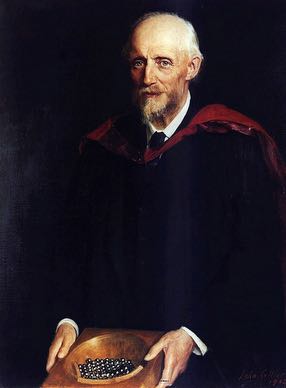
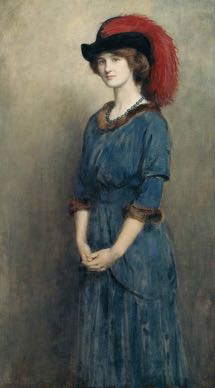
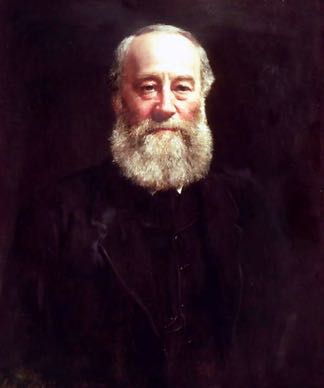
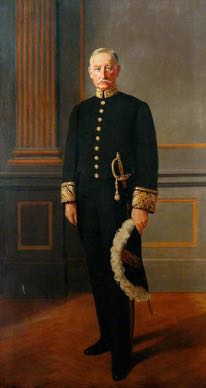
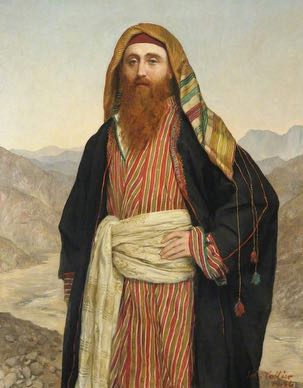
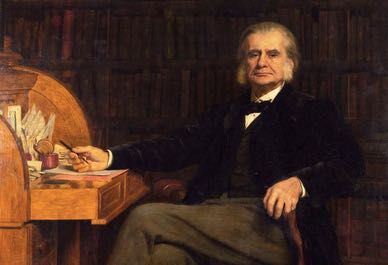
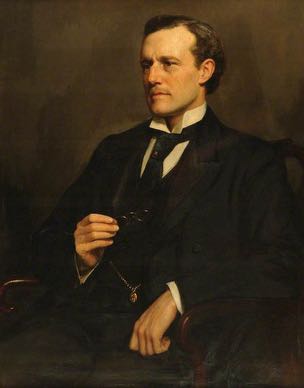
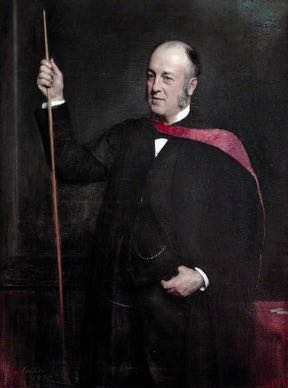
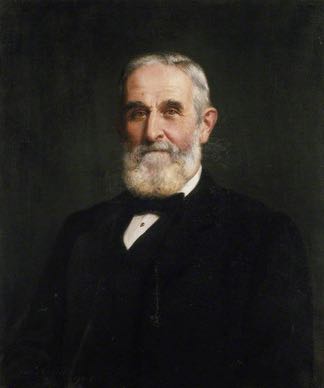
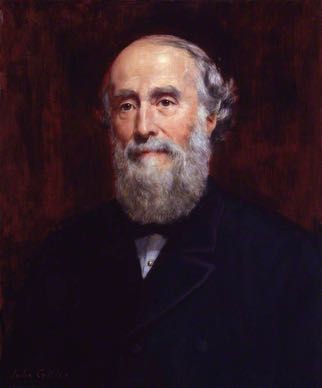
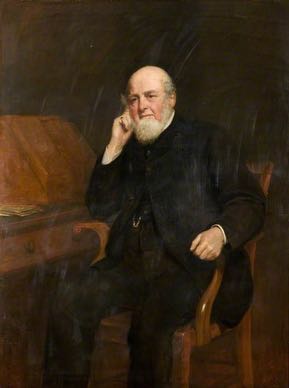
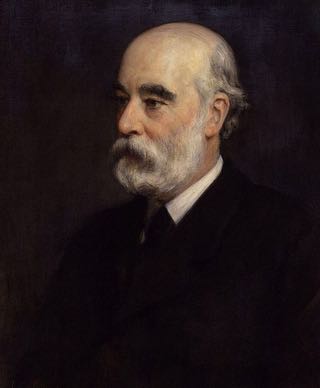
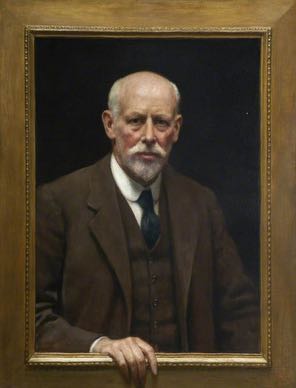
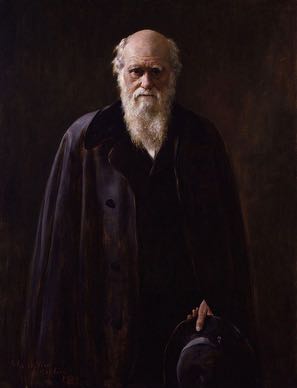
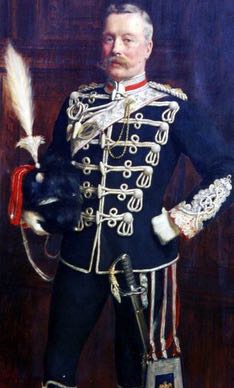
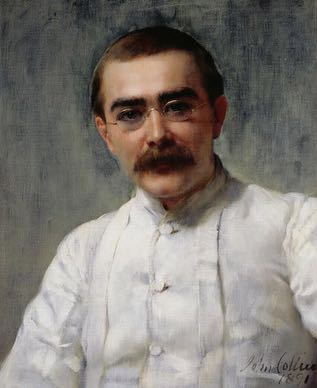
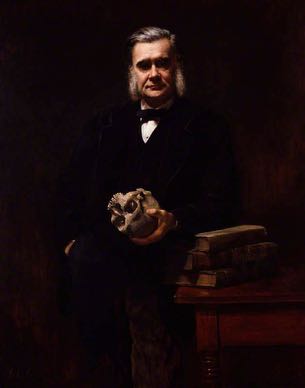
Collier’s connections with the Huxley family significantly influenced his personal life and professional network. His marriage to Marian Huxley, an accomplished painter, and later, after her death, to her sister Ethel, brought him close to the scientific and intellectual elite of the period. As a member of this circle, he painted many notable figures, including Charles Darwin, Rudyard Kipling, and Prince George (later George V), among other luminaries from diverse fields. His extensive portfolio of sitters includes statesmen, military figures, and aristocrats, whose personalities he captured in his famous “John Collier’s Sitters Book,” where he documented the details of each portrait he created.
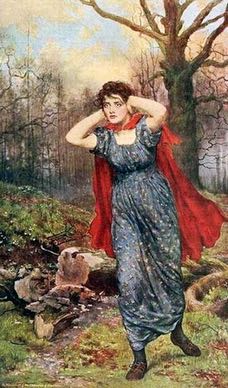
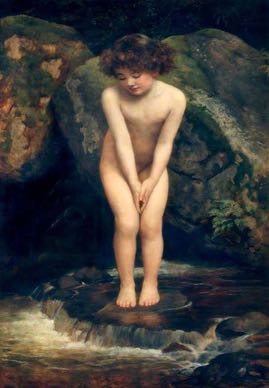
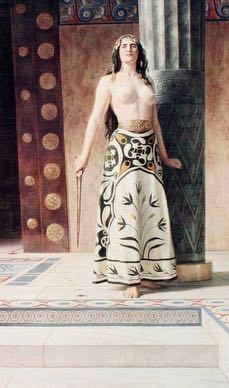
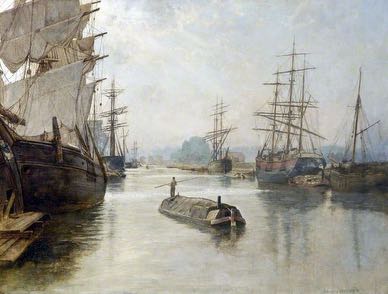
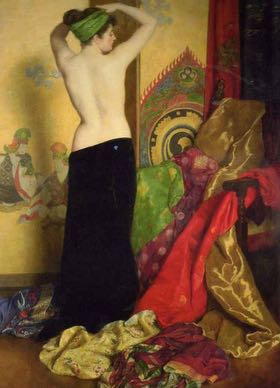
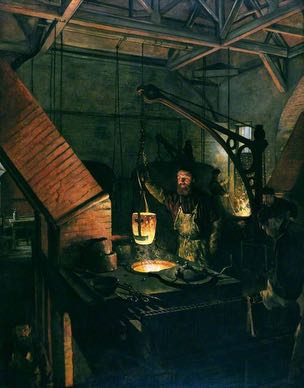
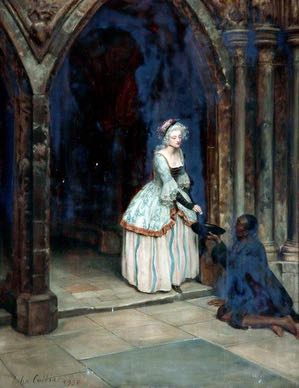
Collier’s work was heavily influenced by John Everett Millais and the theatrical flair of Edwardian society. His portraits often juxtaposed realism with a humorous or satirical edge, displaying an Edwardian sensibility through his dramatic use of light and color. Though his brushwork was sometimes criticized as “flat,” he brought a nuanced approach to color and composition that gave his portraits a unique sense of liveliness and depth. His Edwardian statesmen and high society members, as well as his genre works, reflected the humor, decadence, and grandeur of his era.
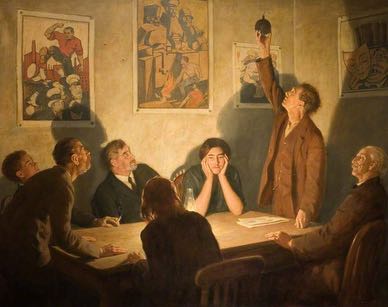
Collier was an active exhibitor at the Royal Academy for over six decades, producing works that engaged with the social and moral themes of his time. Some of these, known as “problem pictures,” were labeled as ambiguous by critics, though Collier himself claimed their meanings were quite clear. In addition to his paintings, Collier wrote several books on art and published illustrations, notably for “Good Words”, an Edinburgh-based magazine. His legacy as a painter and writer endures, recognized for his artistic contributions to portraiture and his insights into the personalities of Edwardian England’s elite.
Copyright © 2026 BrushWiz. All Rights Reserved.