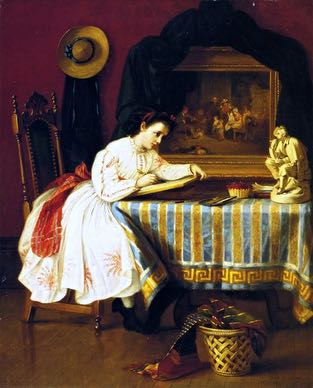
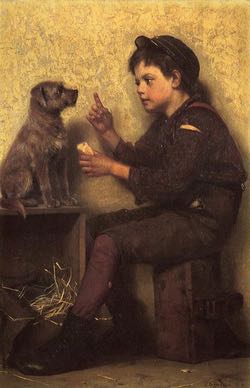
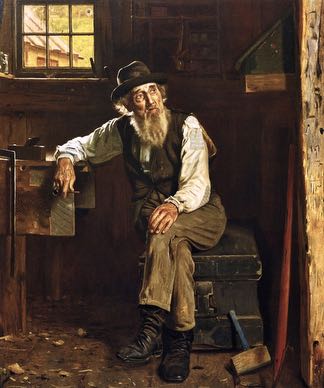
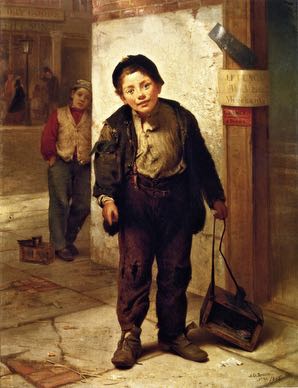
Brown’s inclination for art emerged early, leading him to study at the Edinburgh Academy in Newcastle-on-Tyne and briefly at the Government Royal Academy in London. However, his parents disapproved of his desire to pursue painting professionally, compelling him to take up an apprenticeship in a glass factory. Despite this, he continued honing his artistic skills, studying under William B. Scott during night classes at the Government School of Design. His early artistic ambitions faced a setback when he injured his right hand, yet Brown’s determination led him to persevere.
In 1853, he emigrated to America, settling in New York City, where he pursued further studies at the National Academy of Design with Thomas Seir Cummings. His first jobs in New York included working as a glassblower at the Brooklyn Flint Glass Company, and soon he married the daughter of the company’s manager. This marriage proved to be a turning point, as it provided him with both emotional and financial support. With encouragement from his father-in-law, Brown was able to open his own studio and focus fully on his painting career.
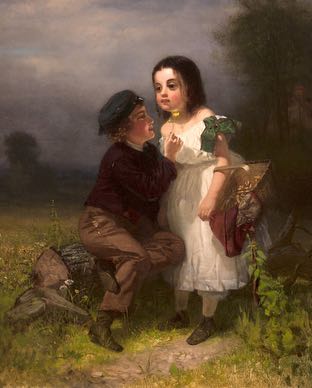
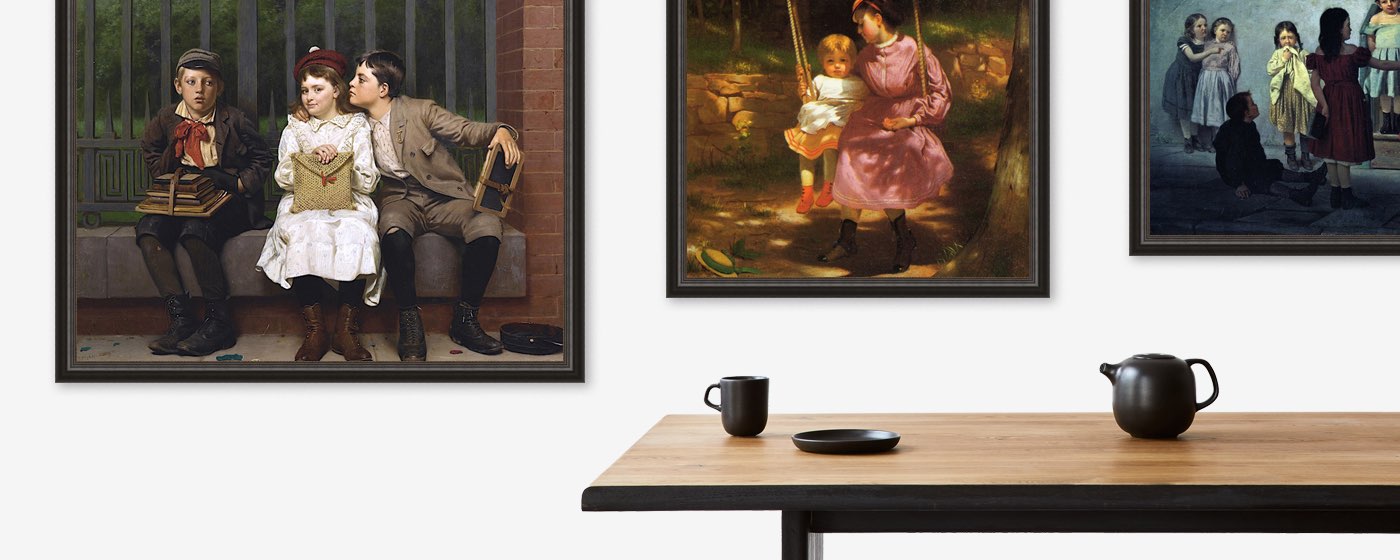
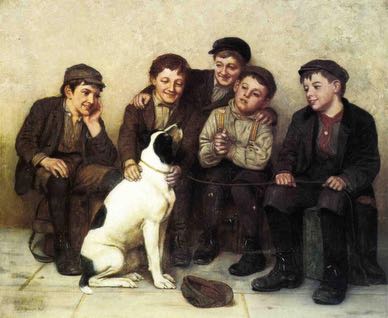
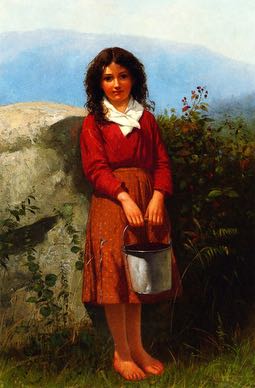
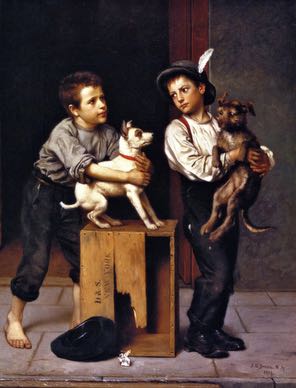
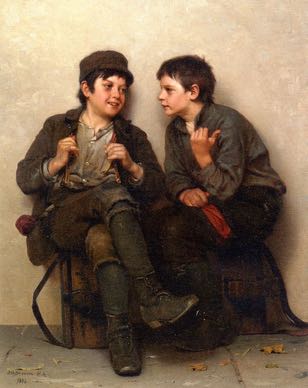
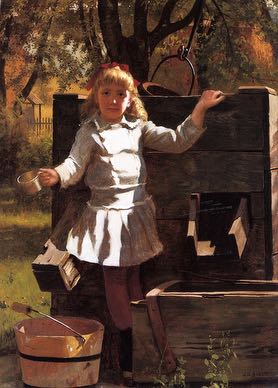
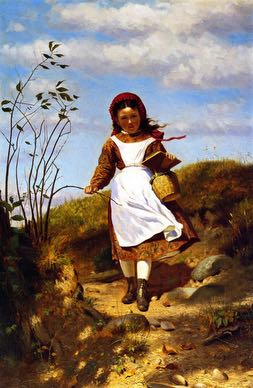
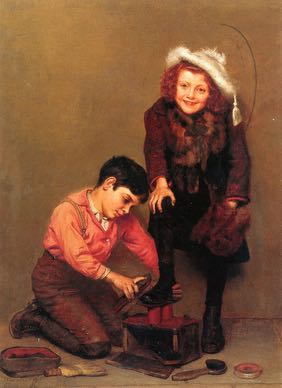
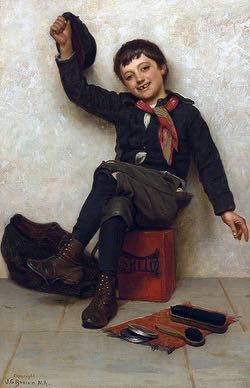
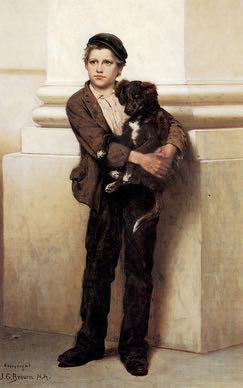
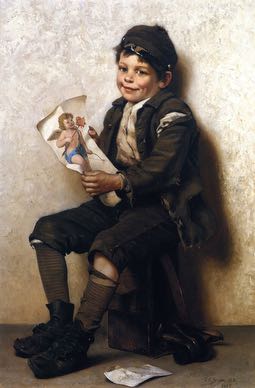
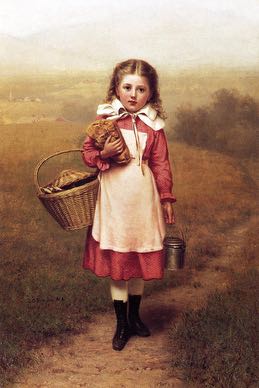
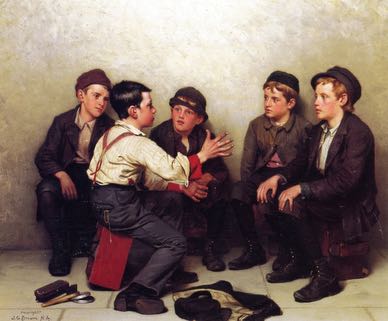
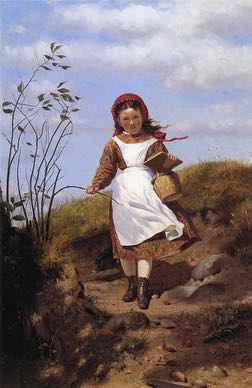
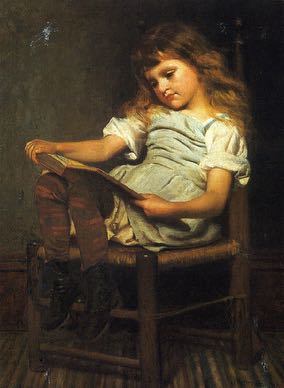
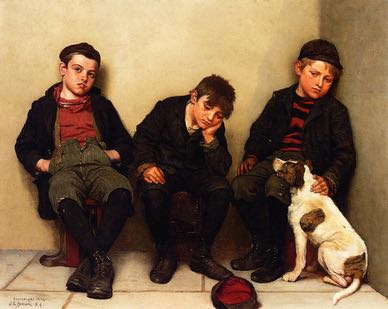
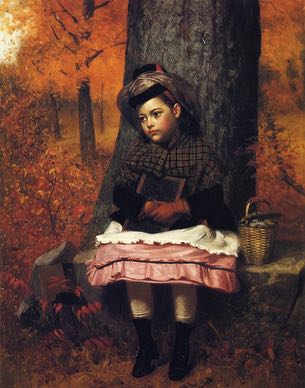
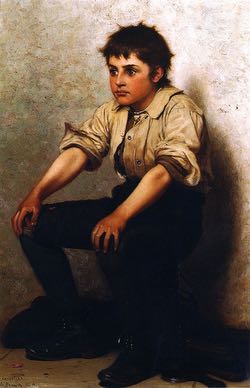
Brown gained popularity for his detailed, uplifting portrayals of street life in New York, focusing on young boys working as shoeshiners, newspaper sellers, and street vendors. His works resonated deeply with the American public, who were captivated by his cheerful representations of street urchins depicted as clean, healthy, and lively—often masking the harsh realities of their lives with an idealized charm. Brown’s works were widely reproduced as lithographs and circulated with tea packages, securing him widespread recognition and substantial royalties. Due to the high demand, he even bought copyrights to his paintings to prevent unauthorized reproductions.
In 1863, Brown was elected an Associate member of the National Academy of Design and became a full member the following year, eventually serving as Vice President. He was also a founding member and later president of the American Watercolor Society, where he played a significant role for over 17 years. Brown supported the burgeoning American School art movement, advocating for an art style distinct from European formalism while maintaining the technical precision he learned in England.
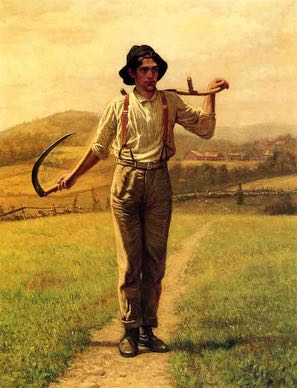
While he painted landscapes for personal satisfaction, Brown never forgot his own humble beginnings and often said that he painted street children not for financial gain, but out of genuine affection and connection. In a statement reflecting this connection, Brown mentioned that many of the children he depicted had risen above their circumstances, becoming prosperous business owners later in life.
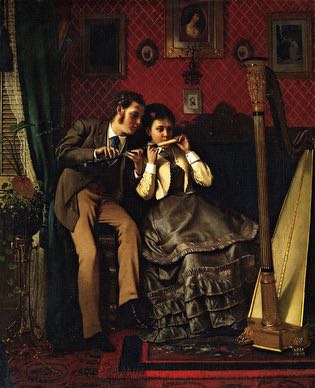
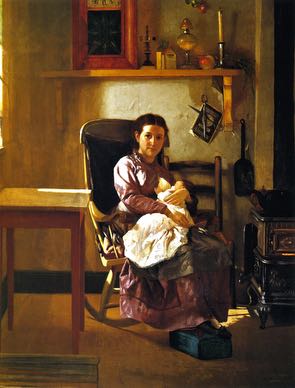
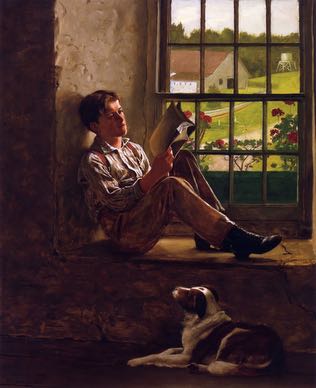
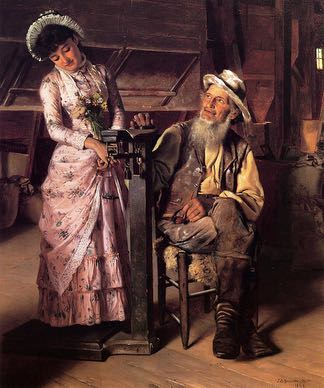
Brown’s approach combined English genre techniques with American themes, capturing the spirit of 19th-century New York with a meticulous attention to detail. His work was hailed as a visual chronicle of the era; Harper’s Weekly named him the most popular American painter in 1882. Though Brown’s color palette was often subdued, his realistic yet idealized representations of street children continue to offer a nostalgic glimpse into a bygone era, making his works timeless depictions of American life in the 19th century.
Copyright © 2026 BrushWiz. All Rights Reserved.