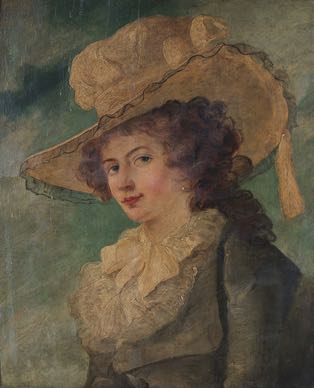
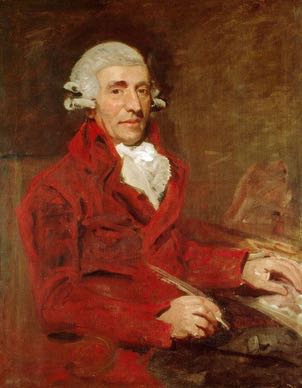
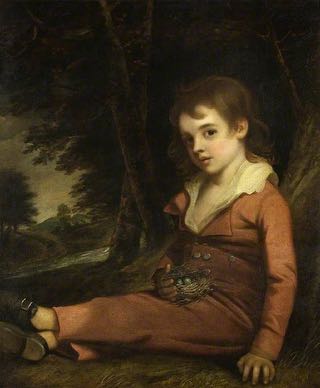
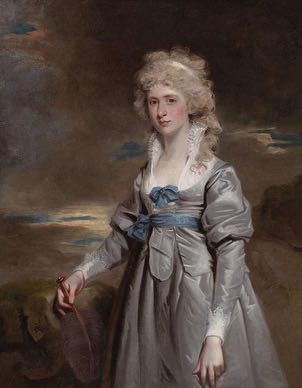
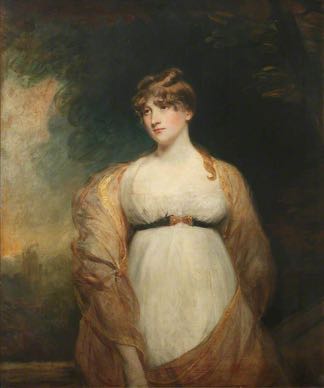
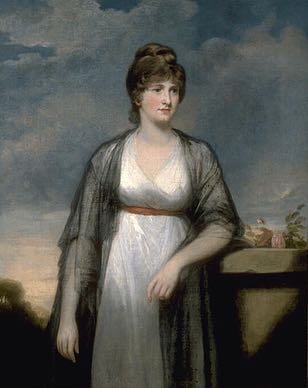
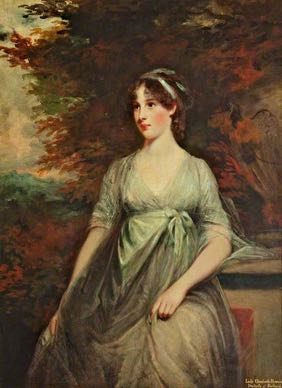
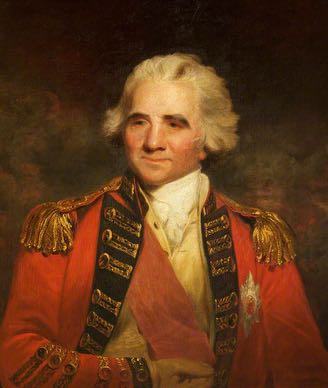
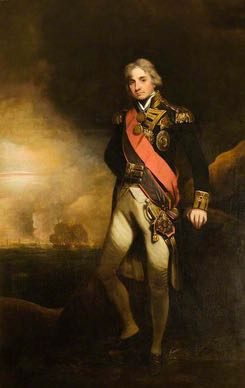
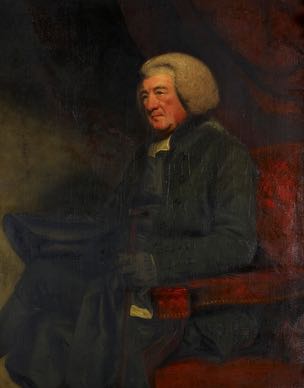
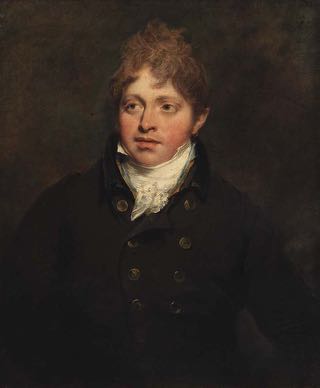
Born in Whitechapel, London, Hoppner was the son of German immigrants. His early life was spent in modest circumstances, but he showed a remarkable aptitude for art from a young age. He attended the Royal Academy Schools in 1775, where he trained under the guidance of Sir Joshua Reynolds, then the premier portraitist in Britain. Reynolds’s influence on Hoppner was profound; he adopted Reynolds’s use of rich, warm tones and his preference for capturing psychological depth, both of which would become hallmarks of his work.
Hoppner’s career took off quickly, and by the 1780s, he was established as one of London’s most sought-after portrait painters. His patrons included members of the British royal family, particularly the Prince of Wales (later King George IV), who appreciated Hoppner’s ability to flatter his sitters while also capturing their character. This royal endorsement bolstered Hoppner’s reputation, allowing him to build a prestigious clientele and compete directly with Thomas Lawrence, who would eventually become the leading portraitist of the period.
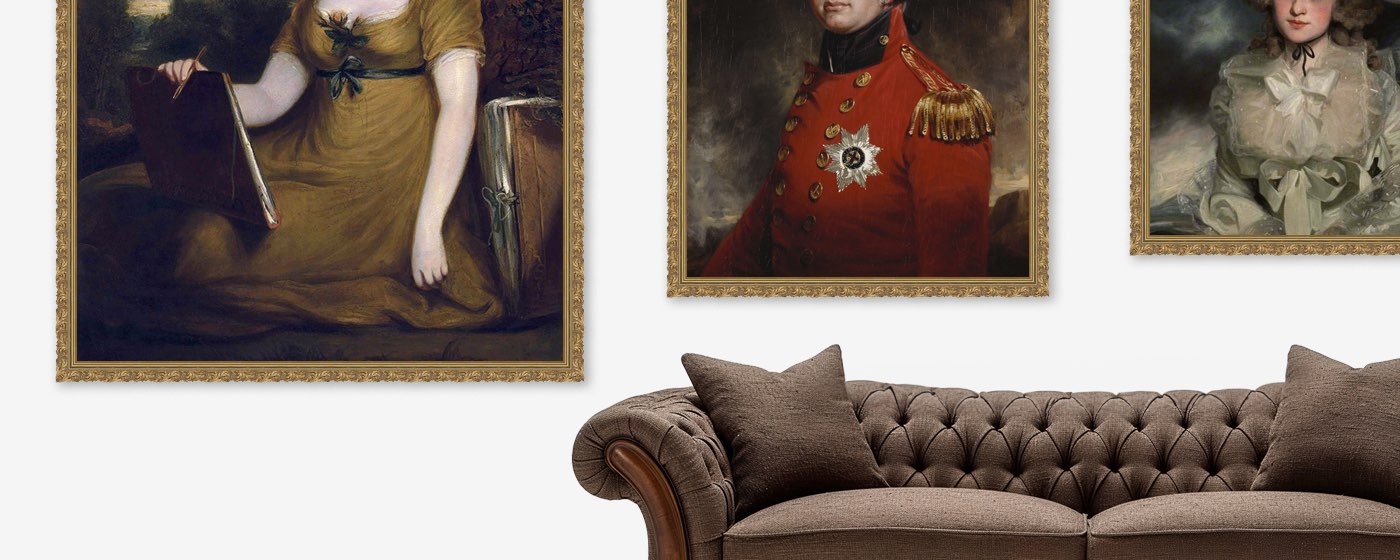
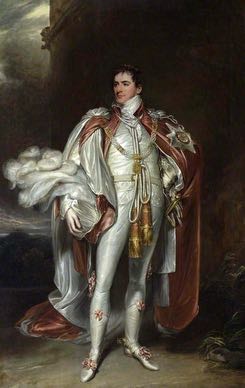
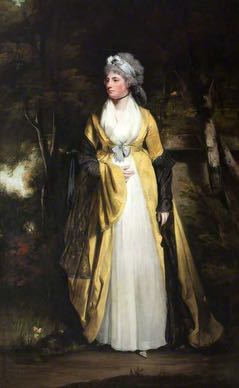
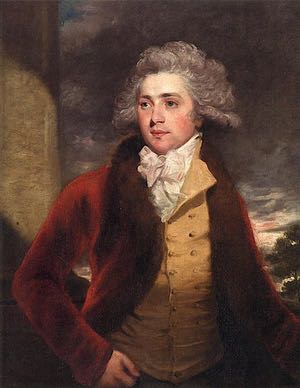
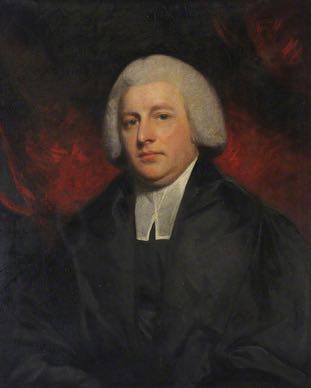
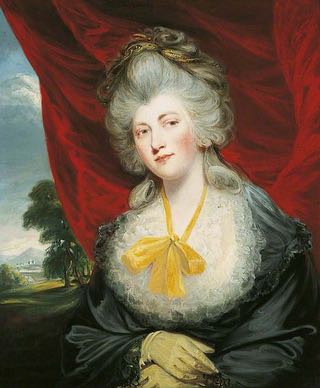
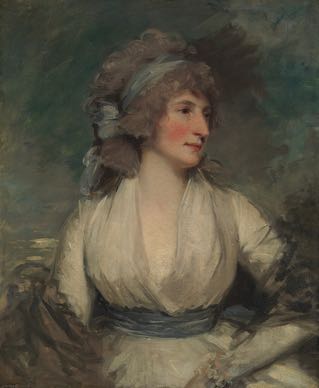
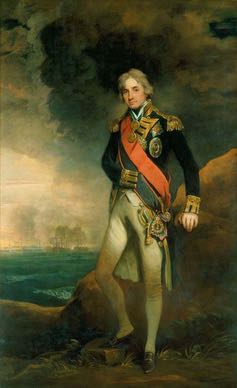
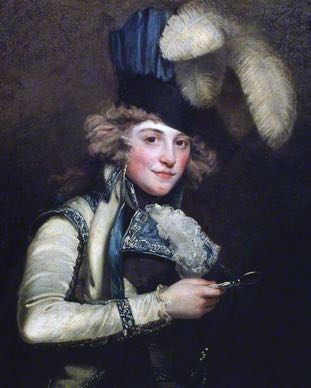
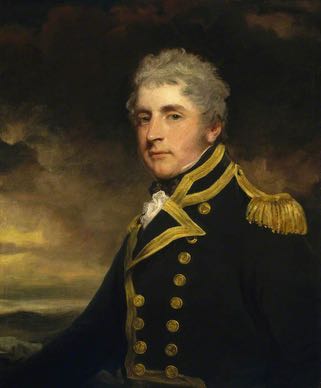
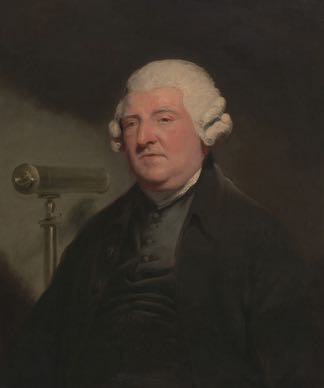
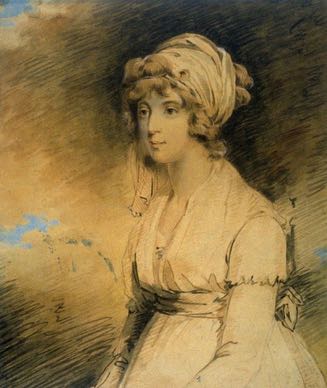
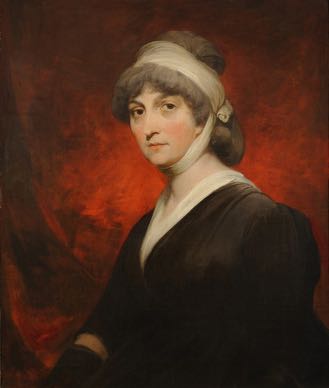
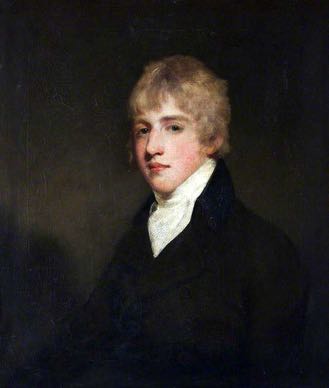
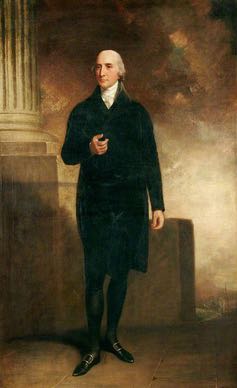
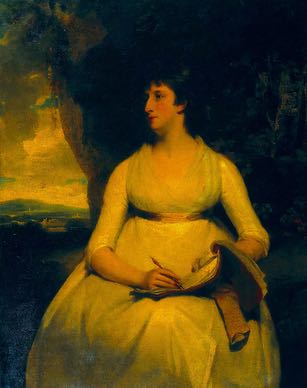
Hoppner’s style is distinguished by its lively brushwork, warm colors, and attention to texture. He skillfully captured the fine details of his sitters’ clothing, using rich tones to create a sense of luxury and elegance. His portraits often include delicate, atmospheric backgrounds that enhance the overall composition without distracting from the sitter. Hoppner’s sensitivity to the personalities of his subjects allowed him to bring out subtle expressions and emotional nuances, lending his portraits a depth that resonated with viewers. His portrayals of women, in particular, are often praised for their grace and charm, while his male portraits convey strength and nobility.
Although Hoppner’s reputation grew steadily, his rivalry with Lawrence presented ongoing challenges. The two artists were frequently compared in style and clientele, leading to competition within London’s elite social circles. Despite this rivalry, Hoppner maintained a prominent position in British portraiture, especially known for his portraits of society women and children, whom he depicted with a distinctive tenderness and naturalism.
In addition to portraiture, Hoppner also painted a number of landscapes, though they were less commercially successful than his portraits. His landscapes reveal an interest in light and atmosphere, showcasing his technical skill and versatility as a painter. However, it was his portraits that solidified his place in British art history, capturing the elegance and refinement of Georgian society.
Hoppner’s health declined in his later years, limiting his ability to work, and he passed away in 1810 at the age of 52. Despite his relatively short life, he left behind a significant body of work that reflects both his technical mastery and his ability to capture the spirit of his age. Today, his portraits are held in major collections, including the National Portrait Gallery and the Tate Britain, where they continue to be celebrated for their beauty and insight into British aristocratic life.
John Hoppner’s legacy endures as one of Britain’s finest portraitists, a painter whose work encapsulated the grace, elegance, and sophistication of his era. His portraits remain admired for their sensitivity to character, painterly richness, and the timeless appeal of Georgian portraiture.
Copyright © 2026 BrushWiz. All Rights Reserved.