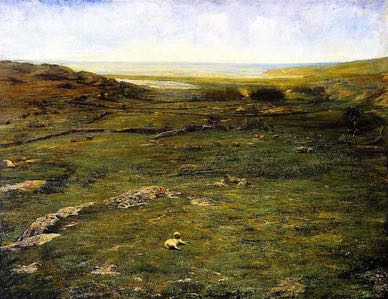
Born in New York City, La Farge received his early education at Mount St. Mary’s University and St. John’s College before traveling to Europe, where he absorbed a variety of influences. In Paris, he briefly studied under Thomas Couture, a prominent French historical painter. While in England, he encountered the works of the Pre-Raphaelites, and in Germany, he delved into the artistry of the Old Masters. These experiences left a lasting impact, prompting La Farge to pursue a career in painting upon his return to the United States. He settled in Newport, Rhode Island, and studied with William Morris Hunt, a respected figure in the Barbizon School known for his landscape painting.
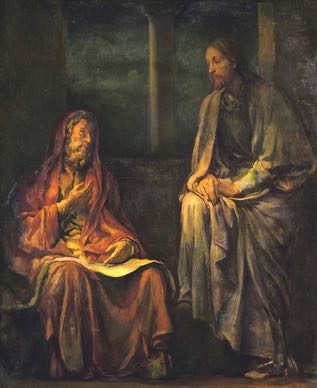
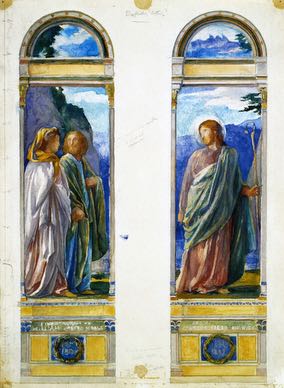
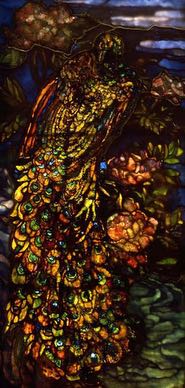
La Farge’s talent was evident in his early works, particularly in his novel use of color and inventive approach to composition. His decorative work on Boston’s Trinity Church marked his first major success as a muralist and solidified his reputation as a distinguished artist. Over time, La Farge became one of America’s foremost decorators of church interiors and grand residences, highly sought after for his murals and painted glass installations. He revived the art of stained glass, a medium that had fallen out of favor, and elevated it to new artistic heights through his intricate, richly colored designs.
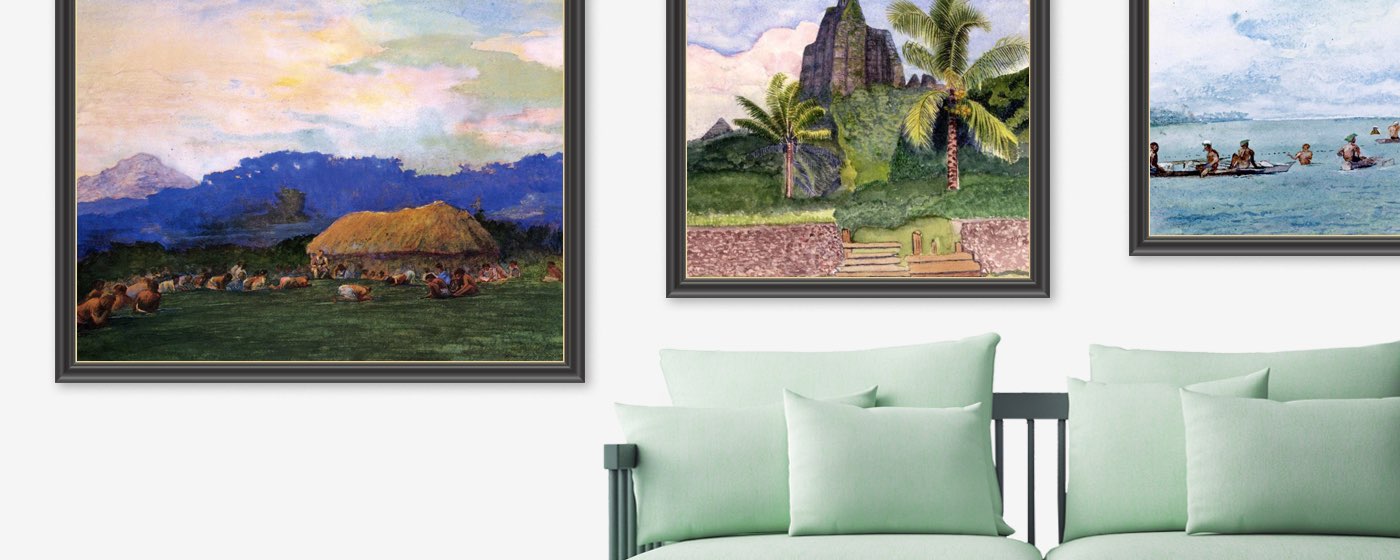
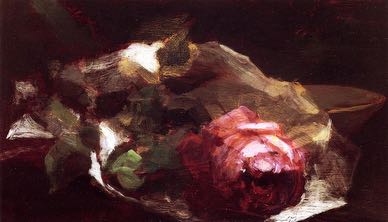
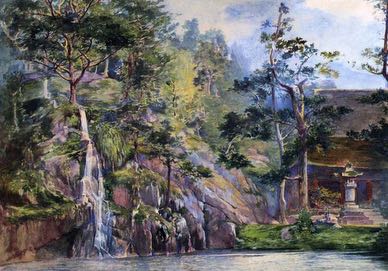
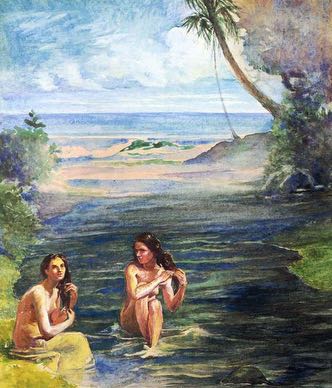
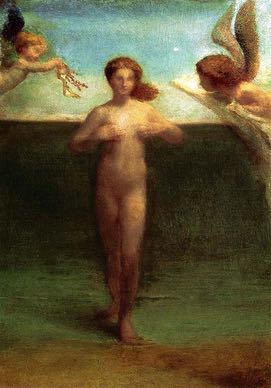
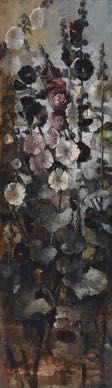
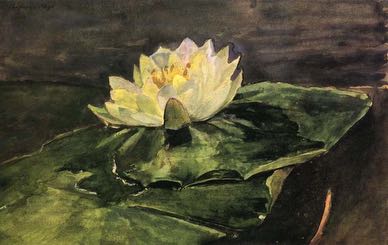
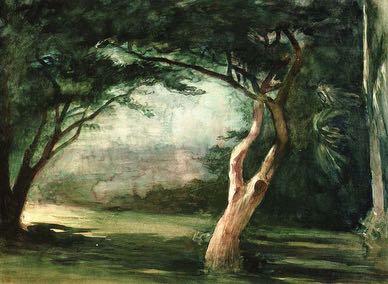
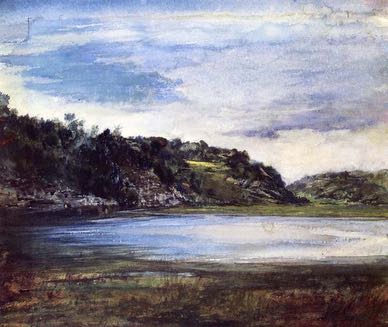
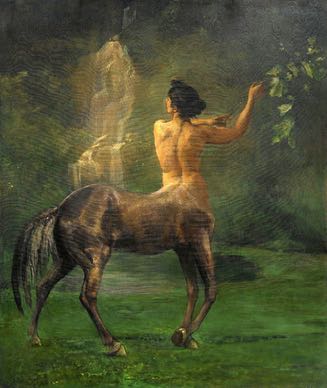
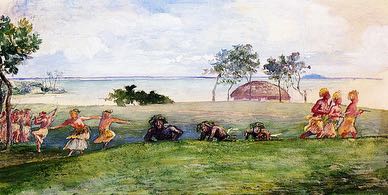
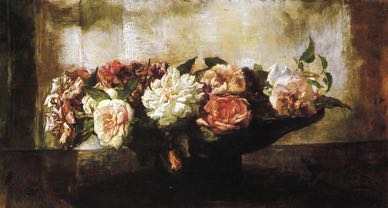
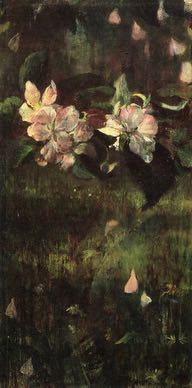
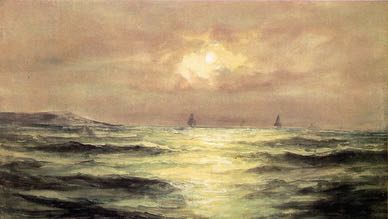
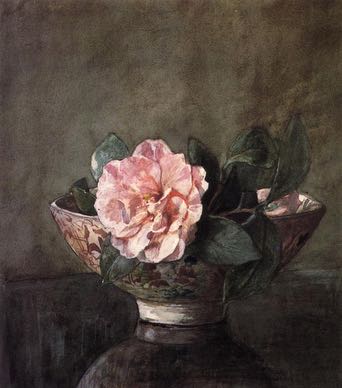
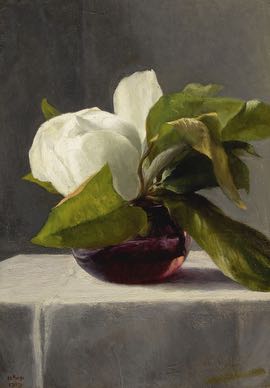
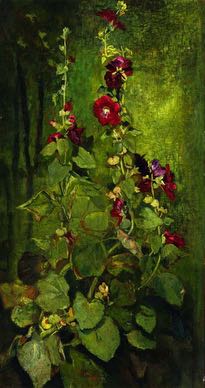
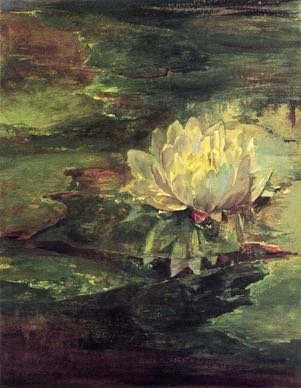
La Farge’s body of work is impressively diverse. His floral watercolors are celebrated for their refined technique, while his romantic compositions evoke mystery and awe. He collaborated with historian and friend Henry Adams on trips to Japan and the South Seas, where he painted exotic landscapes and portraits in oil and watercolor. These works, blending a fascination with the foreign with a precision reminiscent of anthropological study, reveal his skill in capturing both the exotic and the immediate. La Farge’s eclecticism, by modern standards, might seem overambitious; however, he displayed a nuanced understanding of light, figure arrangement, and depth that unified his wide-ranging subjects.
La Farge’s contributions to art were widely recognized in his lifetime. He was honored with the Cross of the Legion of Honor by the French government and served as the president of the National Society of Mural Painters for five years. He was a member of nearly every prominent American art society and was among the first seven artists inducted into the American Academy of Arts and Letters.
Aside from his painting, La Farge was a well-regarded author and lecturer. His illustrations for works by Alfred Tennyson and Robert Browning showcased his keen sense of proportion, structural elegance, and vivid imagination. Through his extensive knowledge of both ancient and modern art, he inspired many artists to explore a more contemplative approach in their own work.
Copyright © 2026 BrushWiz. All Rights Reserved.