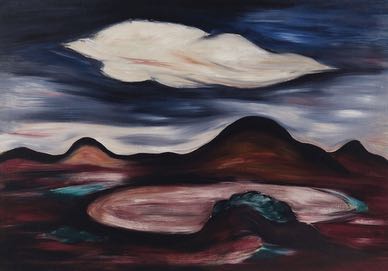
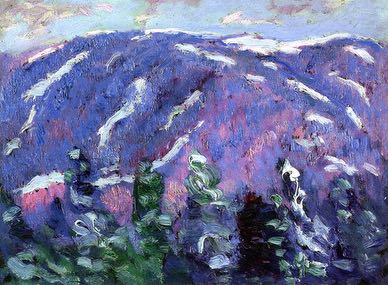
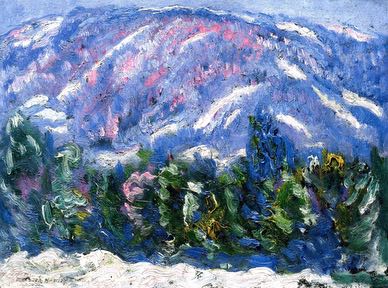
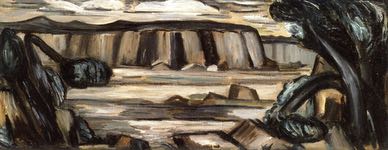
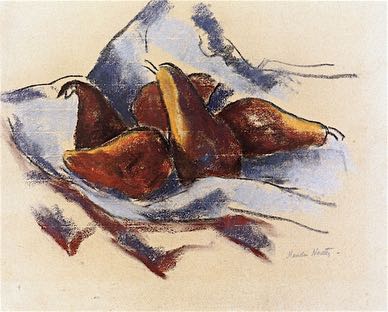
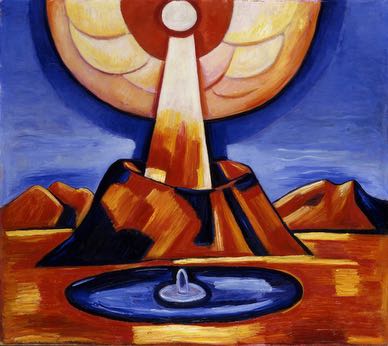
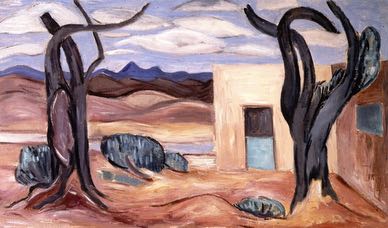
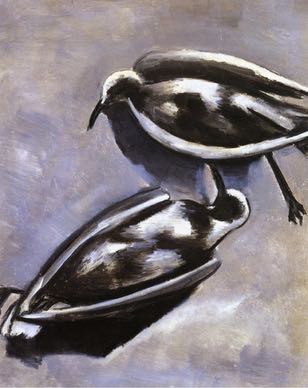
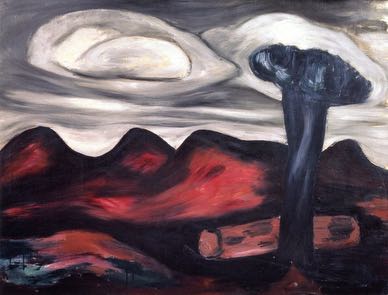
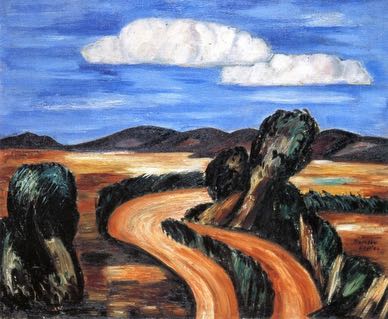
Born in Lewiston, Maine, Hartley’s artistic journey began in Cleveland, where he attended the Cleveland Art Institute. He later moved to New York, studying under William Merritt Chase at the National Academy of Design. Profoundly inspired by the works of Albert Pinkham Ryder, as well as the writings of Walt Whitman, Henry David Thoreau, and other transcendentalists, Hartley’s art took on a spiritual dimension that he would continue to explore throughout his career.
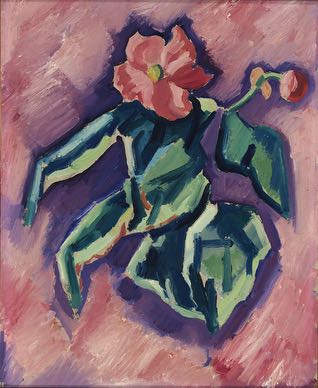
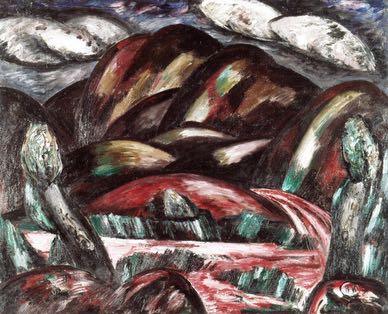
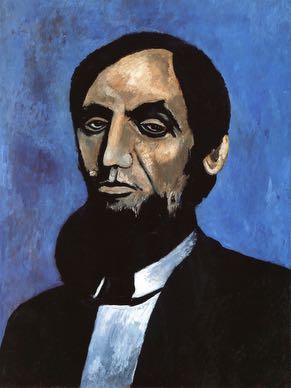
Hartley’s first mature works were created while he lived on a secluded farm near Lovell, Maine. These pieces attracted the attention of Alfred Stieglitz, the influential photographer and art promoter, who exhibited Hartley’s work at his gallery, “291.” Through Stieglitz, Hartley was introduced to the works of European modernists like Cézanne, Picasso, and Matisse, marking a pivotal point in his artistic evolution.
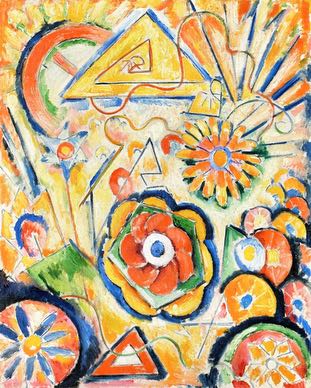
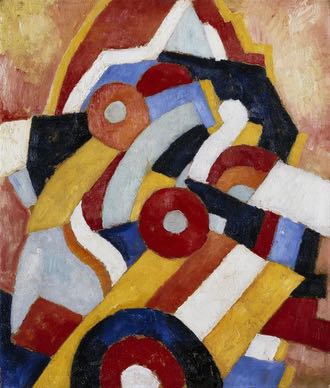
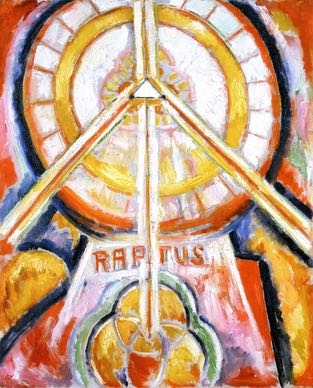
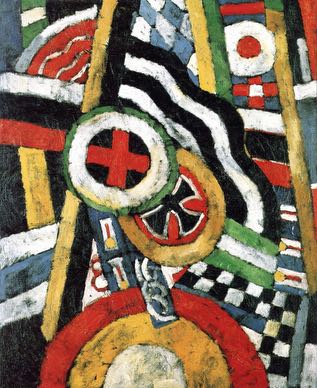
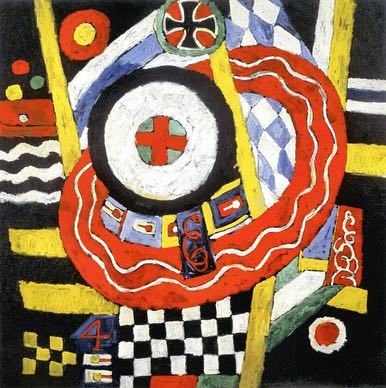
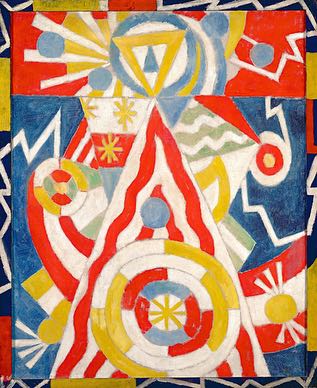
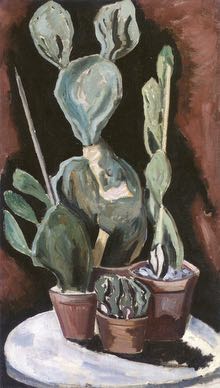
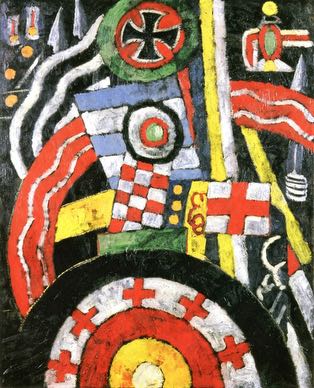
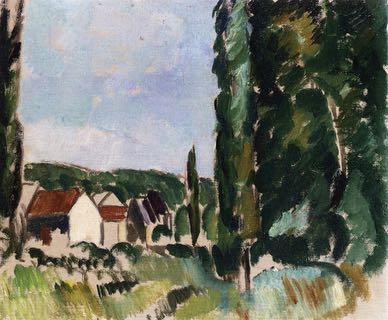
In 1912, Hartley embarked on a transformative journey to Paris, Munich, and Berlin, immersing himself in European modernism. Influenced by the avant-garde, he experimented with Cubism and showcased works with the Blaue Reiter group in Munich. His paintings from this period emphasize stark military themes, with exaggerated, contrasting shapes and rough, black contours—an intense style that reflected the tension and drama of pre-World War I Europe. Later, Hartley would modify his technique, drawing inspiration from Paul Cézanne’s approach to form and color.
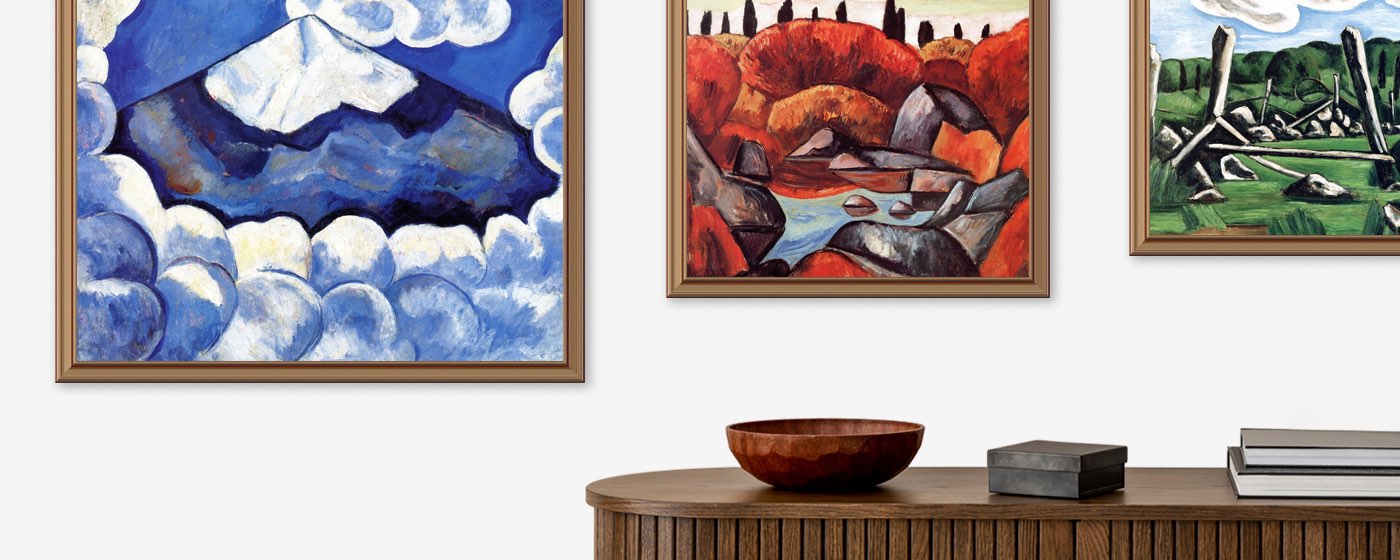
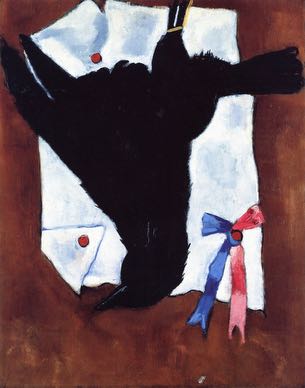
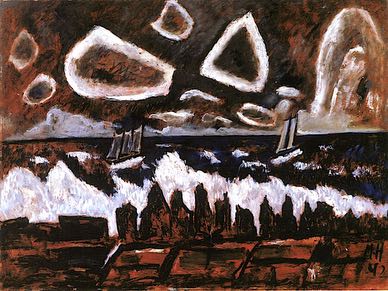
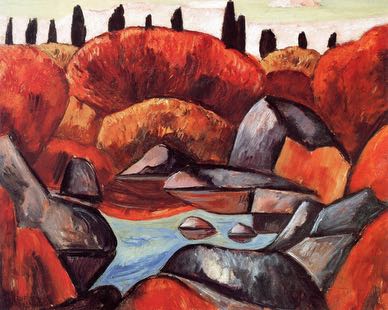
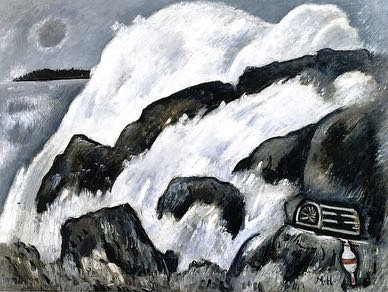
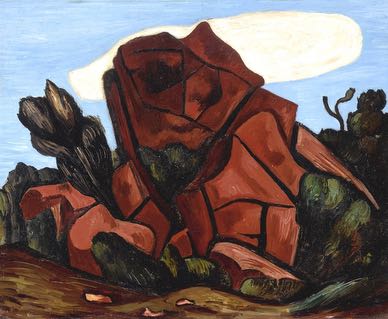
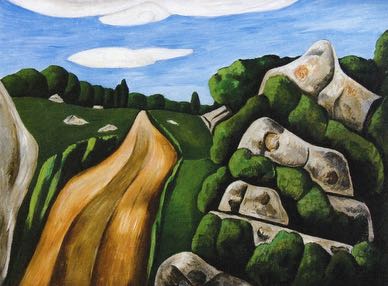
Returning to America in the 1930s, Hartley found his creative voice anew in Maine, Nova Scotia, and along the Atlantic coast. His depictions of Maine’s rugged shorelines, featuring dolmen-like rock formations set against vast skies and turbulent seas, capture the spirit of resilience and humanity’s constant struggle against nature’s raw forces. His paintings from this period resonate with the strength and solitude of the American wilderness, setting him apart as a leading figure in American modernism.
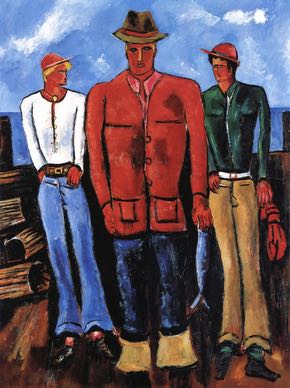
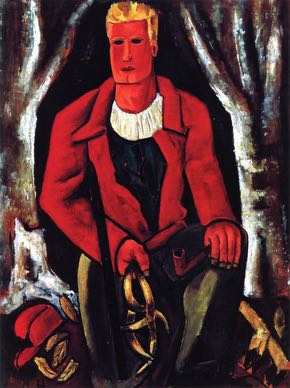
Among Hartley’s most iconic works are his “archaic memory portraits” of Nova Scotia seamen, exhibited in 1938. These powerful, frontal portraits evoke a spiritual presence, reminiscent of Russian icons, where the stoic, hieratic figures embody the strength and dignity of their seafaring subjects. With these pieces, Hartley aligned himself with the American Regionalism movement, emphasizing the distinctive character of “American Art” and capturing the hardships faced by the fishermen and their families.
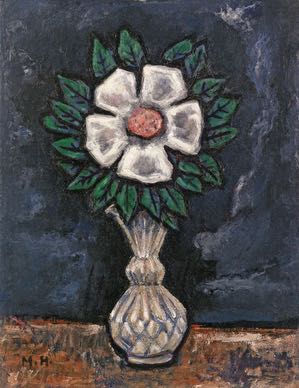
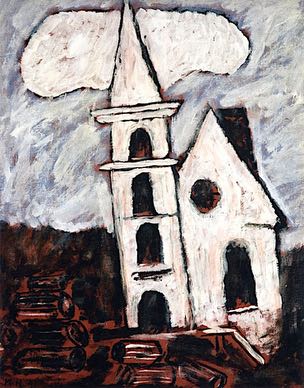
In his final years, Hartley continued to depict scenes around Lovell, Maine, and the Corea coast, leaving a legacy of artworks that embody the resilience and raw beauty of his homeland. He passed away in Ellsworth, Maine, in 1943, but his work endures as a testament to the rugged, poetic spirit of American modernism.
Copyright © 2026 BrushWiz. All Rights Reserved.