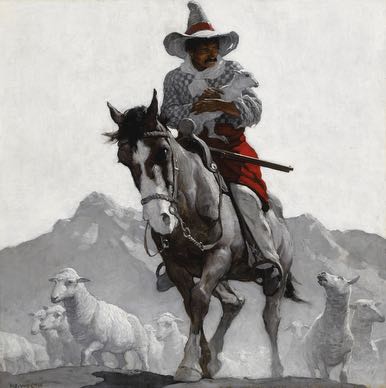
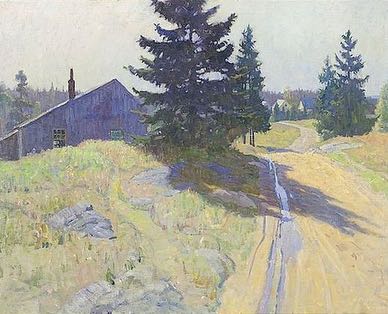
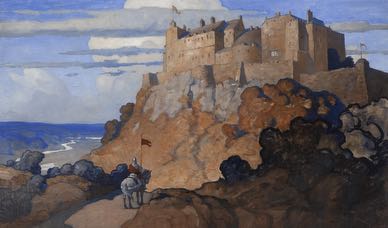
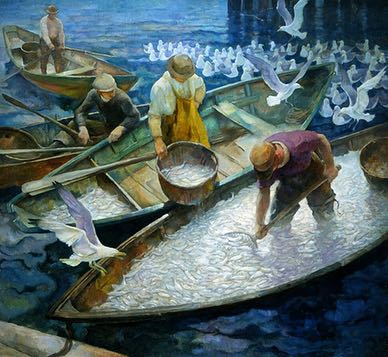
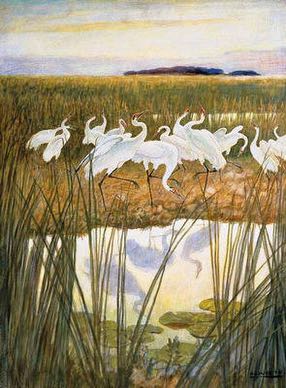
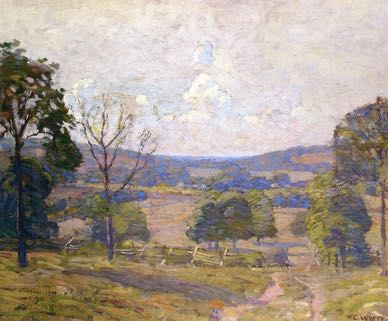
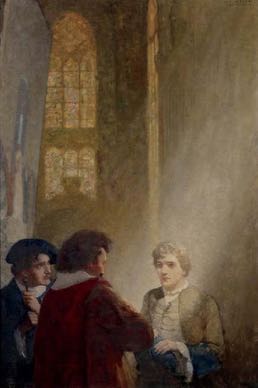
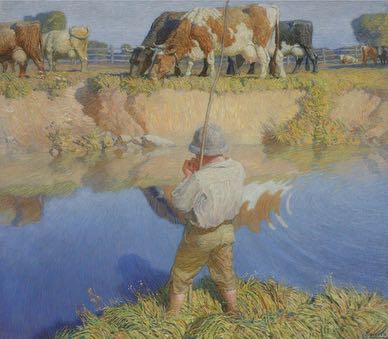
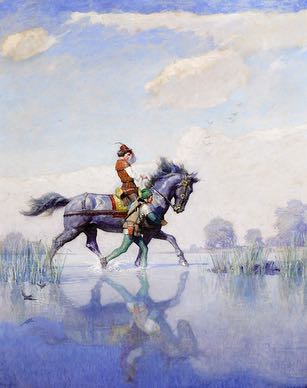
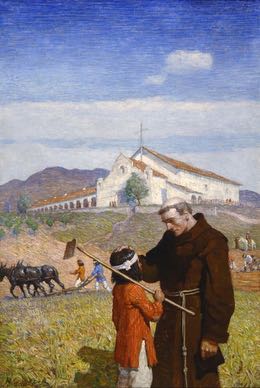
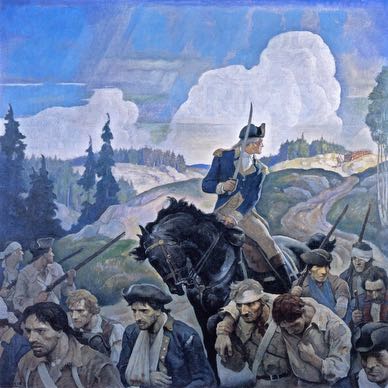
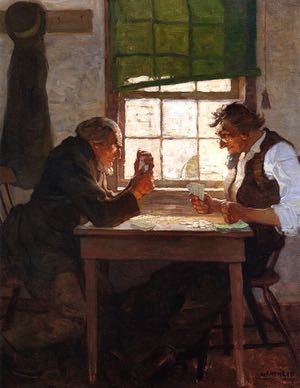
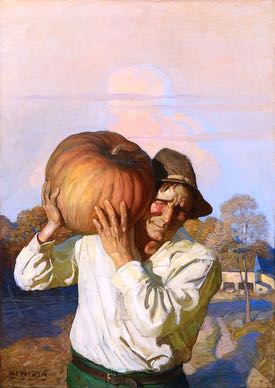
Wyeth’s career blossomed under the mentorship of Howard Pyle, a seminal figure in American illustration who taught him techniques in glazing and storytelling through art. However, Wyeth soon developed his distinctive style, marked by looser brushstrokes and a broader handling of paint. Moving away from Pyle’s meticulous detail, he adopted a style that conveyed drama and mood through bold, sweeping strokes and a mastery of light and shadow. One of Wyeth’s celebrated pieces, “The Indian Lance”, captures a Native American rider at full gallop, his lance aimed downward. Wyeth’s use of earthy tones like yellow, brown, and ochre imbues the scene with a sense of foreboding, while the blur of motion and the rider’s tense expression evoke both the speed and intensity of the moment.
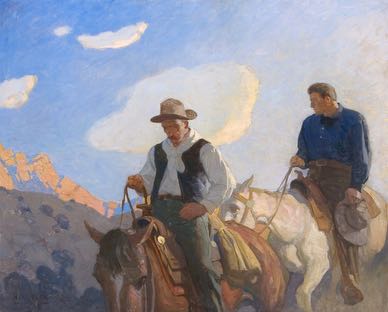
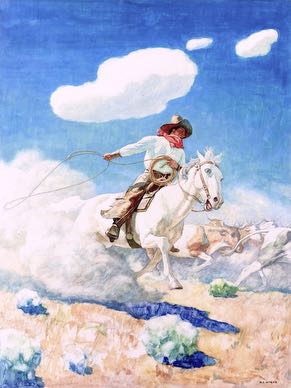
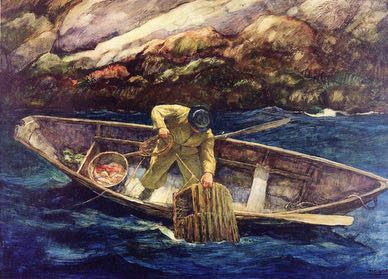
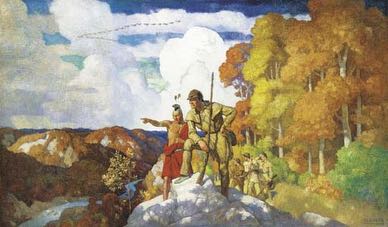
Wyeth’s realist approach and love for direct, legible compositions made his illustrations compelling, even as photography began to rise in popularity and posed a challenge to traditional illustration. Wyeth’s ability to capture atmosphere and action in an accessible, visually impactful way kept his work relevant and in demand. His time in the American West in the late 19th and early 20th centuries left an indelible mark on his work; he spent months with cowboys and Native Americans, observing their way of life firsthand. This immersive experience enriched his palette and inspired his nuanced approach to illustrating scenes of the American frontier and pioneering spirit.
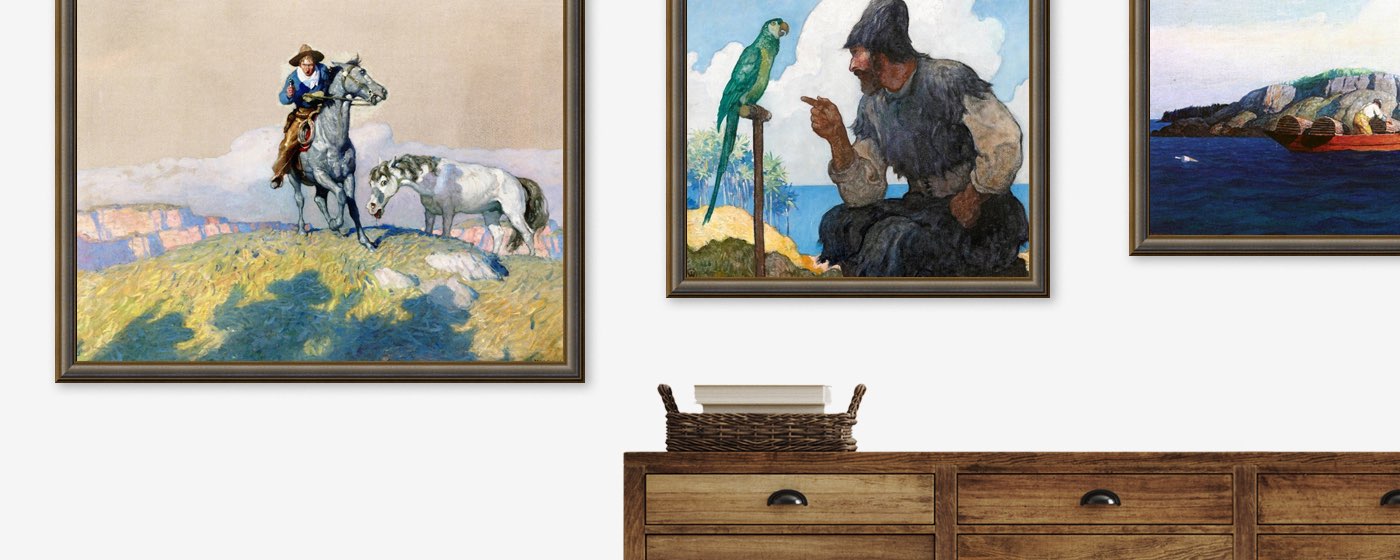
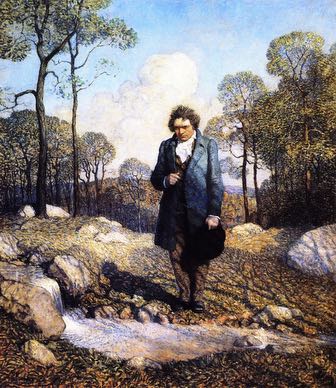
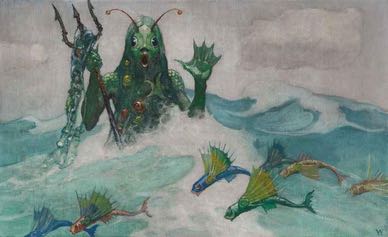
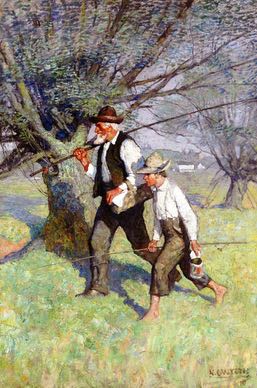
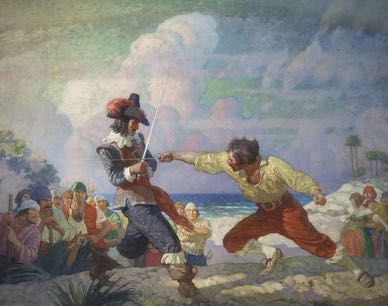
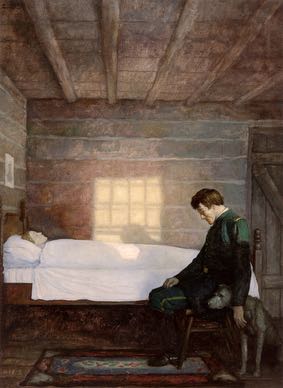
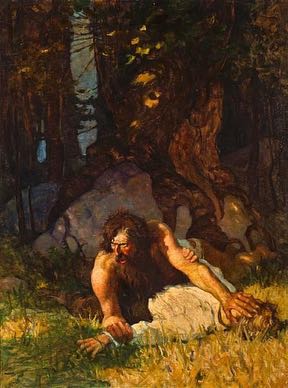
As his career progressed, Wyeth illustrated new editions of British and American classics, bringing to life works by authors such as Robert Louis Stevenson, James Fenimore Cooper, and Daniel Defoe. His iconic, powerful visuals left an enduring impression on generations of readers, establishing a distinct aesthetic in classic book illustration. Later, he began producing murals, including those depicting the Plymouth Pilgrims, which showcased his command of historical narrative through grand-scale painting.
By the time of his tragic accidental death in 1945, N.C. Wyeth had left an indelible mark on American visual culture. His legacy not only endures through his own work but lives on in the artistic achievements of his family, particularly his son, Andrew Wyeth, who also became a significant figure in American art. Wyeth’s bold compositions and expressive realism remain a hallmark of 20th-century American illustration, celebrating the strength of storytelling through art.
Copyright © 2026 BrushWiz. All Rights Reserved.