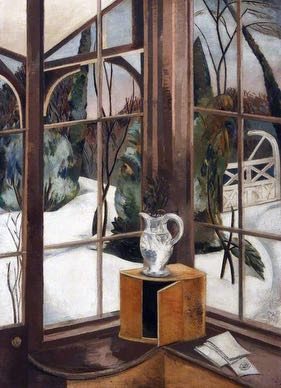
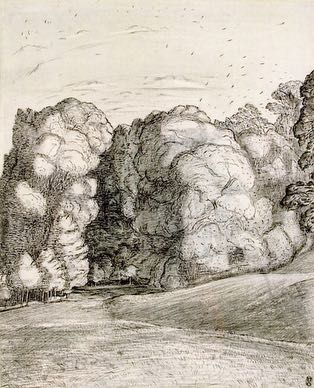
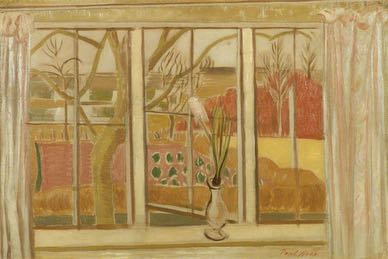
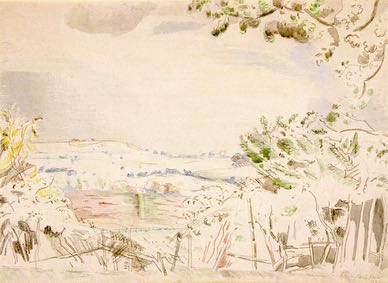
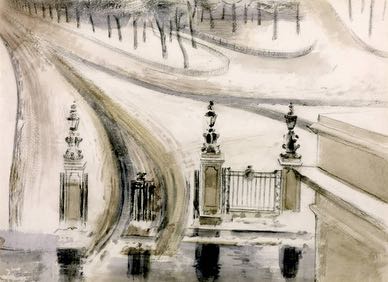
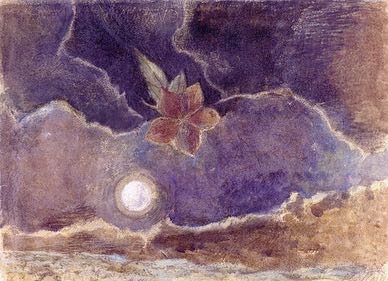
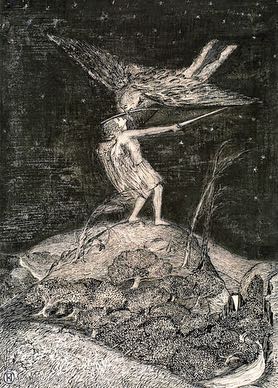
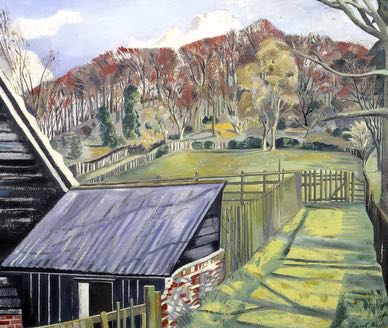
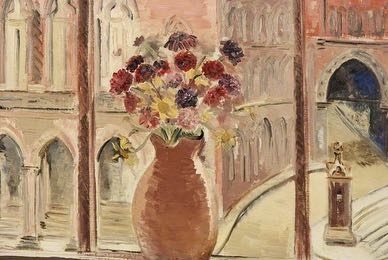
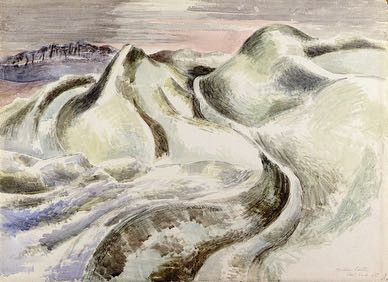
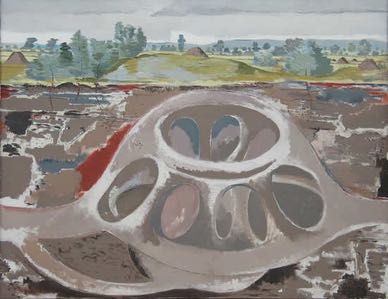
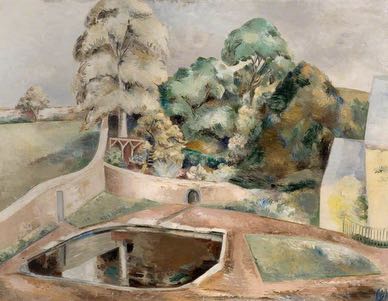
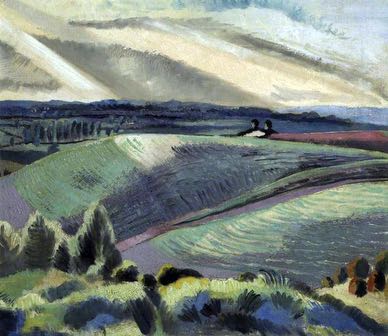
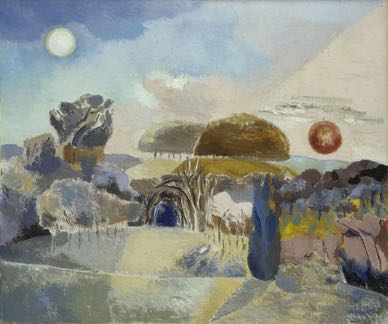
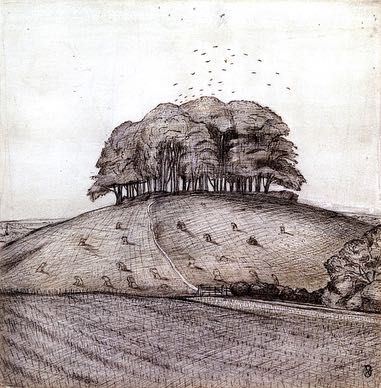
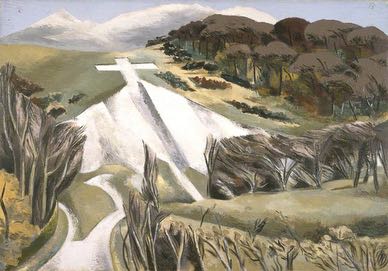
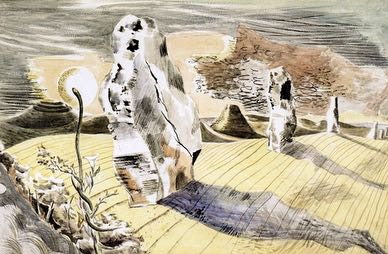
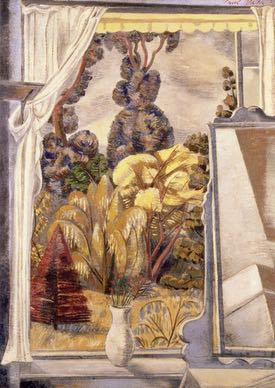
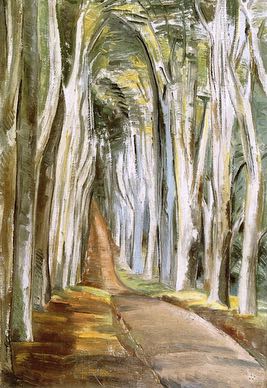
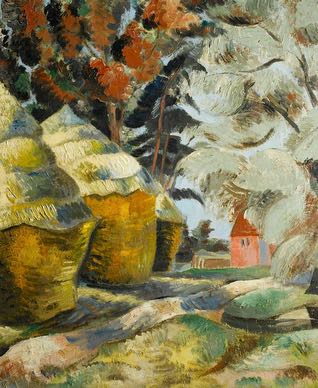
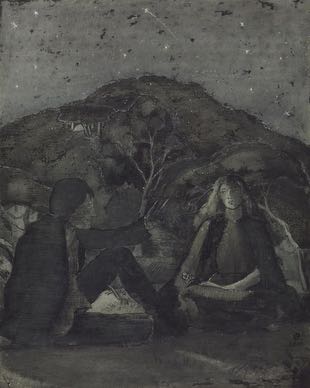
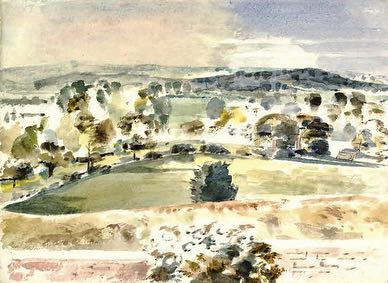
Born in London to a prominent lawyer, Nash attended St. Paul’s School and later Chelsea Polytechnic. He also studied photo-engraving and lithography at the London County Council School. Encouraged by artist William Rothenstein and poet Gordon Bottomley, he joined the Slade School of Art at University College, London. However, uncomfortable with figure drawing, he left after a year. Nash found inspiration in the work of William Blake, Dante Gabriel Rossetti, and Samuel Palmer, and he began his career creating expressive, haunting landscapes, often painted in watercolor with a distinctive, melancholic tone.
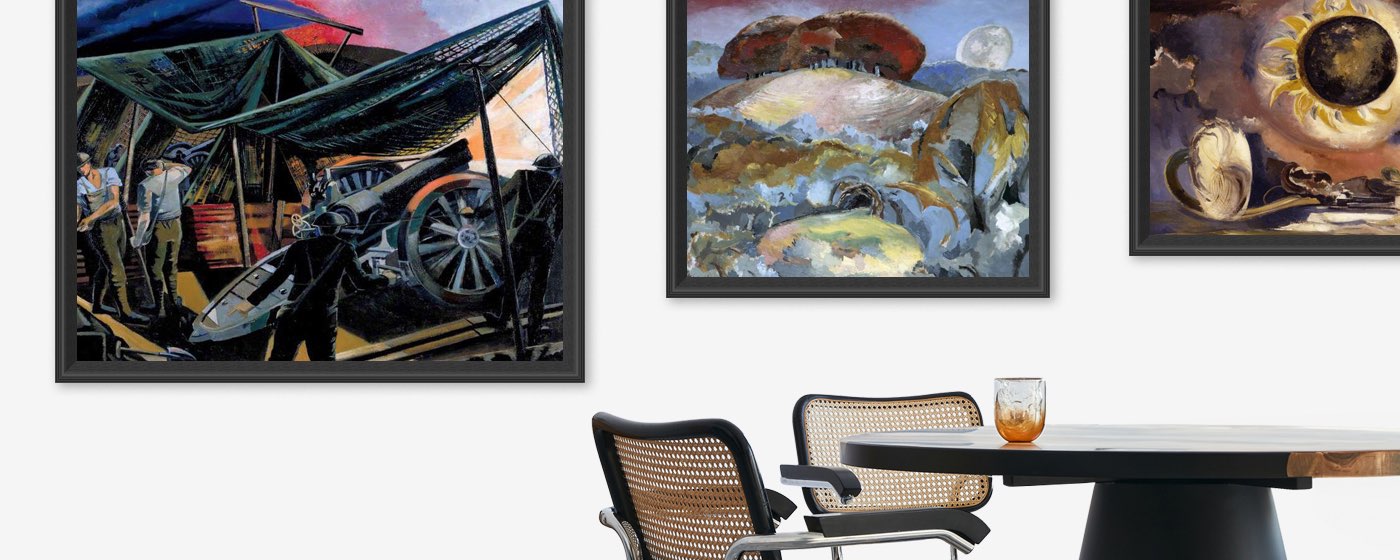
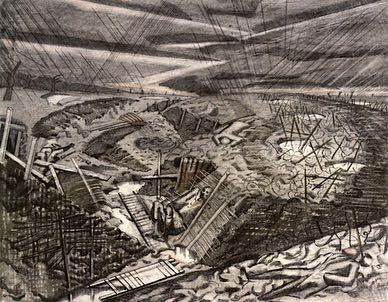
With the outbreak of World War I, Nash enlisted with the Artists' Rifles in 1917. He sustained an injury in the trenches, and during his recovery in London, he produced sketches capturing the devastation of war. These disturbing depictions of frontline scenes, later displayed at the Goupil Gallery, led to his recruitment as an official war artist. During this time, he created his first oil paintings, such as “We Are Making a New World”, “The Menin Road”, and “Spring in the Trenches”, which vividly portrayed the ruined landscapes of the Western Front, conveying the raw trauma and destruction of war.
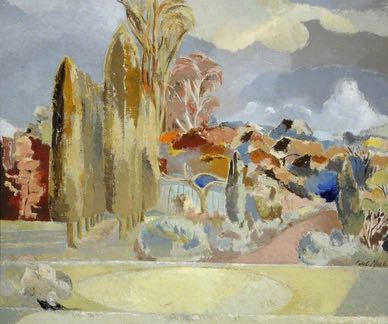
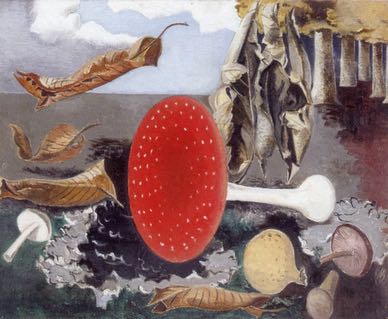
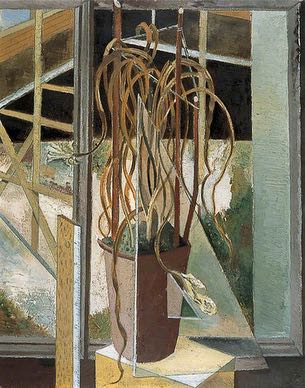
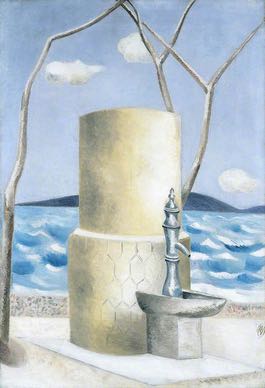
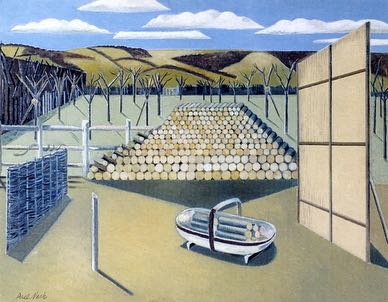
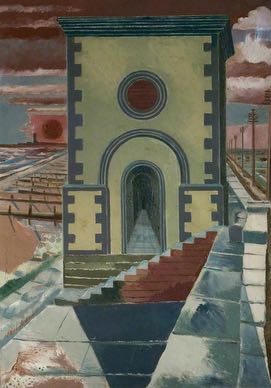
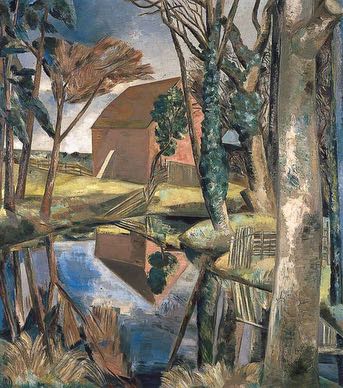
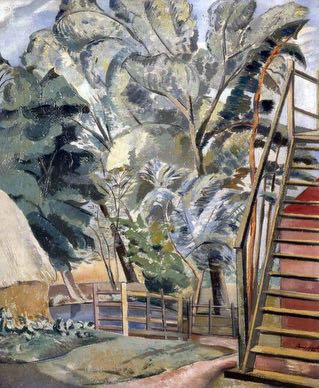
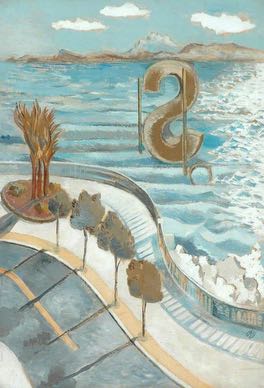
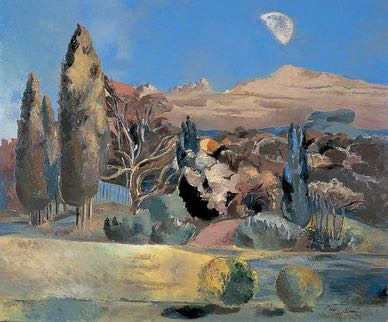
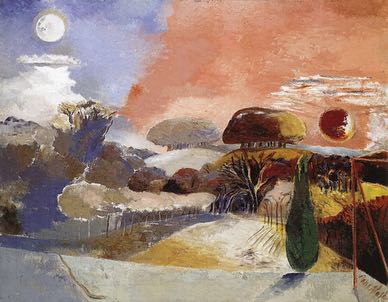
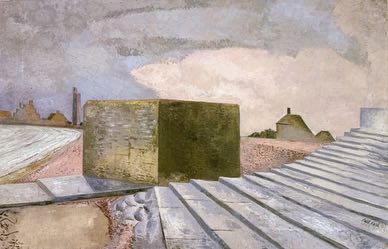
In the 1920s and 1930s, Nash became a key figure in modern British art, introducing elements of European abstract and surrealist styles. In 1933, he co-founded “Unit One,” a movement aiming to promote modernism in Britain alongside artists like Ben Nicholson and Barbara Hepworth. His works from this period, while often surreal and dreamlike, retained a focus on the British landscape, giving it an otherworldly quality. His time spent near Dorset from 1934 to 1936 inspired many significant paintings and resulted in his “Guide to Dorset”, published in 1935.
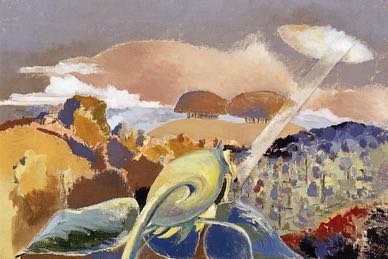
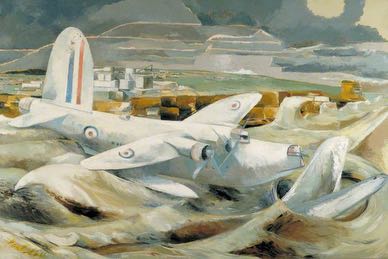
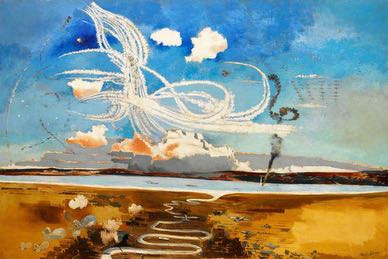
When World War II began, Nash was again called to serve as a war artist, producing powerful works like “Totes Meer (Dead Sea)” and “Battle of Britain”. These paintings combined surreal and symbolic elements, exploring themes of destruction, chaos, and resilience through distorted perspectives and fragmented landscapes.
Nash's later years were marked by health struggles, particularly with heart failure. He passed away in 1946 and was laid to rest at St. Mary’s Church in Langley, Buckinghamshire. His legacy endures as one of the pioneers of British modernism and for his haunting, surreal visions of the British landscape, both in times of peace and war.
Copyright © 2026 BrushWiz. All Rights Reserved.