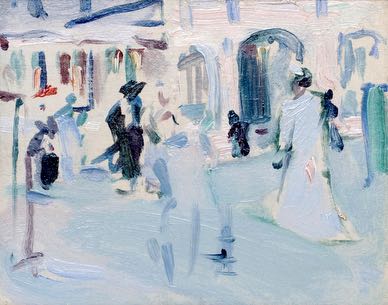
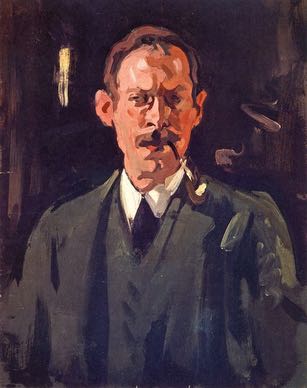
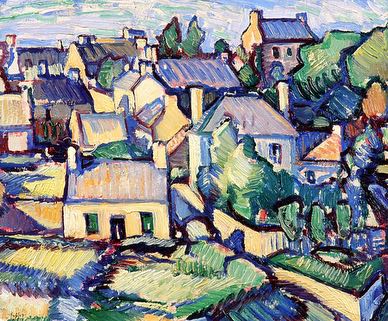
Born in Edinburgh, Peploe began his formal art education at the Edinburgh College of Art and continued his studies at the Académie Julian and Académie Colarossi in Paris. During his time in Paris, he was exposed to the works of French Impressionists and Post-Impressionists, whose bold color palettes and loose brushwork influenced him profoundly. This exposure to modern art inspired Peploe to depart from traditional academic styles and to experiment with color, light, and form in ways that would define his mature style.
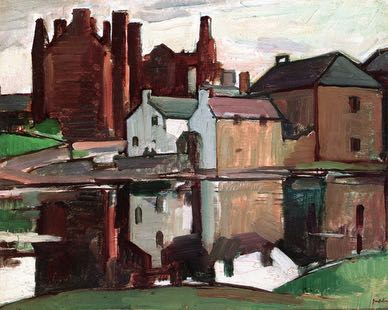
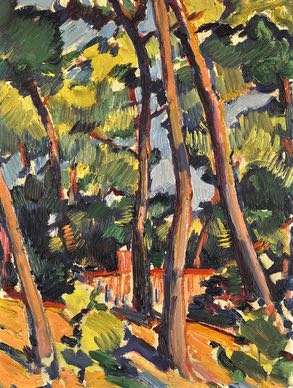
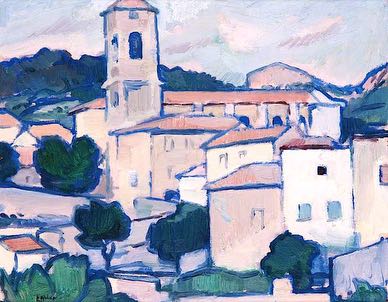
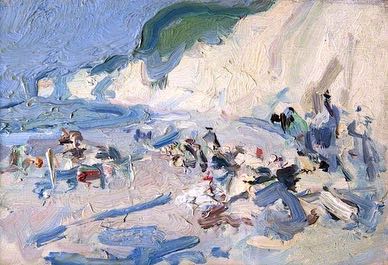
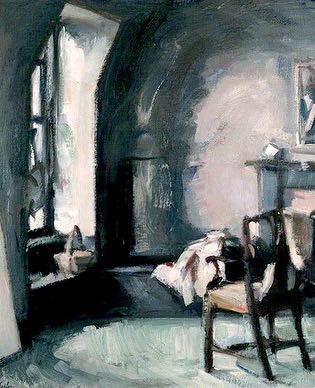
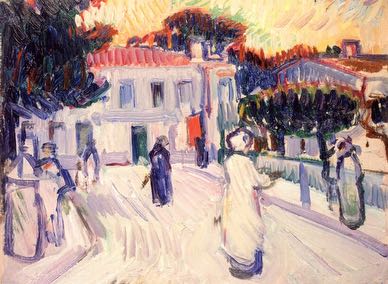
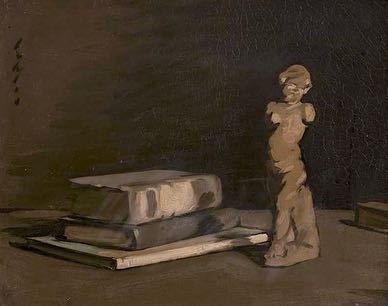
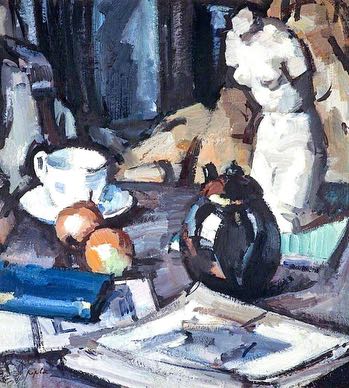
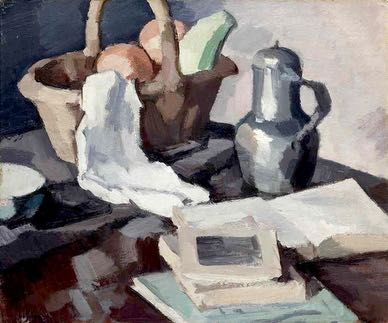
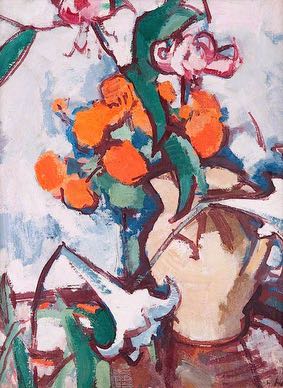
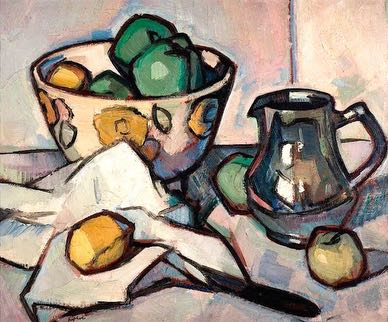
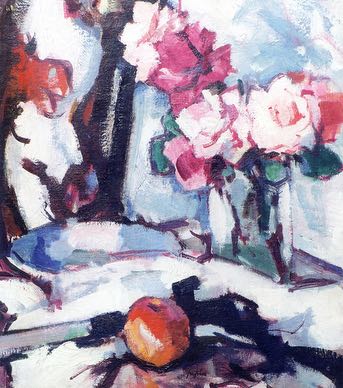
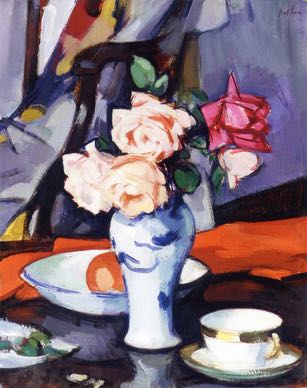
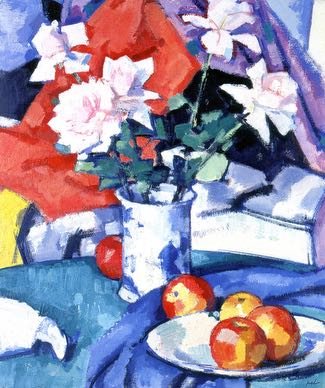
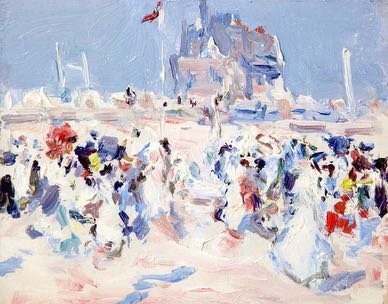
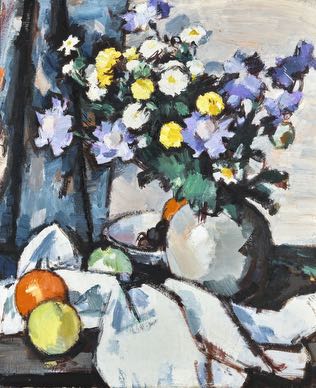
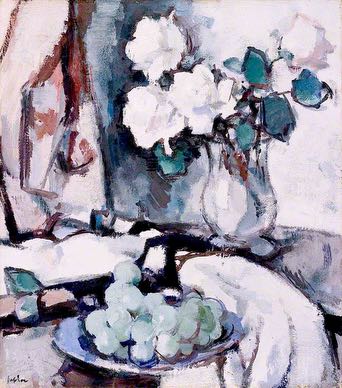
After returning to Scotland, Peploe established himself as a painter of refined, atmospheric still lifes and landscapes, often depicting familiar objects such as flowers, fruit, and ceramics. His early works, though restrained in color, display a sensitivity to composition and light. However, his style evolved significantly around 1910 when he began painting alongside fellow artist John Duncan Fergusson in Paris, where they shared an interest in Fauvism. Inspired by Matisse and the Fauves, Peploe embraced a more vivid, expressive palette and a looser, more dynamic approach to brushwork, creating compositions that were both structured and spontaneous.
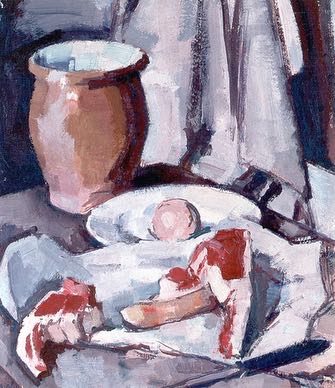
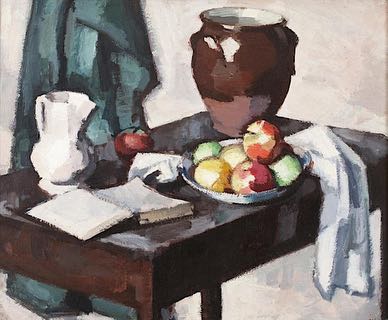
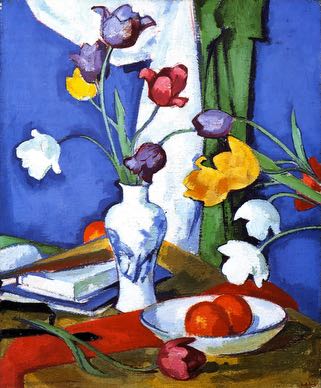
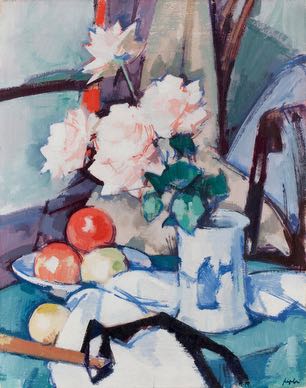
Peploe’s paintings from this period showcase his mastery of color and form, especially in his still lifes. He used bold, contrasting colors to create vibrant, harmonious compositions, often placing objects on richly patterned cloths or against dark backgrounds to intensify their visual impact. His use of thick, expressive brushstrokes gave his works a sense of texture and depth, while his careful attention to light and shadow lent them a striking luminosity. Peploe’s still lifes are characterized by a controlled, almost sculptural quality, balancing energy with precision.
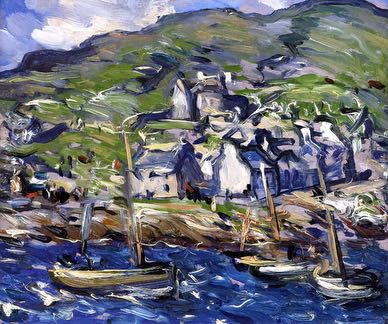
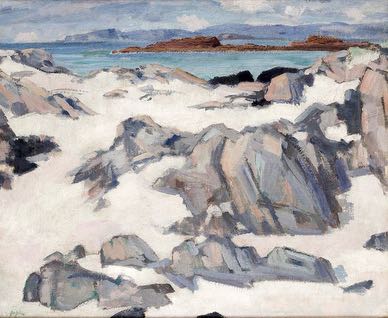
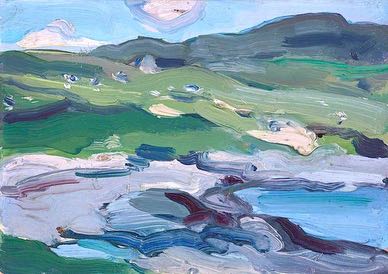
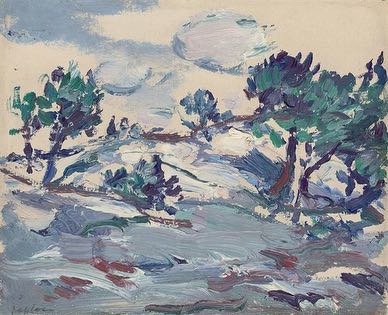
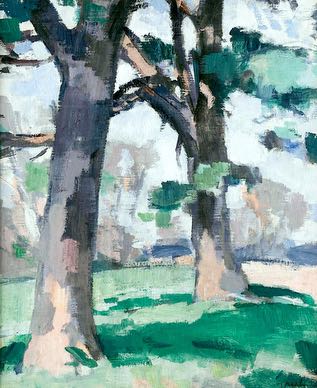
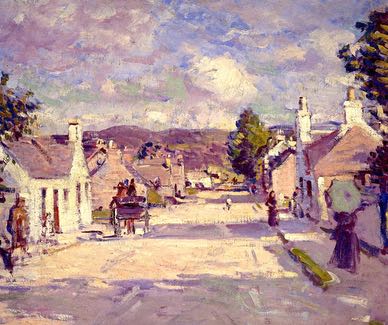
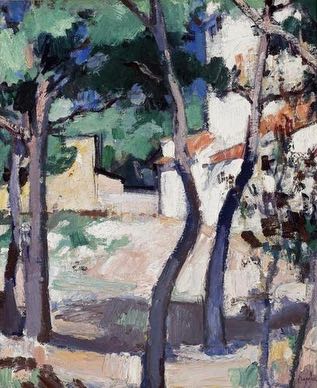
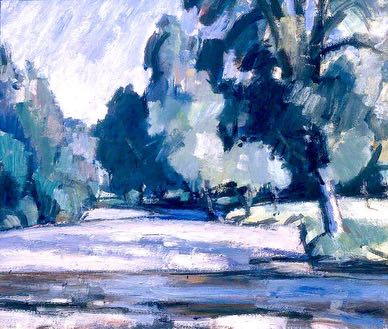
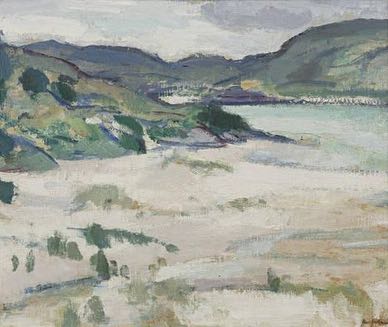
Peploe was closely associated with the other Scottish Colourists—J.D. Fergusson, F.C.B. Cadell, and Leslie Hunter—forming a loose group united by their shared interest in color, light, and modernist techniques. Together, they brought a distinctly Scottish flavor to European modernism, blending influences from French art with their own observations of Scottish landscapes and culture. Peploe’s works in Iona and the Scottish Highlands reveal his ability to adapt his vibrant style to outdoor scenes, capturing the clear northern light and rugged landscapes with his signature boldness.
Throughout his career, Peploe’s work was met with mixed reception. Although he exhibited regularly in Edinburgh and Glasgow, his modernist approach was sometimes considered too daring for conservative Scottish tastes. However, he found a loyal audience among collectors and critics who appreciated his dedication to color and form. In his later years, Peploe continued to refine his technique, simplifying his compositions and further exploring the possibilities of color. His later works reflect a maturity and confidence that demonstrate his continued innovation within the confines of still life and landscape.
Samuel John Peploe passed away in 1935, leaving behind a legacy as one of Scotland’s most influential modern painters. Today, his works are held in major collections, including the National Galleries of Scotland, where they continue to be celebrated for their vibrancy, elegance, and contribution to the development of Scottish modernism. Peploe’s work remains a testament to his unique vision, offering viewers a fresh perspective on everyday subjects and landscapes through his bold use of color and form.
Copyright © 2026 BrushWiz. All Rights Reserved.