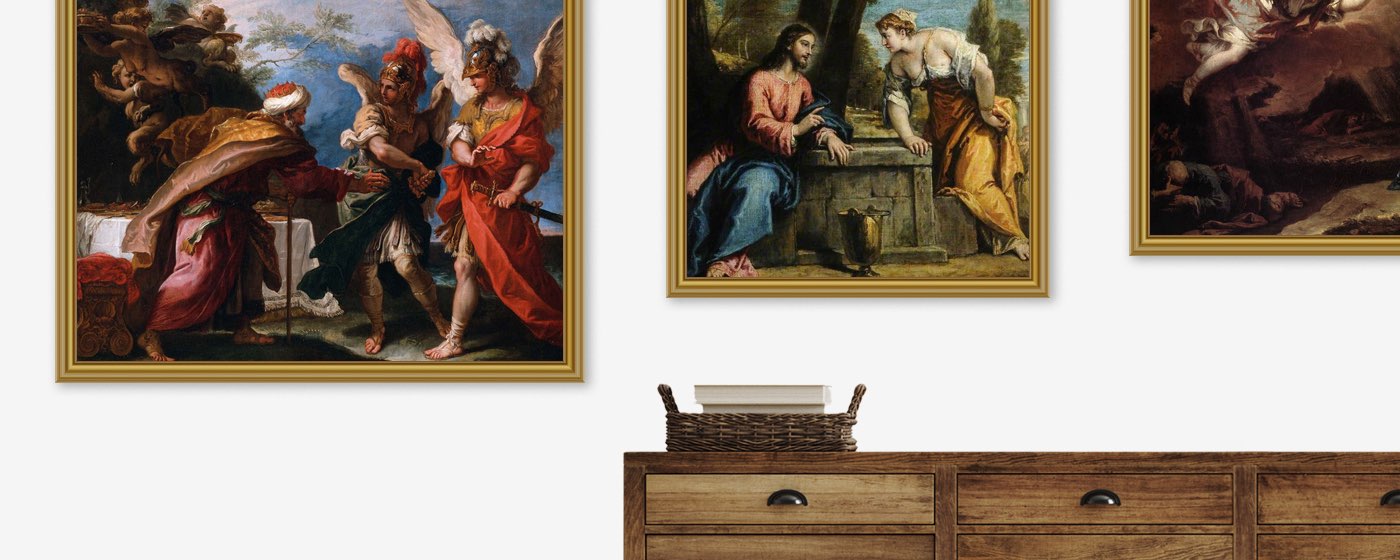
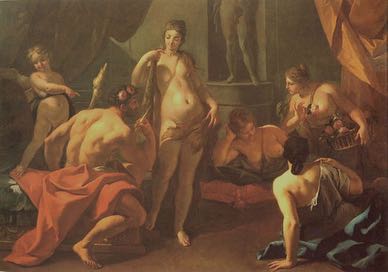
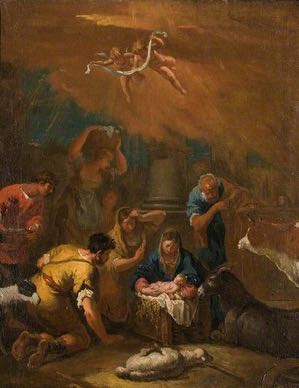
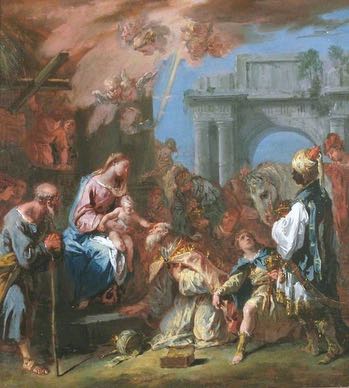
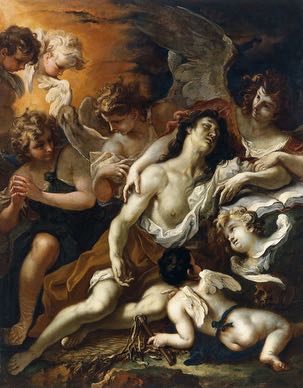
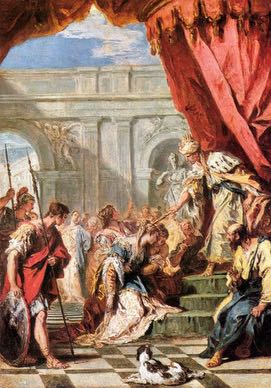
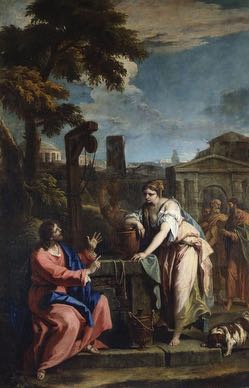
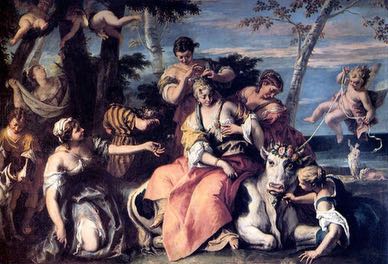
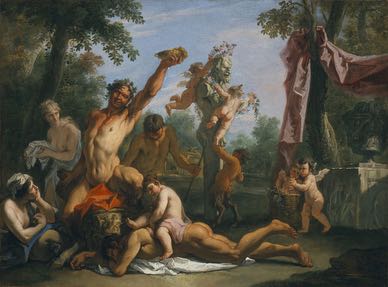
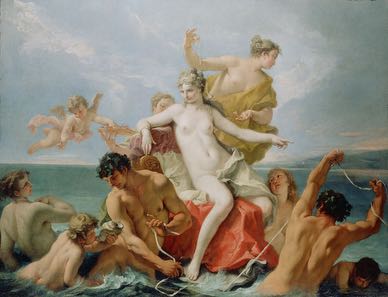
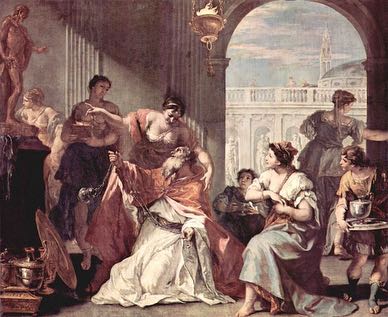
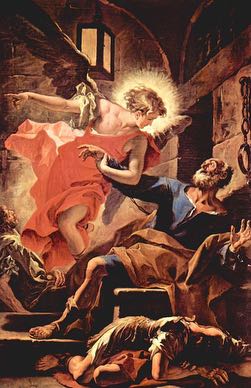
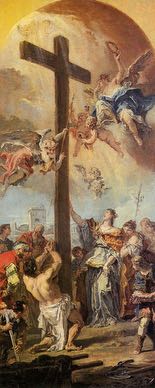
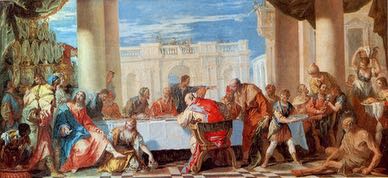
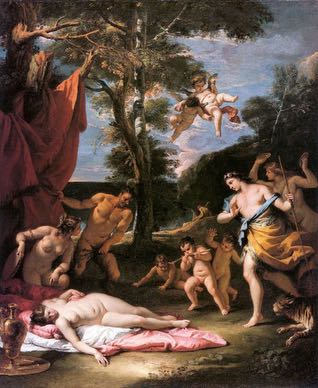
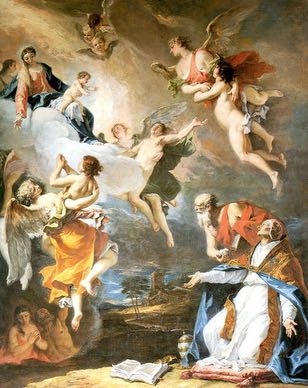
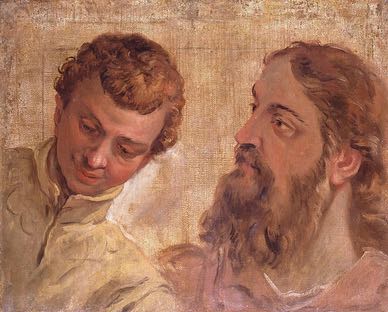
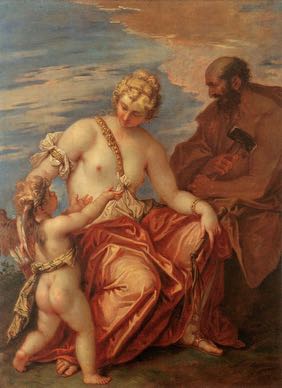
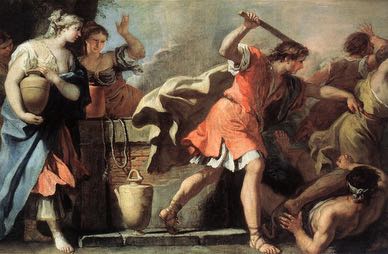
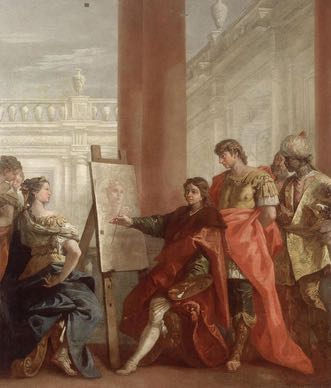
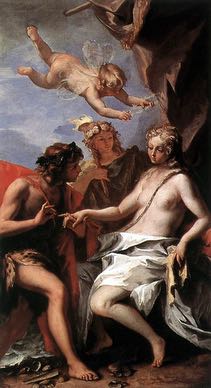
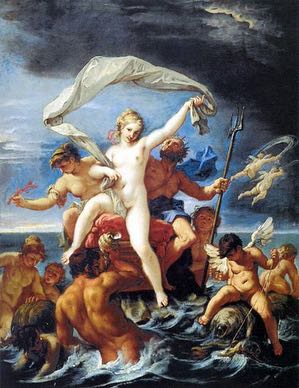
After a transformative stay in Rome, where he studied Baroque giants such as Pietro da Cortona, Andrea Pozzo, and Giovanni Lanfranco, Ricci’s artistic style evolved significantly. He mastered the use of light, color, and spatial composition, which later became trademarks of his unique artistic identity. Upon returning to Venice, he adopted elements from Veronese, evident in his color palette, the rich portrayal of costume, and compositional fluidity. His growing reputation earned him commissions from Florence and Vienna, establishing his prominence as a leading Baroque artist.
A collaboration with his nephew, Marco Ricci, led to numerous commissions, where Ricci focused on figures while his nephew painted landscapes and architectural backgrounds. This partnership, along with Ricci's increasing fame, led him to prestigious projects in France and England. His ability to blend Baroque exuberance with an individualized style set him apart and prefigured the Venetian Rococo, influencing later painters like Tiepolo. Upon his return to Venice, Ricci continued to produce significant works until his death, leaving a legacy integral to the evolution of Venetian Rococo.
Ricci’s broad repertoire, encompassing palatial decorations, church altarpieces, and private easel portraits, underscores his versatility and his contribution to Baroque and early Rococo art in Italy. His innovative color use, dramatic light effects, and decorative fluidity solidified his role in Venetian art history, marking him as a central figure in the transition to Rococo elegance.
Copyright © 2026 BrushWiz. All Rights Reserved.