Born as Sidney Richard Percy Williams in London, Percy was the fifth son of the painter Edward Williams, and he grew up in an artistic family. To distinguish himself from his father and brothers, who were all painters, he adopted the name Percy as his professional surname. His family’s artistic background provided him with a foundation in painting from a young age, and he developed his skill and vision under the guidance of his father. Despite his family’s influence, Percy quickly established his own unique style and reputation within the British art scene.
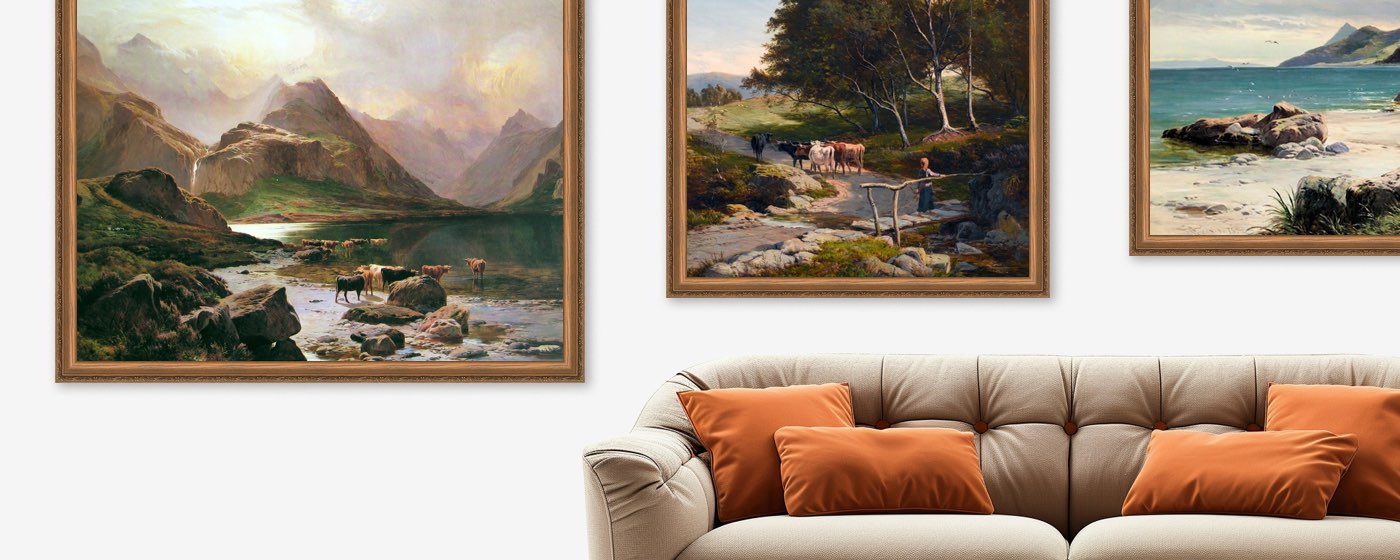
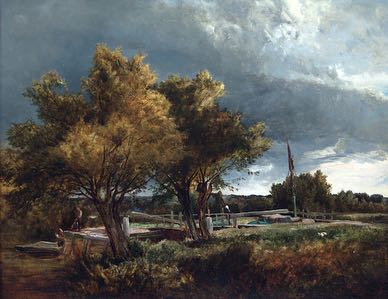
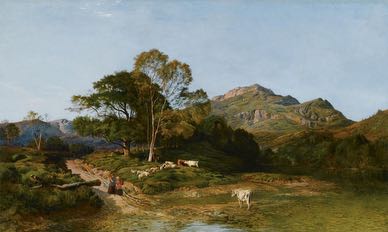
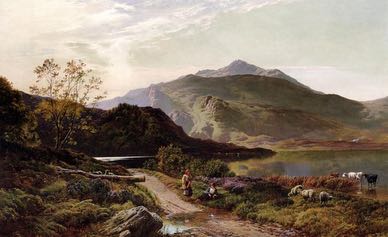
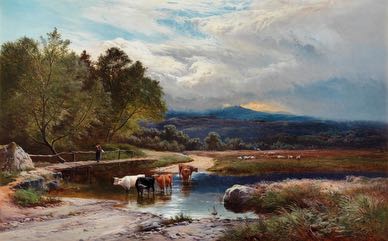
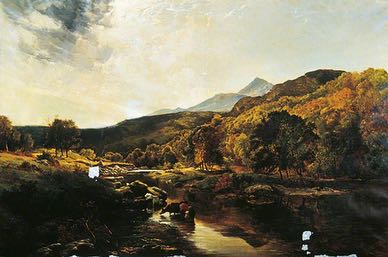
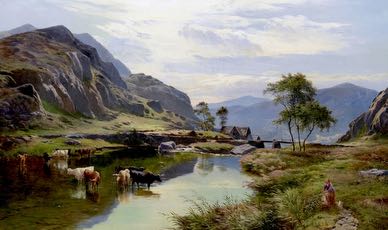
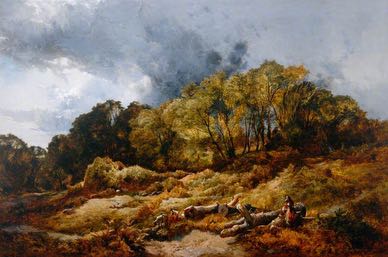
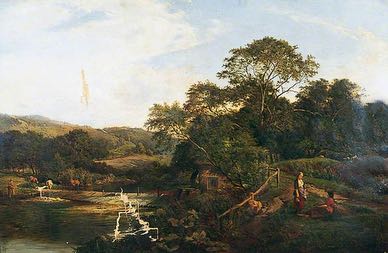
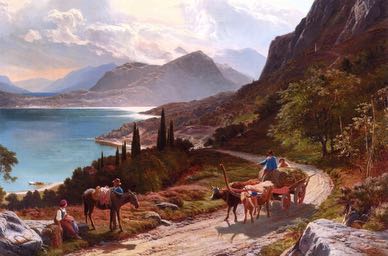
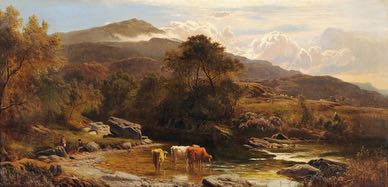
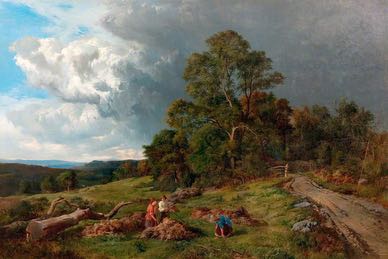
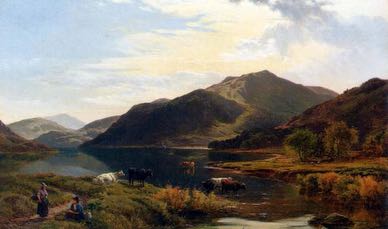
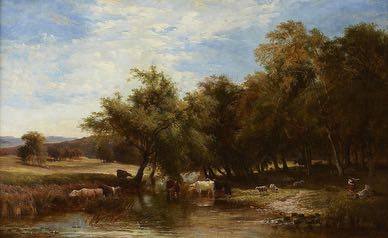
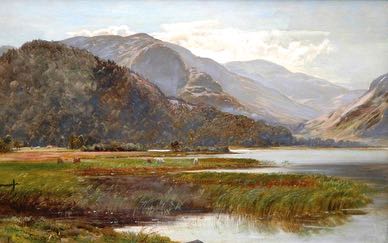
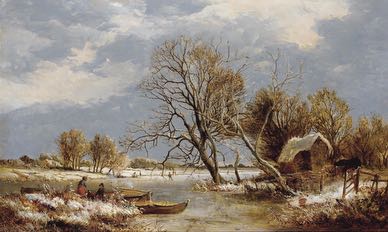
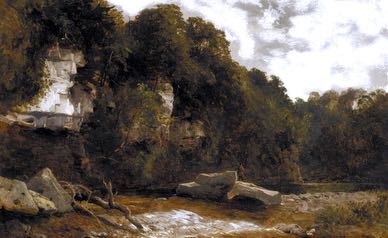
Percy’s early work shows the influence of 18th-century landscape traditions, especially those of artists like John Constable, who emphasized the natural beauty of rural England. However, Percy soon embraced a style that combined meticulous realism with an almost romanticized portrayal of nature. His scenes of Wales, Surrey, and the Lake District are notable for their fine details and clarity, capturing not only the landscape’s beauty but also its tranquility and atmosphere. His depictions often include cattle or sheep grazing in meadows or beside rivers, emphasizing a harmonious relationship between nature and pastoral life.
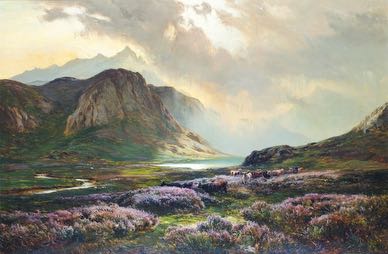
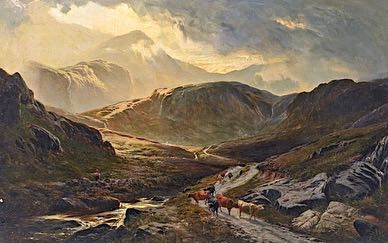
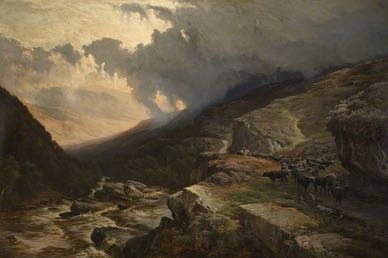
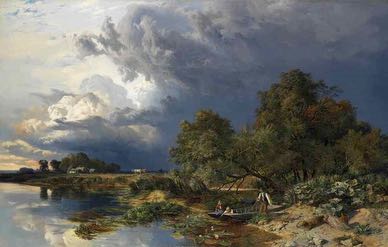
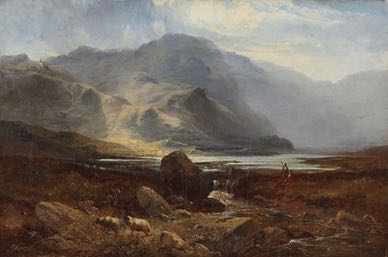
One of the hallmarks of Percy’s work is his remarkable ability to capture light and weather conditions. His landscapes often feature dramatic skies, with clouds illuminated by golden or dusky light, creating a sense of depth and dimension. Percy’s use of color was both vibrant and restrained, with a palette that reflected the natural tones of the English countryside, from rich greens and browns to soft blues and grays. This attention to natural lighting and weather gave his works a vivid, almost immersive quality that appealed to audiences of the time and continues to captivate viewers today.
In addition to his English scenes, Percy traveled to Wales and Scotland, where he created some of his most acclaimed works. The rugged beauty of these regions inspired him to experiment with larger compositions and more complex landscapes, capturing mountain ranges, rushing streams, and expansive skies. His landscapes from these regions reflect both the grandeur and quietude of nature, establishing him as a master of portraying both sweeping vistas and intimate pastoral scenes.
Percy exhibited his work regularly at the Royal Academy, the British Institution, and the Society of British Artists, gaining considerable acclaim. His detailed, serene scenes resonated with Victorian audiences, who were drawn to the romanticized vision of rural life that his paintings offered. Percy’s reputation continued to grow throughout his life, and he became one of the most sought-after landscape painters of his generation. His works were highly prized by collectors, including prominent figures in British society, and they remain popular in private collections and galleries today.
Although his career was successful, Percy lived a relatively quiet life, devoted to his art and family. Unlike many artists of his time, he did not seek to revolutionize artistic conventions but instead focused on perfecting his portrayal of the natural world. His legacy endures through his enchanting landscapes, which offer a glimpse into the pastoral beauty of 19th-century England.
Sidney Richard Percy passed away in 1886, leaving behind a body of work that continues to be celebrated for its technical mastery and lyrical portrayal of the countryside. His paintings serve as both artistic achievements and historical documents, capturing a vision of rural England that has enchanted generations and remains influential in the landscape painting tradition.
Copyright © 2026 BrushWiz. All Rights Reserved.