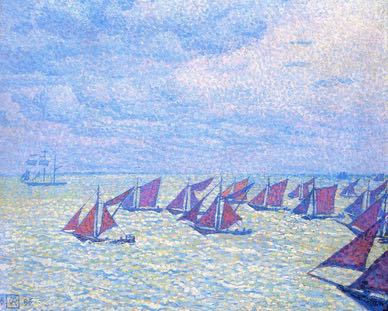
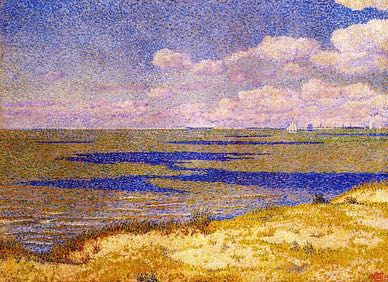
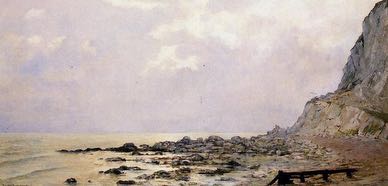
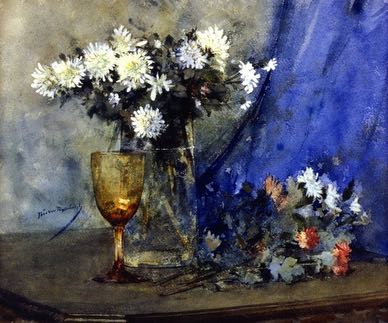
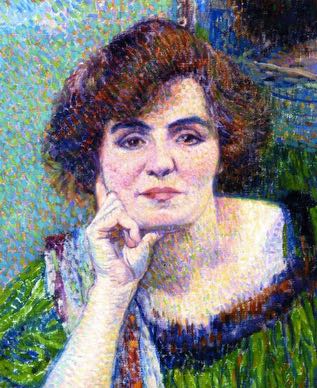
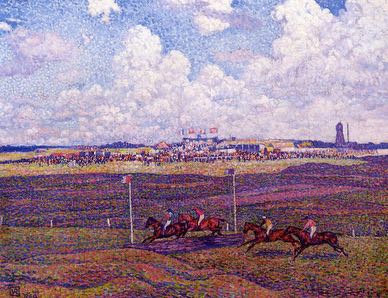
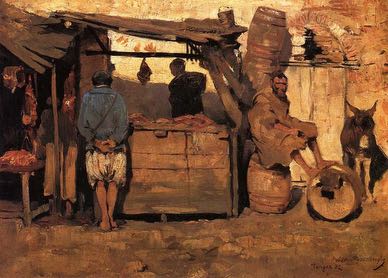
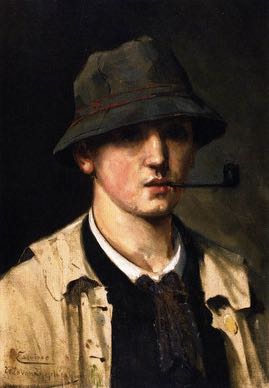
Born in Ghent, Belgium, van Rysselberghe studied at the Académie Royale des Beaux-Arts in Brussels, where he trained in the academic tradition and began his career as a portrait painter. Early on, he was influenced by the realism of the Barbizon School and the tonal landscapes of the Hague School. However, a pivotal turning point came in 1886 when he encountered the works of Georges Seurat in Paris. Seurat’s pioneering technique of pointillism—using small dots of pure color to achieve a luminous effect—deeply impressed van Rysselberghe and sparked his transition into Neo-Impressionism.
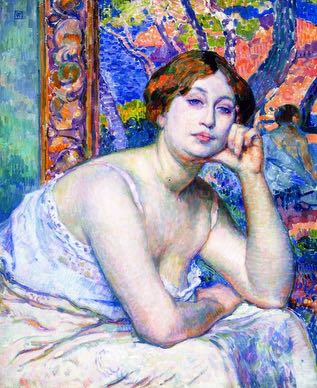
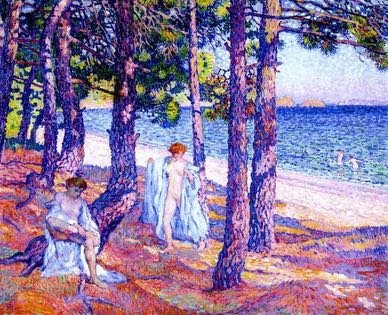
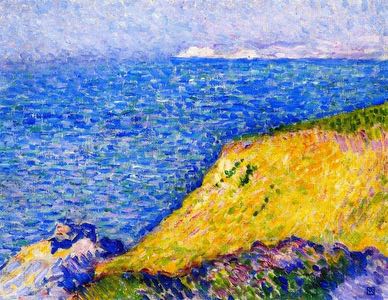
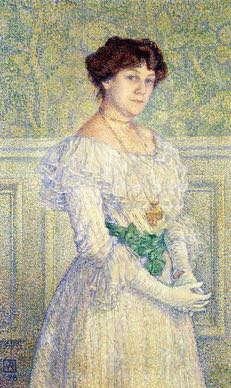
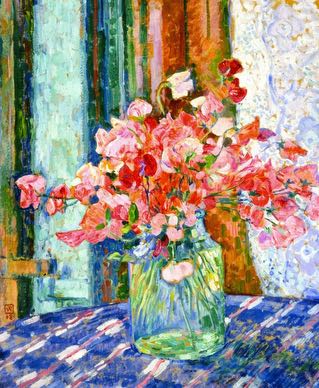
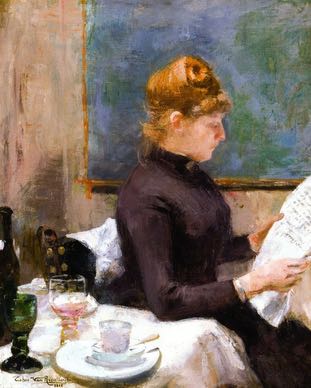
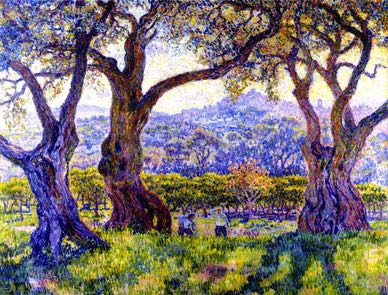
As a co-founder of Les XX (Les Vingt), an avant-garde group of Belgian artists, van Rysselberghe sought to challenge academic norms and bring innovative art to a broader audience. His work during this period shows a commitment to precise brushwork and a vibrant color palette, embodying the principles of divisionism, in which color is separated into individual strokes or dots. Paintings like “The Reading Woman (1901)” and “Port of Saint-Tropez (1905)” exemplify his ability to convey natural light and atmosphere through color alone, a technique that imparted a sense of vividness and luminosity to his landscapes and portraits alike.
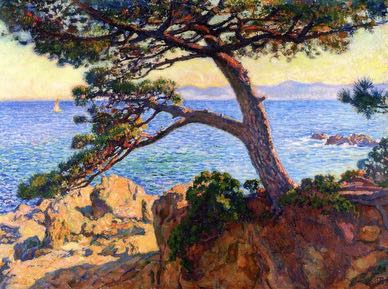
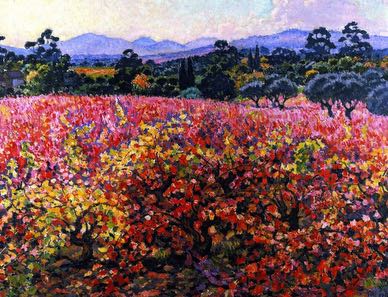
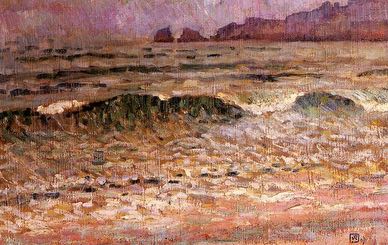
One of van Rysselberghe’s defining characteristics as a painter was his fascination with light and the science of color. Inspired by contemporary theories on optics, he meticulously juxtaposed colors to create a harmonious, shimmering effect, especially in his landscapes and seascapes of the Mediterranean coast. These works reveal a profound sensitivity to the interplay of light on water, foliage, and skin, rendering his scenes both realistic and almost dreamlike. His Mediterranean landscapes, often painted during his travels to France, reflect his love of sunlit coastlines, warm colors, and radiant skies.
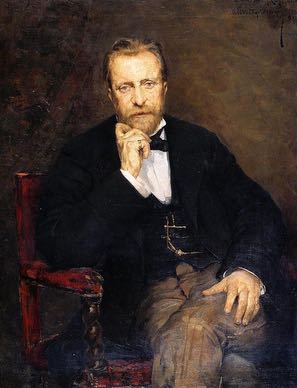
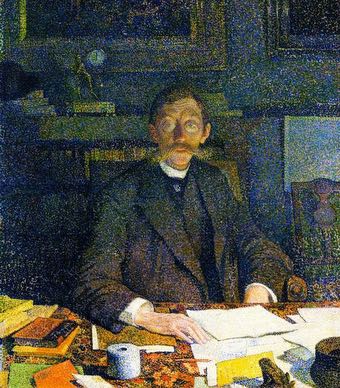
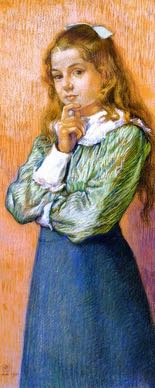
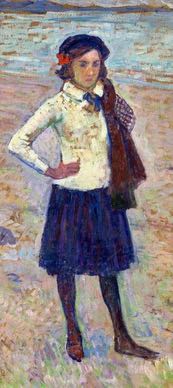
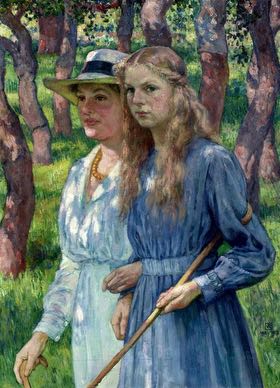
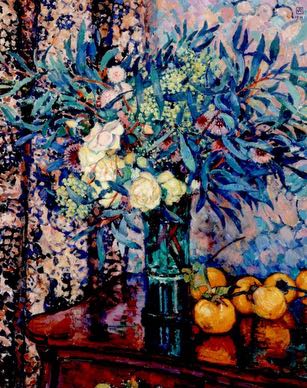
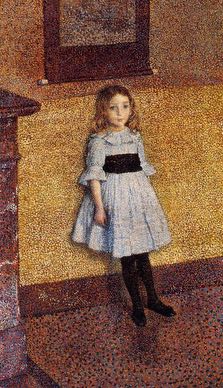
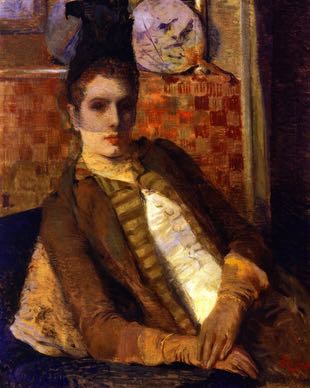
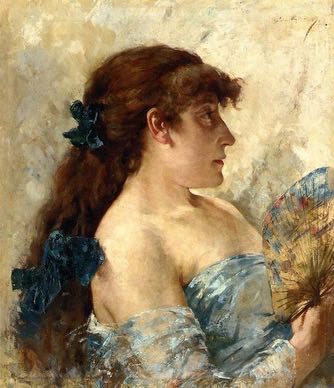
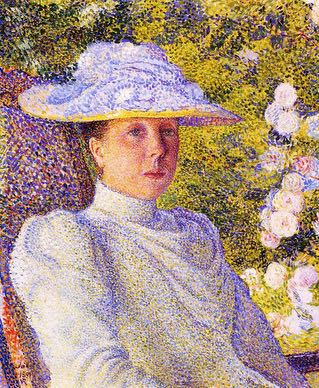
While his landscapes are among his most acclaimed works, van Rysselberghe was also an accomplished portraitist, capturing the likenesses of many prominent figures of his time, including members of the artistic and intellectual circles in Brussels and Paris. His portraits, painted in a meticulous pointillist style, demonstrate his attention to personality and atmosphere. By portraying his subjects with subtle nuances of color and light, he brought an emotional depth to his portraits that went beyond mere likeness.
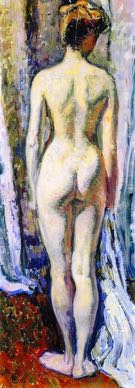
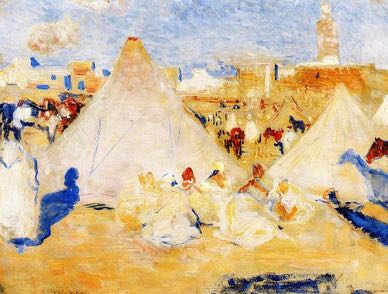
In the later years of his career, van Rysselberghe gradually moved away from strict pointillism, adopting a looser style that emphasized broader strokes and freer color application. This evolution is evident in his late works, where he began to incorporate more expressive brushwork while retaining his characteristic sensitivity to light and color. His shift reflected a broader trend among Neo-Impressionists who, by the early 20th century, were moving toward greater expressiveness and away from rigorous technique.
Van Rysselberghe’s contributions to the Neo-Impressionist movement helped bridge the transition from Impressionism to Modernism, influencing artists across Europe. His work was widely exhibited, and he maintained close relationships with other leading artists, including Paul Signac and Henri-Edmond Cross. As a key figure in the Symbolist movement in Belgium, he also contributed to the spread of Symbolism and Neo-Impressionism, championing a synthesis of beauty and technique that had a lasting impact on European art.
Theo van Rysselberghe passed away in Saint-Clair, France, in 1926. His legacy endures as a visionary artist who combined scientific rigor with artistic passion, creating works that are celebrated for their technical brilliance and evocative power. His exploration of light, color, and form remains influential, marking him as one of the pivotal figures in the evolution of modern art.
Copyright © 2026 BrushWiz. All Rights Reserved.