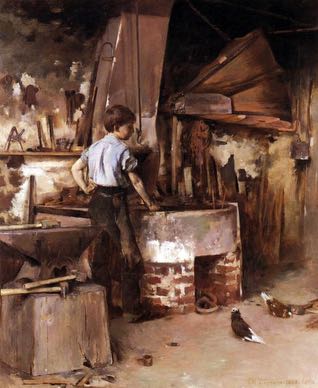
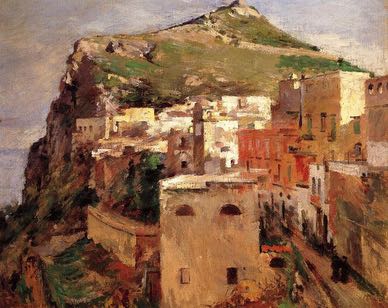
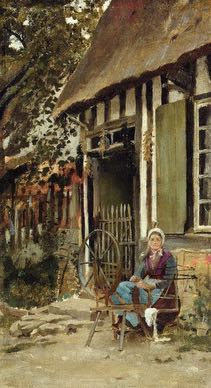
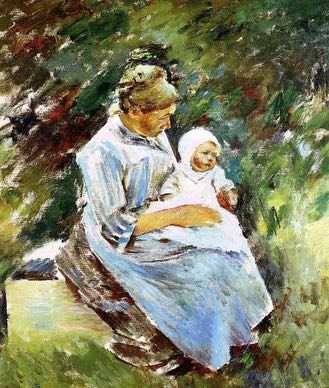
Born in Irasburg, Vermont, Robinson moved with his family to Wisconsin, where he developed an early interest in art. He pursued his formal studies at the National Academy of Design in New York and later at the Art Students League, where he studied under the influential American realist painter, Thomas Eakins. Seeking further training, Robinson traveled to Paris in 1876, where he enrolled at the École des Beaux-Arts and studied under the academic painters Jean-Léon Gérôme and Carolus-Duran. His early works reflected this academic training, with precise detail and a focus on figural compositions.
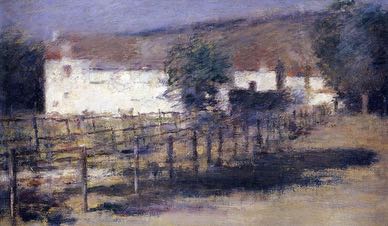
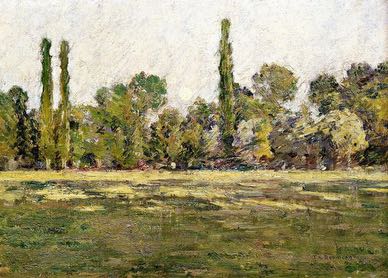
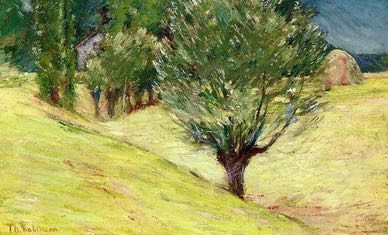
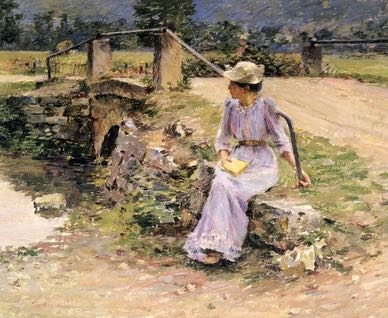
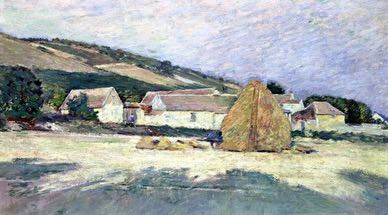
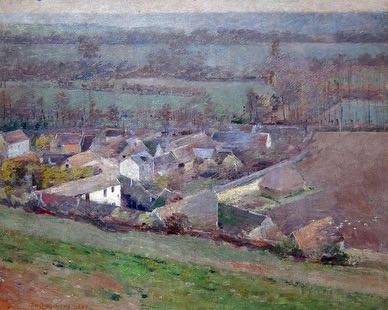
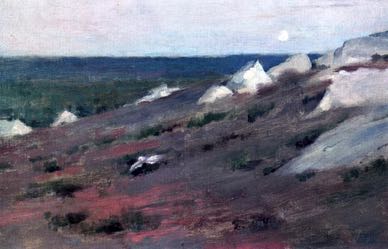
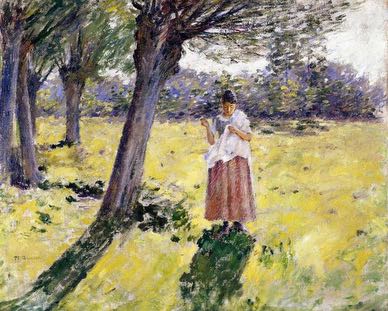
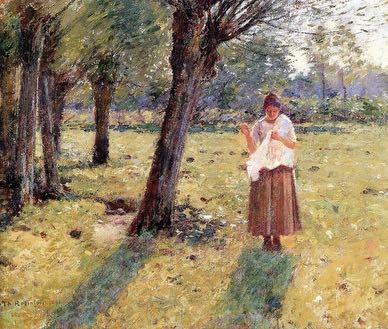
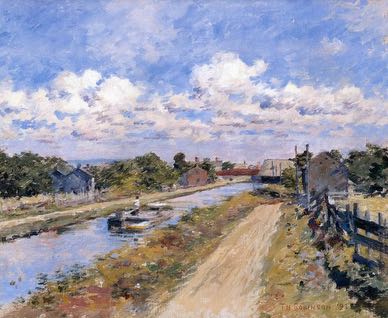
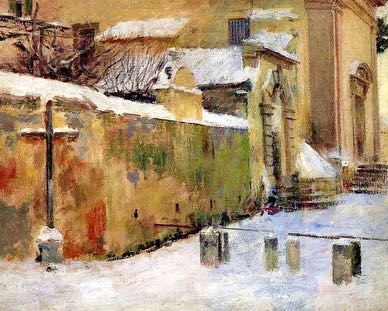
Robinson’s style evolved significantly in the 1880s after he encountered Impressionism in France. In 1887, he settled in Giverny, a small French village that had become a gathering place for Impressionist painters, including Claude Monet. Robinson became close friends with Monet, whose influence was pivotal to his artistic development. Under Monet’s guidance, Robinson embraced the Impressionist emphasis on natural light, color, and plein-air painting, moving away from academic techniques. His work during this period, such as “La Débâcle (1892)” and “Winter Landscape (1891)”, displays his growing sensitivity to atmosphere, subtle light effects, and the seasonal moods of the countryside.
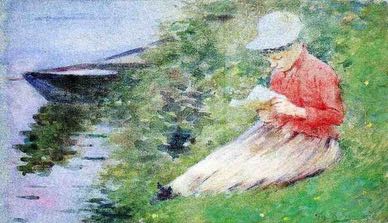
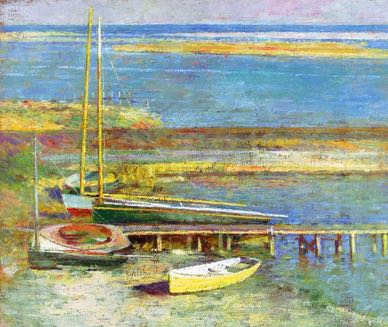
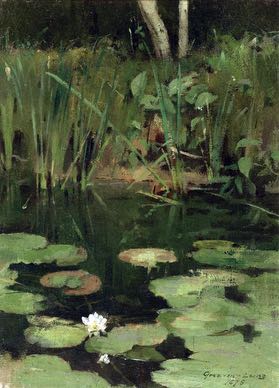
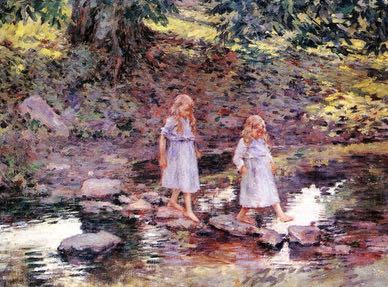
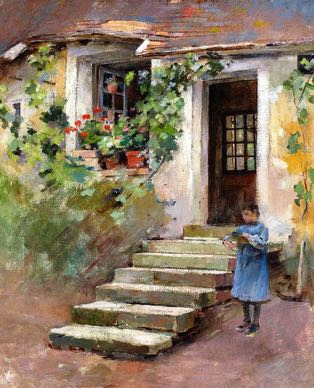
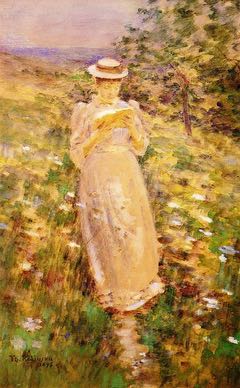
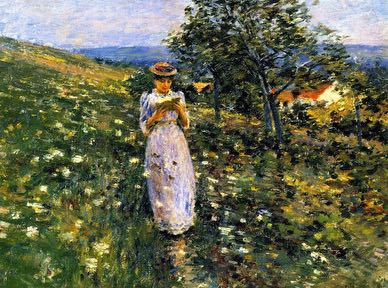
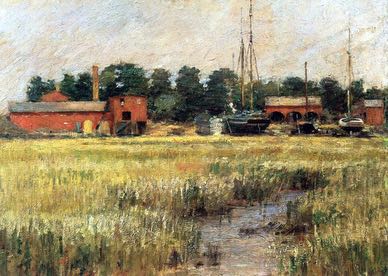
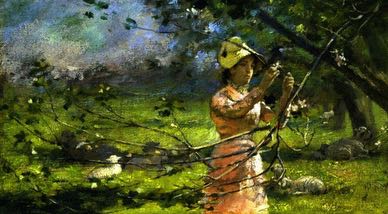
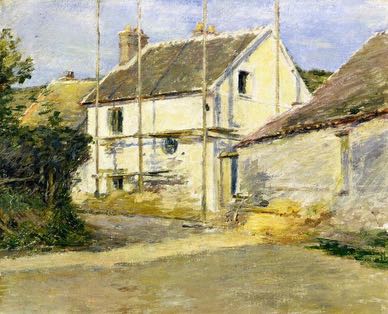
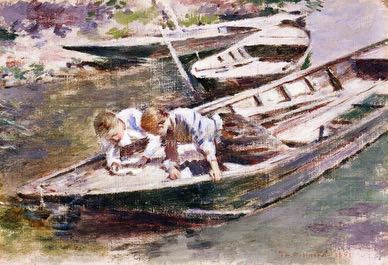
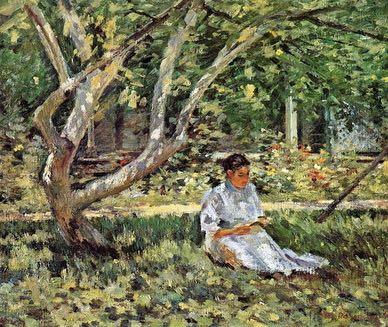
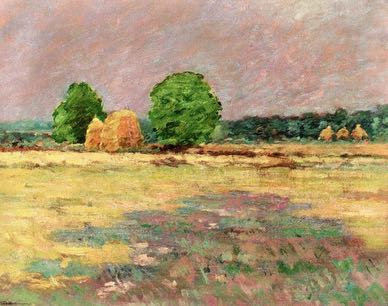
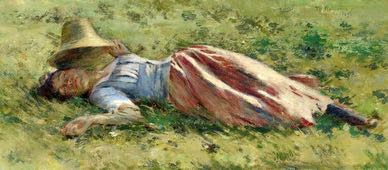
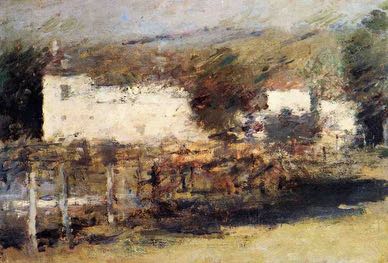
Robinson’s approach to color and light became more nuanced, adopting the Impressionist technique of applying loose, visible brushstrokes to create a sense of spontaneity and vibrancy. His color palette brightened, incorporating soft greens, blues, and warm pastels to convey the natural beauty of rural landscapes. Like Monet, Robinson often painted outdoors to capture the shifting light and atmosphere, focusing on quiet scenes of village life, gardens, and riverbanks. His compositions reveal an intimate connection with nature, characterized by a delicate balance of color, light, and form that evokes a serene and contemplative mood.
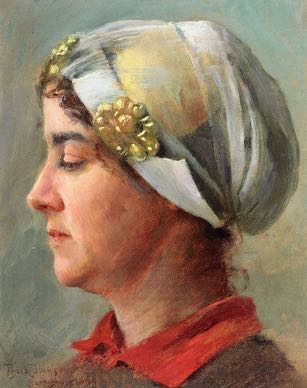
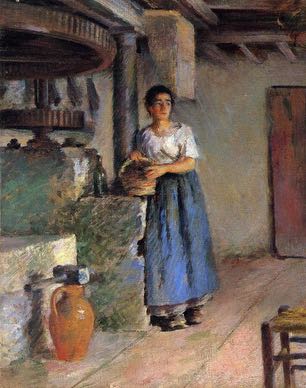
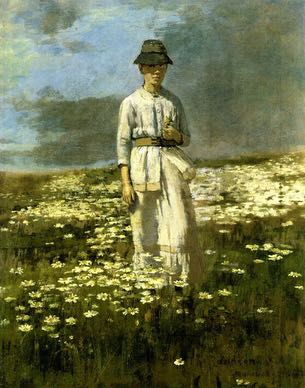
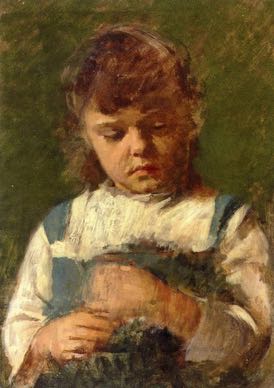
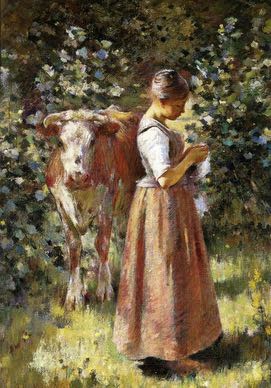
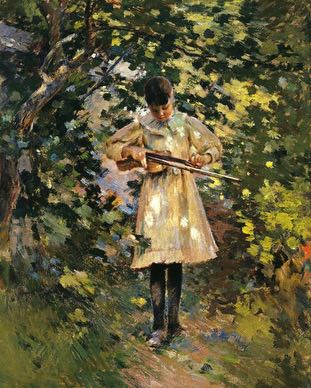
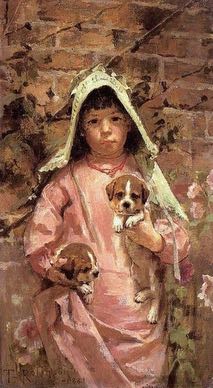
In addition to landscapes, Robinson painted portraits and genre scenes that reflect his interest in the everyday lives of his subjects. His portraits, like “Girl at Piano (1887)”, display a gentle, almost poetic approach to character, often capturing his subjects in moments of introspection. Through his portraits and figure studies, he brought a refined sensitivity and subtlety to his treatment of light and color, hallmarks of his Impressionist technique.
Although Robinson was primarily active in France, he returned periodically to the United States, where he continued to paint and exhibit his works. His efforts to introduce Impressionism to American audiences met with mixed reception, as many critics and patrons still preferred more traditional, realist styles. Nonetheless, his work gradually gained recognition, and he became an influential teacher and advocate for Impressionism within American art circles. His influence extended to young American artists, helping to establish Impressionism as a major force in American painting.
Tragically, Robinson’s career was cut short by ill health. He died at the age of 43 in New York City, leaving behind a relatively small but impactful body of work. His legacy endures as a key figure in American art who bridged the gap between European and American Impressionism, bringing a fresh, modern approach to landscape painting in the United States. Robinson’s works, now housed in major collections across America, continue to captivate audiences with their gentle beauty and refined treatment of light.
Copyright © 2026 BrushWiz. All Rights Reserved.