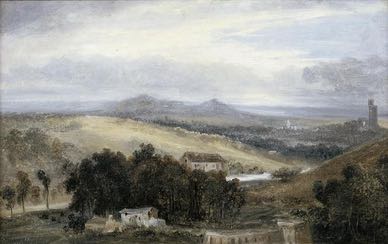
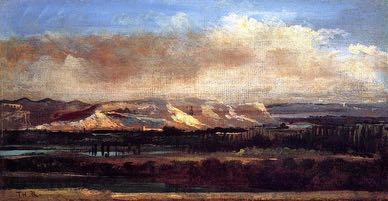
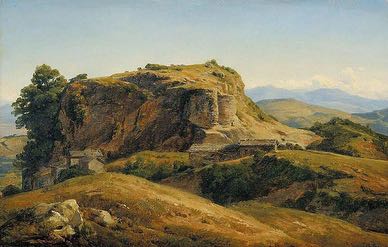
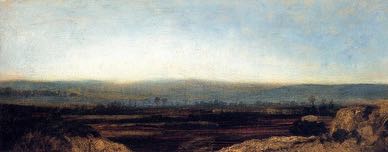
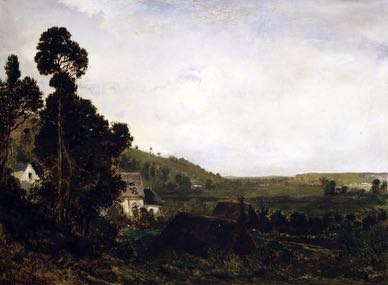
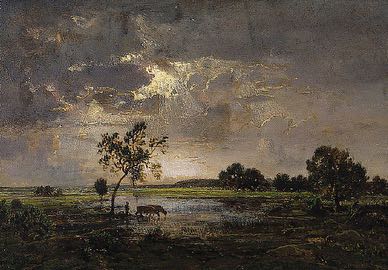
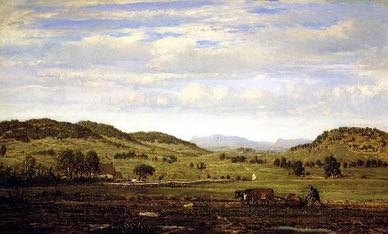
Born in Paris, Rousseau showed a natural talent for art from a young age. Though he studied briefly at the École des Beaux-Arts, he quickly departed from its strict traditions, preferring instead to work directly from life. This inclination led him to embrace plein-air painting, a groundbreaking method at the time that involved working outdoors to capture the shifting qualities of light and atmosphere. His realistic style, which emphasized the inherent beauty and strength of untamed landscapes, often clashed with the prevailing tastes of the art establishment. Consequently, many of Rousseau’s works were rejected by the Paris Salon in his early years, an experience that isolated him but also fueled his artistic independence.
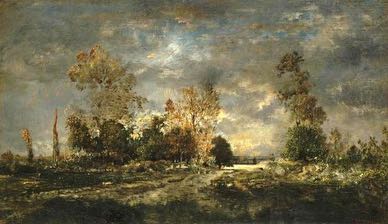
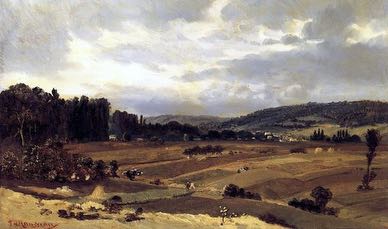
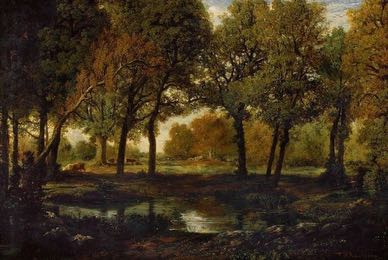
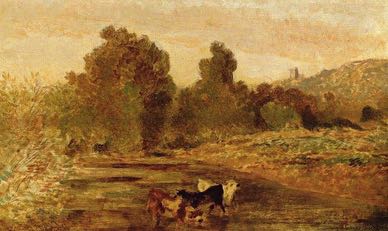
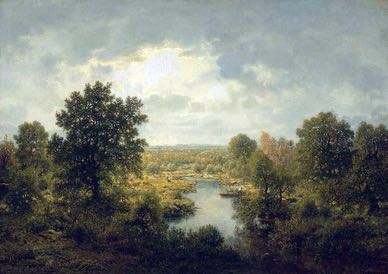
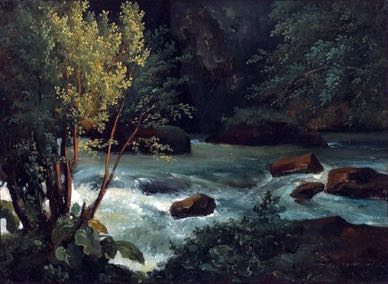
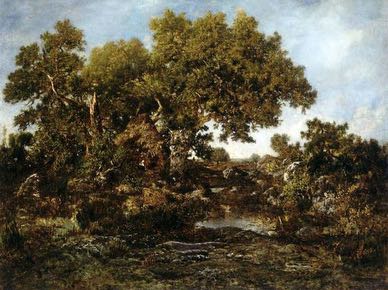
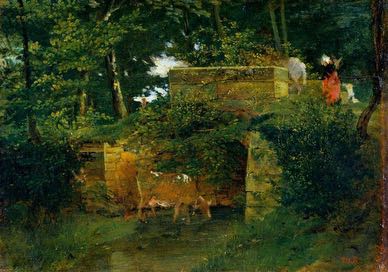
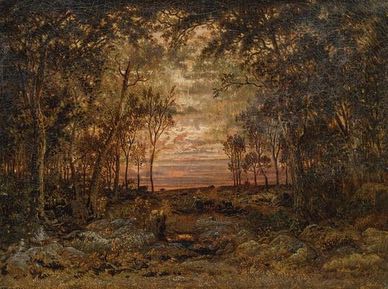
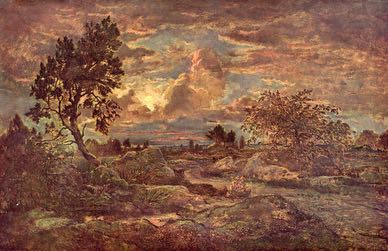
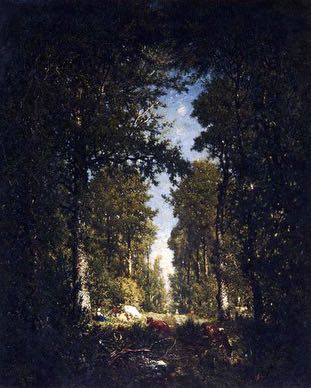
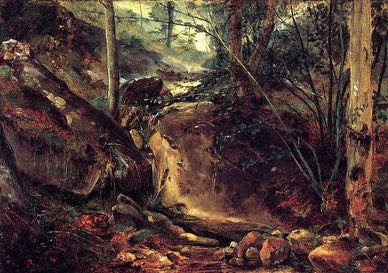
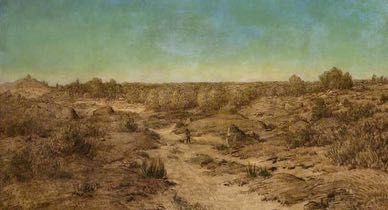
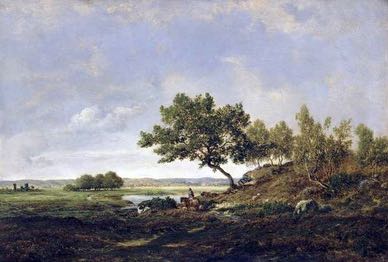
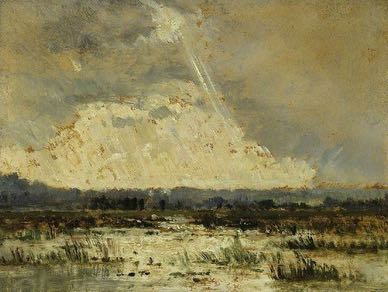
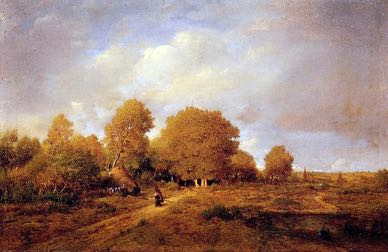
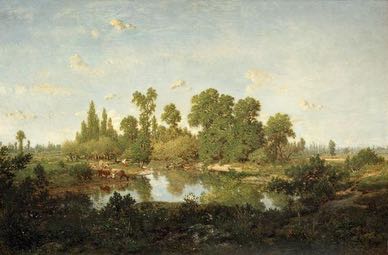
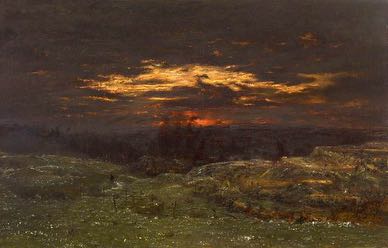
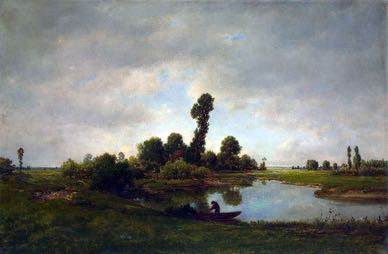
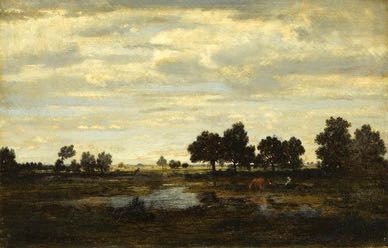
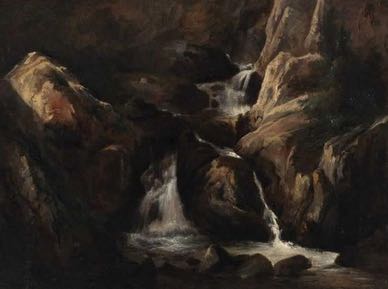
In the 1840s, Rousseau found inspiration in the dense, ancient forests of Fontainebleau, near the village of Barbizon. This setting became his lifelong muse and led to the formation of the Barbizon School, a group of artists who shared his dedication to naturalism. Artists such as Jean-François Millet joined him in Barbizon, where they explored an unadorned, raw portrayal of nature that was revolutionary in its authenticity. Rousseau’s works from this period reveal a masterful sensitivity to the land’s varied moods, often featuring dramatic contrasts of light and shadow, turbulent skies, and textural details that captured the rugged beauty of the wilderness.
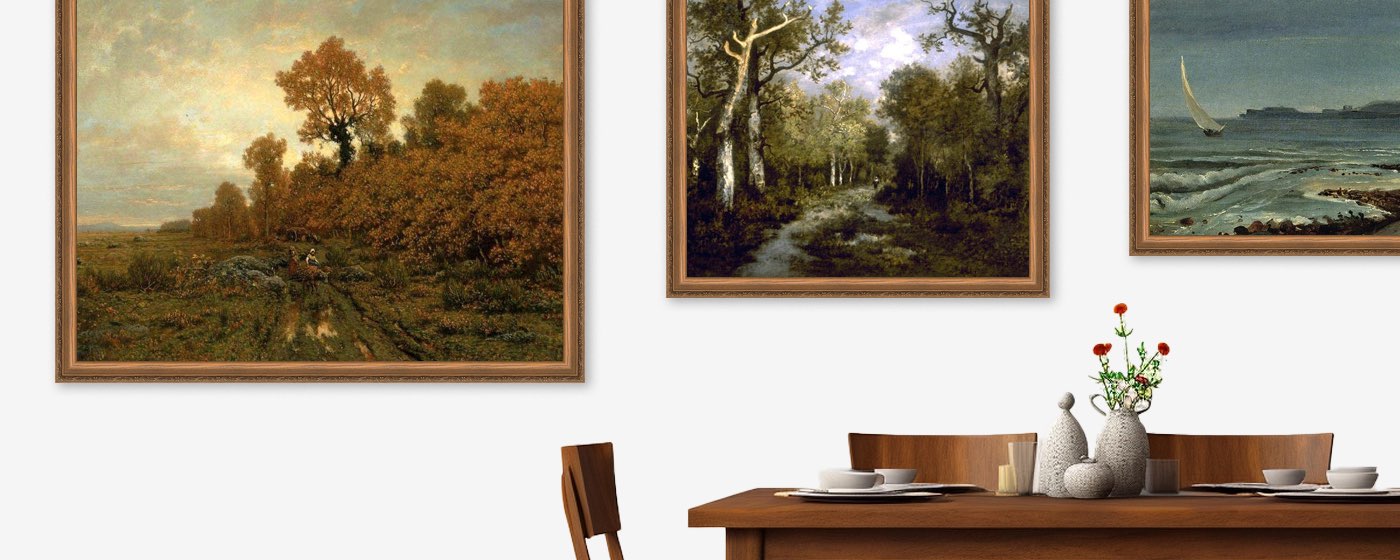
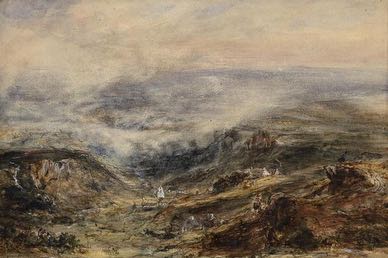
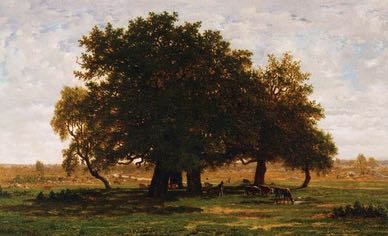
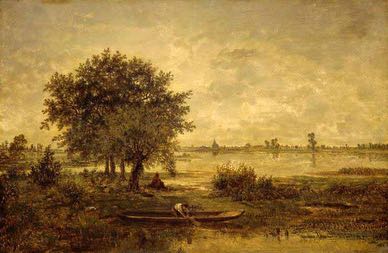
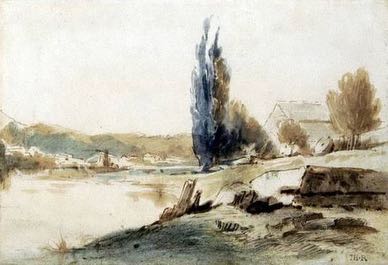
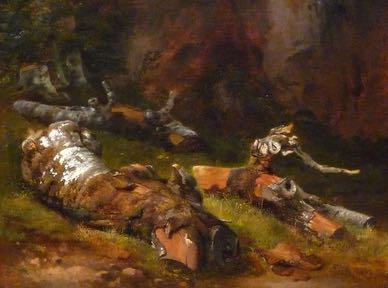
Technically, Rousseau’s style was characterized by richly layered brushstrokes and a deep, earthy palette that conveyed the weight and texture of the landscapes he observed. His compositions focused on the strength and resilience of nature, often depicting gnarled trees, winding paths, and misty horizons that evoke a sense of quiet power. Rousseau saw nature not only as a subject but as a profound, almost spiritual presence. His work emphasizes nature’s majesty, treating each element of the landscape as essential to its whole, creating compositions that feel both intimate and expansive.
Though he struggled for years to gain acceptance from the art world, Rousseau’s persistence eventually earned him recognition. By the mid-1850s, his work received critical acclaim, and he was awarded the Legion of Honor. Despite this later success, Rousseau’s life was marked by personal challenges, including financial hardship and periods of ill health, which influenced the tone of his work. He remained dedicated to his art until his death in 1867, continuously exploring nature’s emotional resonance and the ways it could be depicted through a sensitive, nuanced lens.
Rousseau’s influence extended well beyond his lifetime. His approach to landscape painting paved the way for Impressionism, inspiring future generations of artists to approach nature with the same authenticity and reverence. Today, Rousseau is celebrated not only for his role in the Barbizon School but also for his legacy as an artist who captured the essence of the natural world with depth, realism, and emotional richness. His works offer a timeless meditation on nature’s beauty, resilience, and mystery, marking him as one of the most significant landscape painters of his time.
Copyright © 2026 BrushWiz. All Rights Reserved.