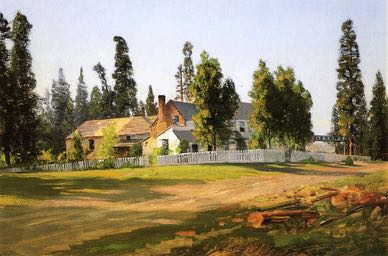
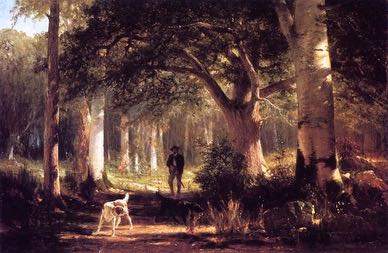
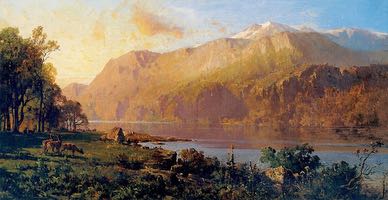
Born in Birmingham, England, Hill immigrated to the United States with his family at a young age, settling in Massachusetts. Initially apprenticed as a carriage painter, Hill eventually studied at the Pennsylvania Academy of the Fine Arts, where he developed his technical skills and appreciation for the American landscape. Inspired by the works of the Hudson River School painters, he began to seek out the sublime beauty of America’s untamed regions, embarking on painting trips across New England and the White Mountains. His early works showcased his keen eye for detail and his ability to depict the vastness and serenity of natural landscapes.
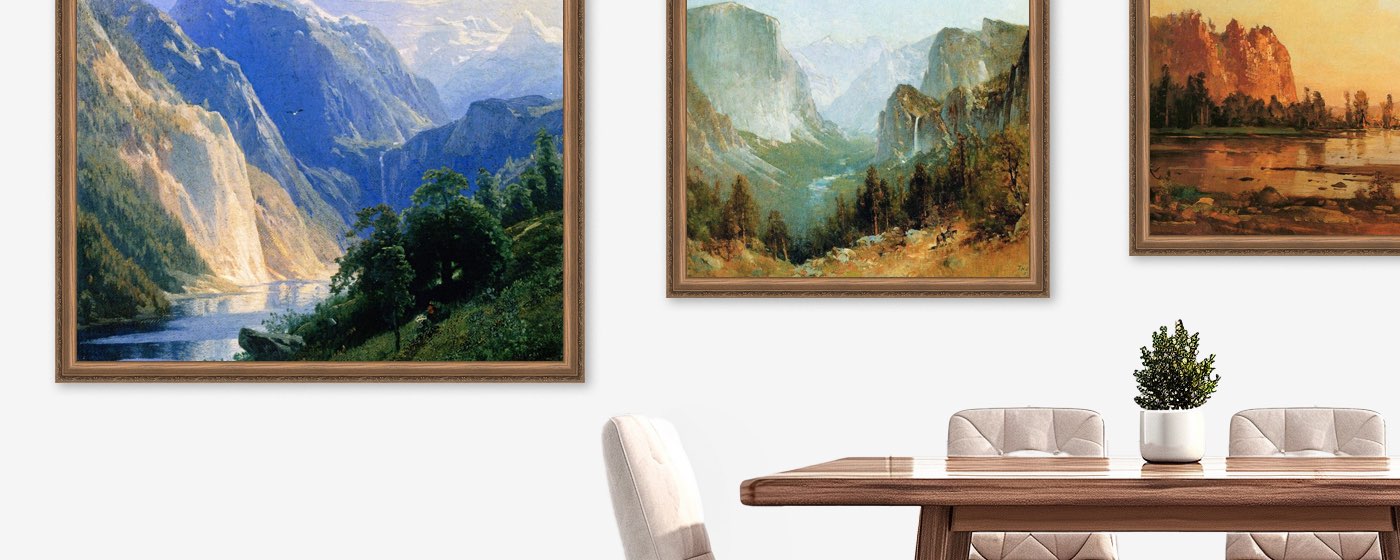
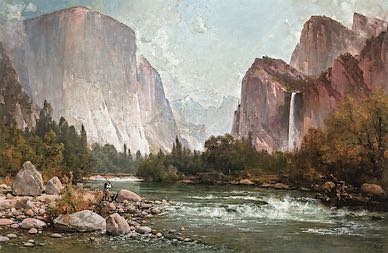
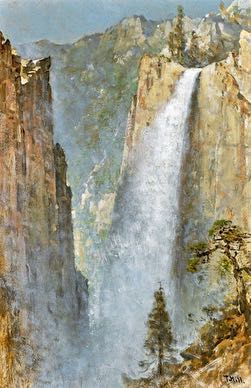
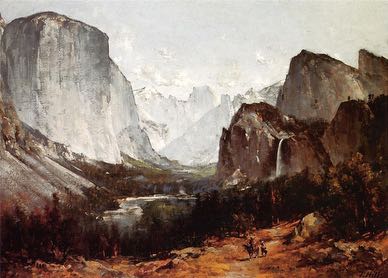
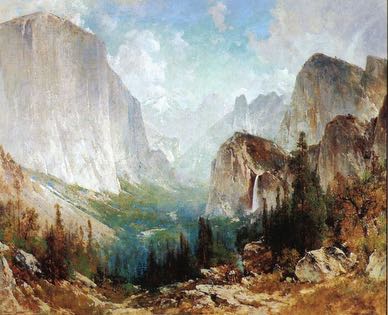
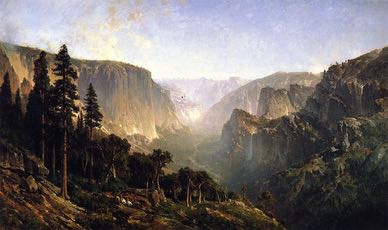
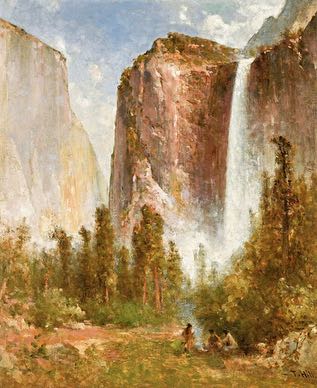
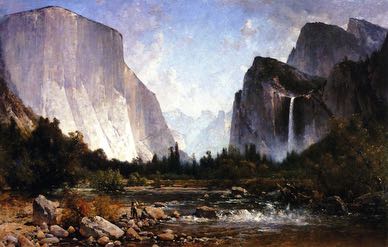
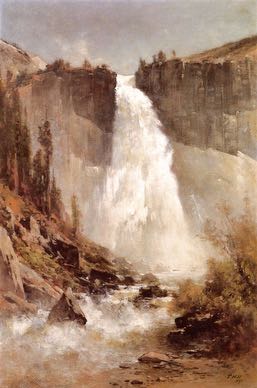
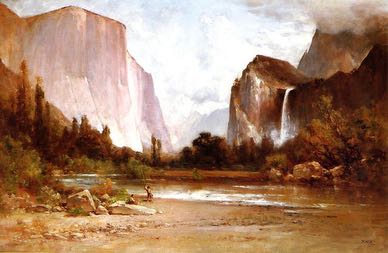
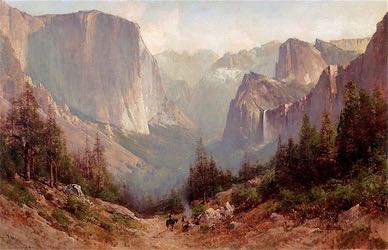
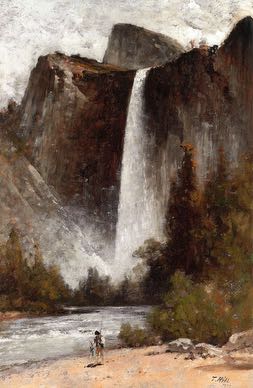
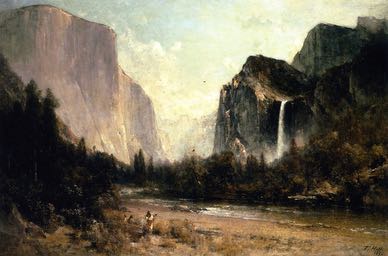
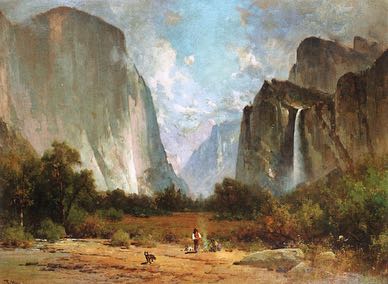
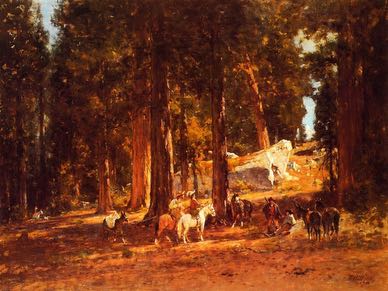
In the 1860s, Hill traveled westward to California, where he became captivated by the dramatic landscapes of Yosemite Valley. This location, with its towering granite cliffs, waterfalls, and sequoia trees, became central to his work, inspiring him to create some of his most memorable and ambitious paintings. His Yosemite scenes emphasized the grandeur and awe-inspiring beauty of nature, capturing the rugged majesty of cliffs and waterfalls under varying light and atmospheric conditions. Hill’s paintings brought the wonder of Yosemite to audiences across the country, and he became widely known as one of the leading interpreters of the American West.
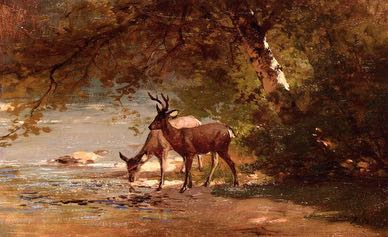
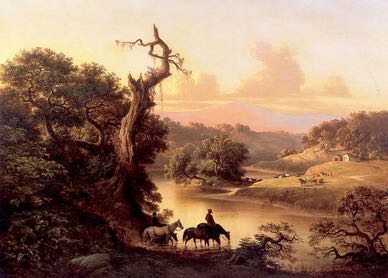
Hill’s technique was marked by careful attention to composition, with a focus on realistic detail combined with an almost romantic sensibility. His brushwork and color palette brought out the natural textures and forms of the wilderness, from the rough granite of mountain peaks to the delicate shimmer of rivers. Through his work, he conveyed a deep sense of the wilderness as both a symbol of national pride and a place of spiritual significance. He often included small human figures within his vast landscapes, emphasizing the insignificance of humankind in comparison to the grandeur of nature.
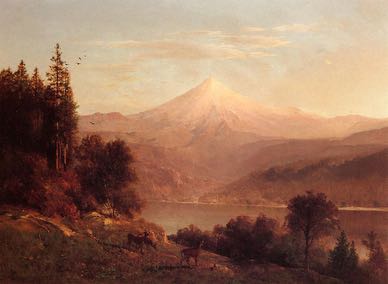
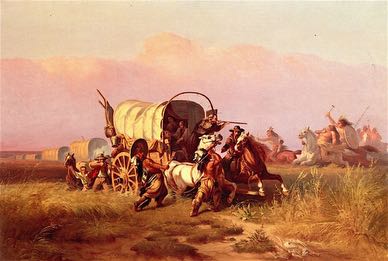
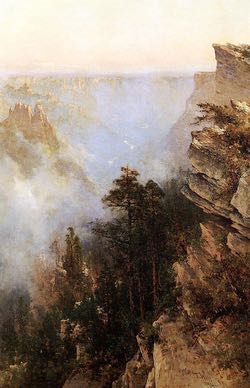
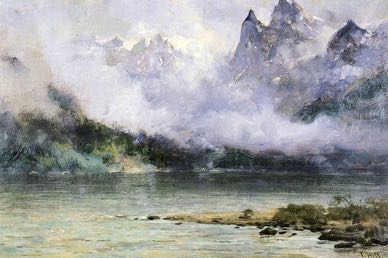
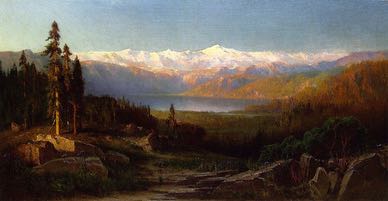
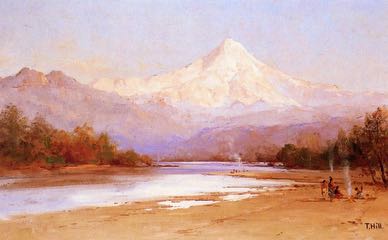
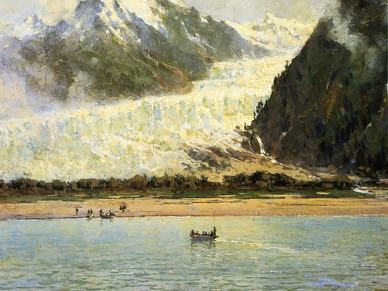
Hill was also a prolific painter of other western landscapes, including scenes from the Pacific Northwest and the Rocky Mountains, further broadening his depiction of America’s diverse terrains. His work resonated with the public’s fascination for the West and the idea of Manifest Destiny, as his paintings showcased regions that were still wild and relatively untouched. His work reflected a profound admiration for these landscapes, and he often painted outdoors, or en plein air, to capture the authentic light and atmosphere of his scenes.
Over the years, Hill’s reputation grew, and his works were exhibited widely, particularly on the West Coast, where he became a well-known figure in the San Francisco art community. However, his career was not without challenges. Economic downturns and shifting artistic trends impacted his financial stability, and his later years were marked by personal struggles. Despite these difficulties, Hill continued to paint, remaining committed to his vision of the American landscape.
Thomas Hill’s legacy lies in his ability to convey the awe-inspiring beauty of the American West and the sense of wonder it inspired. His paintings offer a timeless view of Yosemite and other natural wonders, capturing them as symbols of both national identity and spiritual depth. Today, Hill is remembered as one of the most important landscape painters of the 19th century, whose work contributed to the American perception of its natural heritage and the majesty of the Western frontier.
Copyright © 2026 BrushWiz. All Rights Reserved.