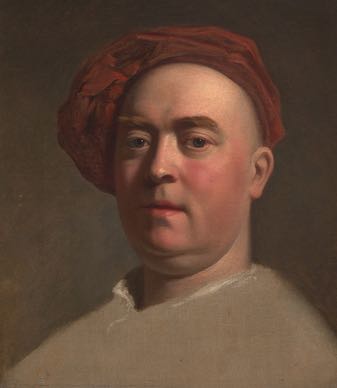
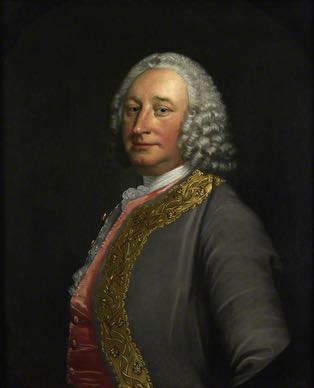
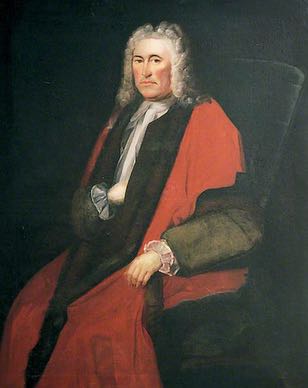
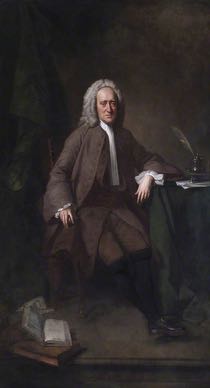
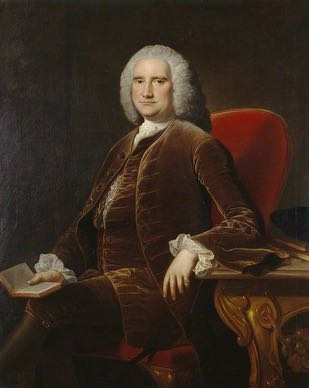
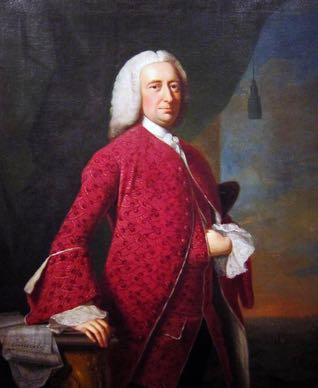
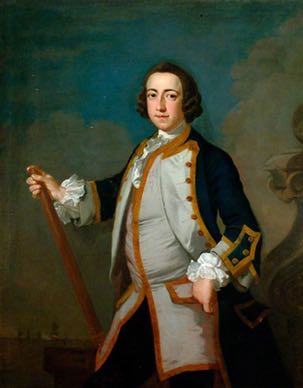
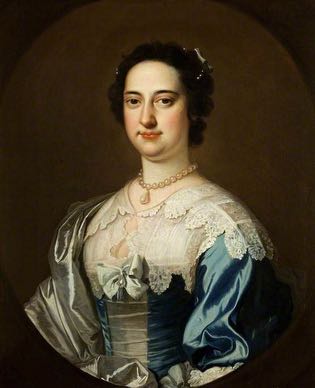
Hudson was born in Devon, England, and received his artistic training under Jonathan Richardson, a leading portrait painter of the time. Richardson’s influence on Hudson was significant, not only shaping his technical approach but also instilling in him a sense of portraiture as a way to capture both physical likeness and social identity. Hudson’s early work reflects this training, combining a realistic attention to detail with a focus on the dignified representation of his sitters. As Hudson established himself, his reputation as a skilled and reliable portraitist grew, attracting a clientele from London’s elite circles.
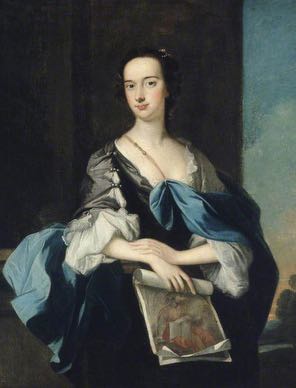
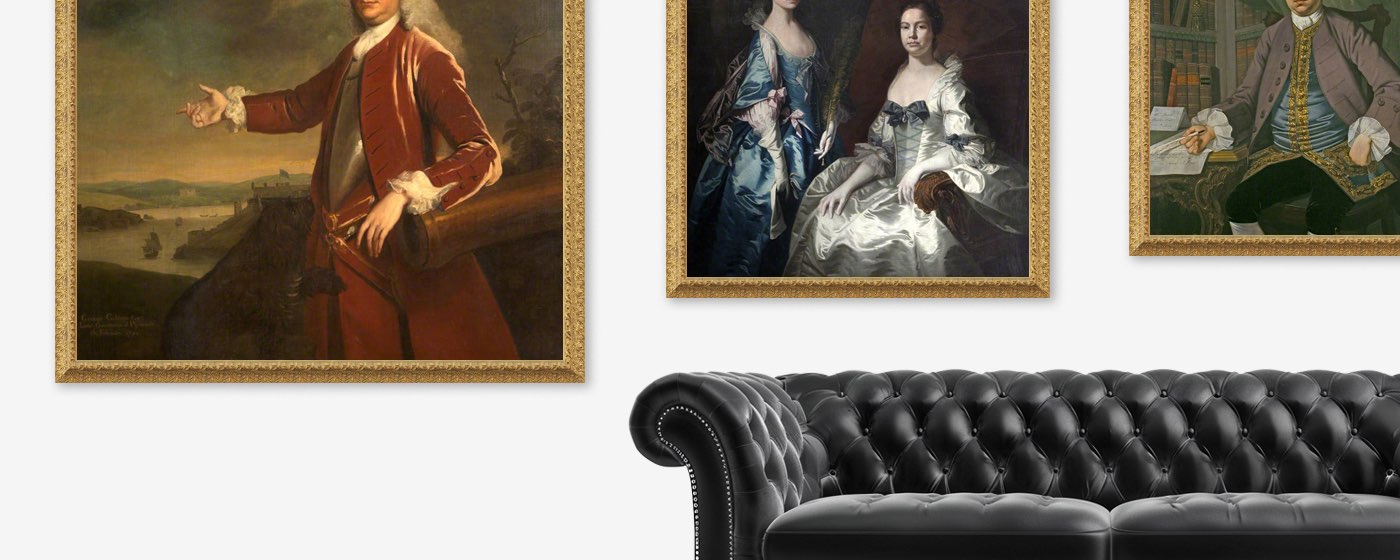
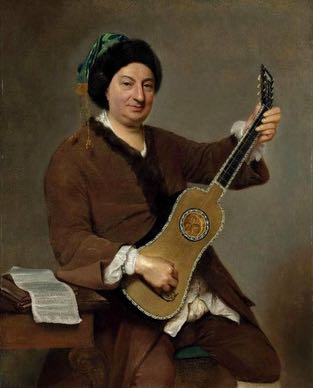
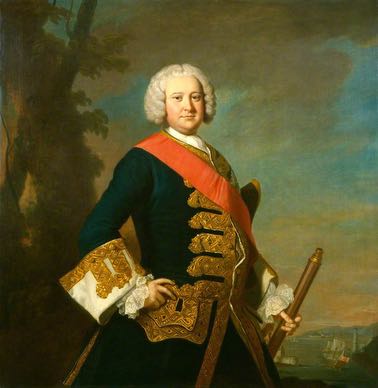
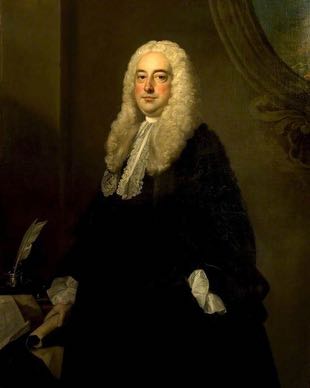
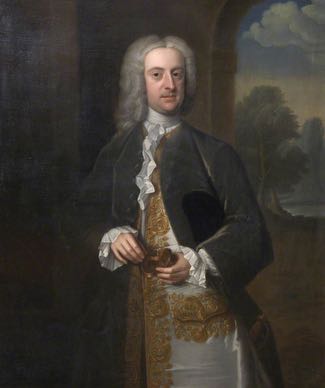
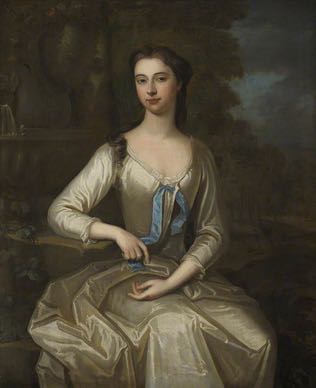
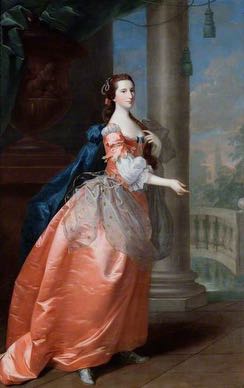
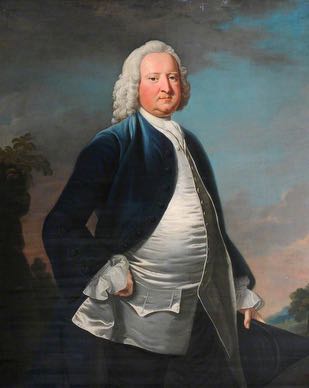
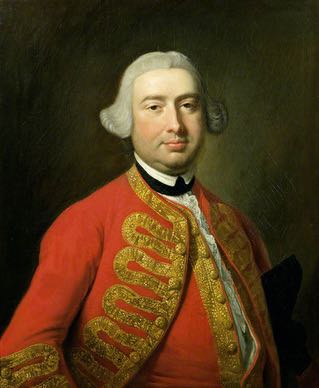
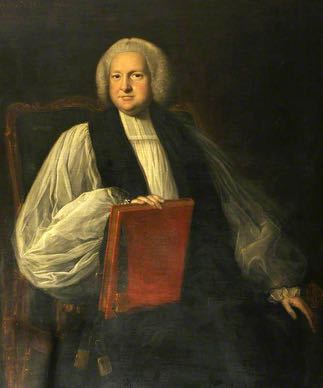
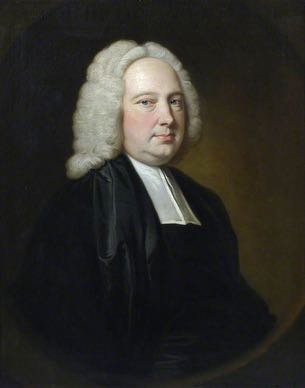
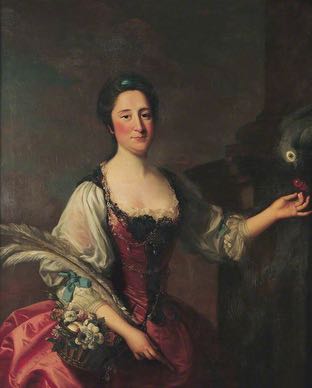
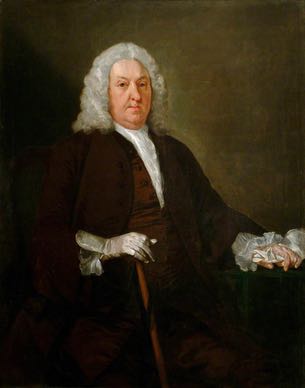
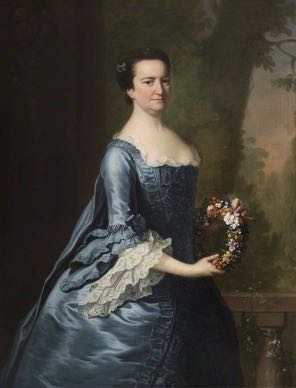
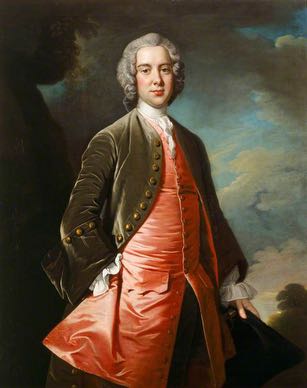
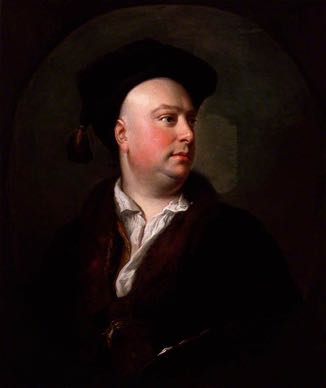
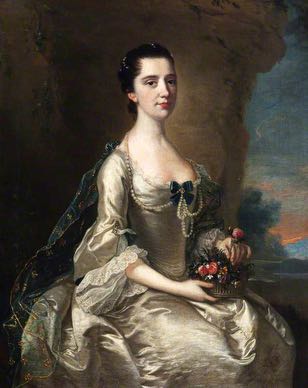
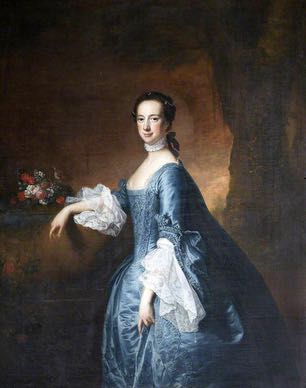
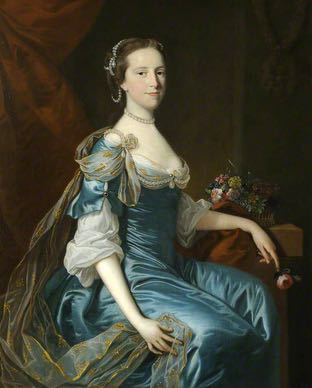
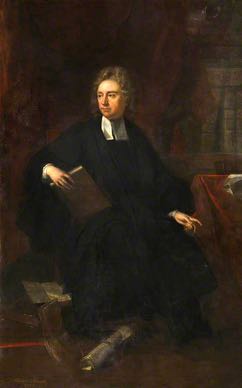
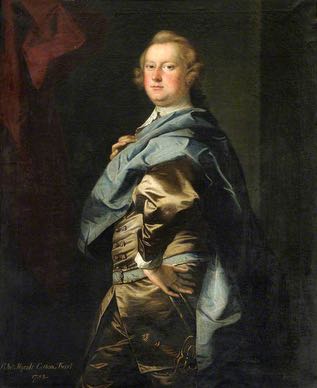
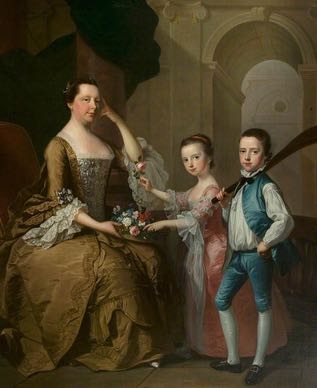
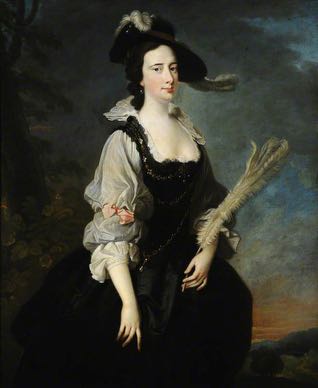
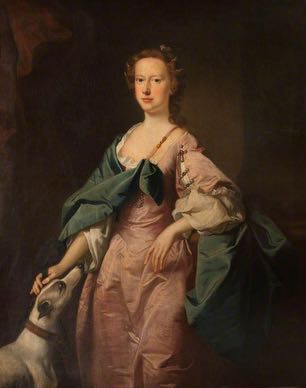
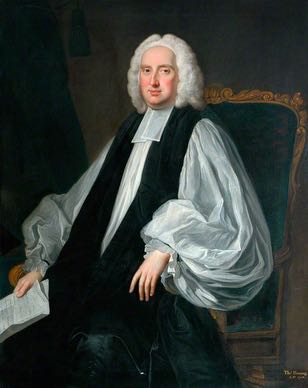
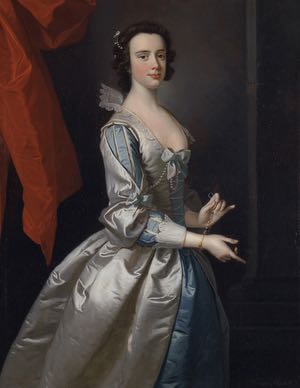
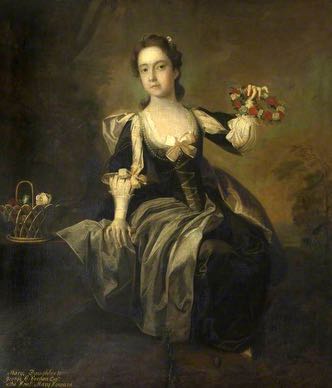
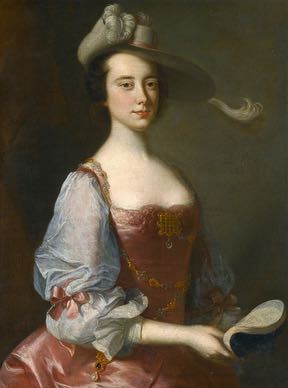
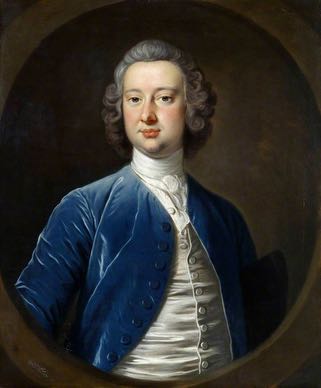
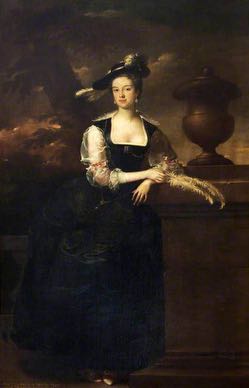
By the 1730s, Hudson had become one of the leading portrait painters in London, known for his ability to convey the elegance and affluence of his subjects. His portraits typically featured sitters posed in graceful, often grandiose settings, with rich fabrics, powdered wigs, and carefully rendered facial expressions that conveyed confidence and refinement. Hudson’s palette was subtle yet warm, and he used delicate color transitions to create a sense of depth and realism, particularly in the depiction of textiles and skin tones. His skill in rendering the textures of silk, lace, and velvet became a hallmark of his style, appealing to his patrons’ desire for opulent representation.
Hudson’s studio was one of the busiest of his time, and he employed numerous assistants to meet the high demand for his portraits. Among these assistants was Joshua Reynolds, who would later become one of Britain’s most celebrated portrait painters. While Reynolds eventually surpassed Hudson in influence, Hudson’s impact on the development of British portraiture was significant, and his mentorship of Reynolds was crucial to the latter’s early development. Hudson’s emphasis on composition, color harmony, and detail set a standard in British portraiture, influencing a generation of artists.
Throughout his career, Hudson was known for his dignified approach to portraiture, avoiding overt dramatization in favor of a restrained elegance that suited the tastes of his era. He was adept at capturing the social standing of his subjects, often including symbolic elements or gestures that reflected their status, profession, or achievements. His work became synonymous with the Georgian ideals of decorum and grace, embodying the aesthetic and cultural values of Britain’s elite.
Although his popularity began to wane in the 1750s, with changing artistic tastes and the rise of more dynamic styles, Hudson remained a respected figure in British art. He retired from painting in the late 1750s, having amassed a considerable fortune and a reputation as one of the foremost portraitists of his time. After his retirement, he continued to be involved in the art world, collecting works by old masters and engaging with London’s art community.
Thomas Hudson passed away in 1779, leaving behind a legacy as a key figure in Georgian portraiture. His work offers a valuable glimpse into the social history of 18th-century Britain, preserving the likenesses of the period’s influential figures with a sense of elegance and restraint. Today, Hudson is remembered as a master of British portraiture, whose paintings encapsulate the style, grace, and refinement of his era.
Copyright © 2026 BrushWiz. All Rights Reserved.