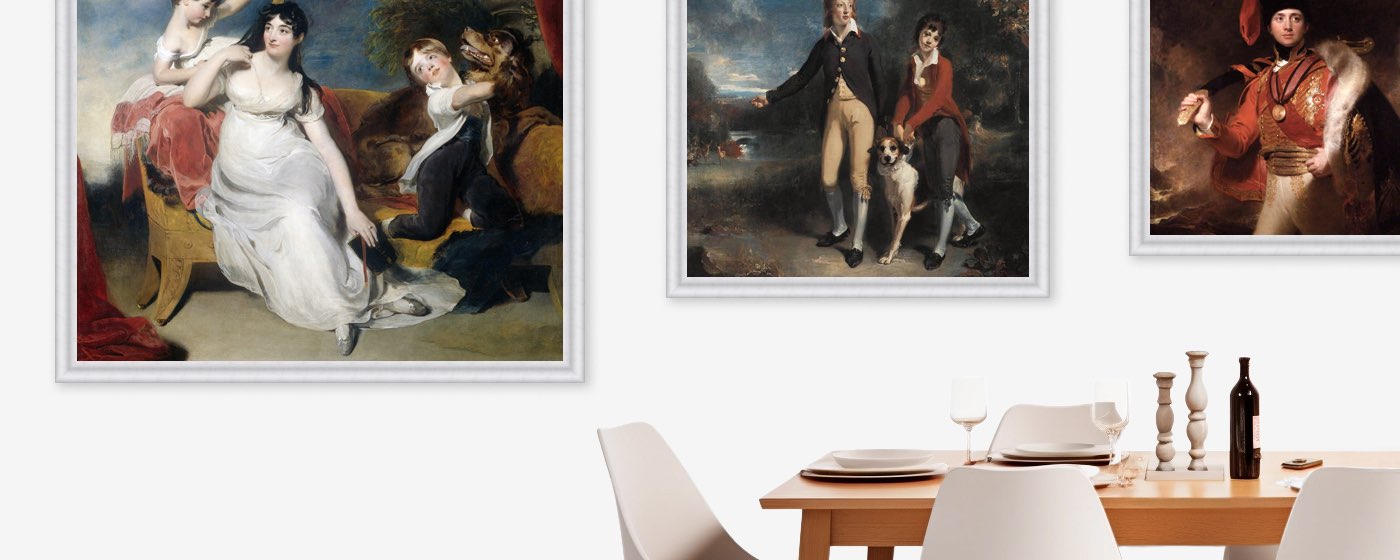
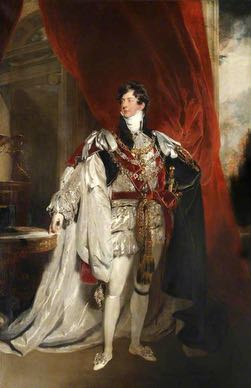
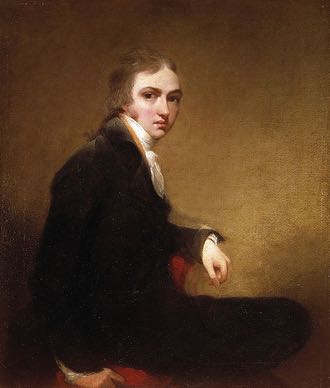
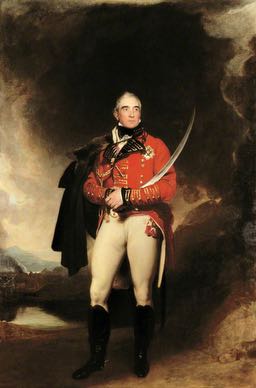
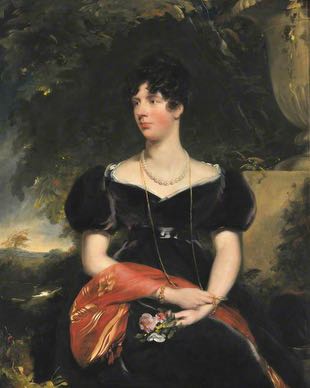
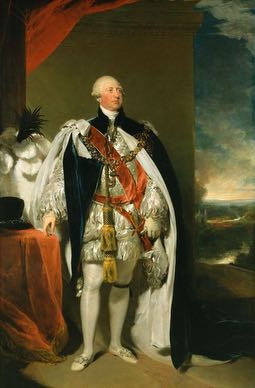
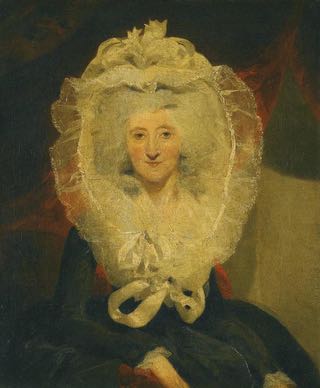
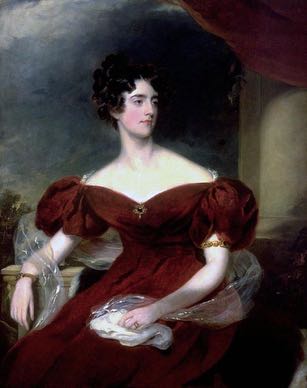
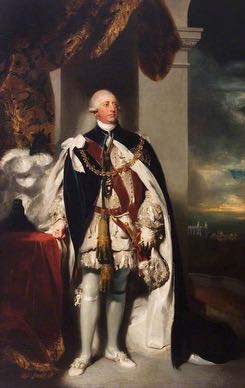
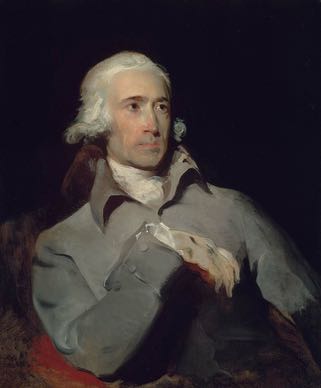
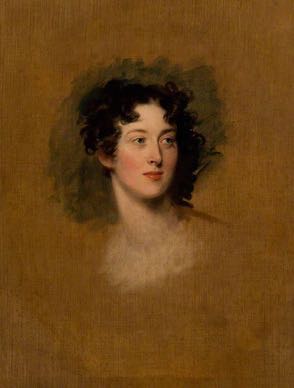
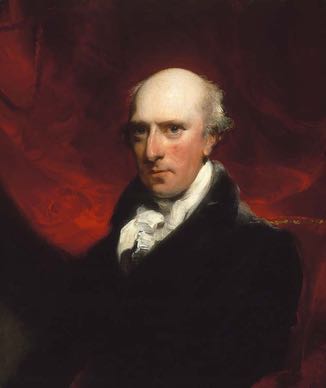
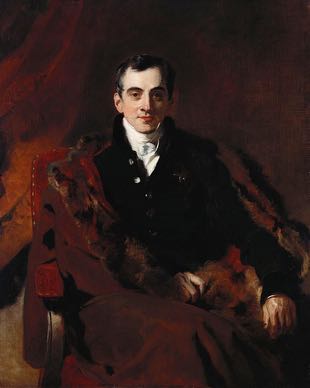
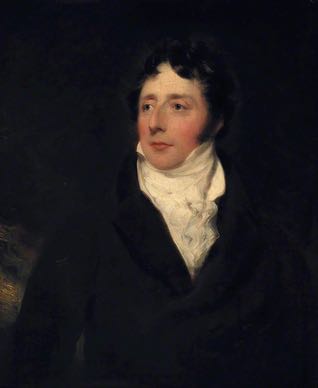
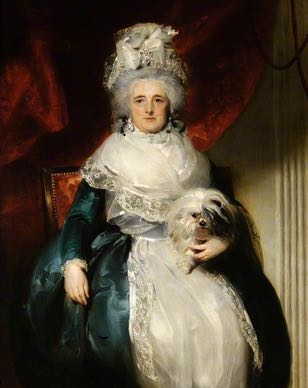
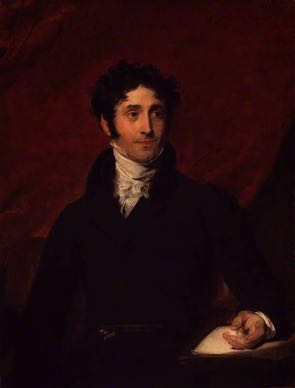
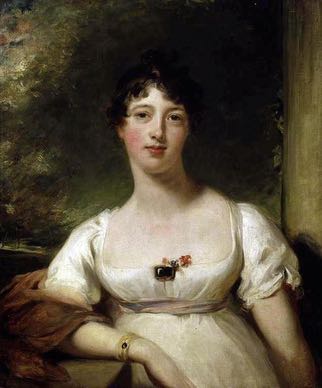
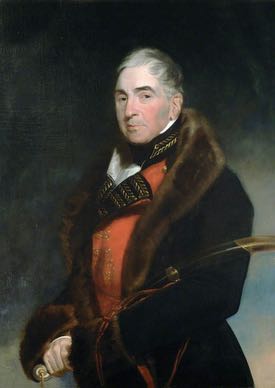
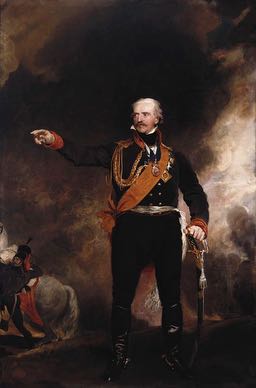
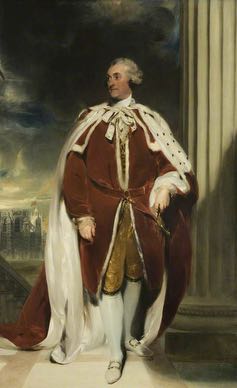
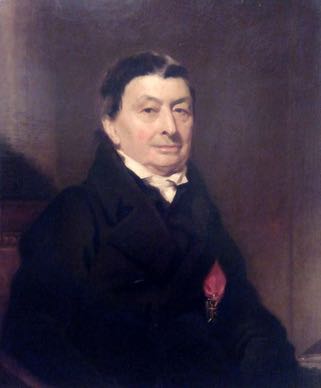
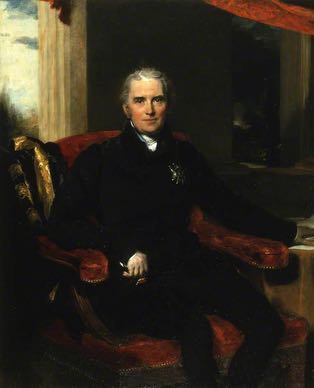
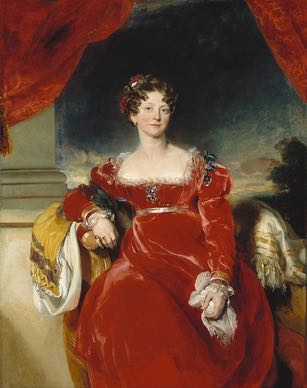
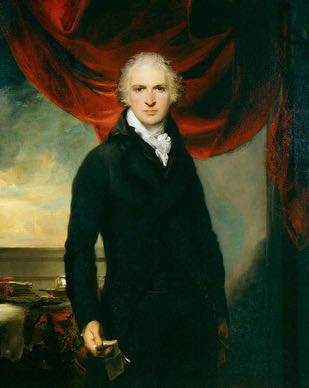
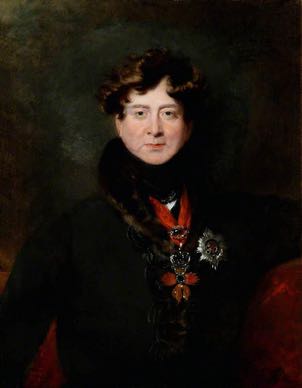
Born in Bristol in 1769, Lawrence demonstrated artistic talent from an early age, sketching guests at the Black Bear Inn in Devizes, which his father managed. By the time his family moved to Bath, he was already producing pastel portraits with professional skill. After moving to London, he briefly studied at the Royal Academy schools, where Sir Joshua Reynolds recognized his potential. Lawrence’s talents soon caught the attention of high society, and he transitioned to oil painting, abandoning pastels but frequently working with chalk and pencil to create intricate preliminary sketches before applying paint.
Lawrence’s breakthrough came when he received a royal commission to paint Queen Charlotte and Princess Amelia. While initially criticized, these portraits were later displayed at the Royal Academy, cementing his reputation. Following Reynolds’s death, Lawrence emerged as the leading portraitist in England. His portraiture style emphasized fluid brushwork, dynamic use of color, and textured compositions, all hallmarks of the Romantic style. Lawrence’s approach gave a theatrical flair to his portraits, creating a sense of nobility and drama that appealed to his aristocratic and royal clientele, who included notable European royals and statesmen.
Though Lawrence briefly ventured into history painting, his primary focus remained on portraits. Known for taking extensive time with his paintings, he left behind numerous incomplete works upon his death in 1830. While others attempted to finish some of these pieces, Lawrence’s distinctive style remained unparalleled, and no direct successor could replicate his originality. His contributions to British art, particularly Romantic portraiture, stand as a testament to his skill and dedication to the craft, securing his place as one of the era’s greatest portraitists.
Copyright © 2026 BrushWiz. All Rights Reserved.