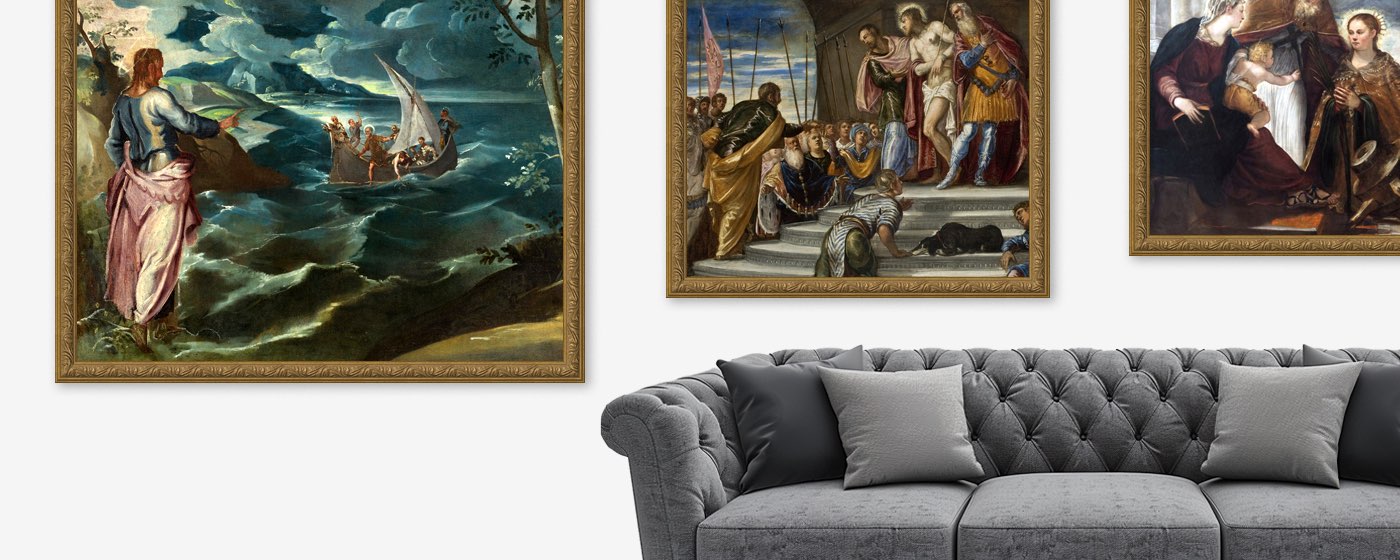
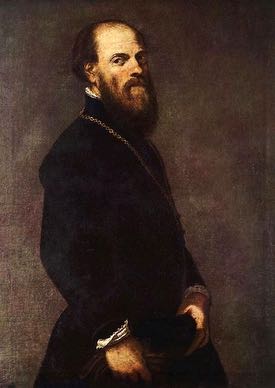
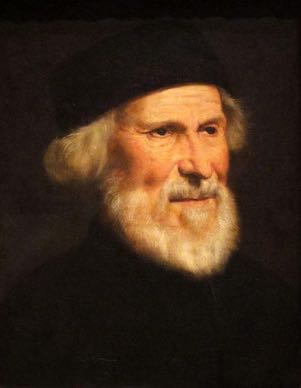
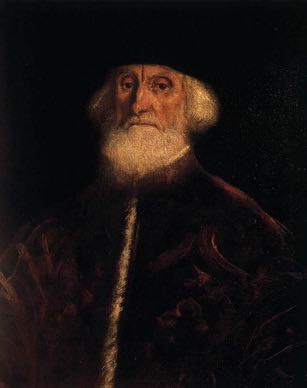
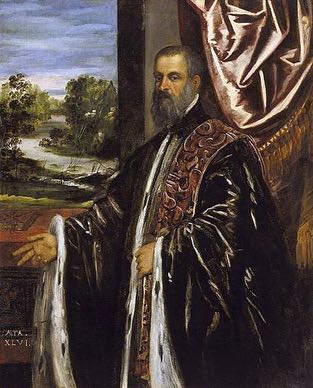
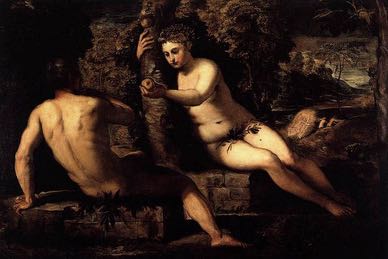
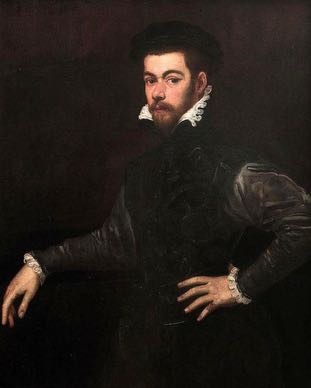
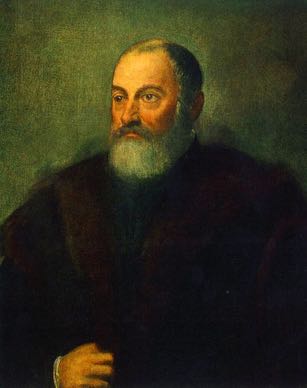
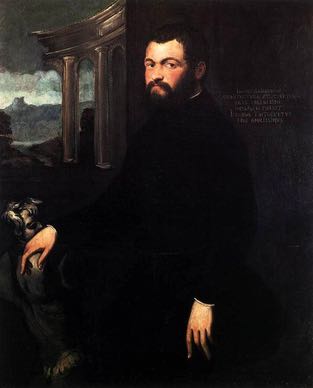
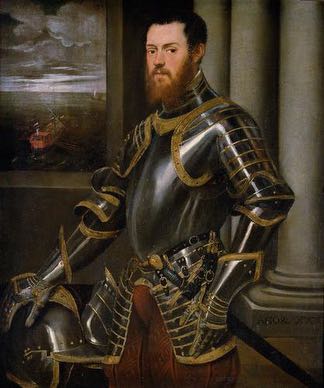
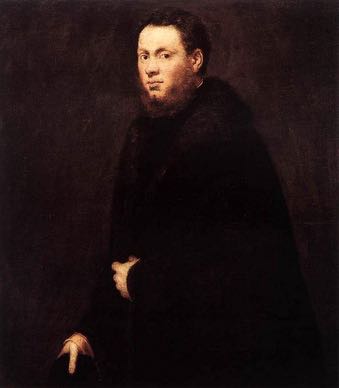
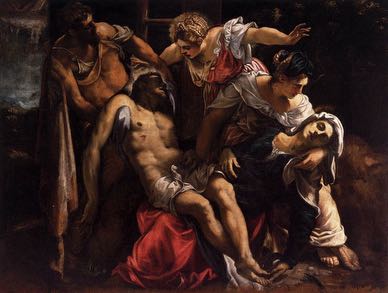
Born Jacopo Robusti in Venice around 1518, he briefly studied under Titian, though this mentorship dissolved due to conflicts and Titian's rumored jealousy of Tintoretto's talent. Tintoretto turned instead to Michelangelo’s sculptural techniques, which he incorporated with the vibrant color palette characteristic of Venetian art. His signature approach—combining Titian’s color with Michelangelo’s form—became the foundation of his artistic innovation.
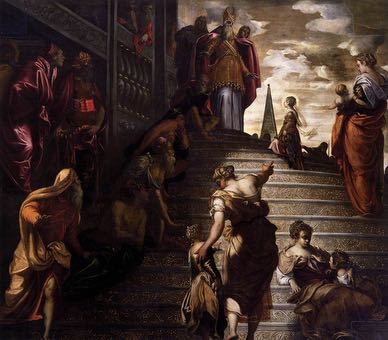
Tintoretto’s early career took off with ceiling paintings, often portraying mythological subjects. He refined his mastery in narrative clarity and perspective, using models posed in intricate setups with manipulated lighting to resolve complex spatial relationships. This experimentation contributed to his quick, decisive brushwork, creating a remarkable sense of motion. His skillful collaboration with Andrea Meldolla on frescoes helped Tintoretto hone his speed and narrative impact, building his reputation as a maverick who could execute large works with impressive speed and accuracy.
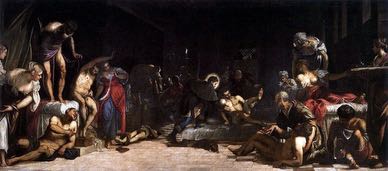
Through his prolific output, he soon earned prestigious commissions, including many for Venetian religious institutions. The “Scuola Grande di San Rocco”—an extensive series of religious paintings—stands as one of his most ambitious and iconic achievements, showcasing his intense chiaroscuro, dynamic figures, and innovative spatial arrangements. He was known for painting with such speed that he often accepted commissions at low fees, showing more devotion to his craft than to profit.
Despite initially receiving mixed reviews, Tintoretto’s legacy grew substantially after his death, with critics recognizing him as a visionary who bridged Venetian techniques with Mannerist ideals. Today, Tintoretto is celebrated for his fierce originality and contributions to the Mannerist movement, inspiring generations of artists with his theatrical compositions and unique approach to perspective and light. His works, seen in collections worldwide, exemplify the transition from Renaissance harmony to the complexity of Mannerism, cementing his reputation as one of Venice's greatest painters.
Copyright © 2026 BrushWiz. All Rights Reserved.