
❄️ Winter Sale. Offer Ends 11/14/2026. View Details
❄️ Winter Sale. Ends 11/14/2026. View Details
❄️ Winter Sale. View Details
Artists
Subjects
Movements
Collections
Decor
Portraits
Commissions
Framing
Reviews
Gift Cards
On Sale
Tom Thomson Oil Painting Reproductions
Shop museum-quality reproductions of Tom Thomson’s most famous paintings, each hand-painted in oil on canvas by a professional artist.
Shop Art
Showing 1-40 of 193 results
Sort By
Most Popular
- Most Popular
- New Arrivals
- Best Sellers
- Alphabetical A-Z
- Alphabetical Z-A
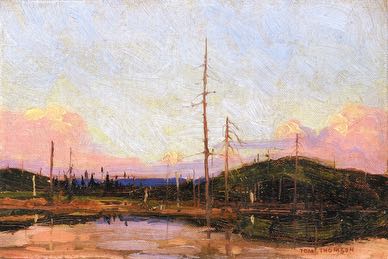
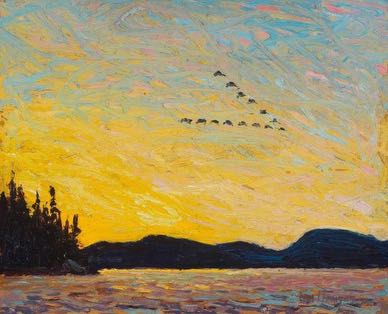
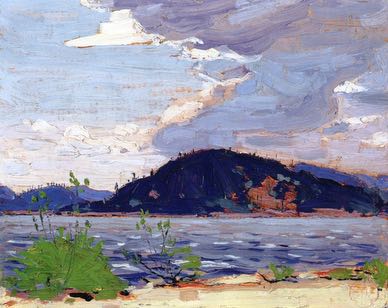
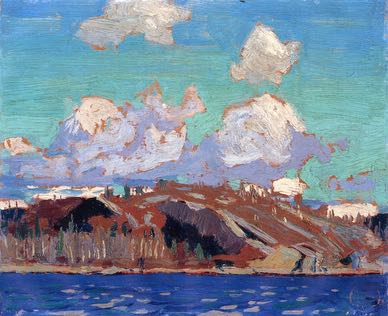
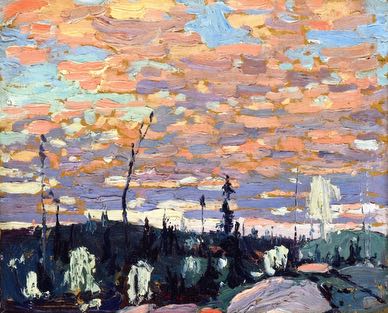
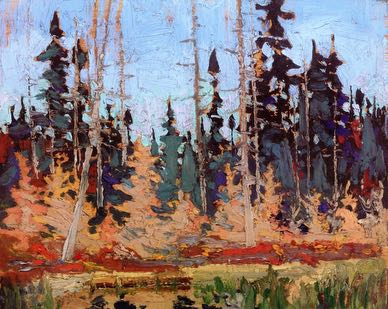
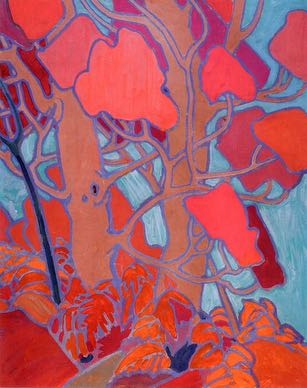
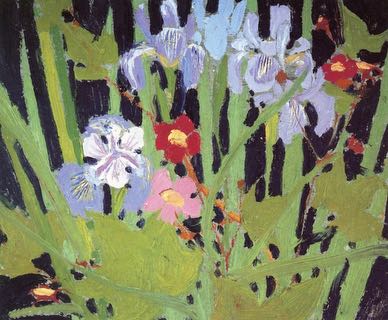
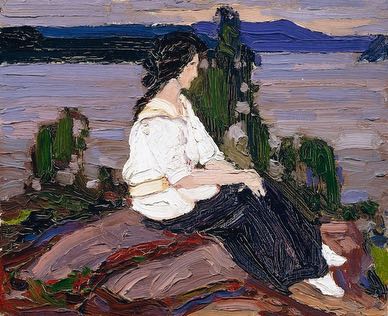
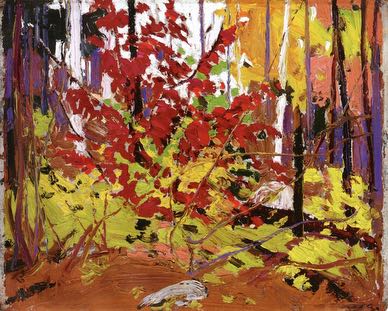
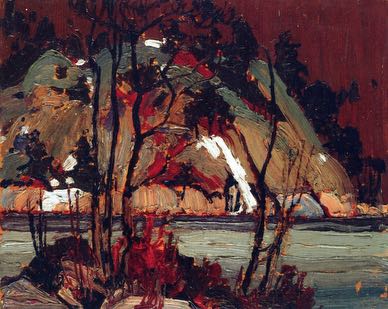
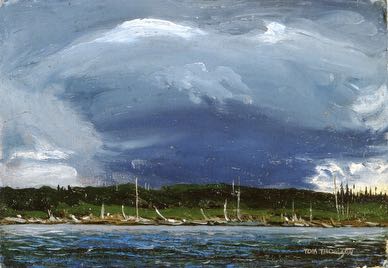

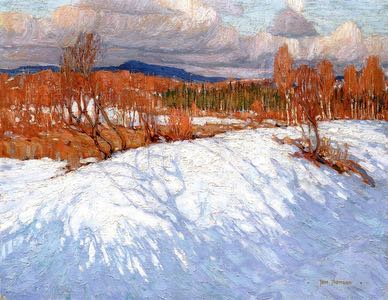
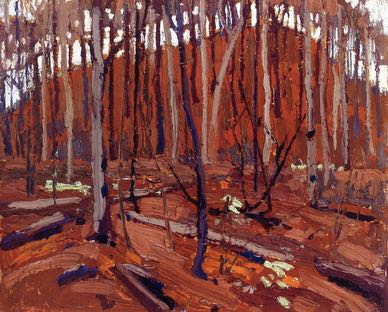
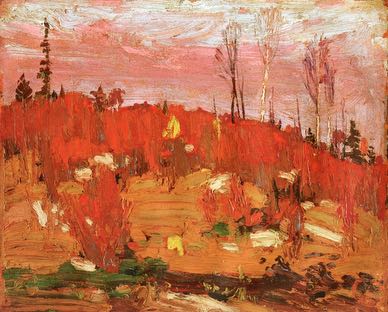
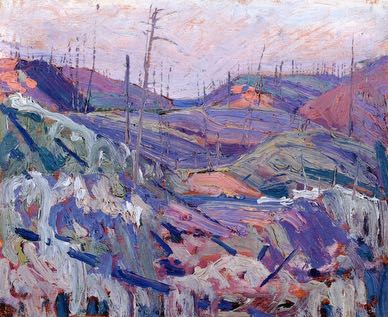
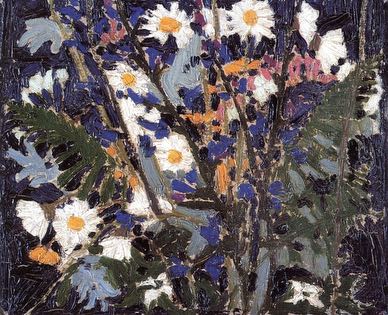
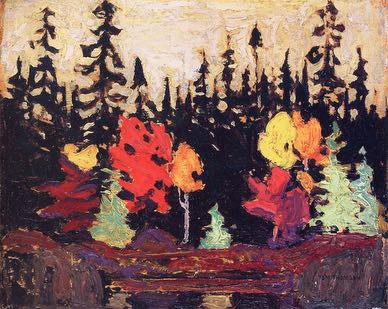
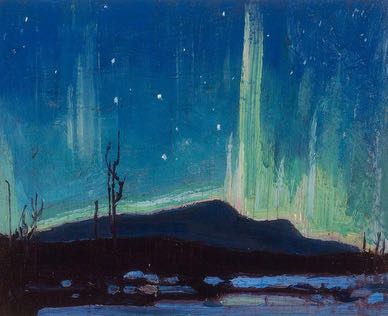
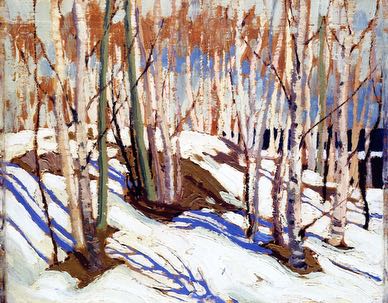
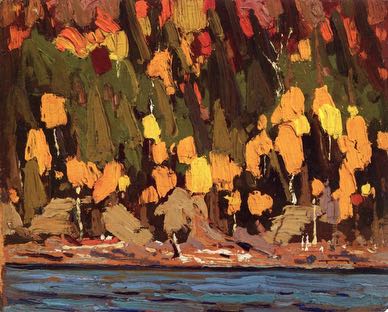
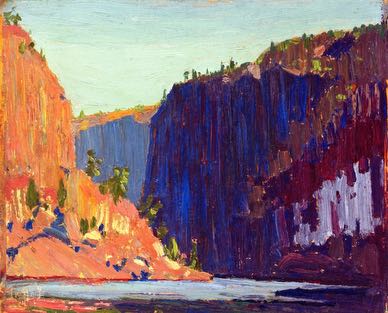
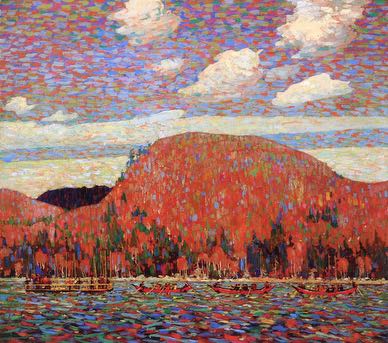
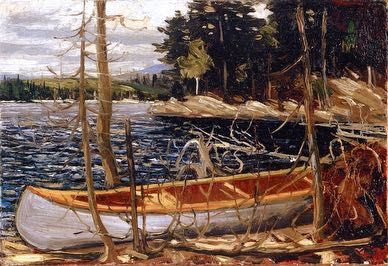
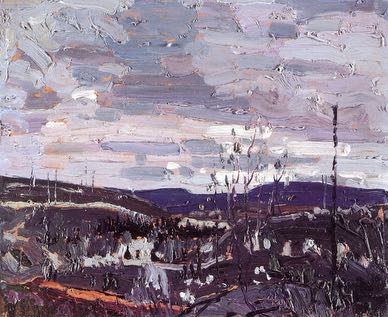
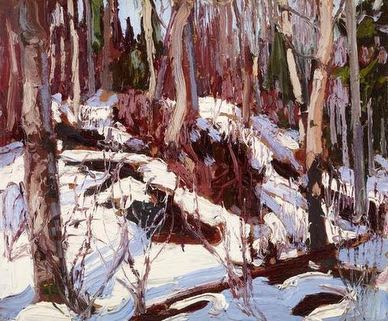
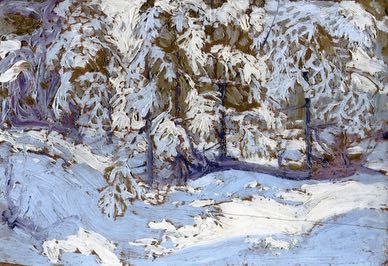
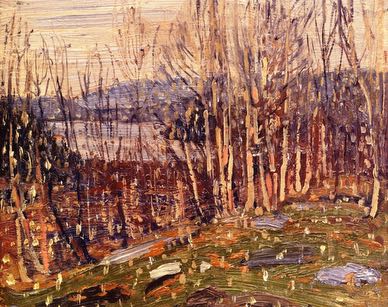
Can’t Find the Painting You Want?
Send us a reference image. We can recreate almost any artwork in the size and style you’re looking for.
Get a Free QuoteHand-Painted Tom Thomson Reproductions
Bring Thomson’s art into your home with an oil-on-canvas reproduction hand-painted by a professional artist. Our collection features more than one hundred paintings from across his career, including The Jack Pine, The West Wind, and Northern River. Discover wind-bent pines, northern lakes, autumn forests, storm-filled skies, marshes, and other subjects closely associated with Thomson. Every reproduction is a real oil painting, offering depth and texture that a print or digital transfer cannot provide. From iconic masterpieces to lesser-known works, find a Thomson painting that suits your space.
The Making of a Tom Thomson Oil Painting Replica
Creating a Tom Thomson oil painting replica requires patience, precision, and an understanding of the original artwork. Our studio includes artists who specialize in Post-Impressionist landscape painting and understand the distinctive qualities of Thomson’s work. The artist begins by studying the source image, then recreates its bold color, rhythmic brushwork, simplified forms, and Thomson’s strong sense of changing weather on canvas using traditional oil-painting methods. After completion, the painting is inspected by our quality-control team and photographed for your approval. The result is a carefully executed oil painting that reflects the visual character of the original.
Custom Sizes and Frames for Your Thomson Painting
Your Thomson painting can be ordered in practically any size, from popular standard dimensions to custom canvas sizes selected directly on the product page. This flexibility lets you choose a painting that fits your wall and complements your room perfectly. After selecting the size, you can choose from high-quality frames in classic or modern designs, with professional canvas stretching also available. Our framing options complement the strong colors and natural character of Thomson’s paintings. With sizing, stretching, and framing arranged in one order, your artwork can arrive ready for display without a separate visit to a frame shop.
Order a Tom Thomson Reproduction with Confidence
Buying hand-painted art online should feel clear and comfortable. After your Tom Thomson reproduction is completed, we send high-resolution photographs for your review before shipping. You can inspect the composition, colors, brushwork, and overall finish, then request adjustments if needed. The painting is dispatched only after you approve it, so you know what to expect when it arrives. Your order also includes free express worldwide shipping and is covered by our 90-day return policy. Together, these assurances help you purchase a Thomson oil painting with greater confidence and peace of mind.
The Life and Art of Tom Thomson
Tom Thomson was a Canadian painter whose oil sketches and canvases gave Ontario’s lakes and forests a bold visual language. Born in 1877, he worked in commercial design before turning to painting in his thirties. From 1912 until his death in 1917, Thomson returned to Algonquin Park, traveling by canoe and painting weather, autumn foliage, spring ice, forest fires, quiet water, and solitary trees. He carried compact panels into the landscape to capture conditions, then developed selected ideas in his Toronto studio. Thomson died three years before the Group of Seven’s first exhibition, so he was never a member, but his friendships and experiments helped prepare the ground for the group and made him a central figure in Canadian art.
Read More
Who Was Tom Thomson?
Thomas John Thomson was born on 5 August 1877 in Claremont, Ontario. When he was still an infant, his family moved to a farm near Leith, outside Owen Sound. He grew up among fields, hardwood forests, and the waters of Georgian Bay in a large household that valued music, reading, hunting, fishing, drawing, and close observation of nature.
Thomson did not follow a conventional path through an art academy. He became a skilled commercial designer and was already in his thirties when painting took over his life. Within a few years, he had developed an unmistakable way of seeing the Ontario landscape through strong color, compressed space, and brushwork that makes wind, water, cloud, and foliage feel active.
His mature career lasted only about five years. That short period produced hundreds of outdoor oil sketches and roughly fifty larger canvases, including some of the most widely recognized images in Canadian art.
What Did Thomson Do Before Becoming a Full-Time Painter?
As a young man, Thomson attended business school and learned penmanship and commercial subjects. In 1901, he followed older brothers to Seattle, where he worked for an engraving firm. The job required precise lettering, layout, and image preparation, giving him practical design skills even though it did not yet point toward a career as a landscape painter.
He returned to Ontario in 1904 and settled in Toronto the following year. Thomson found work at Legg Brothers, a photo-engraving company, then joined the influential design firm Grip Limited in 1909. Art director Albert Robson hired artists with strong drawing abilities and encouraged a working atmosphere in which commercial assignments and personal artistic ambitions could develop together.
Thomson later moved with several colleagues to Rous and Mann Press. Posters, catalogues, covers, and decorative lettering taught him to simplify forms and make every shape contribute to the whole design. Those habits remained visible when he exchanged printed pages for lakes, trees, and skies.
How Did Toronto’s Designers Encourage His Painting?
At Grip, Thomson worked alongside artists who would become important to the development of modern Canadian landscape painting. J. E. H. MacDonald was the senior figure in the studio and encouraged colleagues to sketch outdoors. Arthur Lismer, Frederick Varley, and Franklin Carmichael joined the same professional circle, while Lawren Harris and A. Y. Jackson became close associates through Toronto’s Arts and Letters Club.
These artists shared paintings, argued about color and composition, and looked for ways to represent the Canadian landscape without relying on inherited formulas. Thomson learned rapidly in this environment. His friends offered criticism and encouragement, but he also brought something they valued: practical knowledge of fishing, camping, canoeing, and the northern terrain they hoped to paint.
Patron and ophthalmologist Dr. James MacCallum recognized Thomson’s promise and offered financial support in 1914. That help, together with early purchases by public institutions, allowed him to reduce commercial work and concentrate on painting.
Why Did Algonquin Park Transform Thomson’s Art?
Thomson first visited Algonquin Park in May 1912. Its chain of lakes, rocky shores, wetlands, logged forests, and rapidly changing weather gave him a subject large enough to sustain years of work. He returned during the spring, summer, and autumn until 1917, staying at places such as Mowat Lodge on Canoe Lake.
The park was not an untouched wilderness. Logging camps, dams, railways, cabins, tourist lodges, and fire damage appeared alongside forests and open water. Thomson painted lumber activity and abandoned logs as readily as distant hills, allowing signs of work and environmental change to remain within the landscape.
Living outdoors also sharpened his response to short-lived conditions. Ice might open overnight, autumn color could fade within days, and a storm could cross a lake in minutes. Rather than search only for grand views, he found subjects in flooded ground, tangled branches, burnt hills, muddy bays, and a single tree resisting the wind.
How Did Thomson Paint While Traveling by Canoe?
Thomson carried a small wooden sketch box fitted with paints, brushes, and panels. Many supports were approximately eight by ten inches, compact enough to handle outdoors and transport through the park. He could sit close to the ground, work from a canoe or shoreline, and record a particular arrangement of weather and light before it changed.
His field sketches are direct but not careless. Broad strokes establish water and sky; a loaded brush can describe a tree trunk, a bank of snow, or reflected light with one decisive movement. Bare wood or a colored ground sometimes remains visible, becoming part of the finished effect rather than a surface that must be completely covered.
Thomson was an experienced fisherman and canoeist who sometimes worked as a guide and fire ranger. Those roles took him beyond familiar tourist routes and taught him to read wind, water, terrain, and seasonal change. The knowledge entered his paintings as structure, not merely as outdoor atmosphere.
What Happened Between the Outdoor Sketch and the Large Canvas?
During winter, Thomson returned to Toronto and worked in the Studio Building on Severn Street. He first shared a studio with A. Y. Jackson and later lived cheaply in a small converted shed behind the building. There he reviewed the season’s panels and selected some for enlargement.
The larger canvases were not mechanical copies. Thomson adjusted tree shapes, changed intervals, strengthened color, and simplified distant forms until the composition carried the force of the original experience at a different scale. A quick panel might preserve weather and energy, while the studio version imposed a more deliberate rhythm.
Northern River, completed in 1915, turns interlaced trunks and branches into a dense screen over reflective water. The canvas feels observed and designed at once. Its verticals, curves, and patches of color show how thoroughly Thomson’s commercial training could serve a serious landscape.
Where Did Thomson Find His Distinctive Color and Design?
Thomson absorbed ideas from Post-Impressionism, Art Nouveau, Arts and Crafts design, illustration, and the work of his Canadian colleagues. He also saw recent Scandinavian painting, which offered examples of northern landscapes organized through strong silhouettes, decorative pattern, and clear masses of color.
Yet influence does not fully explain his mature style. Thomson knew the places he painted through repeated visits in difficult conditions. He understood how spruce darkens against snow, how sunset color spreads across still water, and how a pine bends without losing its footing. Close experience kept his simplification from becoming merely decorative.
His palette grew more daring after 1914. Vermilion, orange, yellow, blue, green, and violet could appear at high intensity, particularly in autumn and sunset sketches. Dark outlines and rhythmic strokes hold those colors together, creating landscapes that feel both immediate and carefully built.
How Did Weather and Season Become Active Subjects?
Thomson rarely treated nature as a motionless backdrop. In his work, spring ice breaks apart, clouds gather, water darkens under wind, and autumn leaves flare against black trunks. A landscape is defined by what is happening to it at a specific moment.
He was especially attentive to the transitional seasons that many visitors avoided. Early spring exposed flooded banks, snow patches, and cold open water. Late autumn brought bare branches, brilliant leaves, and sudden snow. These unstable conditions produced unusual color combinations and made familiar locations look newly unsettled.
Works such as Lightning, Canoe Lake compress a dramatic event into a small surface, while Northern Lights transforms the night sky into vertical bands of energy. Observation remains the starting point, but paint turns weather into the emotional center of the scene.
Which Paintings Best Represent Thomson’s Achievement?
Thomson moved between rapid outdoor panels and more sustained studio canvases. Together, these works show his range across season, weather, scale, and composition:
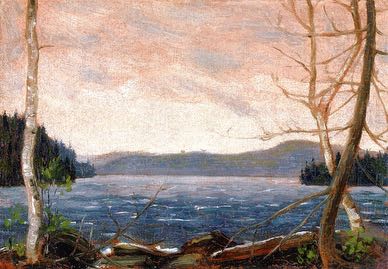
- A Northern Lake, 1912–1913: One of Thomson’s early successes establishes a calm arrangement of water, distant shore, and expansive sky.
- Moonlight, Algonquin Park, 1913–1914: A restrained nocturne uses reflection and darkness to give familiar water a mysterious depth.
- Northern River, 1914–1915: Tangled trees, reeds, and reflected light become a richly patterned wall of northern growth.
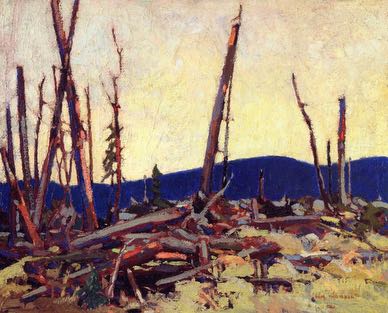
- Fire-Swept Hills, 1915: Charred trunks rise from intensely colored ground, recording destruction without losing the landscape’s fierce vitality.
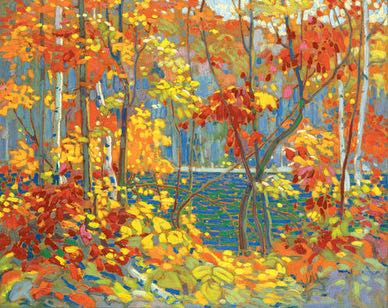
- The Pool, 1915–1916: Autumn trees and still water meet in a dense arrangement of warm color and reflection.
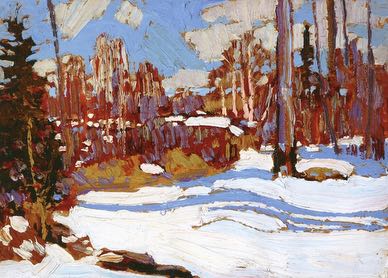
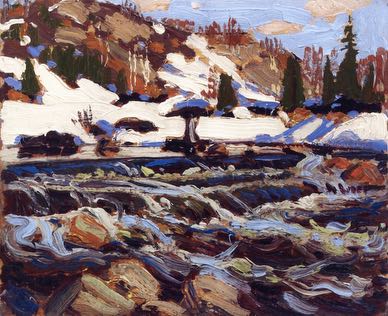
- Spring Ice, 1915–1916: Broken water, snow, and exposed ground capture the rough instability of seasonal change.
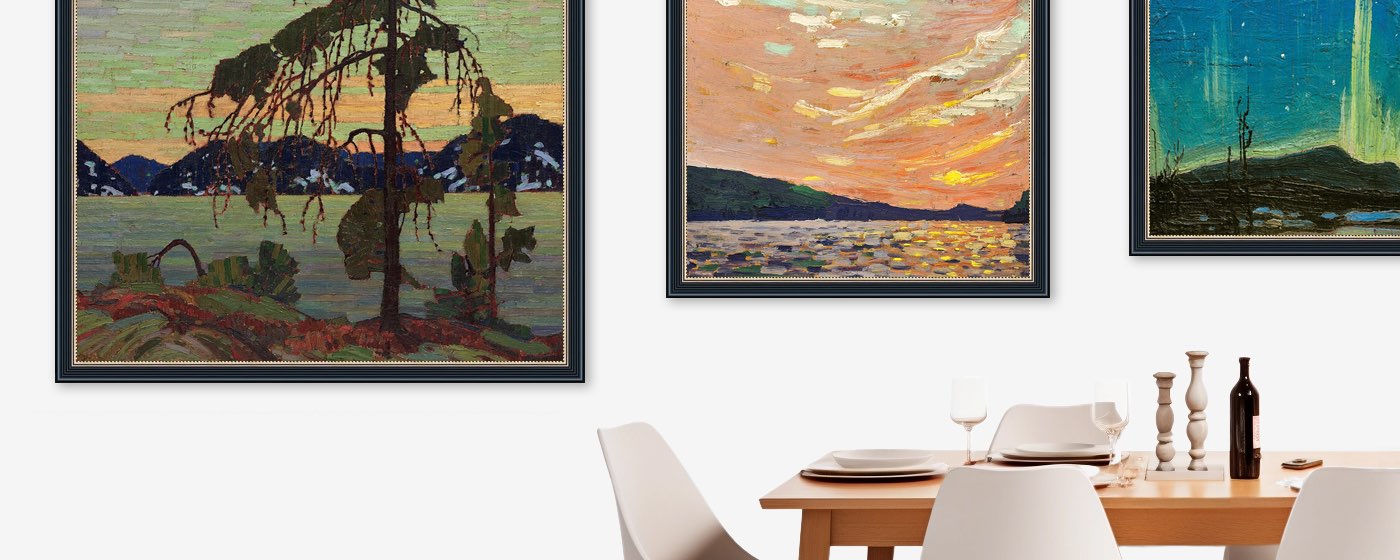
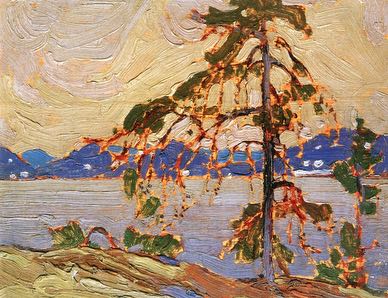
- The Jack Pine, 1916–1917: A single tree spreads across a glowing lake and distant hills in one of Thomson’s most controlled designs.
- The West Wind, 1916–1917: Wind pushes through the pine and water, turning a solitary tree into an image of tension and endurance.
- Maple Saplings, 1917: Slender trunks and bright autumn leaves fill the surface with an energetic web of color.
What Is Known About Thomson’s Death at Canoe Lake?
On 8 July 1917, Thomson disappeared while canoeing on Canoe Lake. His empty canoe was found that afternoon, and his body was recovered eight days later. The official conclusion was accidental drowning, but incomplete evidence and conflicting later stories encouraged decades of speculation about precisely what happened.
The mystery should not overshadow the documented life. Thomson was a capable outdoorsman, but Canoe Lake could be unpredictable, and accidents happen even to experienced travelers. His family arranged for burial near Leith, Ontario, while friends later built a memorial cairn at Canoe Lake.
Because he died young and left few written explanations of his art, others quickly shaped his public image. Stories of the solitary wilderness painter often simplified a man who also loved music, elegant clothes, city restaurants, companionship, and the demanding collaborative world of commercial design.
Why Is Thomson Linked to the Group of Seven?
The Group of Seven held its first exhibition in 1920, almost three years after Thomson’s death. He therefore was never a member. The connection comes from friendship and shared work: several future members had painted, designed, traveled, or exchanged ideas with him, and they regarded his rapid development as proof that a forceful Canadian landscape art was possible.
Influence moved in both directions. MacDonald, Harris, Jackson, Lismer, Varley, and Carmichael helped Thomson encounter new art and refine his paintings. In return, his knowledge of Algonquin Park, bold color, and commitment to outdoor sketching affected their own approaches. His images became central to the story the group later told about modern Canadian painting.
That legacy is powerful but also open to reassessment. Algonquin Park was shaped by Indigenous history, logging, settlement, tourism, conservation policy, and labor, even when people are absent from Thomson’s canvases. Seeing those layers does not diminish the paintings. It makes their apparently empty landscapes more historically complete and keeps their beauty connected to a real, changing place.
Copyright © 2026 BrushWiz. All Rights Reserved.
About Our Tom Thomson Paintings
Are your Tom Thomson reproductions painted by hand?
Yes. Every reproduction is individually painted by hand in oil on canvas by a professional artist. We do not use prints, digital transfers, or mechanical reproduction methods.
How closely do your Thomson copies resemble the original?
Our artists work to capture the composition, colors, texture, and visual character of the original Thomson painting as closely as possible. Because every reproduction is painted by hand, small variations are natural and make each canvas unique.
How long does a Tom Thomson painting take to complete?
Most Thomson reproductions require approximately two to three weeks to paint, dry, and inspect. Production time may vary depending on the artwork and canvas size, so check the estimate displayed on the product page.
Can I request a Thomson artwork that is not listed?
Yes. If you cannot find the Tom Thomson artwork you want in our catalog, send us its title or an image. Our team will review your request and confirm the available sizes, estimated production time, and price.
Will I receive photos of my painting before shipping?
Yes. We send high-resolution photographs of the completed painting for your approval. You can request adjustments if needed, and the painting will not be dispatched until the review process is complete.
Are custom canvas sizes available?
Yes. We offer custom dimensions in addition to the standard sizes shown on the product page. Select the dimensions you need directly from the available size options.
May I order my Thomson painting with a frame?
Yes. High-quality frames in classic and modern designs are available for many paintings. You can view compatible framing options and add your preferred design from the product page. Professional canvas stretching is also available.
What determines the price of a Tom Thomson reproduction?
The price depends on the selected artwork, canvas dimensions, and framing option. Choose your preferred configuration on the product page to see the current price before ordering.
Do Thomson reproductions qualify for free worldwide shipping?
Yes. Thomson reproductions qualify for free express worldwide shipping. After dispatch, delivery usually takes five to eight business days, although timing may vary by country and destination.
Which return policy covers Tom Thomson reproductions?
Orders are covered by our 90-day return policy. Review the current return-policy page before ordering for complete information about eligibility, time limits, and the return process.
Why BrushWiz?
100% Hand Painted
Every piece is entirely handmade
Museum Quality
Faithfully recreated by expert artists
Custom Framing
Choose from a wide range of frames
Free Shipping
Enjoy free shipping on all orders
Cash Back Rewards
Earn cash back with every purchase