
- Best Seller

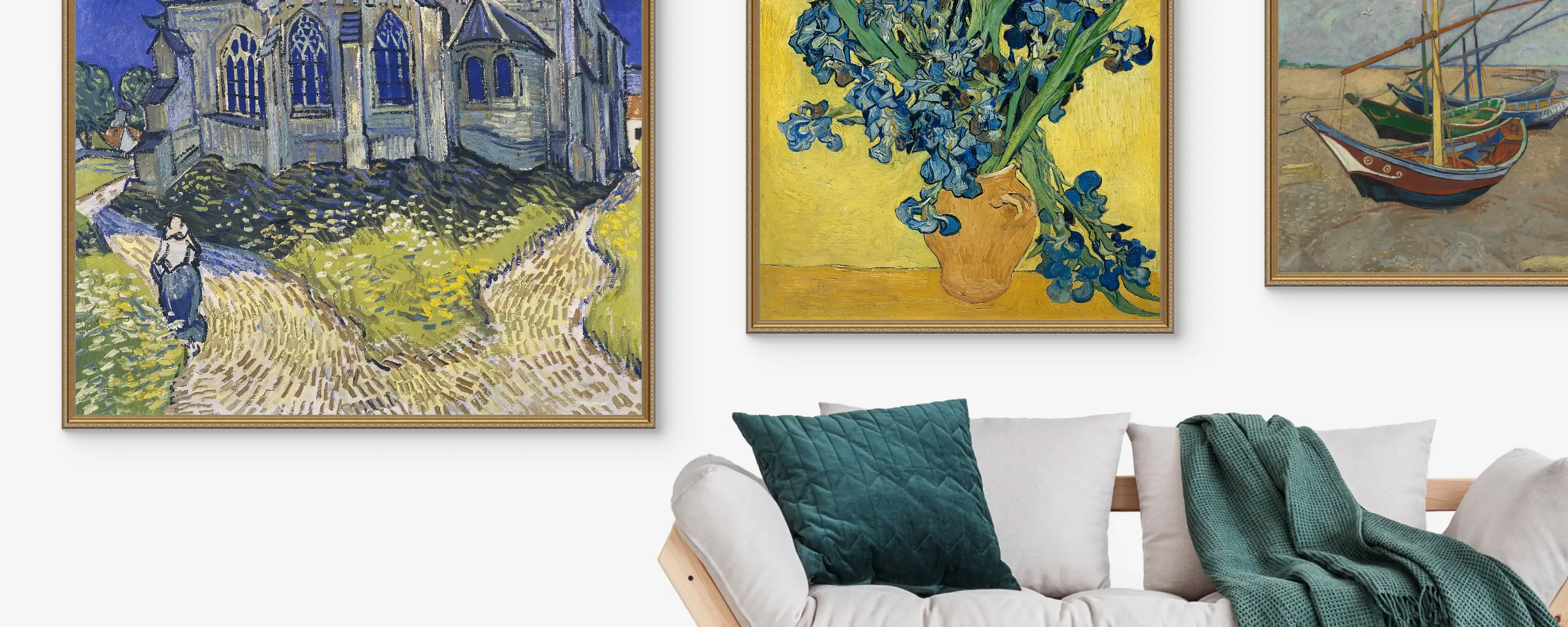


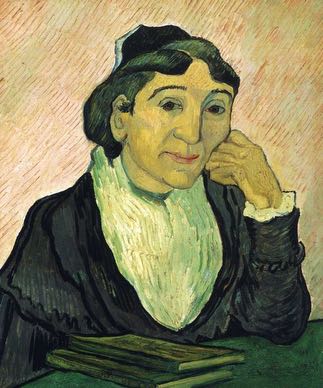

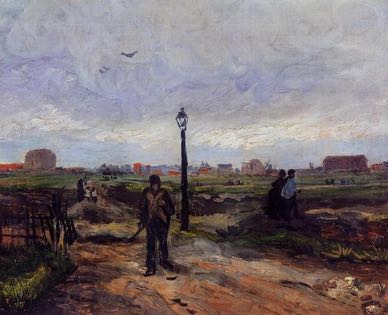


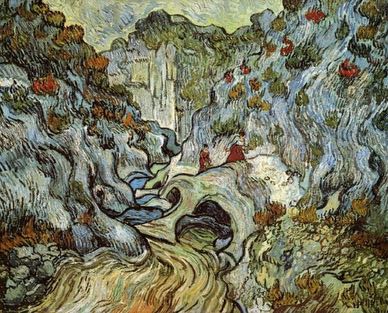
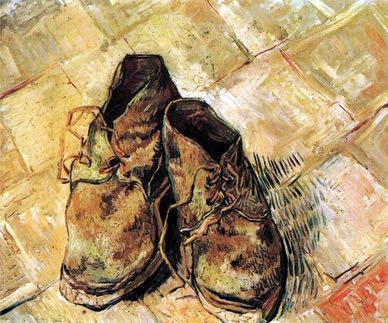
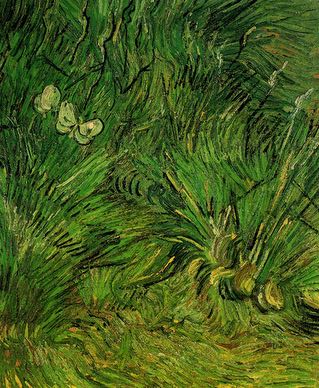
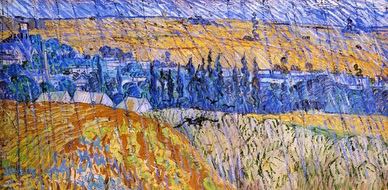
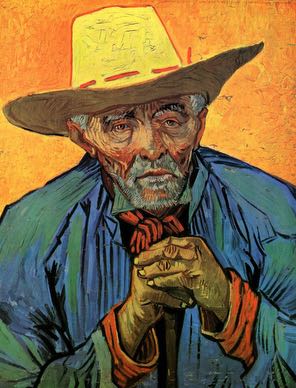
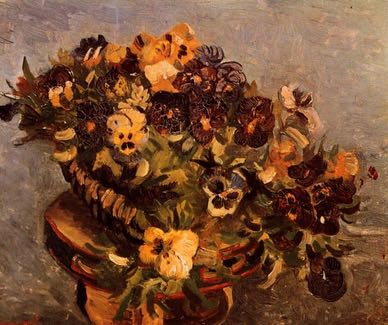

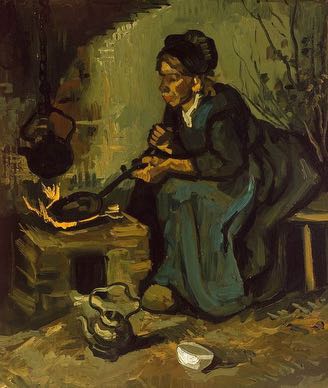

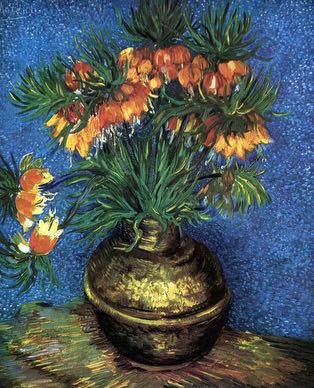
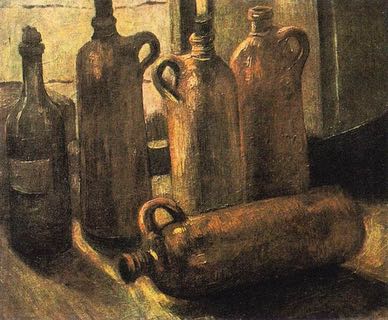
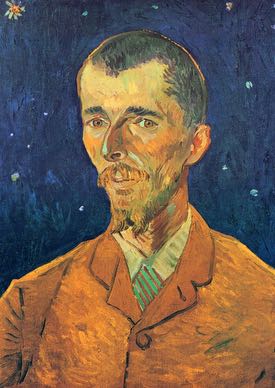

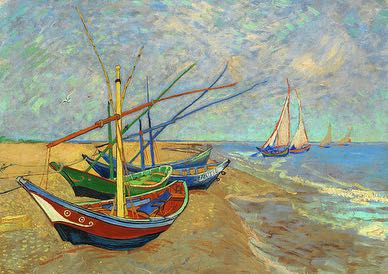
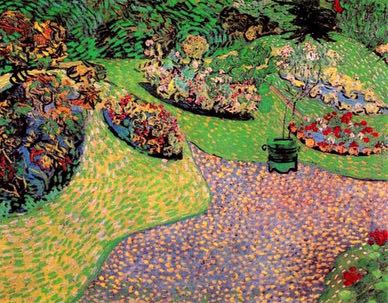


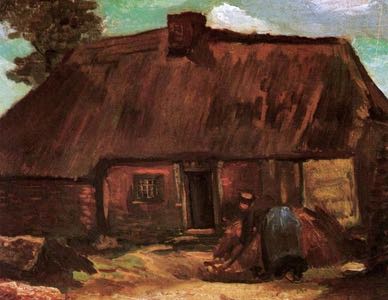
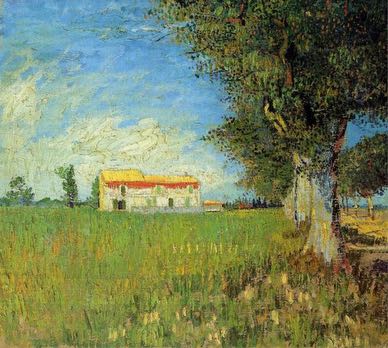
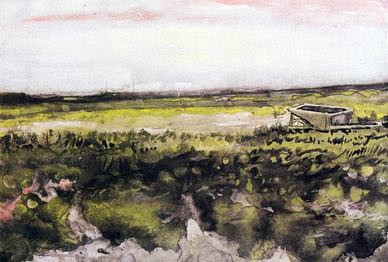
Send us a reference image. We can recreate almost any artwork in the size and style you’re looking for.
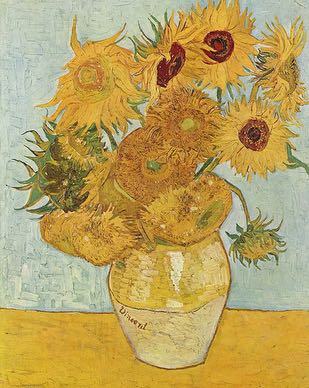
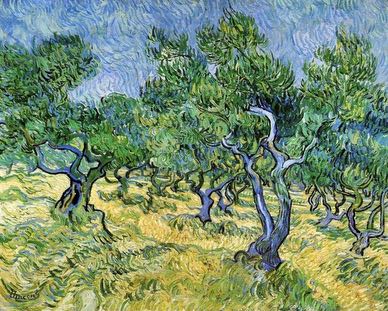
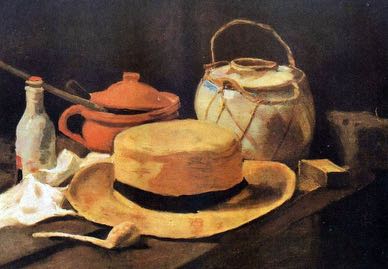
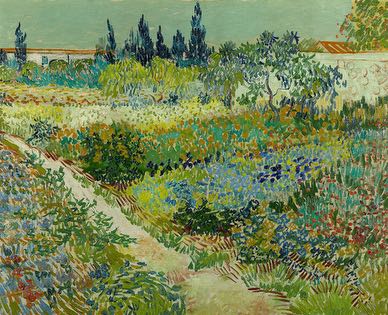
Get a Free QuoteBring Van Gogh’s art into your home with an oil-on-canvas reproduction hand-painted by a professional artist. Our collection features hundreds of paintings from across his career, including The Starry Night, Sunflowers, and Café Terrace at Night. Discover swirling night skies, vibrant flower still lifes, wind-bent cypresses, lively café scenes, and other subjects closely associated with Van Gogh. Every reproduction is a real oil painting, offering depth and texture that a print or digital transfer cannot provide. From iconic masterpieces to lesser-known works, find a Van Gogh painting that suits your space.
Creating a Van Gogh oil painting replica requires patience, precision, and an understanding of the original artwork. Our studio includes artists who specialize in Post-Impressionist painting and understand the distinctive qualities of Van Gogh’s work. The artist begins by studying the source image, then recreates its composition, color palette, texture, and Van Gogh’s distinctive brushwork on canvas using traditional oil-painting methods. After completion, the painting is inspected by our quality-control team and photographed for your approval. The result is a carefully executed oil painting that reflects the visual character of the original.
Your Van Gogh painting can be ordered in practically any size, from popular standard dimensions to custom canvas sizes selected directly on the product page. This flexibility lets you choose a painting that fits your wall and complements your room perfectly. After selecting the size, you can choose from high-quality frames in classic or modern designs, with professional canvas stretching also available. Our framing options complement the colors and character of Van Gogh’s paintings. With sizing, stretching, and framing arranged in one order, your artwork can arrive ready for display without a separate visit to a frame shop.
Buying hand-painted art online should feel clear and comfortable. After your Vincent van Gogh reproduction is completed, we send high-resolution photographs for your review before shipping. You can inspect the composition, colors, and overall finish, then request adjustments if needed. The painting is dispatched only after you approve it, so you know what to expect when it arrives. Your order also includes free express worldwide shipping and is covered by our 90-day return policy. Together, these assurances help you purchase a Van Gogh oil painting with greater confidence and peace of mind.
Vincent van Gogh was a Dutch Post-Impressionist artist whose vivid color, restless brushwork, and deeply felt images changed the course of modern painting. He painted landscapes, portraits, flowers, rooms, cafés, and scenes of everyday life, often giving familiar subjects an unusual emotional intensity. Born in 1853, Van Gogh did not commit himself to art until he was 27, and his career lasted only about a decade. Even so, he produced nearly 900 paintings, along with hundreds of drawings and sketches. He found little commercial success during his lifetime, but his work later influenced generations of artists and made him one of the most recognized painters in history.
Vincent Willem van Gogh was born on 30 March 1853 in Zundert, a village in the southern Netherlands. He was the eldest surviving child of Theodorus van Gogh, a Protestant minister, and Anna Cornelia Carbentus. Religion and books shaped his early life, as did the fields, farms, and changing seasons of the countryside around him. Years later, those rural surroundings would return as some of the most persistent subjects in his art.
Van Gogh’s life took him through the Netherlands, England, Belgium, and France, often in search of a clear purpose and a place to belong. Much of what we know about that journey comes from his letters, especially those written to his younger brother Theo. They reveal his ambitions and doubts, his financial worries, and his intense curiosity about nature, literature, color, and painting. Theo was more than a correspondent. He became Vincent’s closest ally, supporting him emotionally and financially through most of his artistic career.
In 1869, Van Gogh joined the international art dealer Goupil & Cie in The Hague. The job later took him to the firm’s branches in London and Paris, where galleries, prints, and contemporary painting were part of his daily surroundings. He appeared to have found a promising career, but his interest in the commercial art trade gradually faded. In 1876, his employment came to an end.
The next few years were unsettled. Van Gogh briefly worked as a teacher, studied theology, and trained as a lay preacher before moving to the Borinage, a mining district in Belgium. Living among miners and their families brought him face to face with exhausting work and severe poverty. He began drawing the people around him, and art slowly became more than an occasional pursuit. By 1880, at the age of 27, he had decided to give himself fully to becoming an artist.
Drawing came first. In Brussels, Van Gogh worked on proportion, perspective, and the human figure, then continued his studies in Etten and The Hague. Anton Mauve, a relative by marriage and an established painter of the Hague School, introduced him more closely to drawing and painting techniques.
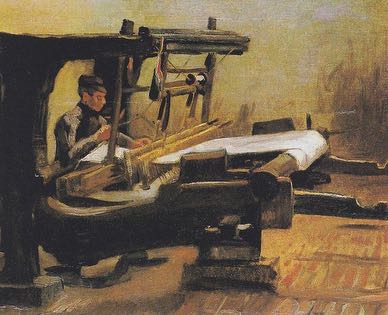
His early subjects were the people and places he knew at close range: laborers, fishermen, weavers, peasants, cottages, and fields. He particularly admired Jean-François Millet, whose agricultural workers possessed weight and dignity. Van Gogh had little interest in turning rural life into a pleasant ideal. He wanted viewers to sense its roughness, fatigue, and physical demands.
While living in Nuenen from 1883 to 1885, Van Gogh painted in deep browns, greens, and other muted earth tones. He studied workers’ faces and hands, their clothing, tools, and dimly lit homes, filling page after page in preparation for The Potato Eaters. Completed in 1885, the painting places a peasant family around a table as they share a simple evening meal. Van Gogh considered the difficult group composition an important test of everything he had learned so far.
After Nuenen came a short stay in Antwerp. He attended classes at the art academy, explored museum collections, and encountered Japanese prints. These experiences began to widen his visual world, but the decisive change in his painting took place after his move to Paris.
Van Gogh arrived in Paris in 1886 and moved into Theo’s Montmartre apartment. Almost immediately, he found himself surrounded by Impressionism, Neo-Impressionism, and artists who were pulling color and brushwork in new directions. His circle included Henri de Toulouse-Lautrec, Émile Bernard, Paul Signac, and Paul Gauguin.
The effect on his work was soon visible. The heavy shadows and dark earth colors of the Dutch years gave way to brighter contrasts, shorter strokes, and passages built from separate touches of paint. Paris streets, flowers, portraits, and his own face became testing grounds as he worked out what these new possibilities could offer him.
Japanese woodblock prints opened another path. Van Gogh admired their firm outlines, broad areas of color, unexpected viewpoints, and ability to simplify a scene without draining it of life. He collected the prints and borrowed freely from their visual language. When he left Paris in 1888, he carried several modern influences with him, but they had begun to settle into a style unmistakably his own.
In February 1888, Van Gogh traveled south to Arles. He hoped its clear light, intense colors, and rural surroundings would give him the fresh beginning he wanted. What followed was one of the briefest and most productive stretches of his career.
Orchards in bloom, wheat fields, bridges, cafés, gardens, portraits, and the night sky all found their way onto his canvases. His colors grew stronger and his brushstrokes more rhythmic and directional. Color no longer had to report exactly what the eye saw. It could carry heat, tension, comfort, or wonder.
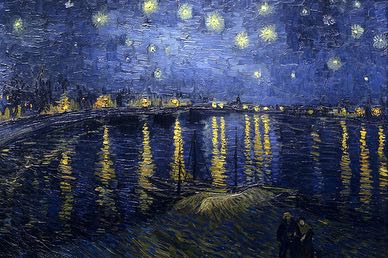
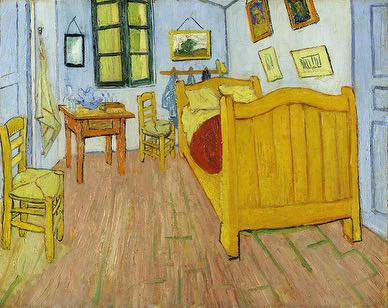
Café Terrace at Night, The Bedroom, Starry Night Over the Rhône, and several versions of Sunflowers all belong to the Arles period. Van Gogh painted the sunflowers partly to decorate the Yellow House, where he dreamed of creating a shared home and workplace for artists.
Paul Gauguin arrived in October 1888. For several weeks, the two men painted together and argued passionately about art, but differences in temperament and method placed the household under growing strain. Their collaboration ended in December, when Van Gogh suffered a severe mental crisis and injured his ear. Periods of hospital treatment followed, though he returned to painting whenever his health permitted.
In May 1889, Van Gogh voluntarily entered the Saint-Paul-de-Mausole hospital in Saint-Rémy-de-Provence. His surroundings were restricted, but his subjects were not. He painted the view from his room, the hospital garden, nearby fields, olive groves, dark cypresses, and the rolling hills beyond.
The Starry Night, Irises, and many of his finest paintings of olive trees and cypresses date from this year. Painted in June 1889, The Starry Night combines what Van Gogh could observe at Saint-Rémy with elements changed or invented for the composition. The village lies quiet below, while the cypress and sweeping night sky seem charged with a life of their own.
Van Gogh left Saint-Rémy in May 1890 and settled in Auvers-sur-Oise, north of Paris, under the care of Dr. Paul Gachet. The move placed him within easier reach of Theo and his family. During his final months, he worked at remarkable speed, painting portraits, village streets, gardens, houses, and broad fields beneath unsettled skies.
The Church at Auvers, Portrait of Dr. Gachet, and Wheatfield with Crows belong to this last period. Van Gogh died on 29 July 1890, two days after suffering a gunshot wound. He was 37, and Theo was beside him during his final hours.
Van Gogh made nearly 900 paintings in about ten years. Among the works most closely associated with his career are:
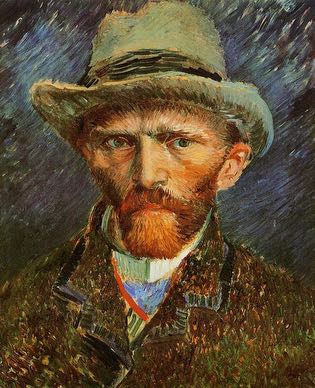
Van Gogh also painted more than thirty self-portraits. Models cost money, and painting his own reflection allowed him to practice portraiture while recording the changes in his face and technique.
Van Gogh could take an ordinary subject and make it feel intensely present. Bedrooms, chairs, worn shoes, flowers, cafés, village streets, and fields all became carriers of mood. His marks often bend around a tree, ripple through a sky, or follow the slope of the land, so the act of painting remains visible in the finished image.
That freedom had a powerful effect on early twentieth-century Expressionist and Fauvist artists. They responded to his bold contrasts, compressed forms, textured surfaces, and conviction that color could express an emotional truth rather than simply imitate appearance.
Van Gogh found little commercial success during his lifetime, and his international reputation was built only after his death. Theo died in 1891, six months after Vincent, leaving Theo’s widow, Jo van Gogh-Bonger, in charge of the collection. She organized exhibitions, sold works carefully, and helped bring the brothers’ letters into print. Her persistence was central to introducing Van Gogh’s paintings to a much wider public.
Today, Van Gogh stands at the center of the story of modern painting. His color, animated brushwork, and deeply personal way of seeing remain immediately recognizable, but their influence reaches far beyond a signature style. He showed later artists how openly a painting could carry the pressure of thought, feeling, and lived experience.
Copyright © 2026 BrushWiz. All Rights Reserved.
Yes. Every reproduction is individually painted by hand in oil on canvas by a professional artist. We do not use prints, digital transfers, or mechanical reproduction methods.
Our artists work to capture the composition, colors, texture, and visual character of the original Van Gogh painting as closely as possible. Because every reproduction is painted by hand, small variations are natural and make each canvas unique.
Most Van Gogh reproductions require approximately two to three weeks to paint, dry, and inspect. Production time may vary depending on the artwork and canvas size, so check the estimate displayed on the product page.
Yes. If you cannot find the Vincent van Gogh artwork you want in our catalog, send us the painting’s title or an image. Our team will review your request and confirm the available sizes, estimated production time, and price.
Yes. We send high-resolution photographs of the completed painting for your approval. You can request adjustments if needed, and the painting will not be dispatched until the review process is complete.
Yes. We offer custom dimensions in addition to the standard sizes shown on the product page. Select the dimensions you need directly from the available size options.
Yes. High-quality frames in classic and modern designs are available for many paintings. You can view compatible framing options and add your preferred design from the product page. Professional canvas stretching is also available.
The price depends on the selected artwork, canvas dimensions, and framing option. Choose your preferred configuration on the product page to see the current price before ordering.
Yes. Van Gogh reproductions qualify for free express worldwide shipping. After dispatch, delivery usually takes five to eight business days, although timing may vary by country and destination.
Orders are covered by our 90-day return policy. Review the current return-policy page before ordering for complete information about eligibility, time limits, and the return process.