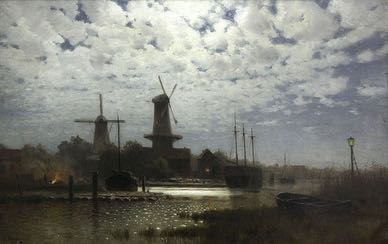
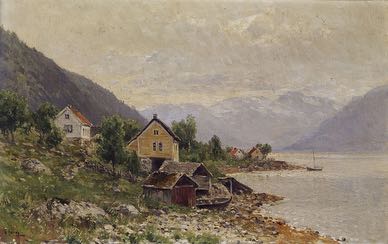
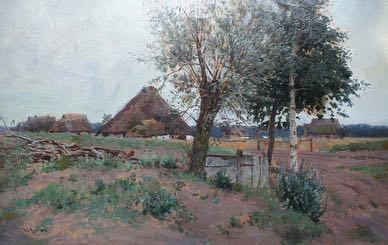
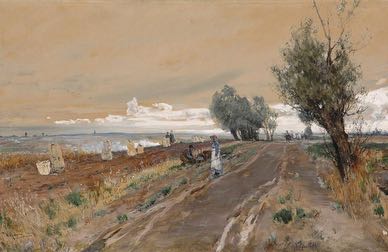
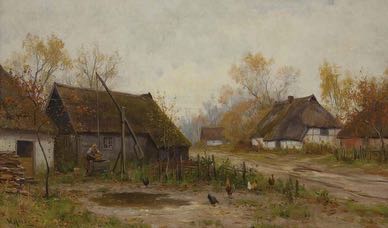
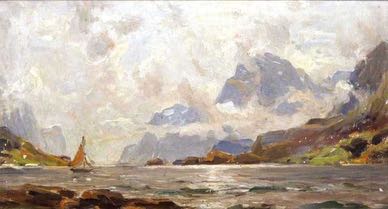
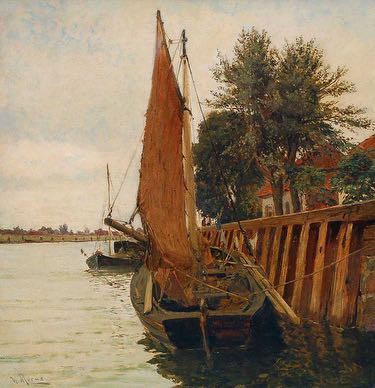
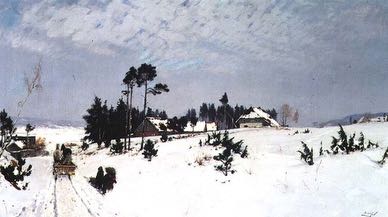
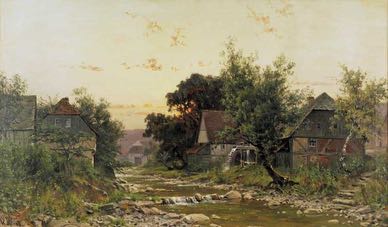
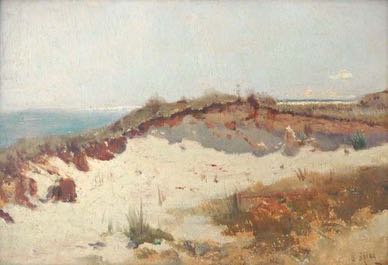
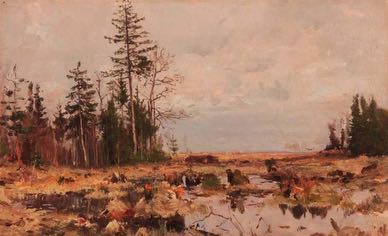
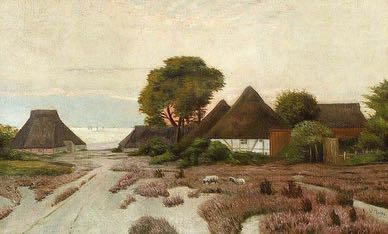
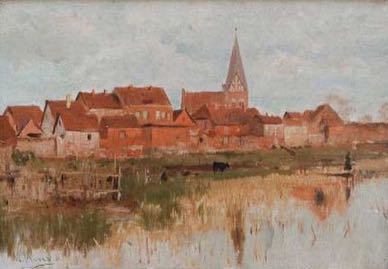
Born in Berlin, Moras displayed an early talent for painting and began studying art in his youth. He was strongly influenced by the German Romantic tradition and was inspired by the work of painters such as Caspar David Friedrich. Although Moras received some formal training, he was largely self-taught, developing his distinctive style through years of practice and observation. His early focus was on capturing the landscapes around Berlin, later expanding to other regions across Germany, including the Bavarian Alps, Mecklenburg, and the Baltic coast.
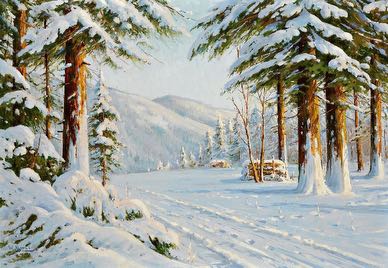
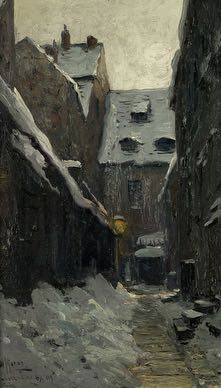
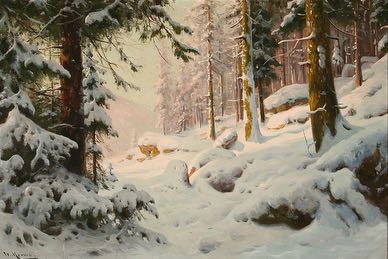
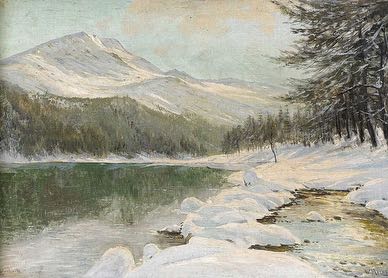
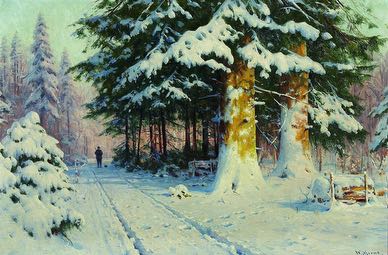
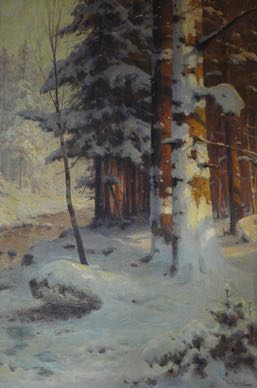
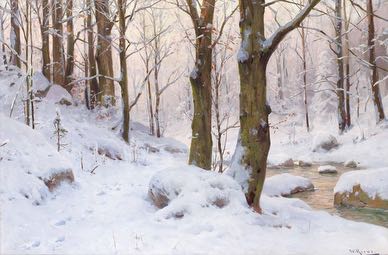
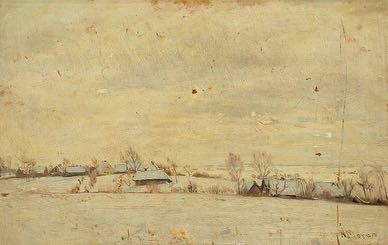
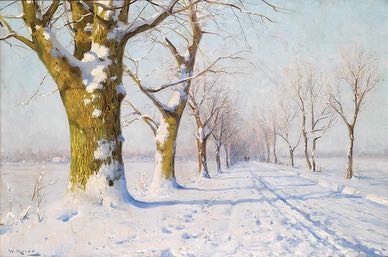
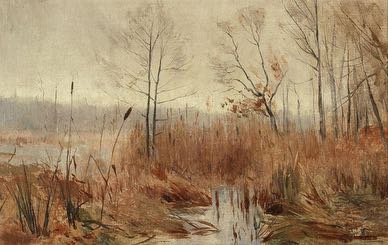
Moras’s painting style is characterized by its careful attention to light, color, and natural detail. He was particularly skilled at rendering seasonal changes, especially in his beloved winter scenes, which depict snowy forests, frozen rivers, and quiet villages. His winter landscapes, with their subtle tones and diffused light, convey both the cold stillness and delicate beauty of the season. In these scenes, Moras often portrayed bare trees and icy reflections with fine precision, using a restrained color palette to evoke the muted, soft atmosphere of winter days.
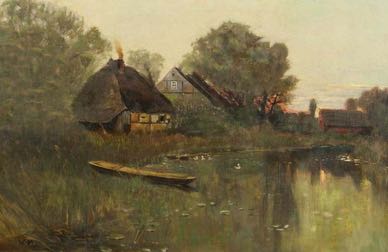
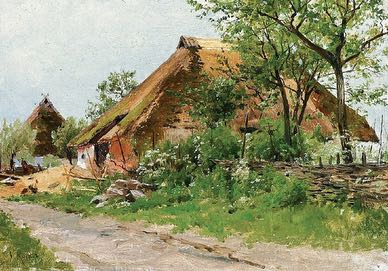
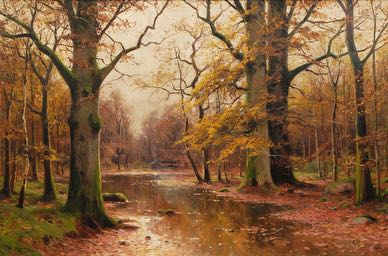
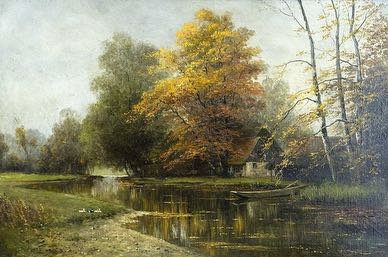
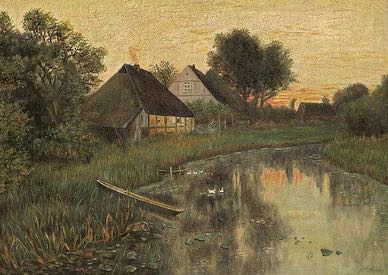
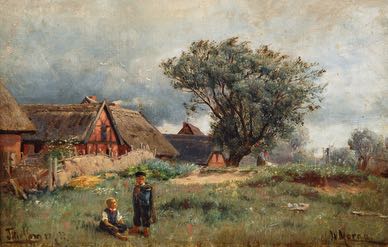
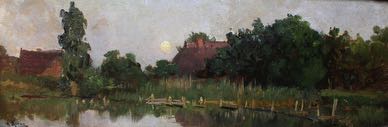
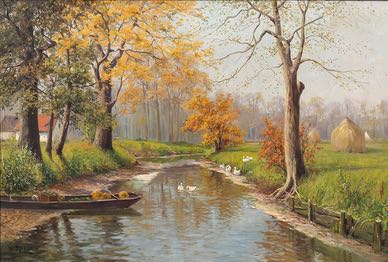
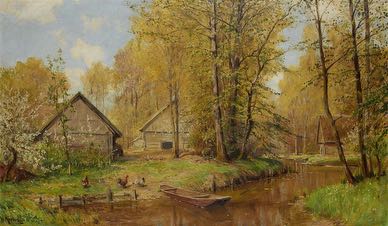
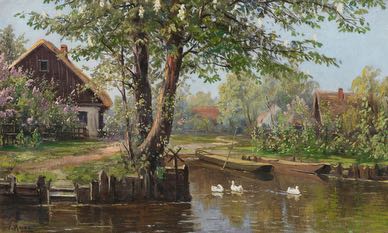
Aside from winter landscapes, Moras painted lush summer scenes filled with dense foliage, sun-dappled rivers, and vibrant wildflowers. His works often feature a balanced composition, with a central focus on elements like trees, water, or small cottages nestled into the landscape. By using loose brushstrokes and carefully modulated colors, he captured the varied textures and tones of nature, creating images that feel both realistic and harmonious. His paintings do not usually include figures, allowing viewers to focus entirely on the natural beauty of his chosen scenes.
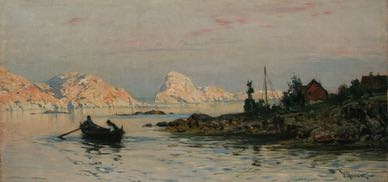
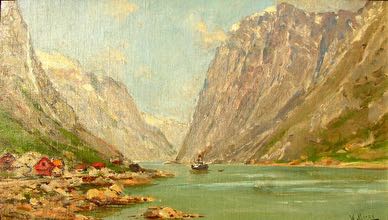
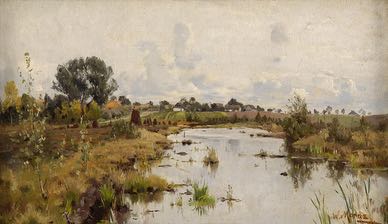
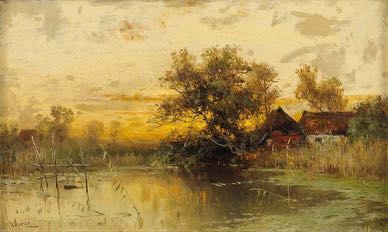
Moras was particularly known for his ability to capture the reflective qualities of water, often portraying rivers, lakes, and ponds with remarkable realism. He depicted the soft ripples, reflections, and colors of water with a sensitivity that highlighted its changing nature, whether in calm, mirror-like stillness or gentle movement. This attention to water and light added a dynamic element to his landscapes, emphasizing the interplay of natural elements.
Throughout his career, Moras’s paintings were well-received, especially among German and European audiences who appreciated his nostalgic, Romantic approach to landscape. His works were widely exhibited in Berlin and other cities, where they garnered admiration for their skillful technique and peaceful subjects. Moras continued to paint actively throughout his life, producing a substantial body of work that captured the serene and contemplative side of the German countryside.
Walter Moras passed away in 1925, leaving behind a legacy as one of Germany’s foremost landscape painters. His works are still celebrated today for their quiet beauty, technical finesse, and evocative portrayal of nature’s seasonal moods. Many of his paintings are housed in private collections and European art museums, where they remain popular for their timeless depiction of nature’s splendor. Moras’s art offers viewers a retreat into tranquil landscapes, reflecting a simpler, unhurried vision of the natural world.
Copyright © 2026 BrushWiz. All Rights Reserved.