
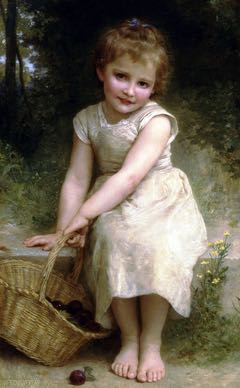
❄️ Winter Sale. Offer Ends 11/19/2026. View Details
❄️ Winter Sale. Ends 11/19/2026. View Details
❄️ Winter Sale. View Details
Artists
Subjects
Movements
Collections
Decor
Portraits
Commissions
Framing
Reviews
Gift Cards
On Sale
William-Adolphe Bouguereau Oil Painting Reproductions
Shop museum-quality reproductions of William-Adolphe Bouguereau’s most famous paintings, each hand-painted in oil on canvas by a professional artist.
Shop Art
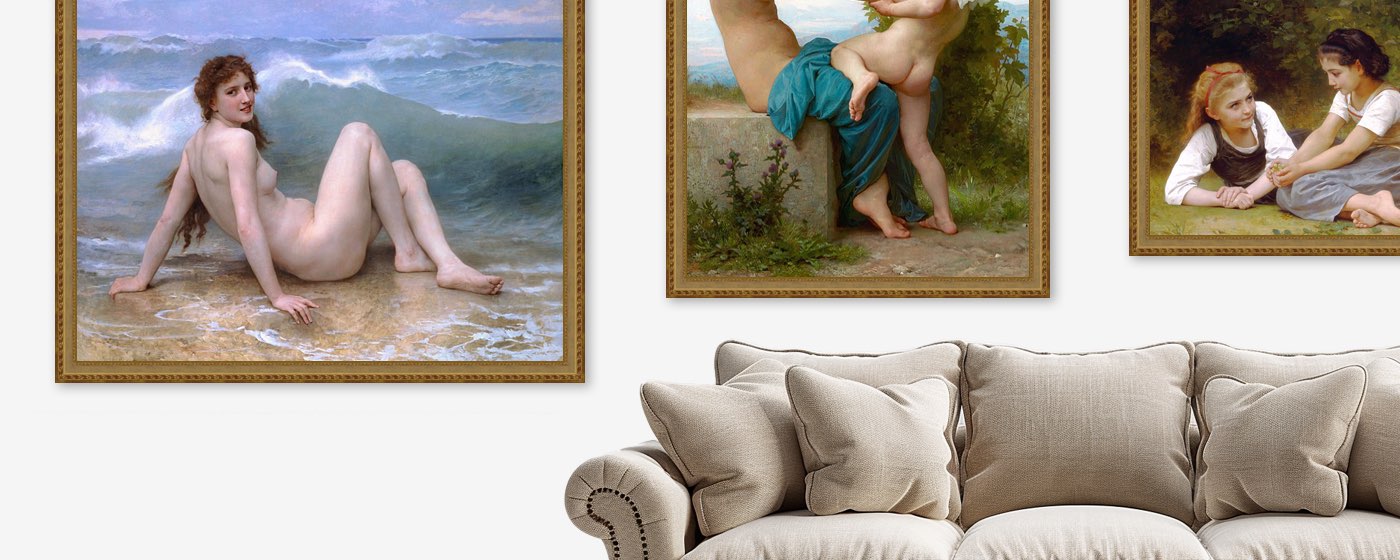
Showing 1-40 of 227 results
Sort By
Most Popular
- Most Popular
- New Arrivals
- Best Sellers
- Alphabetical A-Z
- Alphabetical Z-A
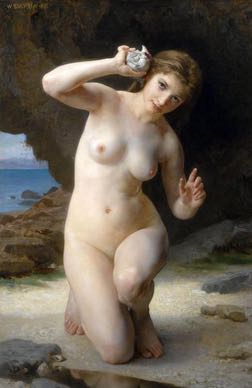

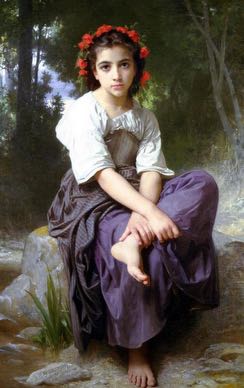
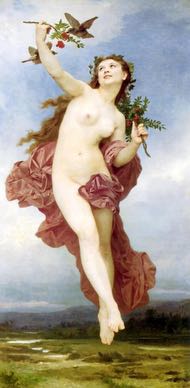
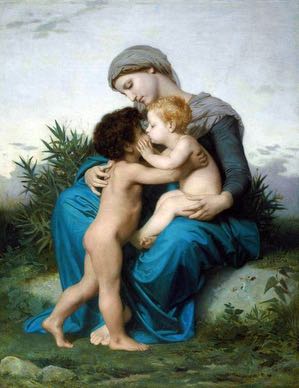

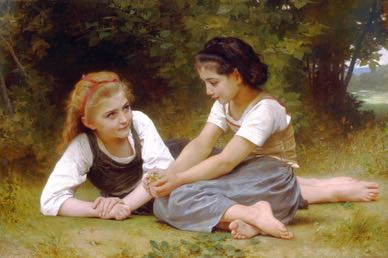
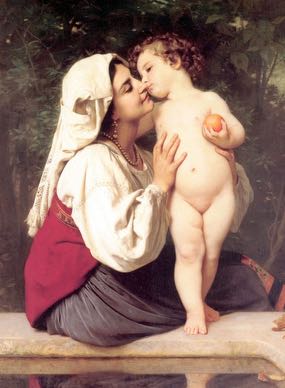
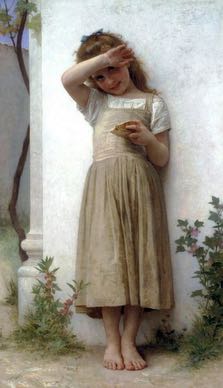
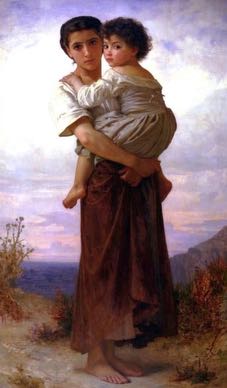
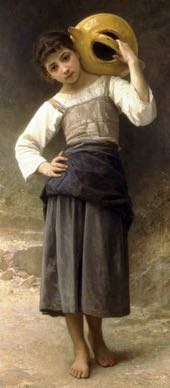
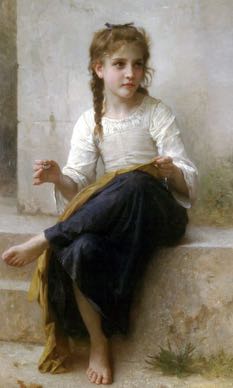
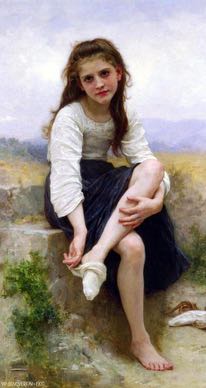
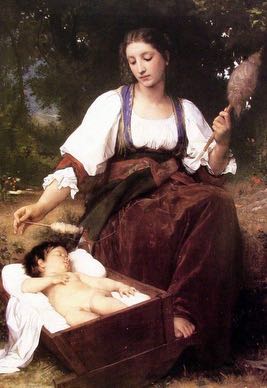
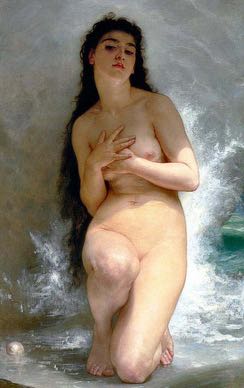
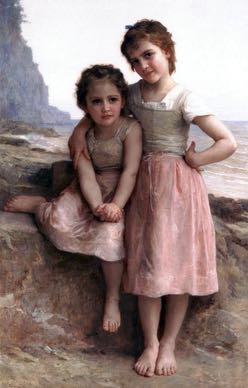
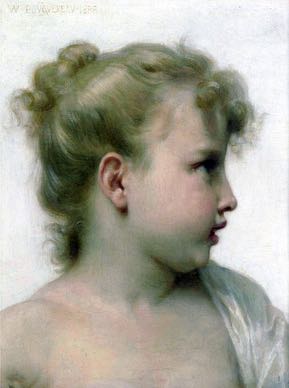
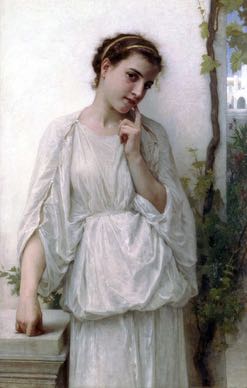
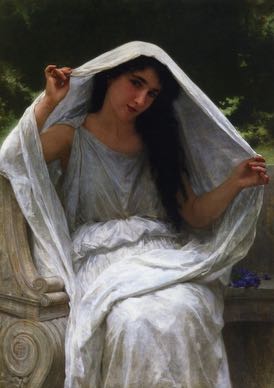
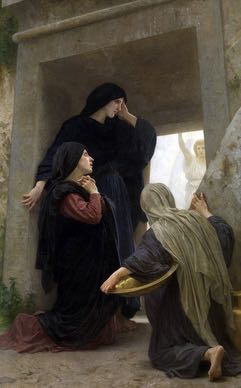
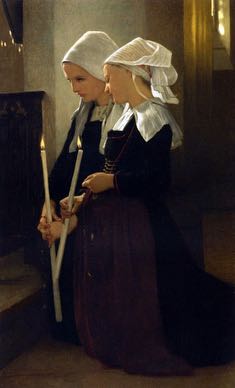
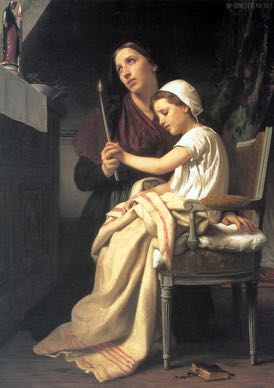
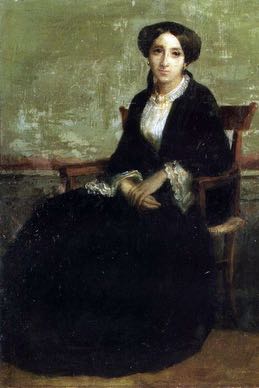

From: $1,090.00$545.00
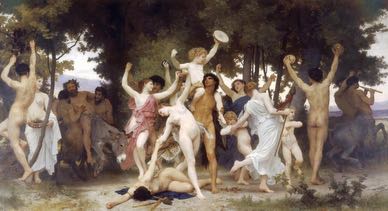
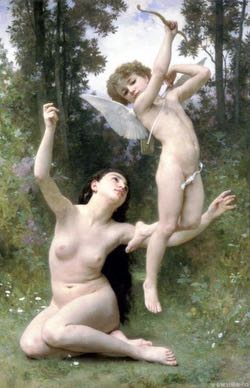
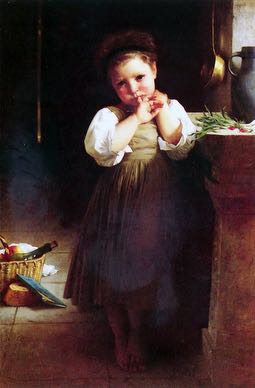
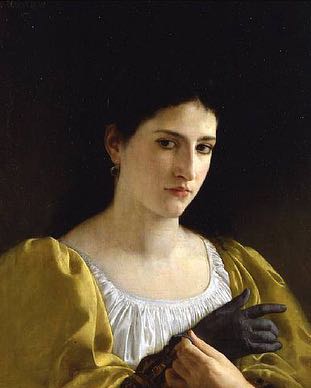
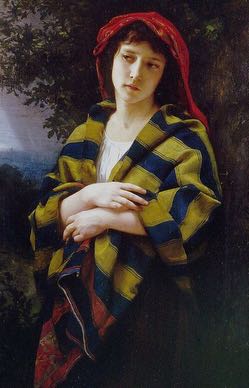
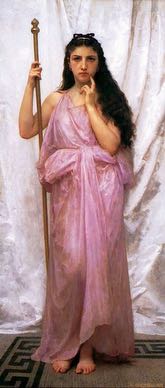
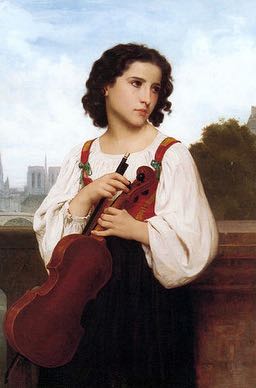
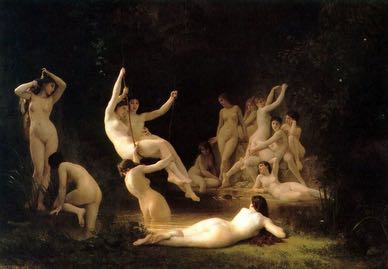
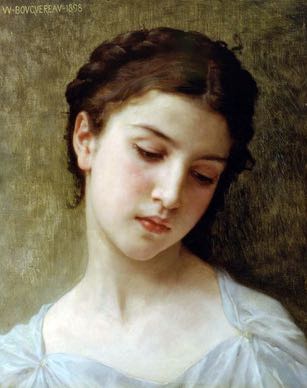
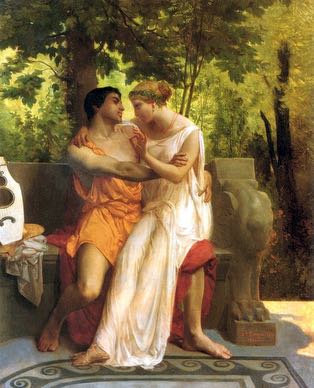
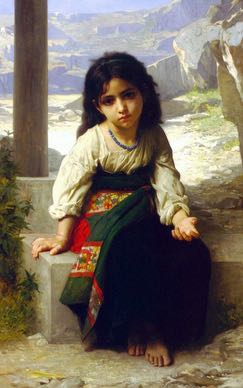
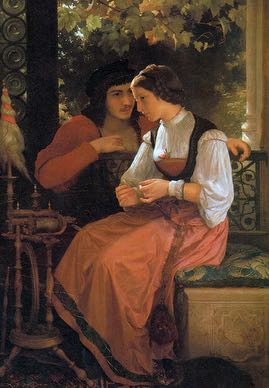
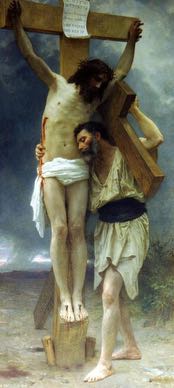
Can’t Find the Painting You Want?
Send us a reference image. We can recreate almost any artwork in the size and style you’re looking for.
Get a Free QuoteHand-Painted William-Adolphe Bouguereau Reproductions
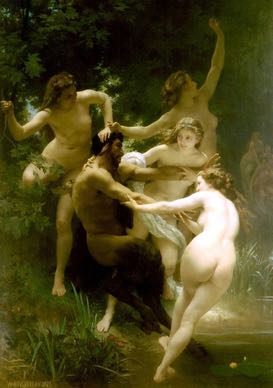
Bring Bouguereau’s art into your home with an oil-on-canvas reproduction hand-painted by a professional artist. Our collection features hundreds of paintings from across his career, including The Birth of Venus, Nymphs and Satyr, and The Oreads. Discover mythological scenes, Madonnas, idealized figures, pastoral scenes of childhood, and other subjects closely associated with Bouguereau. Every reproduction is a real oil painting, offering depth and texture that a print or digital transfer cannot provide. From iconic masterpieces to lesser-known works, find a Bouguereau painting that suits your space.
The Making of a William-Adolphe Bouguereau Oil Painting Replica
Creating a William-Adolphe Bouguereau oil painting replica requires patience, precision, and an understanding of the original artwork. Our studio includes artists experienced in both Academic and Realist painting who understand the distinctive qualities of Bouguereau’s work. The artist studies the source image, then recreates its precise drawing, carefully modeled figures, balanced composition, subtle flesh tones, and polished surface using traditional oil-painting methods. After completion, the painting is inspected by our quality-control team and photographed for your approval. The result is a carefully executed oil painting that reflects the refined visual character of the original.
Custom Sizes and Frames for Your Bouguereau Painting
Your Bouguereau painting can be ordered in practically any size, from popular standard dimensions to a custom canvas size selected directly on the product page. This flexibility lets you choose a painting that fits your wall and complements your room perfectly. After selecting the size, you can choose from high-quality frames in classic or modern designs, with professional canvas stretching also available. Our framing options complement the graceful figures and refined colors of Bouguereau’s paintings. With sizing, stretching, and framing arranged in one order, your artwork can arrive ready for display without a separate visit to a frame shop.
Order a William-Adolphe Bouguereau Reproduction with Confidence
Buying hand-painted art online should feel clear and comfortable. After your William-Adolphe Bouguereau reproduction is completed, we send high-resolution photographs for your review before shipping. You can inspect the composition, figures, colors, and overall finish, then request adjustments if needed. The painting is dispatched only after you approve it, so you know what to expect when it arrives. Your order also includes free express worldwide shipping and is covered by our 90-day return policy. Together, these assurances help you purchase a Bouguereau oil painting with greater confidence and peace of mind.
The Life and Art of William-Adolphe Bouguereau
William-Adolphe Bouguereau was a leading French Academic painter whose precise treatment of the figure was grounded in close observation and Realist traditions. Born in La Rochelle in 1825, he studied at the École des Beaux-Arts, won the Prix de Rome in 1850, and became one of the Paris Salon’s most successful exhibitors. His Madonnas, idealized nudes, mothers and children, and rural figures join Renaissance-inspired composition to carefully modeled bodies and polished surfaces. Bouguereau also taught generations of international students at the Académie Julian. Modernist critics later pushed his work aside, but renewed study has restored his importance to the history of nineteenth-century painting.
Read More
Who Was William-Adolphe Bouguereau?
William-Adolphe Bouguereau was born in La Rochelle, France, on 30 November 1825. His family worked in the wine and olive-oil trade, but his gift for drawing appeared early. He spent part of his childhood with an uncle who encouraged his education and introduced him to religion, classical literature, and the history of the ancient world.
Bouguereau grew into one of the most prominent representatives of French Academic painting. His long career stretched from the final years of the July Monarchy through the Second Empire and into the Third Republic. Portraits, mythologies, religious scenes, idealized nudes, and images of mothers and children all combine rigorous preparation with a seamless finish meant to make the painted world immediate and believable.
Where Did Bouguereau Train, and What Did Italy Teach Him?
As a teenager, Bouguereau attended the municipal drawing school in Bordeaux while helping to support himself. Local recognition of his ability encouraged him to seek formal instruction in Paris. He entered the École des Beaux-Arts in 1846 and joined the studio of François-Édouard Picot, studying anatomy, perspective, figure drawing, composition, and the traditions of history painting.
Academic training meant years of exercises, examinations, and competitions. Bouguereau drew from antique sculpture, copied paintings at the Louvre, and composed large narratives from biblical, literary, and classical sources. After earlier attempts, he won the Prix de Rome in 1850 with Zenobia Found by Shepherds on the Banks of the Araxes, earning several years of further study at the French Academy in Rome.
From 1851 to 1854, Bouguereau lived at the Villa Medici and studied Renaissance painting, ancient sculpture, fresco, and architecture. He traveled beyond Rome to churches, archaeological sites, and important collections, recording figures and compositions in drawings and painted studies.
The balance and clarity of Raphael left an especially deep impression, while Michelangelo strengthened his grasp of anatomy and expressive pose. Classical reliefs and Renaissance fresco cycles showed how large groups could become a coherent design. Bouguereau later carried these lessons into church murals, Salon paintings, and mythological scenes without merely copying an old style.
Italy also confirmed his belief that drawing was painting’s foundation. Though the finished surface conceals most traces of labor, measured proportions, preparatory studies, and precise placement lie beneath it. Classical design and tightly controlled oil technique became inseparable in his mature work.
How Did Bouguereau Rise to the Center of the Salon?
Bouguereau first exhibited at the Paris Salon in 1849 and returned throughout his career. After Rome, he accepted commissions for churches, civic buildings, and private homes while continuing to paint portable works for collectors. In the crowded Salon galleries, his carefully finished figures drew attention immediately.
Major honors accompanied his rise. Bouguereau won medals at the Expositions Universelles of 1855 and 1878, entered the Institut de France in 1876, and advanced through the Legion of Honour. As a juror and institutional figure, he stood near the center of the official system governing exhibitions and professional opportunities.
His work also found an eager audience outside France. Dealers sold his mythologies, family scenes, and rural figures to prosperous American collectors, who especially admired idealized peasant girls and Breton children. Familiar subjects, refined execution, and a sense that every passage was fully resolved helped make him an international success.
By What Process Did Bouguereau Achieve His Finish?
Bouguereau usually planned a painting through drawings, figure studies, and painted sketches before touching the final canvas. He settled the composition and principal poses early, then refined drapery, anatomy, expressions, gesture, and the passage of light. The thorough preparation reduced the need for large revisions during the finished work.
His paintings are famous for smooth transitions and carefully judged edges, though their surfaces are not uniformly textureless. Firmer strokes define eyes, hair, plants, and fabric, while softer modeling gives air and skin a continuous appearance. Thin layers and subtly adjusted color preserve bodily volume while hiding the separate stages of construction.
Technical examination of Virgin of the Angels shows how faithfully Bouguereau followed his preparatory plan. Few changes appear in the final design, confirming that most decisions came before full painting began. His ability to repeat a successful composition precisely also reveals a highly organized studio founded on planning, drawing, and expert control of materials.
Why Did Mythology Suit Bouguereau So Well?
Classical mythology brought storytelling, beauty, motion, and the nude together. Cupids, nymphs, Venus, satyrs, Psyche, and the Oreads gave Bouguereau familiar subjects around which to arrange complicated groups and idealized anatomy. Their world appears far removed from modern urban life, even though closely observed living models supplied the figures.
In Nymphs and Satyr, overlapping bodies twist as the nymphs drag a resisting satyr into the water. The Birth of Venus places one calm upright figure amid lively sea beings and cupids, while The Oreads sends a stream of mythological bodies upward through the landscape.
Myth linked Bouguereau to the prestige of traditional history painting, but these canvases were also made for contemporary exhibition and sale. Luminous flesh, coordinated gestures, and controlled action adapt classical tradition to the visual expectations of the nineteenth century.
What Drew Bouguereau to Rural Families and Children?
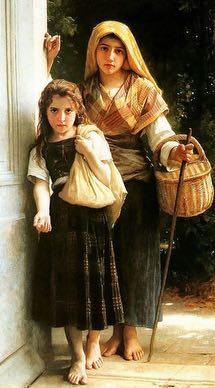
Alongside religion and mythology, Bouguereau repeatedly painted shepherdesses, water carriers, knitters, siblings, mothers, and rural children. Timeless clothing and simplified natural settings replace any documentary account of contemporary poverty. Careful observation of gesture and expression is joined to an idealized vision of country life and family affection.
Images of children gave him room to study shyness, concentration, play, tiredness, and the physical closeness of siblings. In maternal scenes, protective gestures and quiet attention carry the emotion. Their clarity appealed to a wide international public, particularly collectors drawn to innocence, domestic attachment, and care.
During summer visits to La Rochelle and the surrounding region, Bouguereau often employed local models. Baskets, bare feet, traditional dress, fruit gathering, and spinning gave the pictures a rural identity, but every figure was composed and polished in the studio. The mixture of observed individuals and ideal presentation became one of the most recognizable features of his art.
Where Did Religious Painting Fit into Bouguereau’s Career?
Religious art occupied Bouguereau throughout his life. He painted Madonnas and angels, scenes of mourning and consolation, and episodes from the Passion, combining Renaissance precedents with the naturalistic bodies and expressions of nineteenth-century Academic art. He also created murals for architectural settings, including the Parisian church of Saint-Vincent-de-Paul.
Some paintings are built around serenity. In Song of the Angels, symmetrical order and music create devotional calm. Pietà and The First Mourning turn toward grief, using concentrated gestures, restrained color, and the physical weight of bodies to bring biblical sorrow close.
Such works show that Bouguereau’s idealism was not limited to decorative beauty. The same command of anatomy and expression could carry faith, loss, compassion, and spiritual comfort. Sacred subjects also let him work monumentally and connect modern viewers to Europe’s long tradition of religious figure painting.
How Did Bouguereau Shape Academic Art through Teaching?
Bouguereau became an influential instructor at both the École des Beaux-Arts and the private Académie Julian. Students arrived from France, the United States, and many other countries to study composition, painting, anatomy, and figure drawing with teachers closely connected to the Salon. He demanded disciplined preparation while supporting serious professional ambition.
The Académie Julian was particularly important to international students and women restricted by official institutions. Bouguereau taught men and women and supported rigorous training from the nude model under competitive standards. Some pupils retained Academic methods, while others—including Henri Matisse—eventually moved decisively toward modernism.
The American painter Elizabeth Jane Gardner studied with Bouguereau and built her own career with ambitious Salon pictures. They became engaged in 1879 and married in 1896. Gardner’s success and their long artistic relationship show how Bouguereau’s studio connected French Academic practice to an international network of professionals.
Why Did Bouguereau Fall from Favor?
During his lifetime, Bouguereau’s drawing and finish brought commercial success, fame, and institutional power. Younger critics and artists, however, increasingly challenged both his standards and the Salon system behind them. Impressionism, Post-Impressionism, and later modern movements prized altered color, visible process, unfamiliar subjects, and forms of experiment far removed from his controlled illusion.
After Bouguereau died in La Rochelle on 19 August 1905, changing taste pushed Academic painting to the margins of museum histories. He became a symbol of the official culture against which modern art had rebelled. Assessments often reflected that larger conflict as much as they did firsthand engagement with his pictures.
Later scholarship, exhibitions, and conservation encouraged a more balanced view. The drawing, planning, technical precision, and layered paint concealed beneath those smooth surfaces could once again be examined. Questions about idealization and sentiment remain, but Bouguereau is now central to understanding the ambitions, institutions, visual culture, and art market of nineteenth-century France.
Which Paintings Reveal Bouguereau’s Range and Legacy?
Bouguereau’s long career encompassed mythology, history, portraiture, religion, rural genre painting, and childhood. These works show the consistency of his discipline across a wide range of subjects:
- Zenobia Found by Shepherds on the Banks of the Araxes, 1850: The Prix de Rome picture that demonstrated Bouguereau’s early command of the figure and historical narrative.
- Dante and Virgil in Hell, 1850: Interlocked bodies and severe emotion give this scene from Dante a force unlike the calm of many later paintings.
- Nymphs and Satyr, 1873: A balanced group of overlapping bodies turns playful mythological action into a study of controlled movement.
- The Birth of Venus, 1879: Animated cupids, sea figures, and broad gestures gather around a monumental ideal of beauty.
- A Young Girl Defending Herself Against Eros, around 1880: Expressive hands, teasing movement, and polished flesh animate an intimate mythological encounter.
- Song of the Angels, 1881: Repeated angels and musical instruments create a calm symmetry around the Virgin and Child.
- The First Mourning, 1888: Adam and Eve grieve over Abel in a restrained image of parental sorrow and physical weight.
- The Oreads, 1902: An ascending flow of airborne nymphs fills the landscape in this late mythological spectacle.
Bouguereau’s achievement cannot be reduced to smooth surfaces. The paintings preserve a demanding system of anatomical knowledge, preparation, drawing, and compositional control that shaped generations of artists. They also document the international Salon culture that dominated much of the nineteenth-century art world before modernism reordered its priorities.
His work still invites admiration and argument. Supporters value its clarity, technical command, and emotional accessibility; critics question its idealization. That continuing tension belongs to Bouguereau’s historical importance, revealing how institutions, public taste, artistic skill, and changing definitions of modernity can repeatedly remake an artist’s reputation.
Copyright © 2026 BrushWiz. All Rights Reserved.
About Our William-Adolphe Bouguereau Paintings
Are your William-Adolphe Bouguereau reproductions painted by hand?
Yes. Every reproduction is individually painted by hand in oil on canvas by a professional artist. We do not use prints, digital transfers, or mechanical reproduction methods.
How closely do your Bouguereau copies resemble the original?
Our artists work to capture the composition, colors, texture, and visual character of the original Bouguereau painting as closely as possible. Because every reproduction is painted by hand, small variations are natural and make each canvas unique.
How long does it take to complete a painting?
Most Bouguereau reproductions require approximately two to three weeks to paint, dry, and inspect. Production time may vary depending on the artwork and canvas size, so check the estimate displayed on the product page.
Can I request a Bouguereau painting that is not listed?
Yes. If you cannot find the William-Adolphe Bouguereau artwork you want in our catalog, send us the painting’s title or an image. Our team will review your request and confirm the available sizes, estimated production time, and price.
Will I receive photos of my painting before it is shipped?
Yes. We send high-resolution photographs of the completed painting for your approval. You can request adjustments if needed, and the painting will not be dispatched until the review process is complete.
Can I order a custom canvas size?
Yes. We offer custom dimensions in addition to the standard sizes shown on the product page. Select the dimensions you need directly from the available size options.
Can I order my Bouguereau painting with a frame?
Yes. High-quality frames in classic and modern designs are available for many paintings. You can view compatible framing options and add your preferred design from the product page. Professional canvas stretching is also available.
How much does a William-Adolphe Bouguereau reproduction cost?
The price depends on the selected artwork, canvas dimensions, and framing option. Choose your preferred configuration on the product page to see the current price before ordering.
Do you offer free worldwide shipping?
Yes. Bouguereau reproductions qualify for free express worldwide shipping. After dispatch, delivery usually takes five to eight business days, although timing may vary by country and destination.
What is the return policy for Bouguereau reproductions?
Orders are covered by our 90-day return policy. Review the current return-policy page before ordering for complete information about eligibility, time limits, and the return process.
Why BrushWiz?
100% Hand Painted
Every piece is entirely handmade
Museum Quality
Faithfully recreated by expert artists
Custom Framing
Choose from a wide range of frames
Free Shipping
Enjoy free shipping on all orders
Cash Back Rewards
Earn cash back with every purchase