Born in Bentzen, Germany, Wendt immigrated to the United States in 1880, settling in Chicago. Although he had little formal art training, he studied briefly at the Art Institute of Chicago and worked as a commercial artist. During this time, he began exploring plein-air painting, a practice he would embrace throughout his career. In 1896, Wendt made his first visit to California, where he was captivated by the landscape’s varied light, coastal vistas, and rolling hills. This experience proved transformative, and in 1906, he relocated permanently to Los Angeles, devoting himself to painting the region’s scenery.
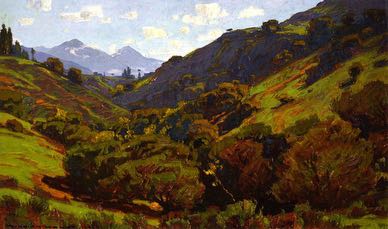
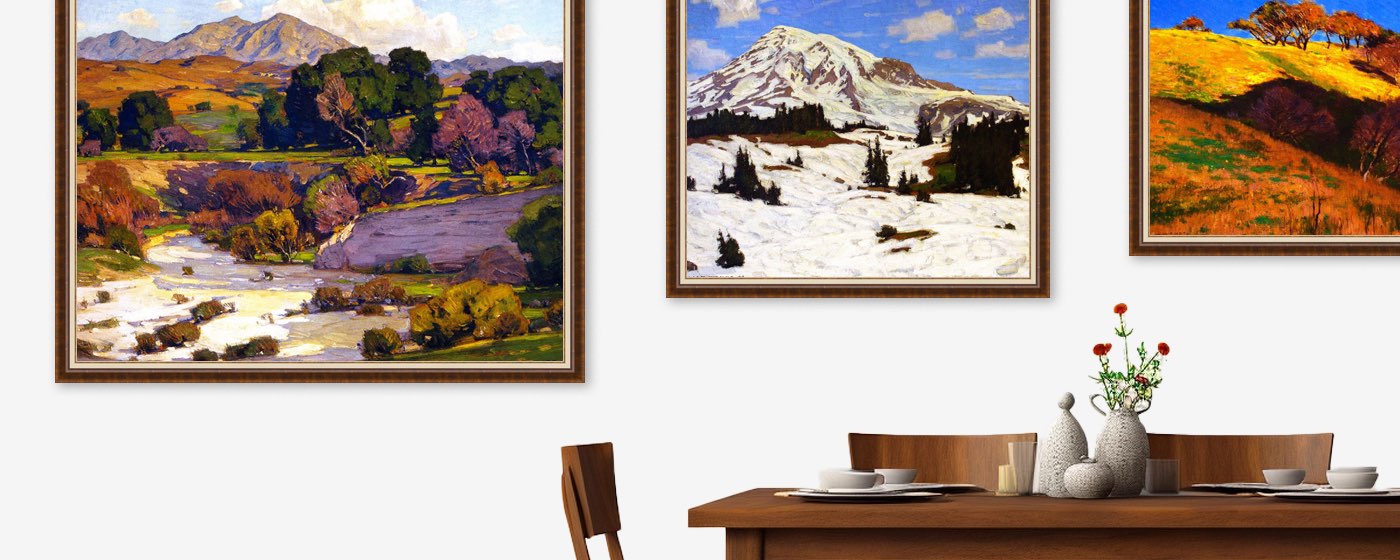
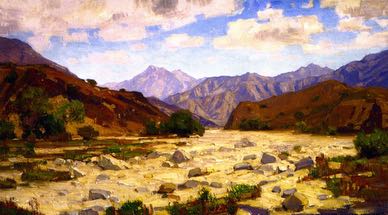
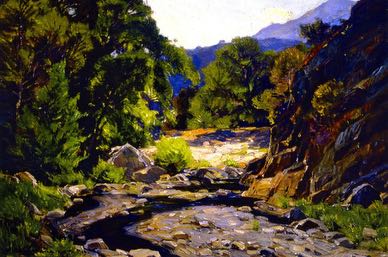
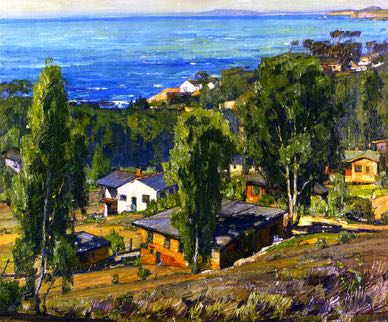
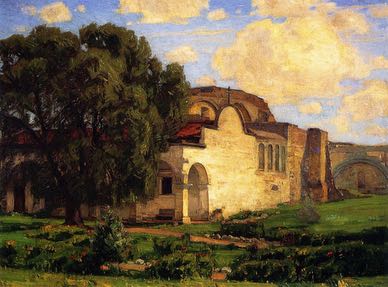
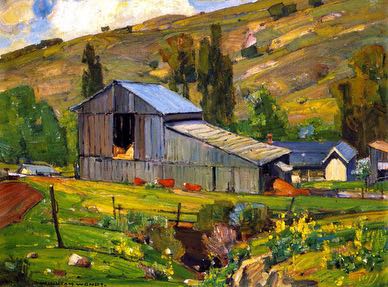
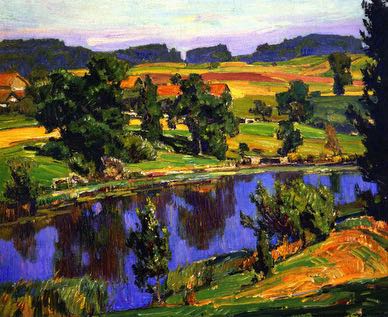
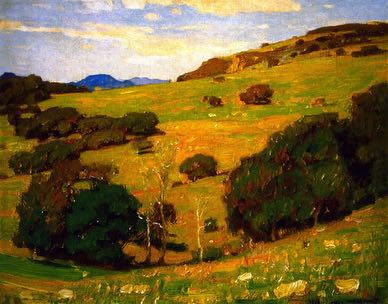
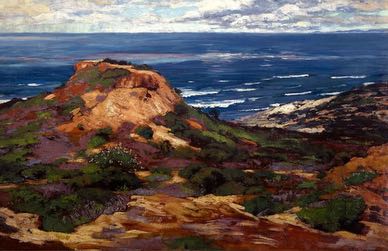
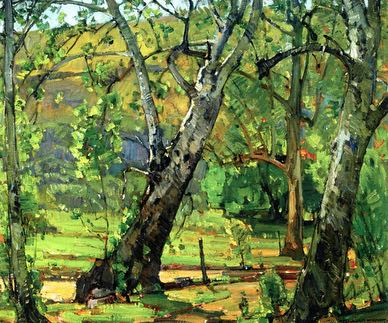
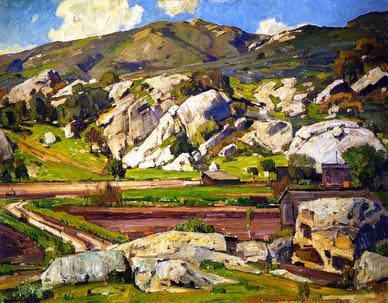
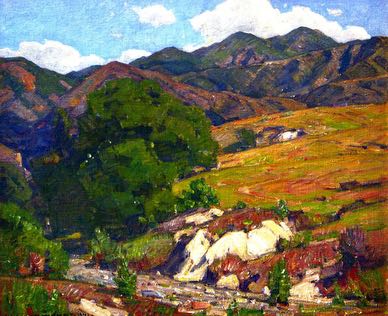
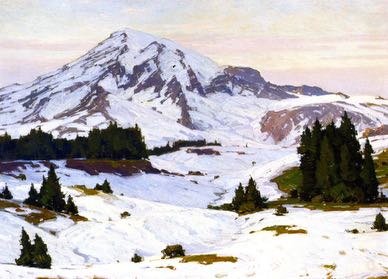
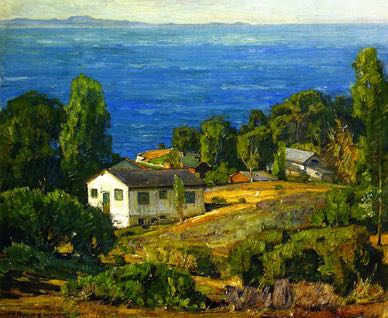
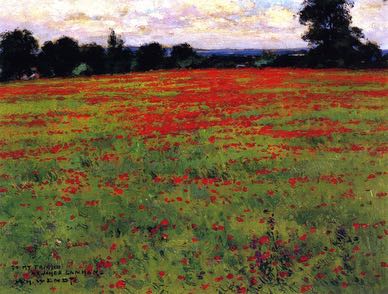
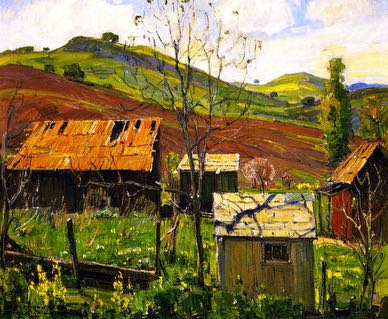
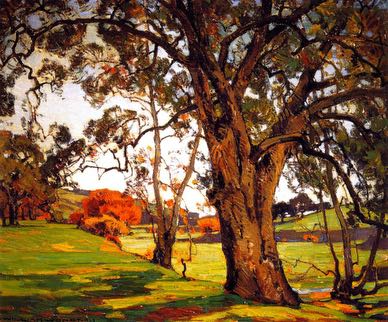
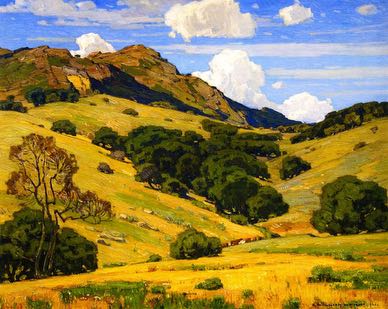
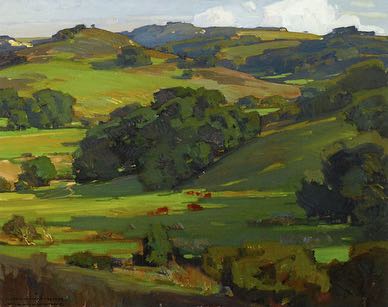
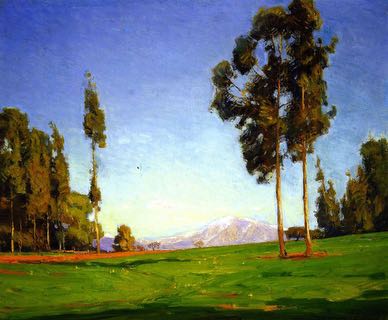
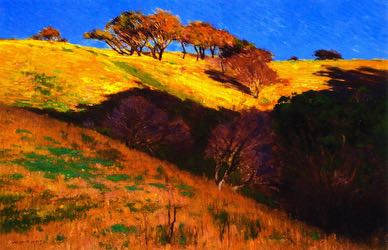
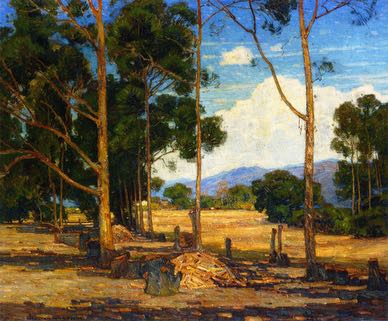
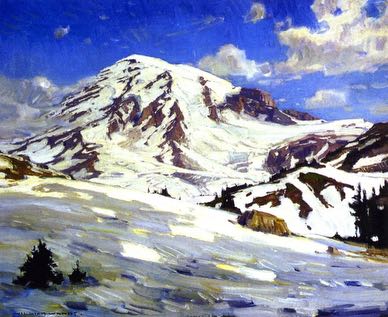
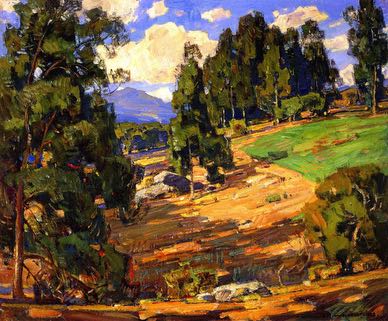
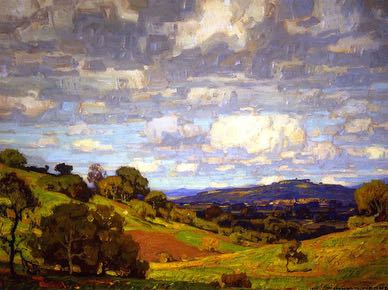
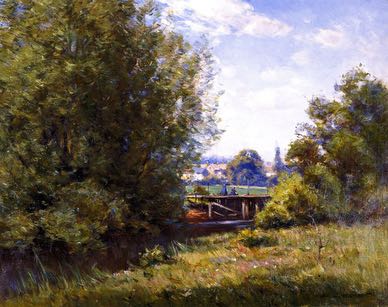
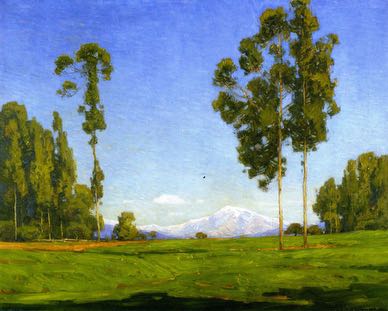
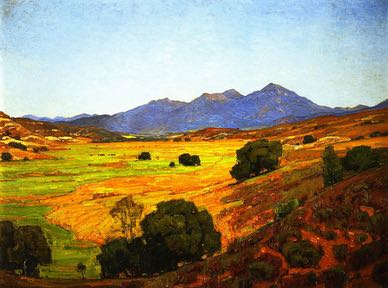
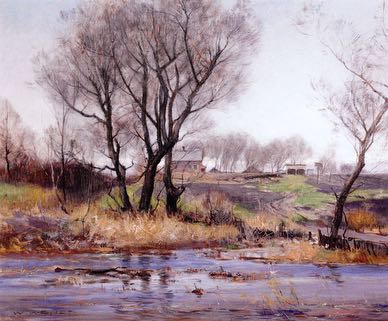
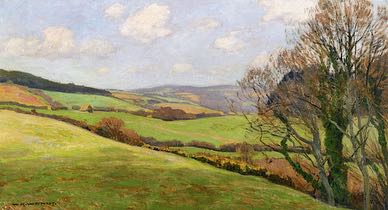
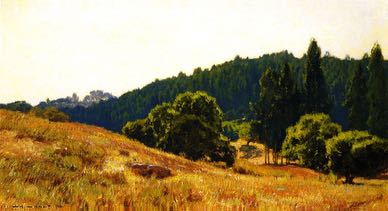
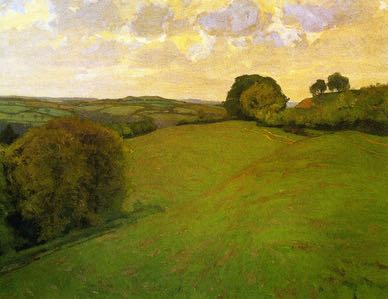
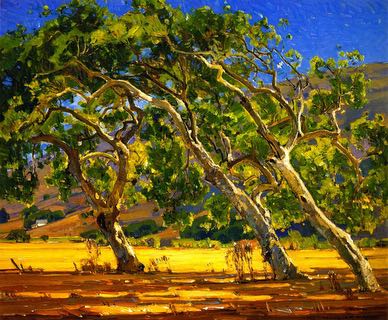
Wendt’s style is characterized by broad, expressive brushstrokes, an earthy palette, and a focus on structure within nature. His paintings often depict undulating hills, oak trees, and expansive skies, capturing California’s landscapes in all their seasonal diversity. Rather than rendering minute details, Wendt sought to capture the essence and mood of a scene, giving his works a sense of grandeur and timelessness. His approach emphasized strong compositional structure and rhythm, portraying nature as an enduring, almost spiritual presence. This vision aligned with his personal beliefs, as Wendt saw nature as a reflection of divine order and harmony.
As a co-founder of the California Art Club in 1909, Wendt was instrumental in promoting the arts in Southern California and establishing a supportive community for plein-air painters. The club became a hub for artists who shared Wendt’s passion for California’s landscapes and contributed to the growth of a distinctly Californian style of Impressionism. Wendt served as the club’s president for several years, where he influenced many younger artists and helped solidify the importance of landscape painting in the region’s artistic identity.
In works such as “The Old Coast Road” and “Sycamore Canyon”, Wendt captured the vibrant colors and varied textures of California’s terrain, celebrating the landscape’s untouched beauty. His use of deep greens, golden ochres, and sunlit yellows reflected the state’s natural color palette, imbuing his paintings with a palpable sense of place. Unlike some of his contemporaries, who often focused on idealized views, Wendt embraced the rugged, untamed aspects of nature, portraying California as both majestic and enduring.
Wendt’s works were widely exhibited in his lifetime, and his reputation grew as one of America’s premier landscape painters. Though California Impressionism waned with the rise of modernism, Wendt’s legacy endured, and he remains a key figure in American art history. Today, his works are held in major collections, including the Los Angeles County Museum of Art and the Irvine Museum, where they continue to be celebrated for their beauty and reverence for the natural world.
William Wendt’s legacy as a painter of California landscapes endures, capturing not only the physical beauty of the land but also a sense of timelessness and spiritual connection to nature. His vision and dedication helped define California Impressionism, making his work a testament to the enduring appeal of the American landscape.
Copyright © 2026 BrushWiz. All Rights Reserved.