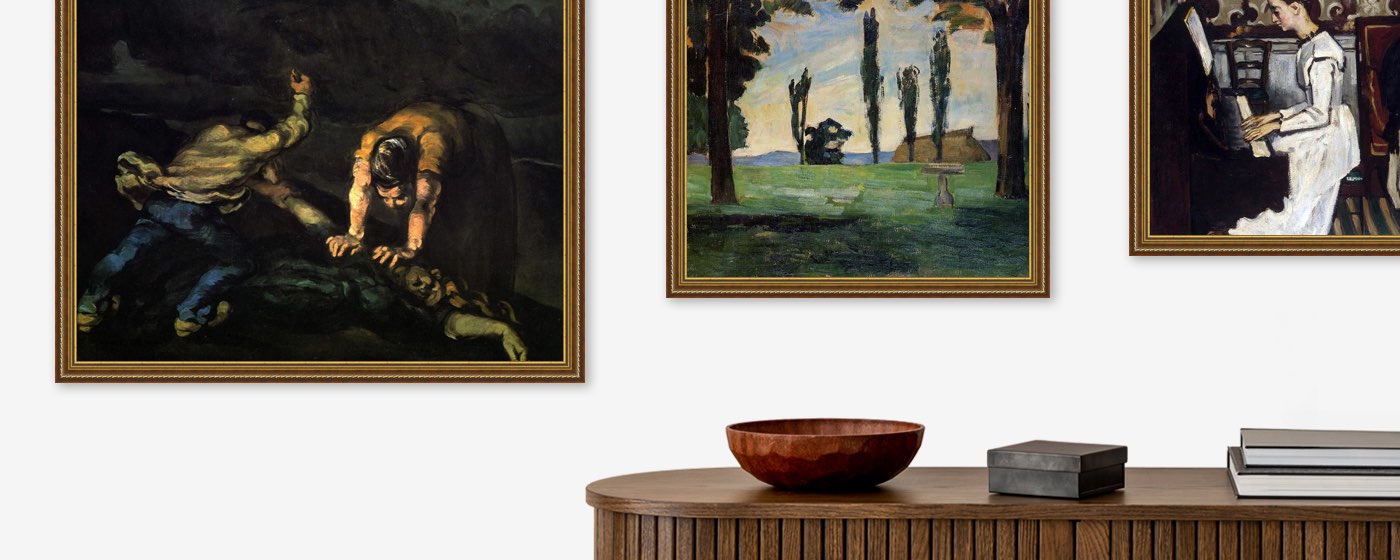
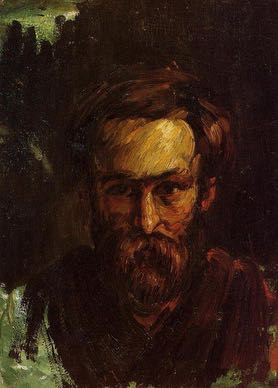
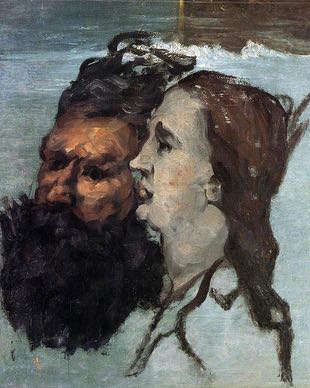
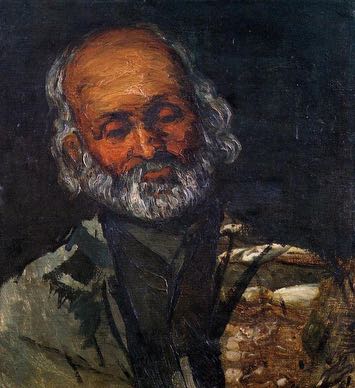
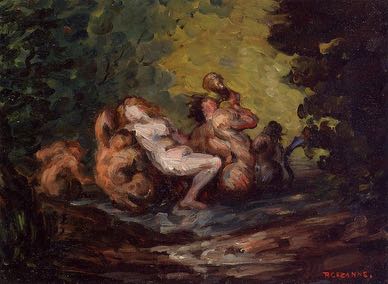
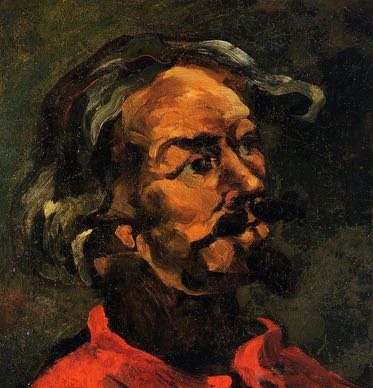
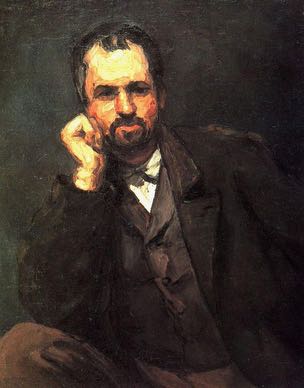
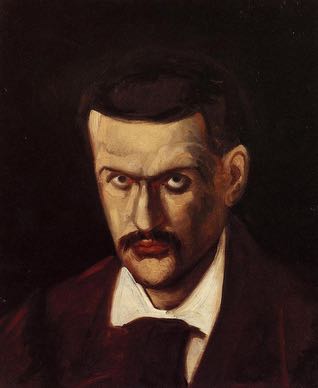
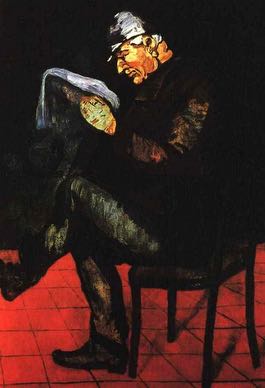
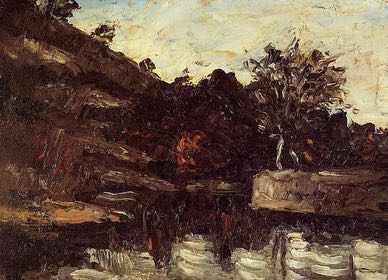
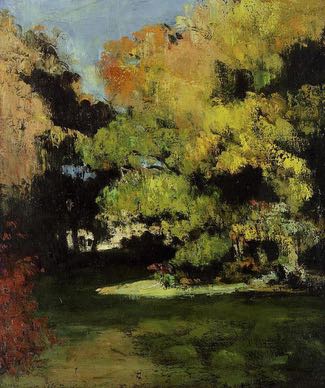
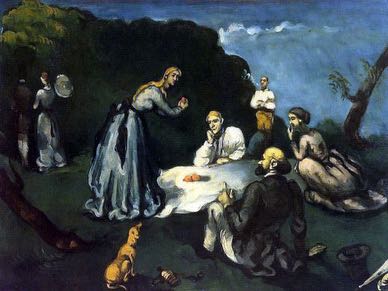
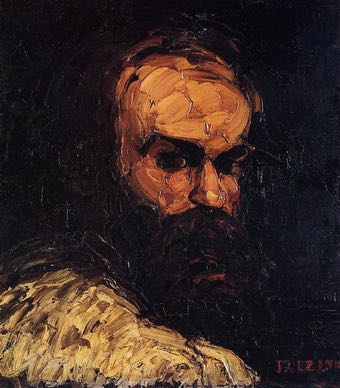
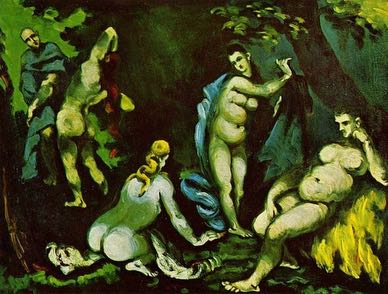
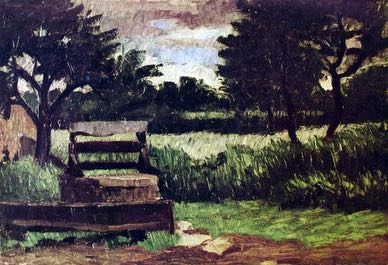
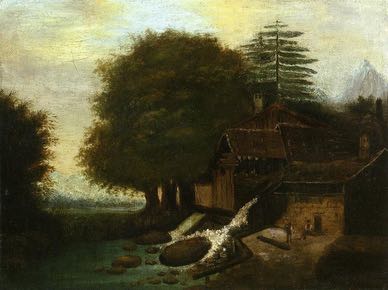
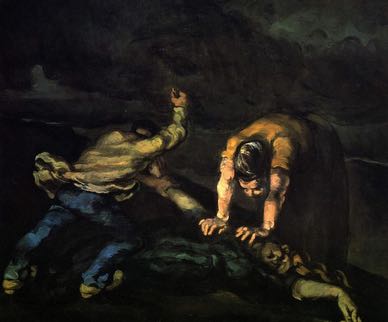
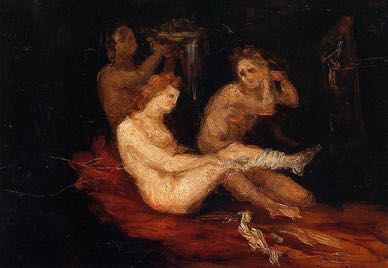
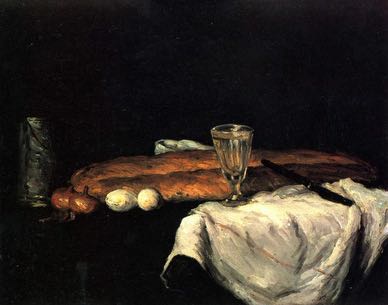
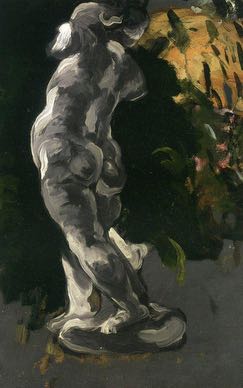
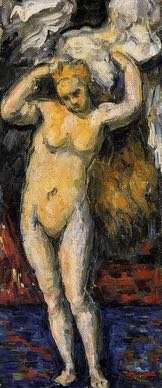
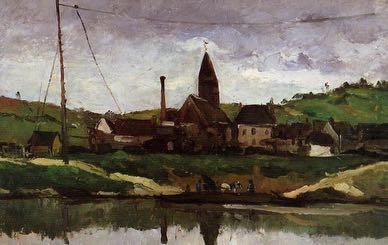
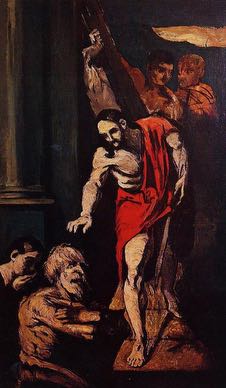
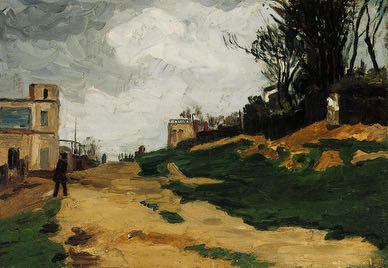
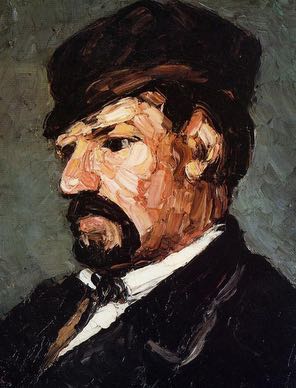
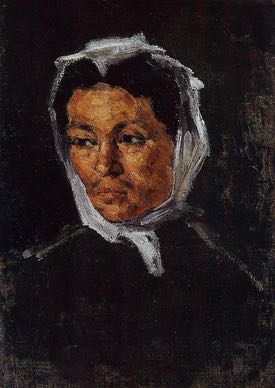
Paul Cezanne’s so-called "Dark Period" is an intriguing chapter in the artist's development, marked by a profound shift in both mood and technique. This phase, spanning the late 1860s to early 1870s, reveals a Cezanne grappling with the raw intensity of human emotion and the shadows that linger in the psyche. Unlike the vibrant and serene landscapes that would later define much of his work, the paintings from this period are imbued with a brooding atmosphere and a palette dominated by deep, somber tones.
In these works, Cezanne turned his focus inward, often depicting scenes of isolation and existential weight. The figures in these paintings—whether solitary individuals or groups—seem to carry an emotional burden, their forms heavy with a sense of foreboding. The compositions are dense and compact, with an almost claustrophobic feeling, as if the walls of the canvas are closing in on the subjects. The brushwork is thick and vigorous, with layers of paint applied in a way that suggests both a physical and emotional struggle. This period reflects Cezanne's own inner turmoil, his feelings of alienation, and his defiance of the traditional artistic norms of his time.
One of the most compelling aspects of Cezanne’s Dark Period is his exploration of the human form. Unlike his later works, where the figures often blend harmoniously with their surroundings, the figures in these paintings are starkly delineated, almost as if they are carved out of the shadows. The dark, earthy tones—rich browns, blacks, and deep reds—convey a sense of weight and permanence, grounding the figures in a world that feels both real and oppressive.
This period also marks Cezanne’s early attempts to break free from the influence of his predecessors and contemporaries. While he was still under the sway of Romanticism and Realism, there is a clear departure in these works, a move towards a more personal and expressive style that would later evolve into his unique approach to form and color. The Dark Period can be seen as a crucible in which Cezanne forged the artistic identity that would eventually lead him to become one of the pioneers of modern art.
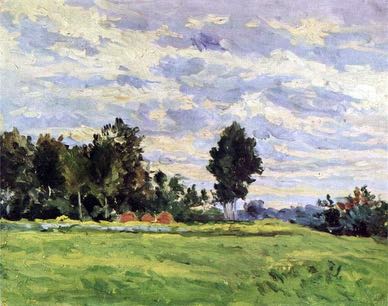
Yet, within the darkness, there are glimpses of the future Cezanne—the artist who would masterfully balance the seen and the unseen, the tangible and the abstract. The intense emotional charge of these works, their raw power, and their unflinching portrayal of the human condition foreshadow the psychological depth and structural innovation that would come to define his mature style.
Cezanne's Dark Period, therefore, is not merely a phase of artistic exploration; it is a pivotal moment in the history of art, where the seeds of modernism were planted in the fertile ground of personal and artistic struggle. These paintings invite us to confront the darker aspects of the human experience, offering a raw, unfiltered view of a world where light and shadow are inextricably linked, much like the complexities of life itself.
Copyright © 2024 BrushWiz. All Rights Reserved.