

❄️ Winter Sale. Offer Ends 11/19/2026. View Details
❄️ Winter Sale. Ends 11/19/2026. View Details
❄️ Winter Sale. View Details
Artists
Subjects
Movements
Collections
Decor
Portraits
Commissions
Framing
Reviews
Gift Cards
On Sale
Paul Cézanne Oil Painting Reproductions
Shop museum-quality reproductions of Paul Cézanne’s most famous paintings, each hand-painted in oil on canvas by a professional artist.
Shop Art
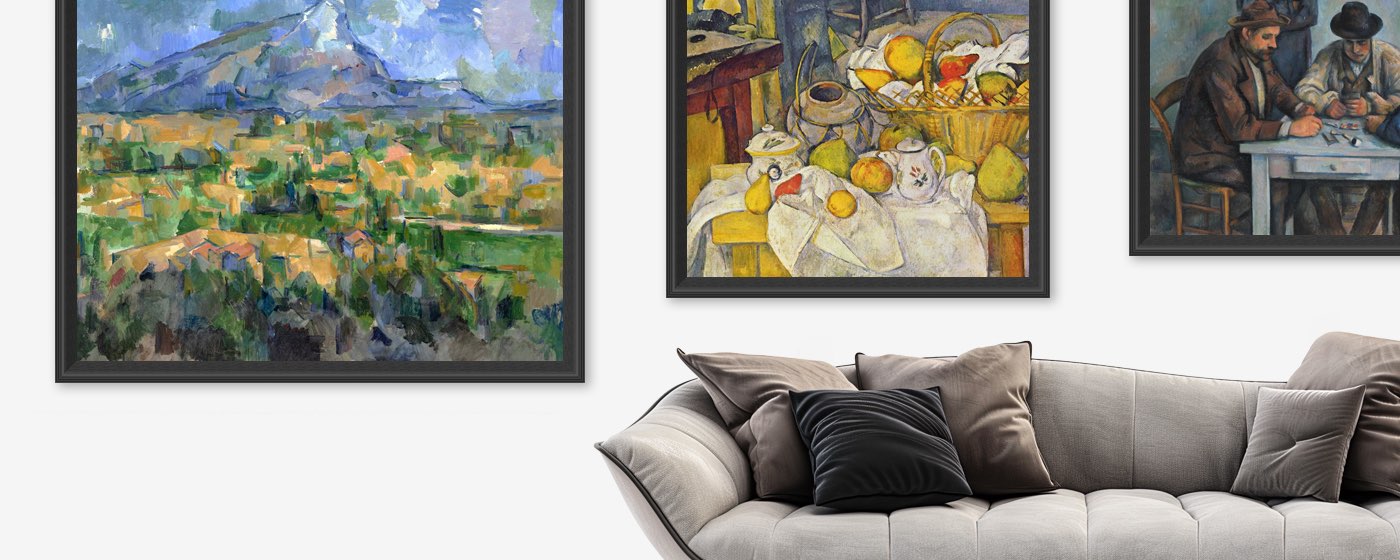
Showing 1-40 of 481 results
Sort By
Most Popular
- Most Popular
- New Arrivals
- Best Sellers
- Alphabetical A-Z
- Alphabetical Z-A


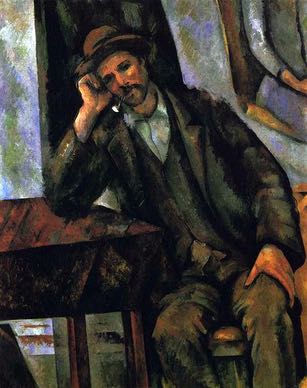

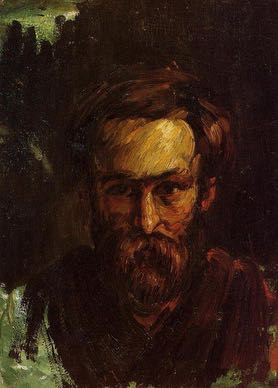

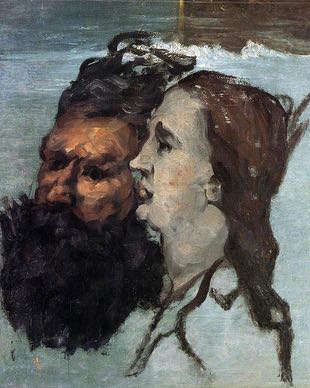
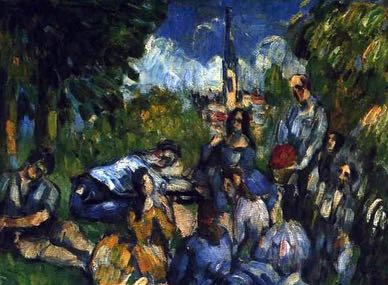
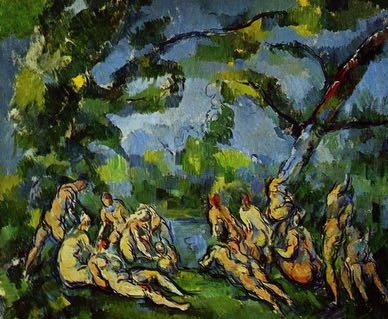
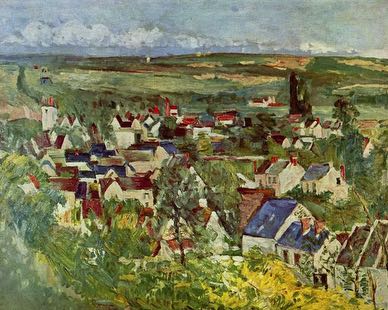
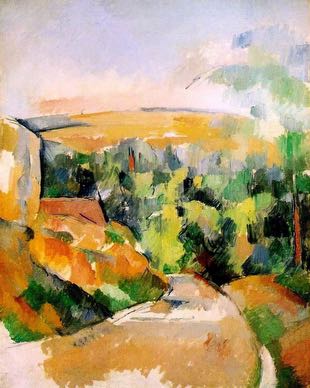
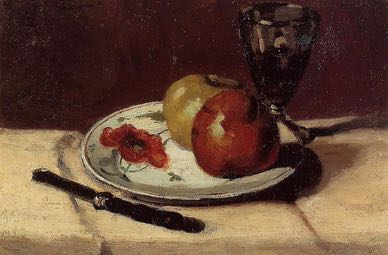
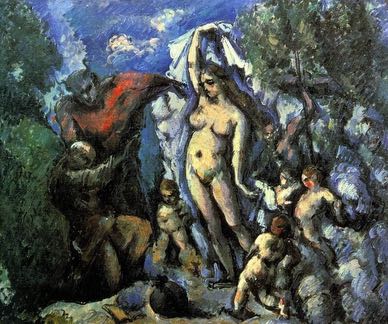
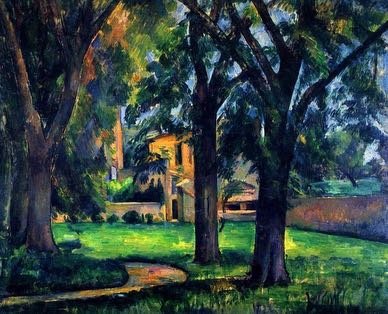
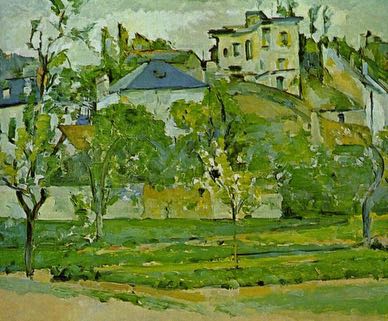
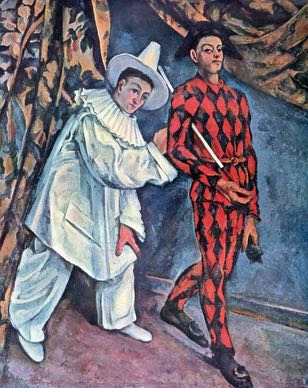

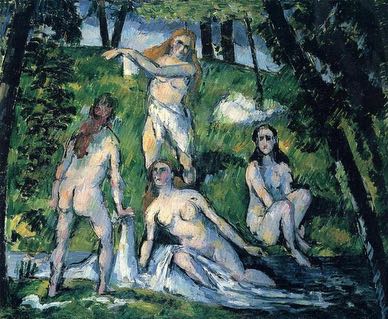
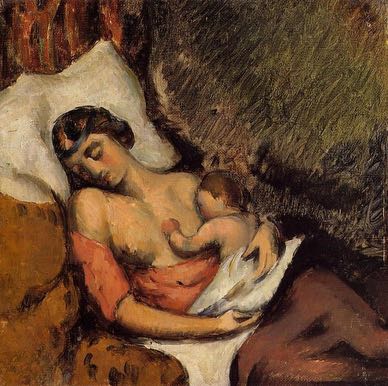
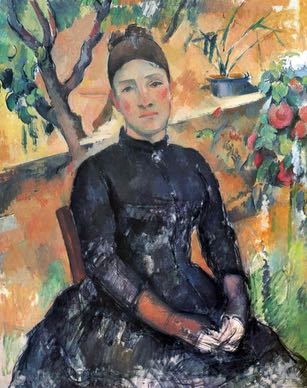


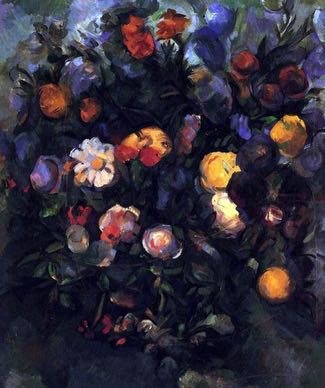

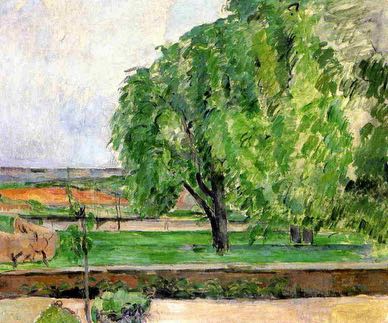
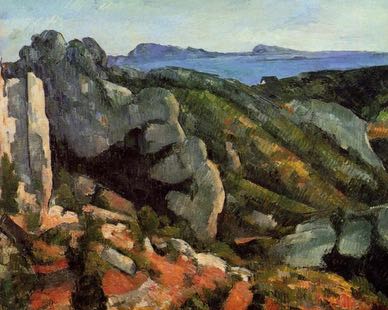
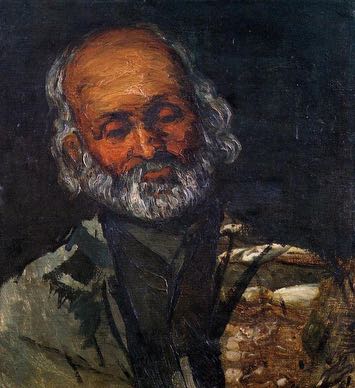
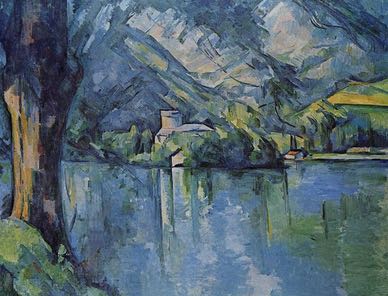

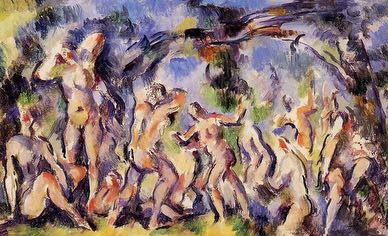
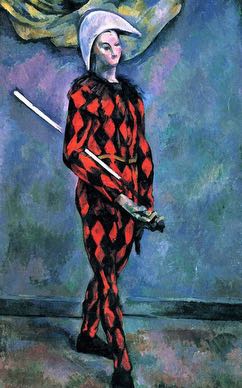
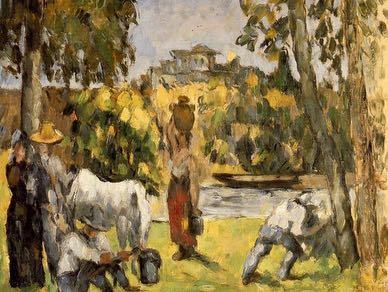
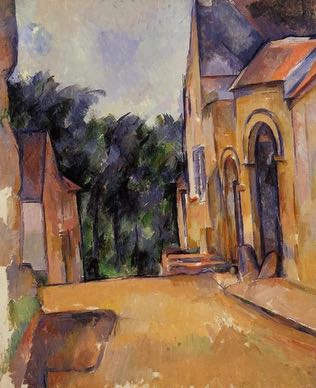
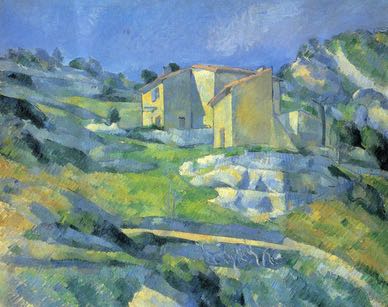


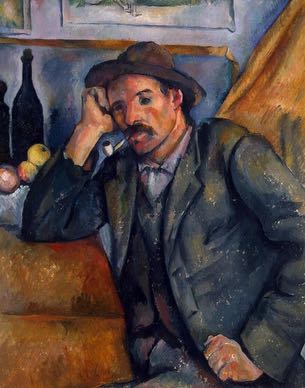
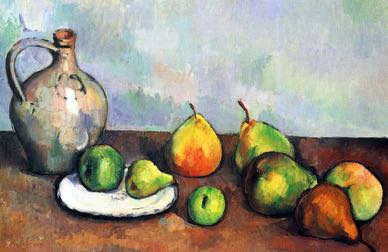
Can’t Find the Painting You Want?
Send us a reference image. We can recreate almost any artwork in the size and style you’re looking for.
Get a Free QuoteHand-Painted Paul Cézanne Reproductions
Bring Cézanne’s art into your home with an oil-on-canvas reproduction hand-painted by a professional artist. Our collection features hundreds of paintings from across his career, including The Card Players, Mont Sainte-Victoire, and Large Bathers. Discover Provençal landscapes, carefully arranged still lifes, intimate portraits, monumental bathers, rural card players, studies of trees, roads, villages, and other subjects closely associated with Cézanne. Every reproduction is a real oil painting, offering depth and texture that a print or digital transfer cannot provide. From iconic masterpieces to lesser-known works, find a Cézanne painting that suits your space.
The Making of a Paul Cézanne Oil Painting Replica
Creating a Paul Cézanne oil painting replica requires patience, precision, and an understanding of the original artwork. Our studio includes artists who specialize in Post-Impressionist painting and understand the distinctive qualities of Cézanne’s work. Before painting begins, the artist studies the source image, paying close attention to its underlying structure, color relationships, shifting perspective, parallel brushstrokes, and carefully balanced forms. These elements are recreated by hand in oil on canvas using an approach suited to the original. Once complete, the reproduction is inspected by our quality-control team and photographed for your approval.
Custom Sizes and Frames for Your Cézanne Painting
Your Cézanne painting can be ordered in practically any size, from popular standard dimensions to custom canvas sizes selected directly on the product page. This flexibility lets you choose a painting that fits your wall and complements your room perfectly. After selecting the size, you can choose from high-quality frames in classic or modern designs, with professional canvas stretching also available. Our framing options complement the structured forms and varied subjects found in Cézanne’s paintings. With sizing, stretching, and framing arranged in one order, your artwork can arrive ready for display without a separate visit to a frame shop.
Order a Paul Cézanne Reproduction with Confidence
Buying hand-painted art online should feel clear and comfortable. After your Paul Cézanne reproduction is completed, we send high-resolution photographs for your review before shipping. You can inspect the composition, colors, details, texture, and overall finish, then request adjustments if needed. The painting is dispatched only after you approve it, so you know what to expect when it arrives. Your order also includes free express worldwide shipping and is covered by our 90-day return policy. Together, these assurances help you purchase a Cézanne oil painting with greater confidence and peace of mind.
The Life and Art of Paul Cézanne
Paul Cézanne was a French Post-Impressionist painter whose patient study of color, form, and pictorial structure helped redirect modern art. Born in Aix-en-Provence in 1839, he divided his working life between Paris and southern France while finding a path distinct from both academic convention and Impressionism. Cézanne returned again and again to landscapes, still lifes, portraits, card players, and bathers, giving objects weight through measured strokes and carefully related patches of color. Recognition came late, particularly after his 1895 solo exhibition, but his influence was far-reaching. Matisse, Picasso, Braque, the Fauves, and the pioneers of Cubism all found new possibilities in his treatment of geometry and space.
Read More
Who Was Paul Cézanne?
Paul Cézanne was born on 19 January 1839 in Aix-en-Provence in southern France. His father, Louis-Auguste Cézanne, became a prosperous banker and hoped his son would choose a dependable profession. At the Collège Bourbon, the young Cézanne formed a close friendship with the future novelist Émile Zola.
The countryside around Aix—with its limestone ridges, pine trees, farms, and villages—stayed with Cézanne throughout his life. Paris and other parts of France were important to his development, but Provence gave him the familiar ground on which many of his deepest artistic investigations unfolded.
Cézanne’s career stretched from the second half of the nineteenth century into the first years of the twentieth. He belonged to a generation that challenged the official Salon, then moved beyond Impressionism’s fleeting visual effects in search of greater solidity, order, and permanence.
Where Did Cézanne’s Artistic Career Begin?
Cézanne studied drawing at the École municipale de dessin in Aix while reluctantly following his father’s wishes and enrolling in law. Legal work held little appeal. With encouragement from Zola, already living in Paris, he finally persuaded his family to let him pursue art and made his first extended visit to the capital in 1861.
In Paris, Cézanne attended the Académie Suisse, an informal studio where artists drew from live models. There he met Camille Pissarro, who became a trusted colleague and one of the strongest influences on his work. Cézanne also copied paintings at the Louvre and studied Eugène Delacroix, Gustave Courbet, and the old masters.
The official Salon rejected his submissions repeatedly. Rather than discouraging him from painting, these disappointments drew him closer to artists who were looking for a way around established academic rules.
What Set Cézanne’s Early Paintings Apart?
The paintings Cézanne made in the 1860s are often dark, thickly worked, and emotionally intense. He sometimes spread pigment with a palette knife, leaving a dense physical surface very different from his later touch. Family portraits and imaginary scenes could feel intentionally rough, even confrontational.
This early manner reflects his admiration for Romantic and Realist art, but it also shows a young artist testing the material limits of paint. The agitated gestures, forceful figures, and heavy surfaces receded slowly rather than vanishing at once.
These works matter because the calm structure of Cézanne’s maturity did not grow from detachment. It came from years spent trying to bring emotion, close observation, and the physical substance of paint into a stable composition.
How Did Pissarro Lead Cézanne Toward Impressionism?
In the early 1870s, Cézanne worked beside Pissarro around Pontoise and Auvers-sur-Oise. Pissarro urged him to work outdoors, pay attention to changing light, leave behind heavy dark contrasts, and build a landscape with smaller touches of color. Painting and talking together helped Cézanne lighten his palette and look at nature more directly.
Cézanne joined the first Impressionist exhibition in 1874 and showed with the group again in 1877. Critics responded harshly: beside the work of many colleagues, his forms and painted surfaces seemed awkward, weighty, and deliberately unpolished.
He learned a great deal from Impressionism without becoming a conventional Impressionist. Recording one passing instant interested him less than discovering how sustained observation and color could give a scene lasting order. That pull between direct vision and firm construction became central to his mature work.
By What Means Did Cézanne Build Form from Color?
In his mature paintings, Cézanne often laid angled or parallel strokes side by side until color itself created volume. Instead of drawing a fixed outline and filling it in, he used neighboring blues, greens, ochres, reds, and grays to find the edges and planes of an object.
Sometimes called the constructive stroke, this method gave weight to apples, faces, mountains, houses, and trees without hiding the painted surface. Contours shift or stop short, while tables and walls may tilt as Cézanne brings together observations made from slightly different positions and over time.
Ambroise Vollard’s 1895 exhibition, Cézanne’s first solo show, finally brought these achievements to a wider public. Younger painters and collectors began to see that his unusual space was not faulty conventional perspective. It was a deliberate attempt to rethink how looking could become painting.
Why Did Provence and Mont Sainte-Victoire Draw Cézanne Back?
Cézanne repeatedly painted the country around Aix: L’Estaque, the family estate at Jas de Bouffan, Gardanne, the Arc valley, and mountain landscapes commanded by Mont Sainte-Victoire. Their familiarity let him revisit the same forms in new light and from different positions.
Mont Sainte-Victoire appears in dozens of his oils and watercolors. Trees, roads, houses, fields, viaducts, and the mountain’s sloping profile come together through repeated touches of color rather than conventional atmospheric illusion. In Mont Sainte-Victoire and the Viaduct of the Arc River Valley, the ancient mountain and a modern railway structure belong to the same carefully ordered terrain.
These are more than records of a famous landmark. Each return allowed Cézanne to test what remained constant and what shifted with the weather, season, distance, and his own act of seeing.
How Did Cézanne Rethink Still Life and Portraiture?
For Cézanne, still life painting was a demanding study of perception and balance. He could arrange and rearrange fruit, bowls, bottles, pitchers, cloth, tables, and plaster figures over long periods. The objects have real weight, though their edges and viewpoints do not always obey one fixed perspective.
In paintings such as Apples and Oranges and Basket of Apples, slanting tabletops and folded cloth send movement through the scene while color makes each object substantial. For later artists, these modest arrangements became a laboratory for rebuilding pictorial space.
He brought the same concentration to portraits. His wife Hortense Fiquet, family, friends, workers, local residents, and Cézanne himself endured repeated sittings. Their expressions are often reserved, shifting attention toward posture, color, and the deliberate construction of the figure.
What Do the Card Players and Bathers Reveal?
During the 1890s, Cézanne painted several versions of Provençal men at a card game. The figures in The Card Players are quietly absorbed, but their ordinary activity gains gravity through substantial bodies, restrained action, repeated verticals and diagonals, and echoes of color across the canvas.
Bathers occupied Cézanne through much of his career, joining his study of the body to the long tradition of museum art. He relied on drawings and remembered poses rather than setting nude models outdoors. Gradually, trees, bodies, and landscape settle into a single constructed rhythm.
The late Large Bathers were among his grandest undertakings. Their imposing scale and visibly unresolved surfaces show an artist still testing possibilities near the end of his life, not simply repeating a solution he already knew.
Which Paintings Offer the Best Introduction to Cézanne?
Cézanne’s best-known works range across landscapes, still lifes, portraits, rural life, and ambitious figure compositions:
- House of the Hanged Man: A landscape from Auvers that reveals the lighter palette and outdoor working method Cézanne developed beside Pissarro.
- Apples and Oranges: Fruit, dishes, and patterned fabric form an energetic arrangement held together by color and changing viewpoints.
- Basket of Apples: A tilted table and deliberately unsettled perspective turn familiar objects into an investigation of sight.
- The Card Players: Two Provençal men gain quiet monumentality through balanced poses, restrained movement, and structured color.
- Mont Sainte-Victoire: Visible strokes and interlocking planes organize the mountain and the countryside around it.
- Boy in a Red Vest: Strong diagonals and a measured balance of red, blue, and muted tones hold together the sitter’s elongated pose.
- Madame Cézanne in a Yellow Chair: Cézanne’s wife sits within a controlled arrangement of patterned clothing, firm contours, and carefully related colors.
- Large Bathers: Figures, trees, and landscape join in an architectural composition that occupied Cézanne over many years.
- Pyramid of Skulls: A tight cluster of skulls gives his repeated forms and constructive color an unexpectedly somber force.
- The Gulf of Marseille Seen from L’Estaque: Rooftops, sea, and distant land are compressed into broad bands of color and geometric structure.
Why Did Cézanne Become So Important to Modern Art?
Cézanne died in Aix-en-Provence on 22 October 1906 after falling ill while painting outdoors. The Salon d’Automne mounted a major memorial exhibition the following year, placing fifty-six of his works before a younger generation and confirming his rapidly growing importance.
His influence rests on the meeting of close observation and pictorial structure. Forms can remain solid without hard enclosing lines, and space can shift without collapsing into confusion. For later painters, these discoveries opened a route beyond both traditional perspective and Impressionism’s emphasis on the passing moment.
Picasso and Georges Braque drew on Cézanne’s simplified forms and multiple viewpoints as they developed Cubism. Matisse and the Fauves responded to his color, while later generations found fresh possibilities in his landscapes, portraits, still lifes, and bathers. Cézanne left no single formula to imitate. His greater legacy was the patient, persistent effort to rebuild the visible world in paint.
Copyright © 2026 BrushWiz. All Rights Reserved.
About Our Paul Cézanne Paintings
Are your Paul Cézanne reproductions painted by hand?
Yes. Every reproduction is individually painted by hand in oil on canvas by a professional artist. We do not use prints, digital transfers, or mechanical reproduction methods.
How closely do your Cézanne copies resemble the original?
Our artists work to capture the composition, colors, texture, and visual character of the original Cézanne painting as closely as possible. Because every reproduction is painted by hand, small variations are natural and make each canvas unique.
How long does it take to complete a painting?
Most Paul Cézanne reproductions require approximately two to three weeks to paint, dry, and inspect. Production time may vary depending on the artwork and canvas size, so check the estimate displayed on the product page.
Can I request a Cézanne painting that is not listed?
Yes. If you cannot find the Paul Cézanne artwork you want in our catalog, send us the painting’s title or an image. Our team will review your request and confirm the available sizes, estimated production time, and price.
Will I receive photos of my painting before it is shipped?
Yes. We send high-resolution photographs of the completed painting for your approval. You can request adjustments if needed, and the painting will not be dispatched until the review process is complete.
Can I order a custom canvas size?
Yes. We offer custom dimensions in addition to the standard sizes shown on the product page. Select the dimensions you need directly from the available size options.
Can I order my Cézanne painting with a frame?
Yes. High-quality frames in classic and modern designs are available for many paintings. You can view compatible framing options and add your preferred design from the product page. Professional canvas stretching is also available.
How much does a Paul Cézanne reproduction cost?
The price depends on the selected artwork, canvas dimensions, and framing option. Choose your preferred configuration on the product page to see the current price before ordering.
Do you offer free worldwide shipping?
Yes. Paul Cézanne reproductions qualify for free express worldwide shipping. After dispatch, delivery usually takes five to eight business days, although timing may vary by country and destination.
What is the return policy for Cézanne reproductions?
Orders are covered by our 90-day return policy. Review the current return-policy page before ordering for complete information about eligibility, time limits, and the return process.
Why BrushWiz?
100% Hand Painted
Every piece is entirely handmade
Museum Quality
Faithfully recreated by expert artists
Custom Framing
Choose from a wide range of frames
Free Shipping
Enjoy free shipping on all orders
Cash Back Rewards
Earn cash back with every purchase