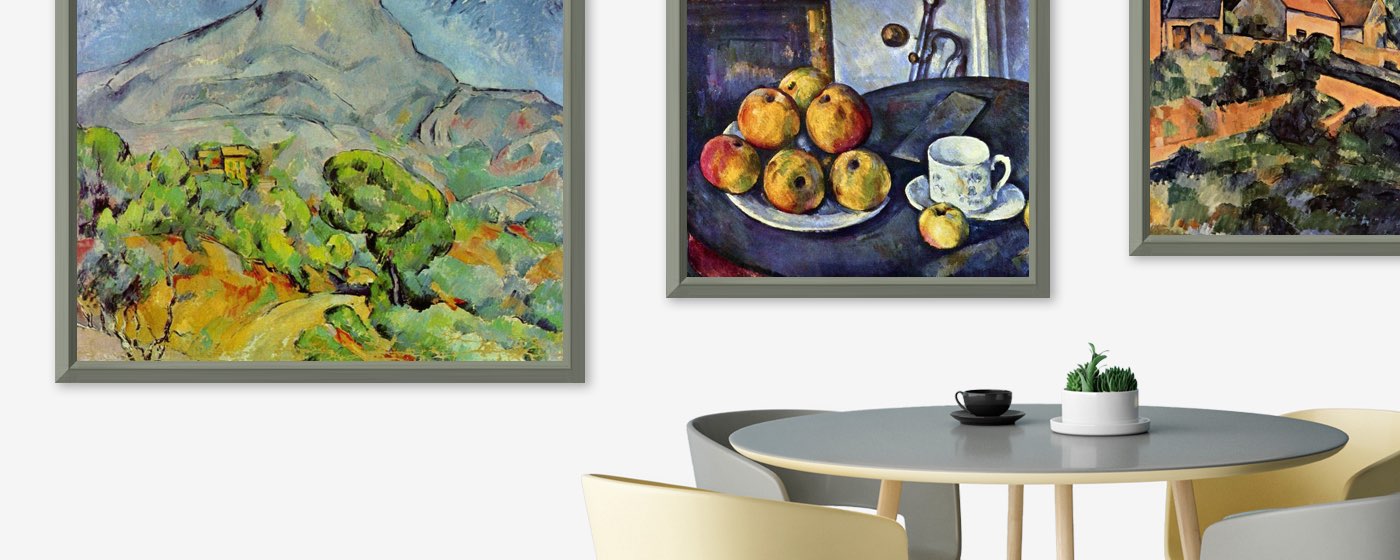
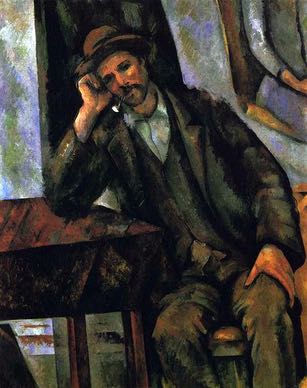
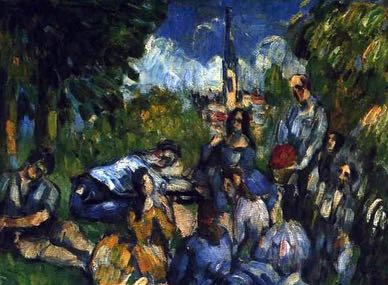
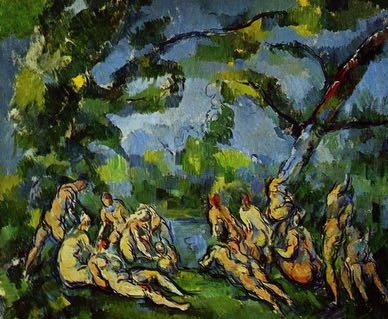
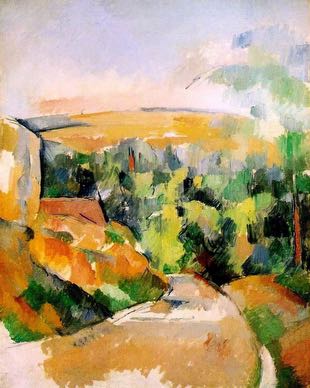
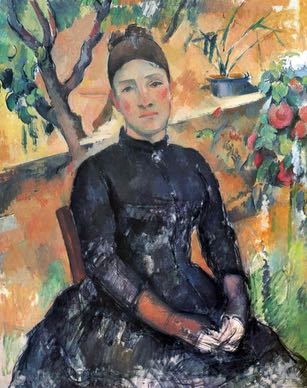
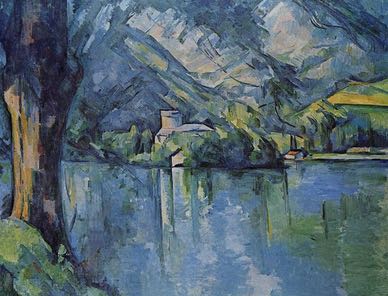
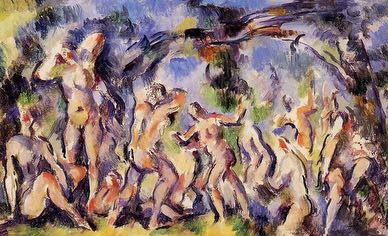
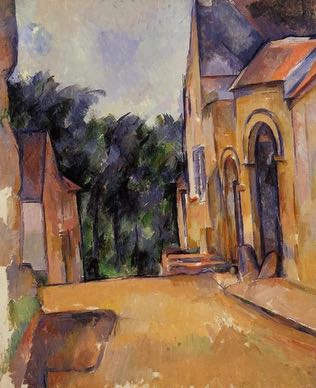
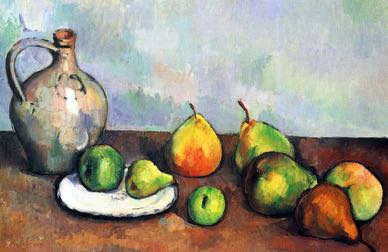
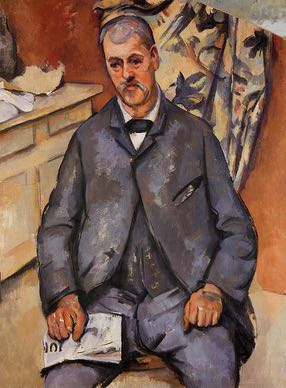
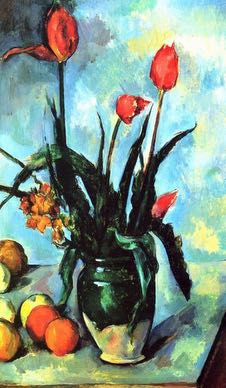
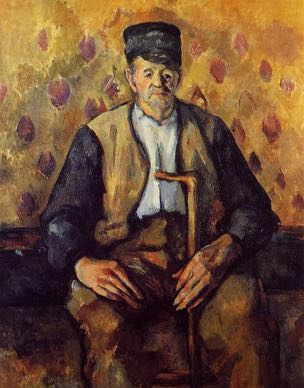
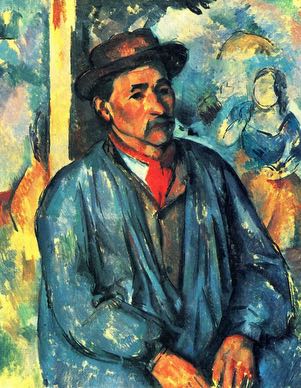
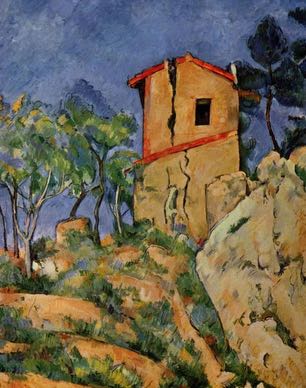
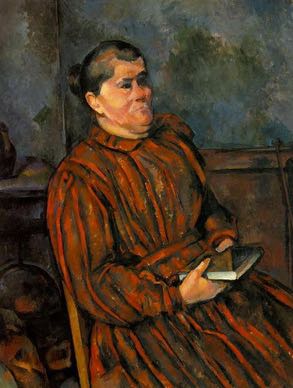
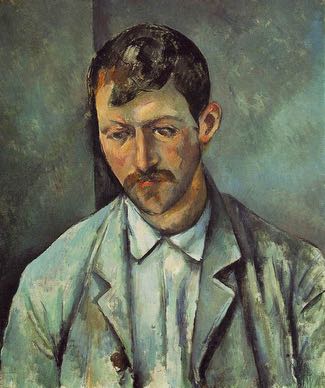
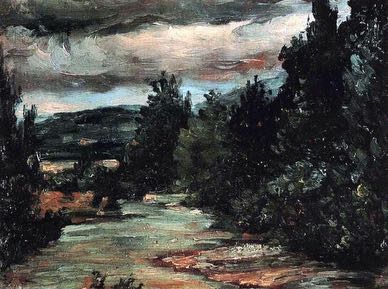
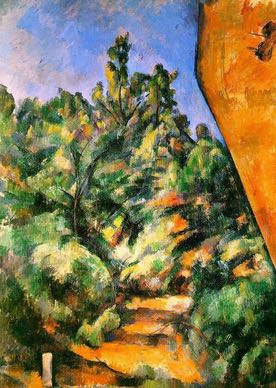
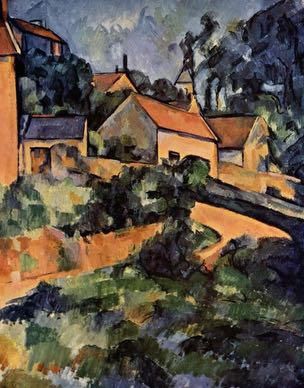
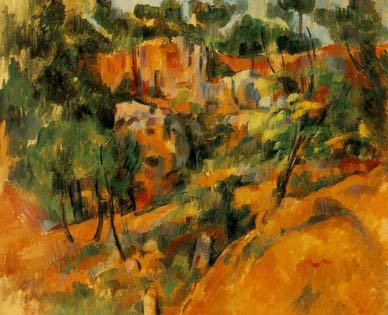
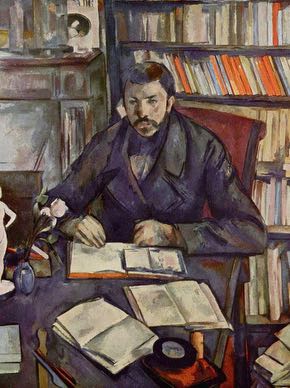
Paul Cezanne’s Final Period marks a profound transformation in his artistic journey, a culmination of decades of relentless exploration and innovation that would go on to influence generations of artists. During this period, roughly from the late 1890s until his death in 1906, Cezanne delved deeper into the very essence of painting, pushing the boundaries of form, color, and perspective to their limits. This phase of his work is characterized by a bold simplification of shapes, a heightened sensitivity to the interplay of color, and an almost obsessive focus on the structural underpinnings of his subjects.
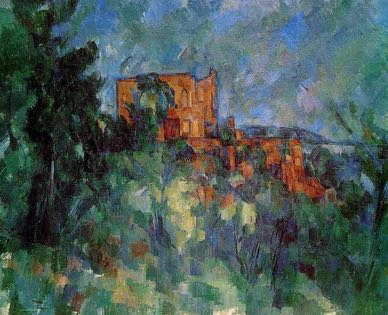
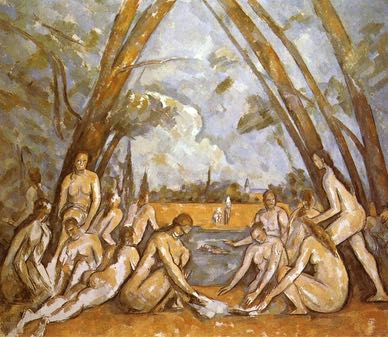
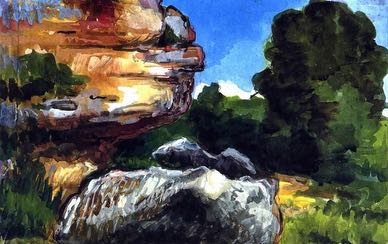
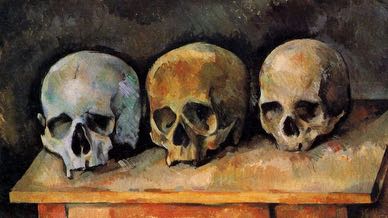
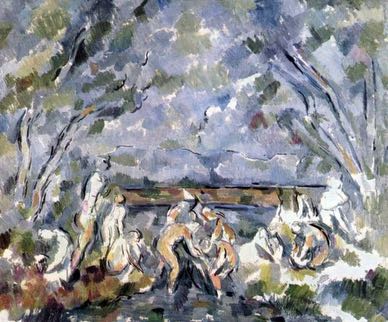
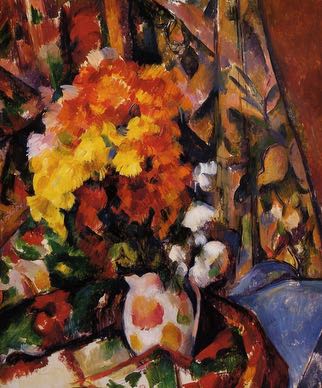
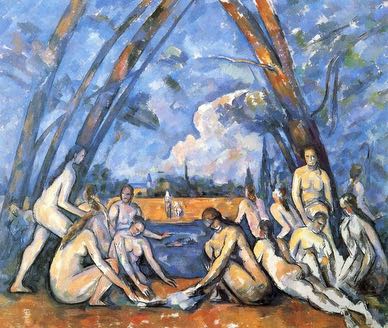
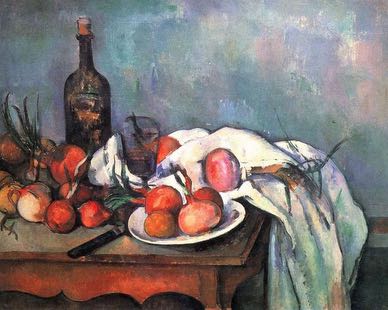
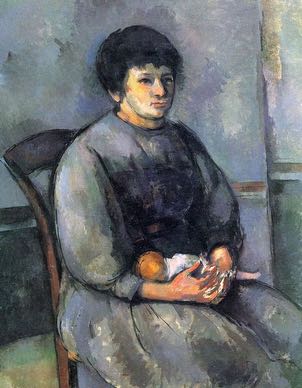
In his Final Period, Cezanne became increasingly concerned with capturing the underlying geometry of nature. He saw the world in terms of spheres, cones, and cylinders, and his paintings from this time reflect this vision. The brushstrokes, once fluid and expressive, became more deliberate and methodical, building up the forms with a mosaic-like precision that gave his compositions a palpable solidity. Whether depicting the rugged landscapes of Provence, the serene still lifes of everyday objects, or the monumental bathers, Cezanne’s work from this period exudes a quiet yet profound intensity.
One of the most striking aspects of Cezanne’s late work is his exploration of the tension between the two-dimensional surface of the canvas and the three-dimensionality of the forms he sought to depict. His innovative approach to perspective—eschewing traditional methods in favor of a more fragmented, shifting viewpoint—was revolutionary. Cezanne’s landscapes, for instance, often seem to vibrate with energy, as if the very hills and trees are alive with the forces that shaped them. This sense of dynamism, achieved through his unique treatment of space and form, prefigured the advent of Cubism and profoundly influenced artists like Picasso and Braque.
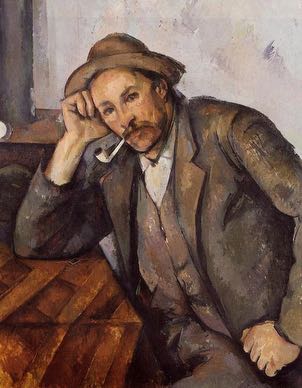
Cezanne’s use of color during this period also underwent a radical transformation. He moved away from the bright, contrasting colors of his earlier work, opting instead for a more muted, harmonious palette. The colors in his Final Period paintings are layered and modulated with exquisite subtlety, creating a sense of depth and atmosphere that is almost tactile. This sophisticated handling of color allowed Cezanne to convey the complex relationships between objects and their surroundings, imbuing his compositions with a sense of timelessness and permanence.
In his later years, Cezanne became increasingly reclusive, dedicating himself entirely to his art. The paintings from his Final Period are a testament to this single-minded devotion. They are not merely representations of the world around him but are instead meditations on the very act of seeing and understanding. Cezanne’s late work, with its rigorous formal experimentation and deep emotional resonance, stands as a fitting capstone to a career that forever changed the course of art history.
Cezanne’s Final Period is often seen as the pinnacle of his artistic achievement, a time when he distilled his lifelong obsessions into a body of work that continues to inspire and challenge. His late paintings, with their groundbreaking approach to form and color, offer a profound reflection on the nature of perception and the possibilities of painting, securing Cezanne’s legacy as one of the true giants of modern art.
Copyright © 2024 BrushWiz. All Rights Reserved.