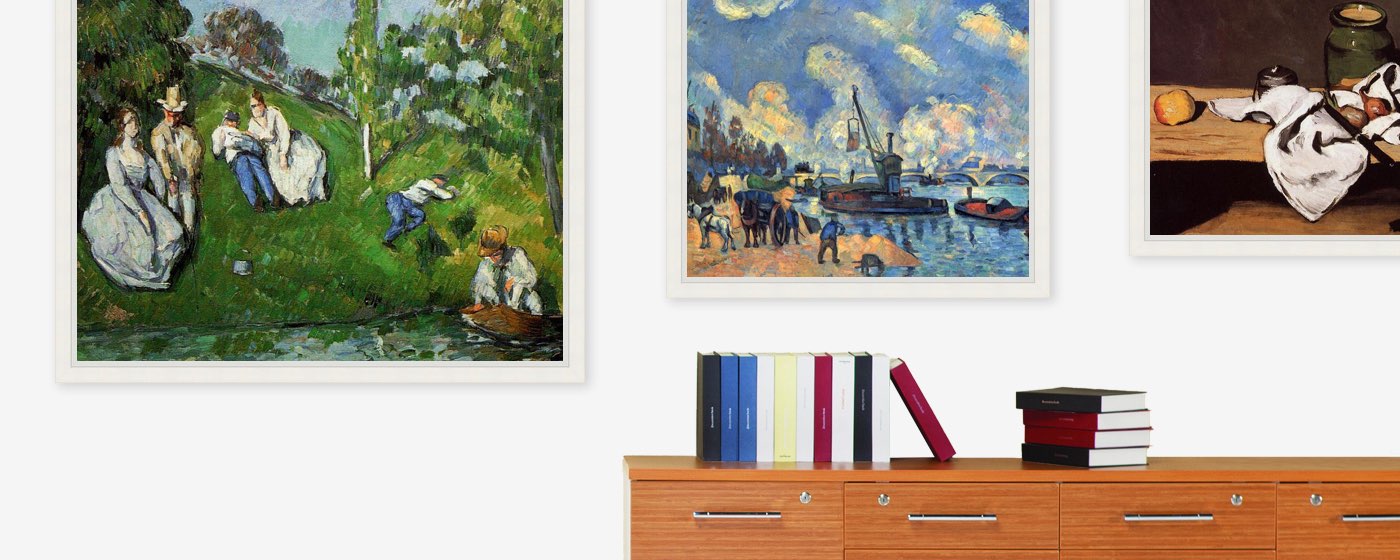
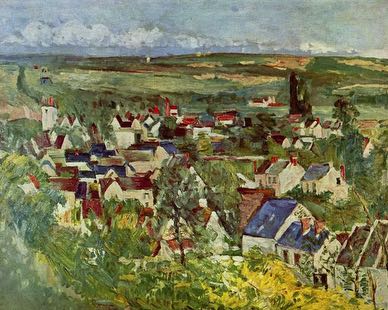
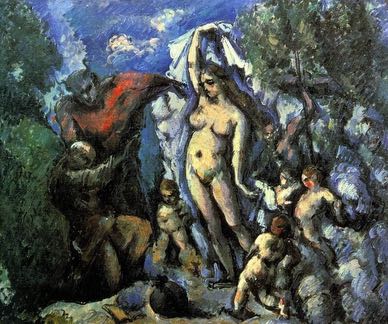
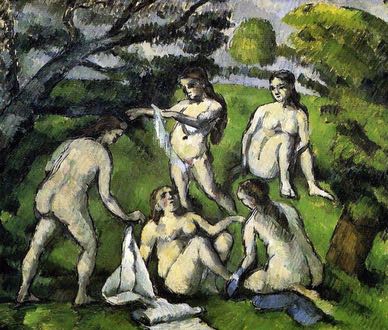
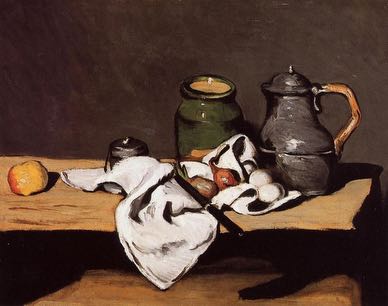
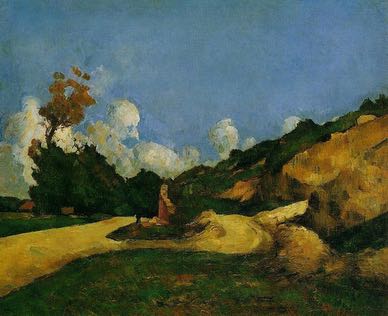
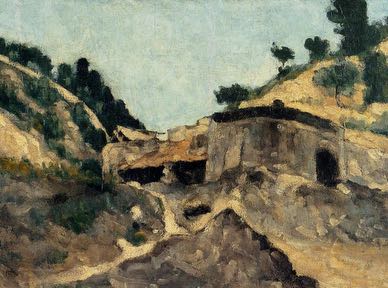
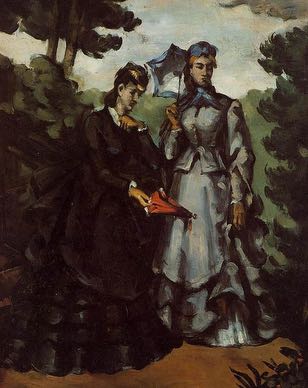
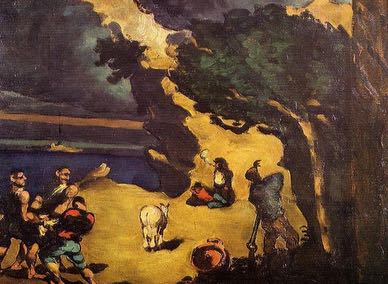
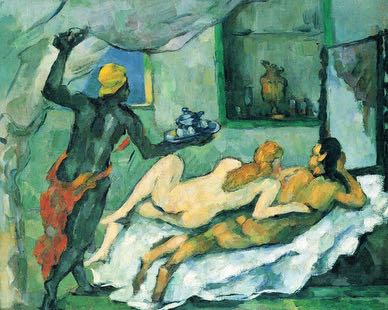
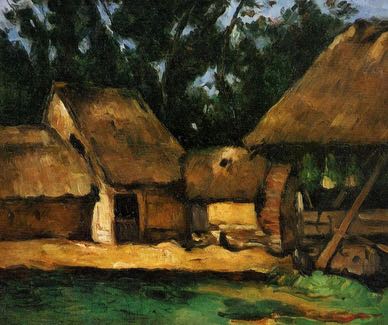
Paul Cezanne's engagement with the Impressionist movement was a pivotal chapter in his artistic evolution, marked by a unique blend of experimentation and mastery. While his connection to Impressionism is well-documented, Cezanne’s work during this era stands out for its distinctive departure from the movement’s conventional practices.
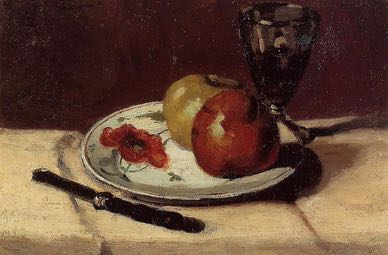
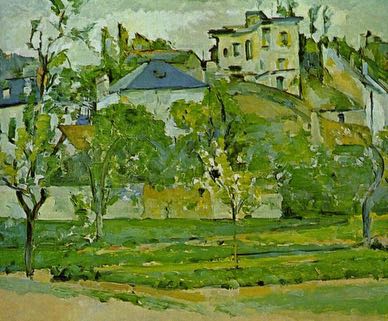
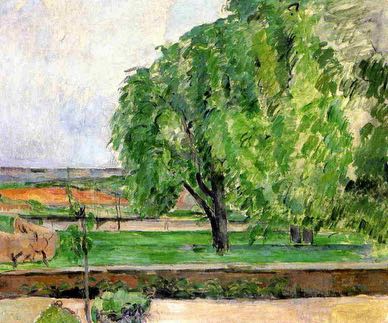
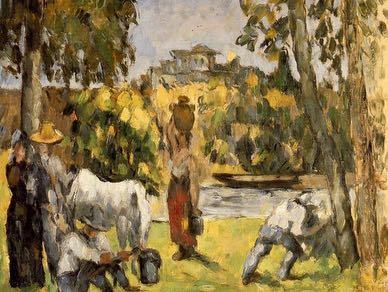
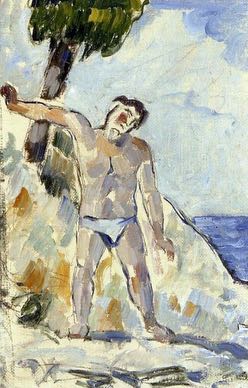
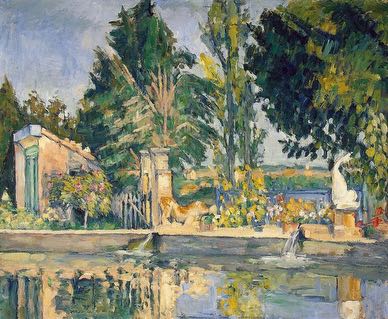
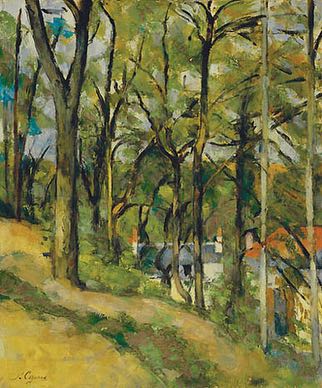
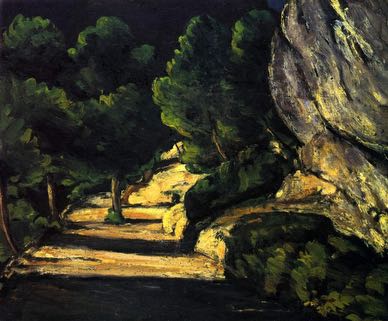
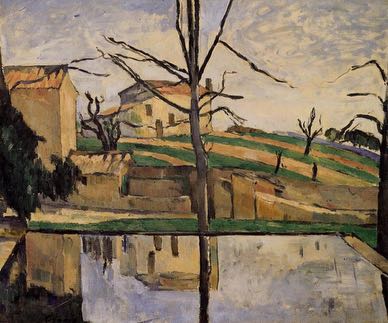
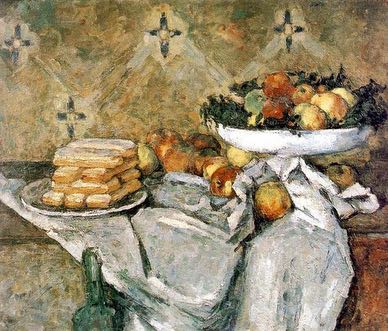
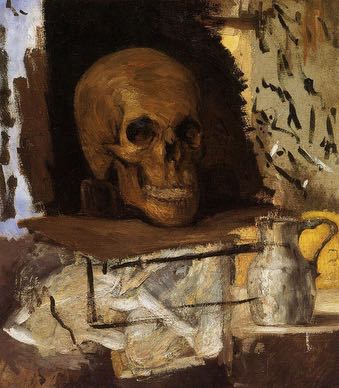
During this period, Cezanne embarked on a quest to capture the essence of his subjects through innovative approaches to color and form. Unlike his contemporaries who often sought to capture fleeting moments, Cezanne aimed to explore the underlying structure and permanence within the transient. His landscapes and still lifes are distinguished by a meticulous attention to the spatial relationships between objects, revealing a deep understanding of both the natural world and artistic representation.
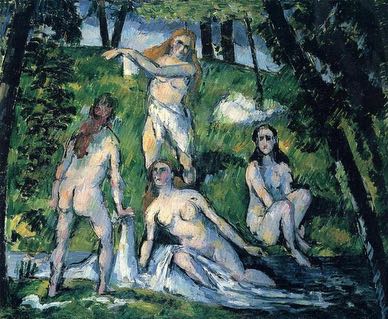
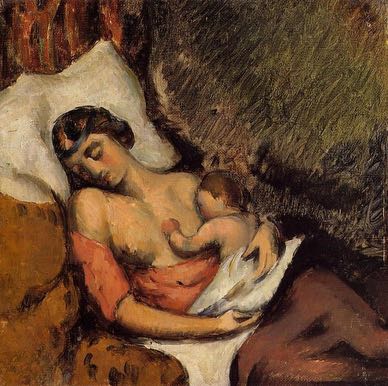
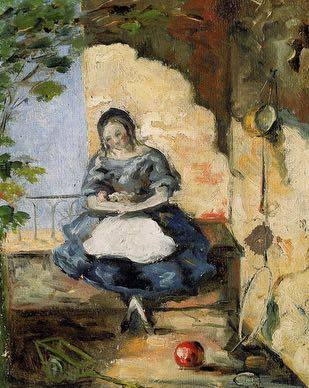
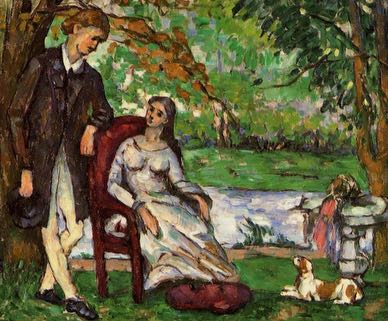
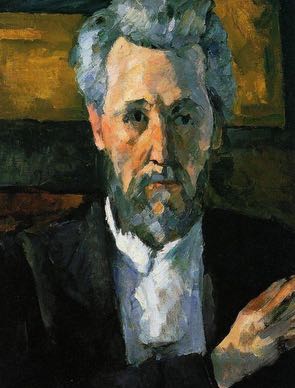
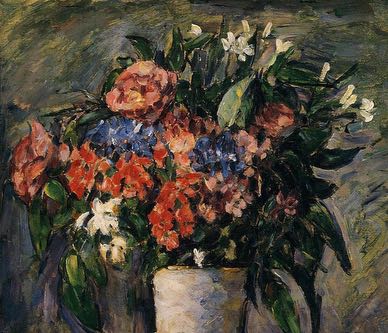
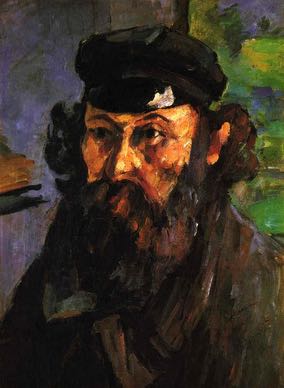
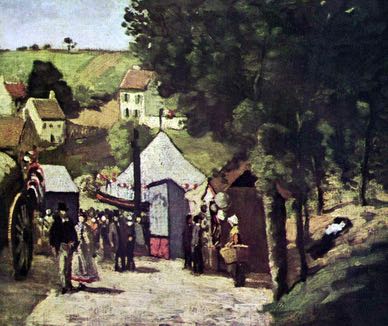
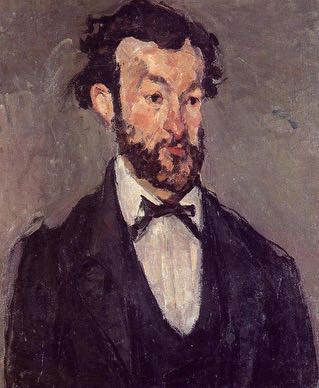
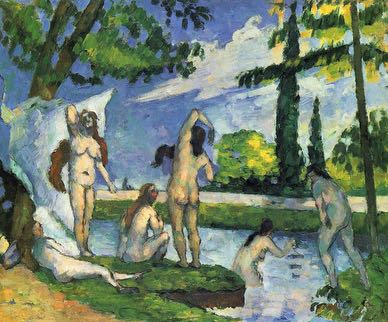
Cezanne’s use of color during this phase was particularly revolutionary. He moved away from the soft, blended hues typical of the Impressionist palette, opting instead for a more deliberate application of paint. His brushstrokes, though vibrant and expressive, were strategically placed to build form and structure. This technique resulted in compositions where colors interact to create a dynamic sense of depth and solidity, transforming the conventional Impressionist approach into something distinctly his own.
The compositional elements of Cezanne’s work from this period are also noteworthy. He deconstructed traditional perspectives and reassembled them into new configurations, reflecting his fascination with the geometry of the natural world. His paintings often exhibit a deliberate sense of organization, where objects are arranged with a clarity that challenges the fluidity of Impressionist composition. This geometric approach provided a new lens through which viewers could engage with the scenes depicted, encouraging a more analytical interaction with the artwork.
Another defining aspect of Cezanne’s Impressionist Period is his reinterpretation of light and atmosphere. While he embraced the movement’s emphasis on capturing natural light, his focus was not merely on its fleeting effects but on how it interacts with forms to create a sense of permanence. This nuanced approach to light allowed Cezanne to infuse his paintings with a unique tension between immediacy and enduring presence.
Cezanne’s period of experimentation with Impressionism was instrumental in shaping his later contributions to Post-Impressionism. His work during this time reflects a profound exploration of how to convey depth, structure, and emotion through painting. By challenging and expanding upon the principles of Impressionism, Cezanne laid the groundwork for his future innovations and left a lasting impact on the trajectory of modern art.
In summary, Cezanne’s Impressionist Period is a rich and dynamic chapter in his artistic journey. His innovative use of color, form, and perspective redefined the possibilities of Impressionist painting, blending the movement’s core principles with his own distinctive vision. This period not only highlights Cezanne’s role as a key figure in the evolution of modern art but also underscores his relentless pursuit of artistic exploration and expression.
Copyright © 2024 BrushWiz. All Rights Reserved.