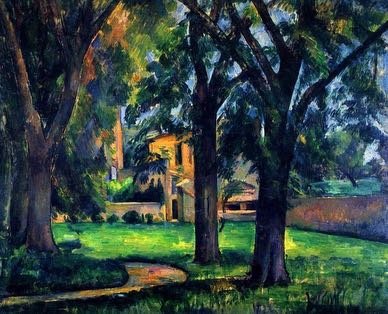
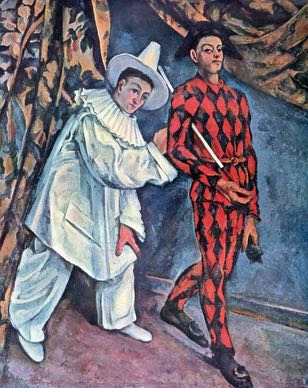
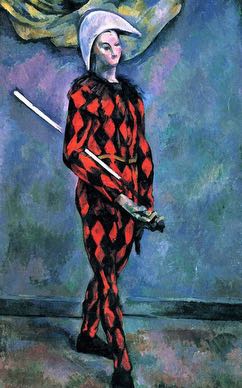
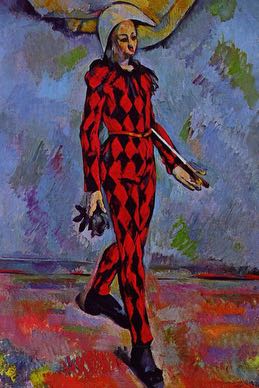
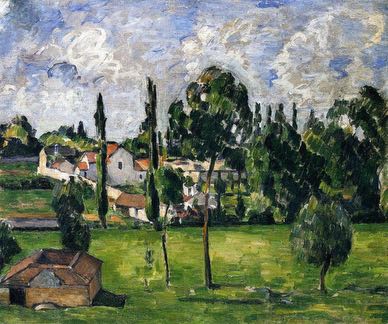
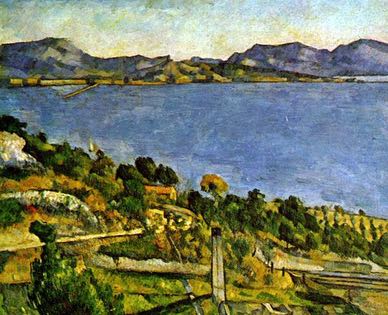
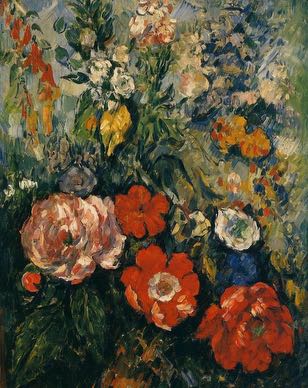
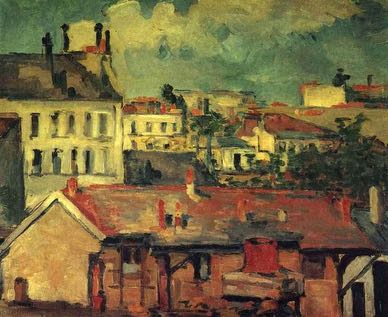
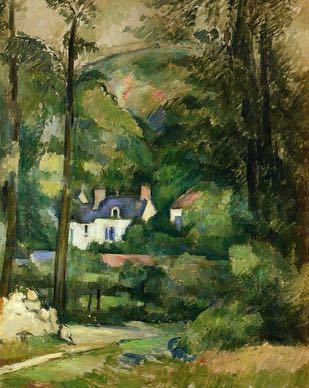
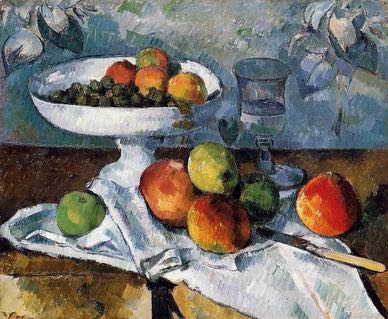
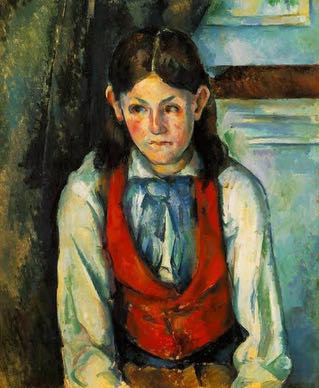
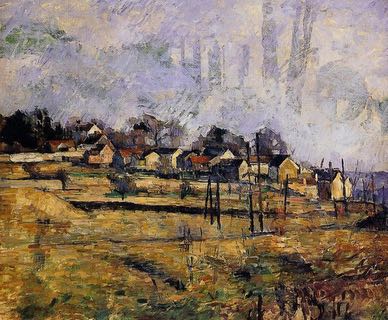
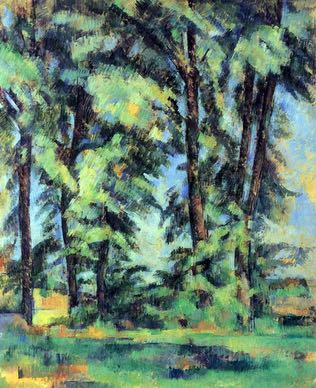
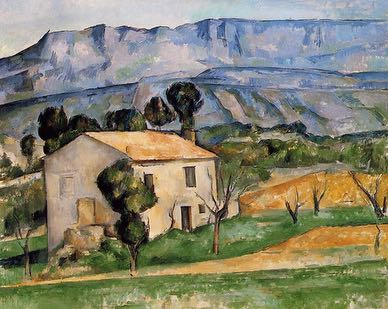
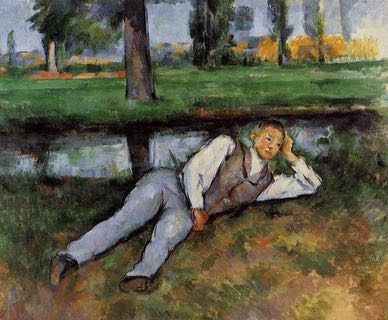
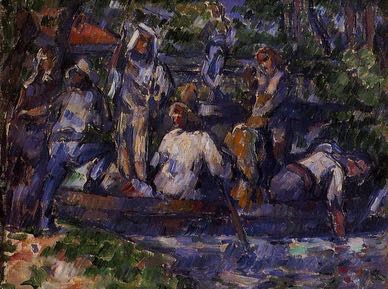
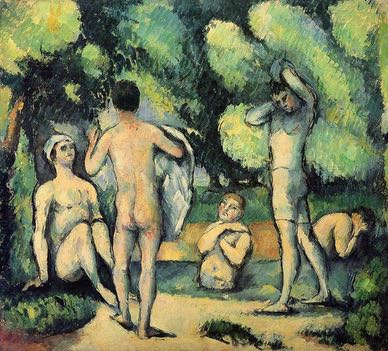
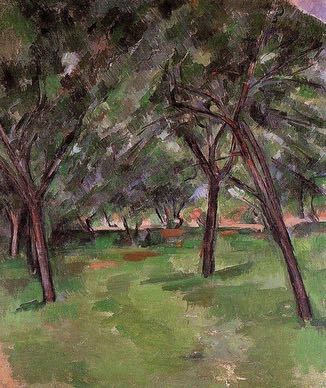
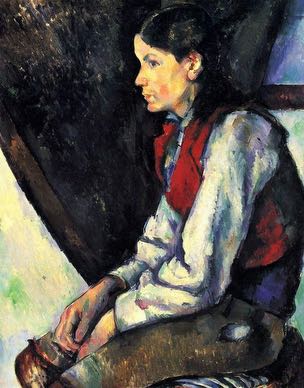
Paul Cezanne’s Mature Period represents a profound transformation in his artistic approach, characterized by a deepening of his exploration into form, color, and composition. This phase, spanning roughly from the 1890s until his death in 1906, is marked by Cezanne's development of a distinctive style that would later become fundamental to the Post-Impressionist movement.
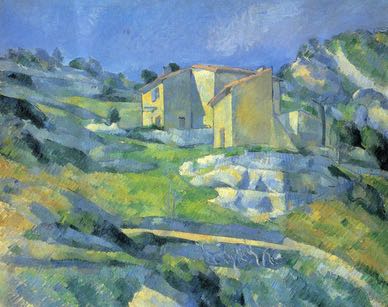
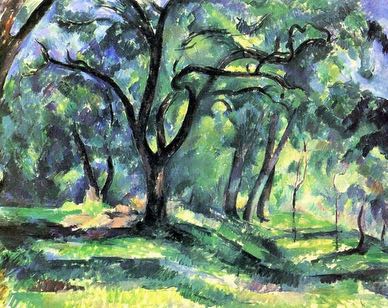
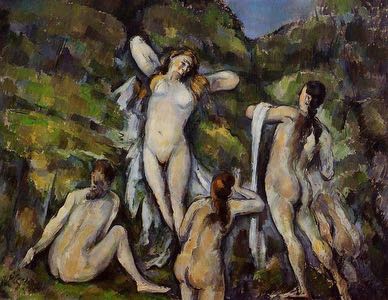
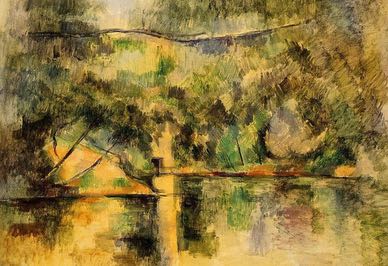
During his Mature Period, Cezanne’s work reflects a shift towards a more structural approach. Unlike his earlier explorations with Impressionism, which focused on capturing the ephemeral effects of light and color, this period reveals Cezanne's preoccupation with the solidity and permanence of his subjects. His landscapes, still lifes, and portraits from this time are characterized by a meticulous organization of space and a robust treatment of forms that convey a sense of enduring presence.
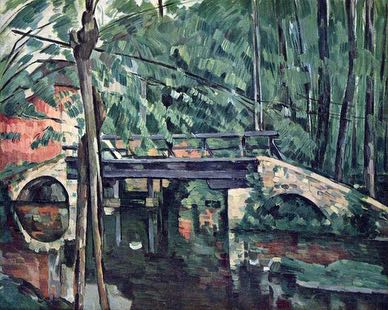
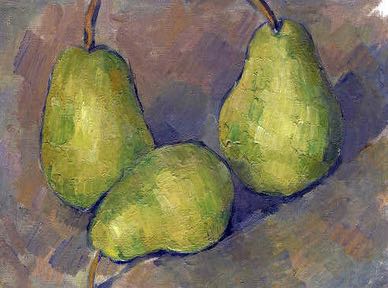
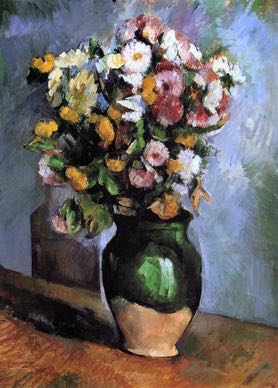
A hallmark of Cezanne’s Mature Period is his innovative use of color and brushwork. While he continued to employ a vibrant palette, he did so with an increased emphasis on building form through color rather than merely depicting it. His brushstrokes became more defined and deliberate, often applied in a manner that constructs a sense of volume and depth. This approach allows for a dynamic interplay between light and shadow, providing a more tactile quality to his subjects.
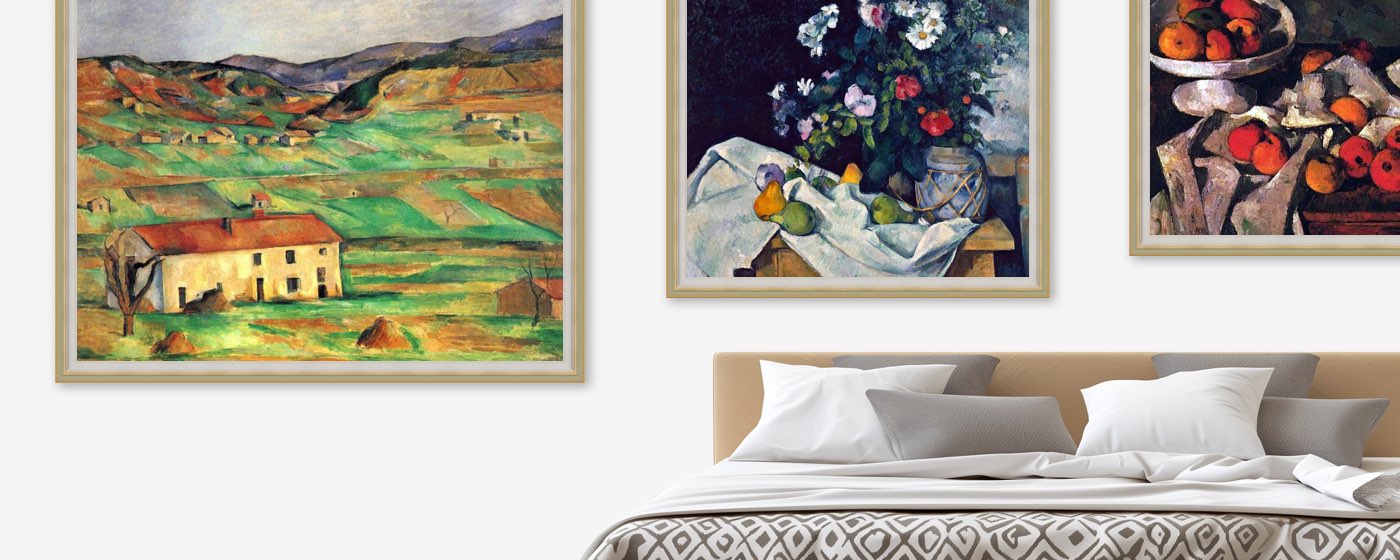
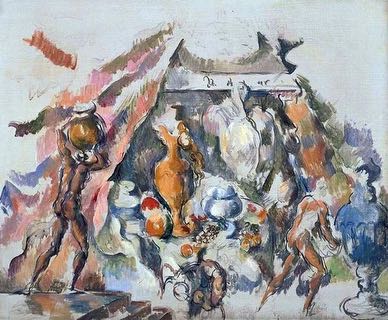
In terms of composition, Cezanne’s Mature Period is notable for its geometric precision. He frequently deconstructed natural forms into basic shapes and reassembled them in his compositions. This method reflects his interest in exploring the underlying structures of the natural world, providing a new way of understanding and representing space. Cezanne’s landscapes often depict rolling hills and rugged terrain as a series of interlocking planes, while his still lifes feature objects arranged in a manner that emphasizes their spatial relationships and physicality.
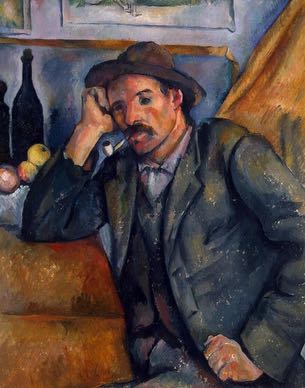
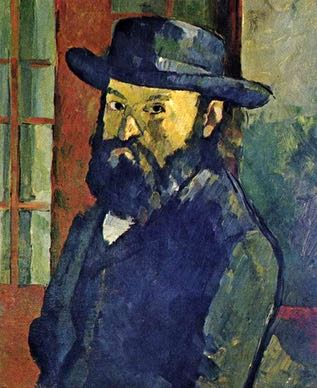
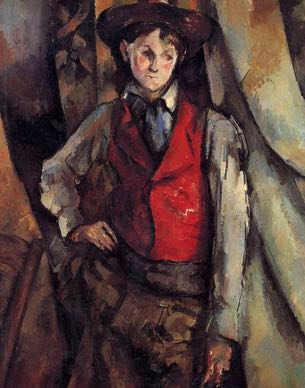
Cezanne’s portraits from this period also exhibit his evolving style. His depiction of human figures becomes more abstracted, focusing less on capturing likeness and more on conveying the essence of the subject through form and color. The portraits often feature figures rendered in a way that integrates them seamlessly into their surroundings, reflecting Cezanne’s belief in the interconnectedness of all visual elements.
Another significant aspect of Cezanne’s Mature Period is his exploration of perspective. He was particularly interested in how to depict multiple viewpoints within a single composition, creating a sense of depth and dimensionality that challenges traditional notions of perspective. This technique contributes to the complex, layered quality of his paintings, inviting viewers to engage with the artwork from various angles and interpretations.
Overall, Cezanne’s Mature Period represents a crucial evolution in his artistic journey, where he synthesized his earlier influences with his own innovative ideas to create a unique and influential body of work. His focus on form, structure, and spatial relationships not only defined his own artistic identity but also paved the way for future developments in modern art. Through his meticulous approach and groundbreaking techniques, Cezanne’s Mature Period continues to be celebrated for its profound impact on the trajectory of visual representation and artistic expression.
Copyright © 2024 BrushWiz. All Rights Reserved.