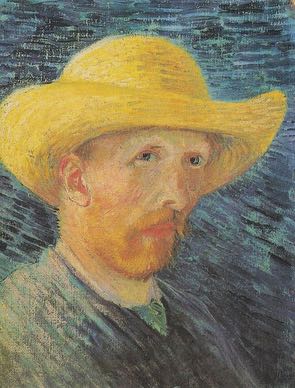
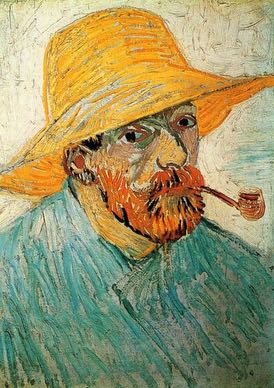
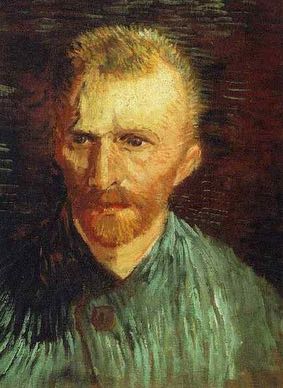
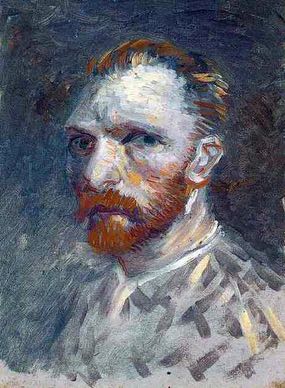
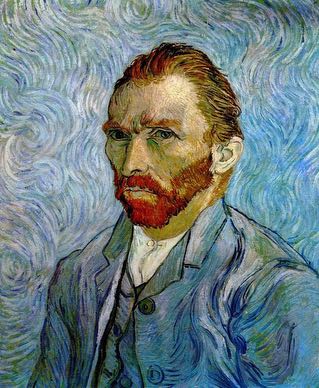
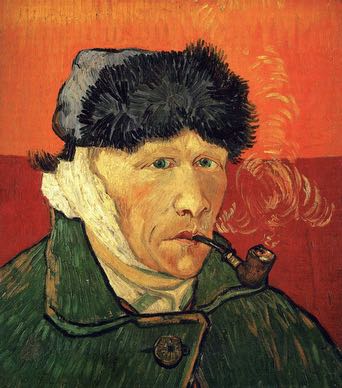
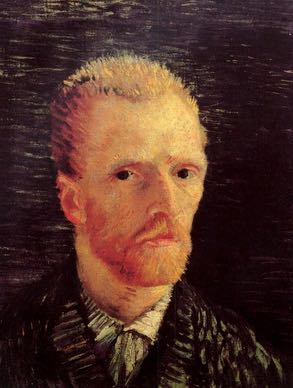
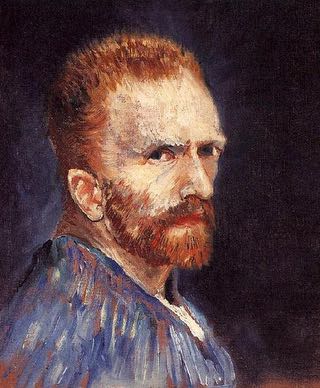
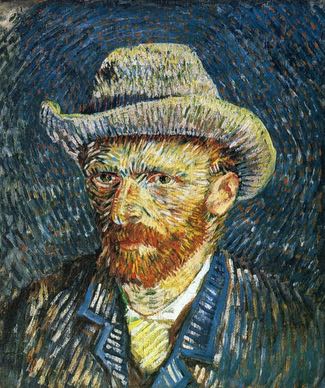
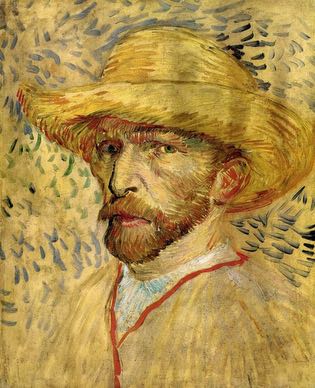
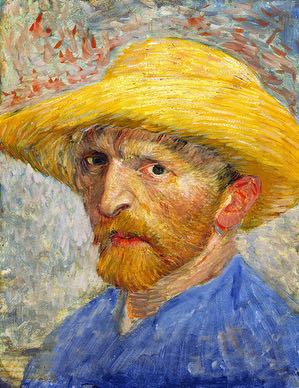
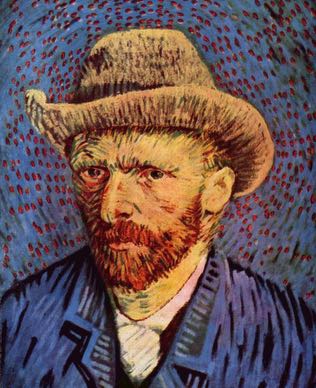
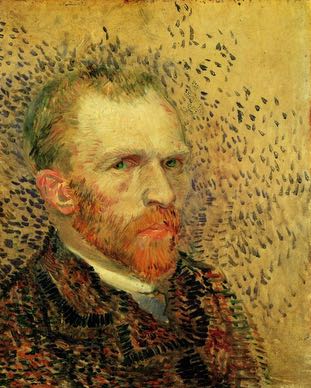
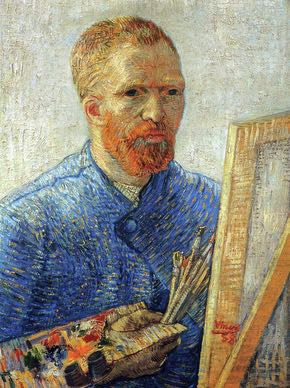
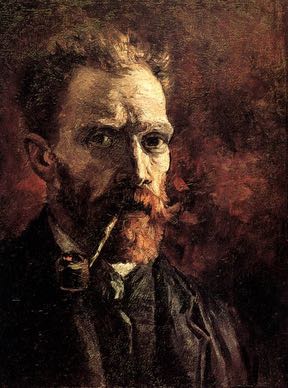
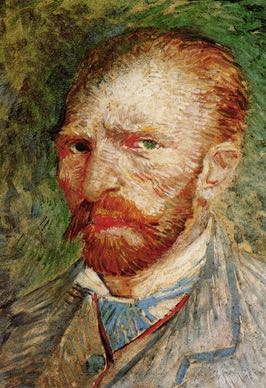
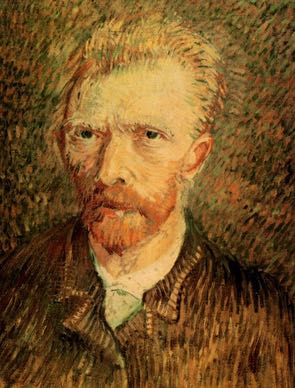
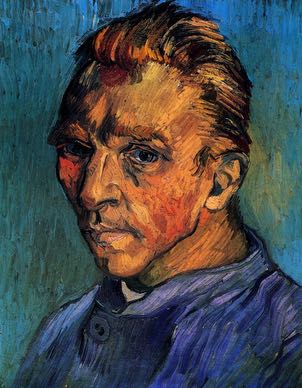
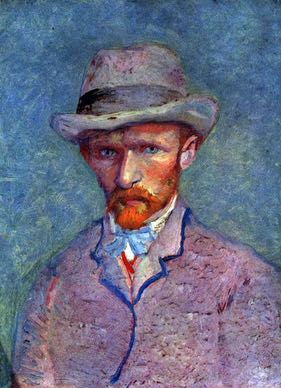
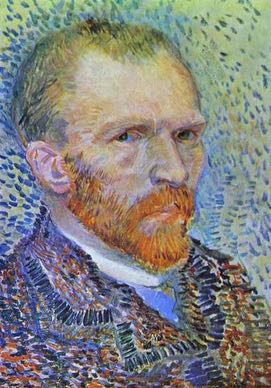
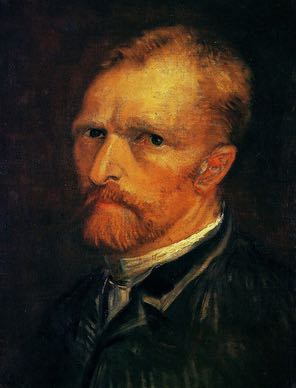
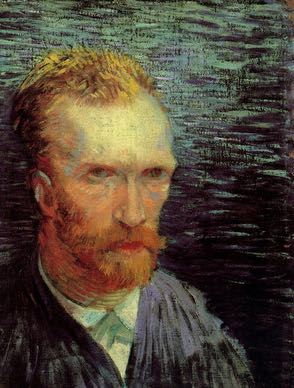
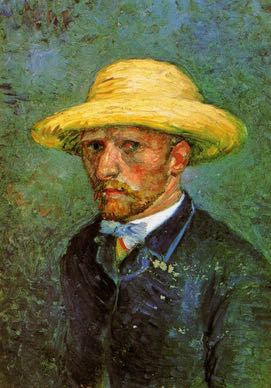
Vincent van Gogh's self-portraits are more than just reflections of his physical appearance—they are vivid expressions of his emotional and psychological states, encapsulating the essence of his tumultuous life and unique artistic vision. Created during the late 19th century, these paintings offer a deeply personal insight into the artist's inner world, capturing his struggle, passion, and relentless pursuit of artistic truth.
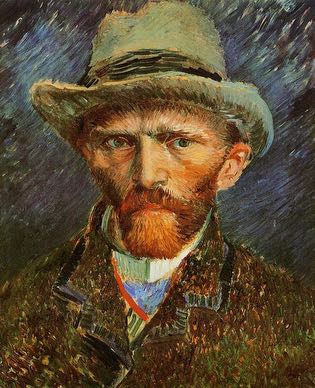
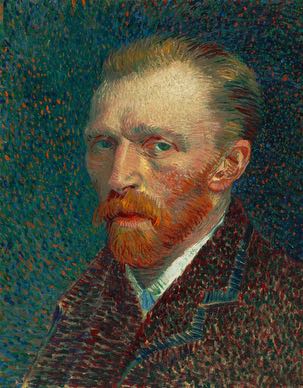
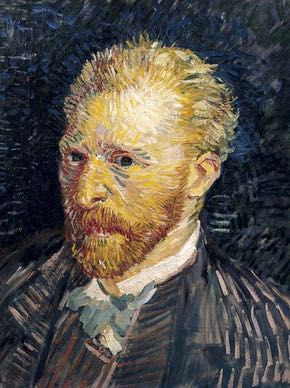
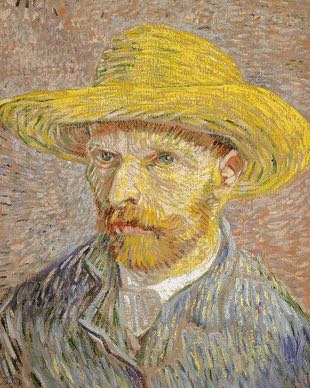
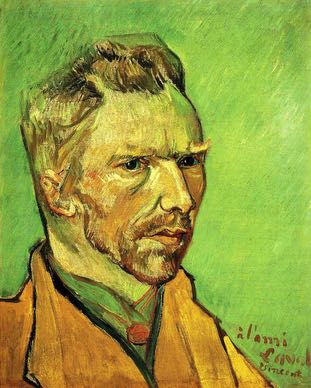
Van Gogh began painting self-portraits as a means of self-exploration and artistic experimentation. Unlike many artists who relied on commissioned portraits, Van Gogh used himself as his own subject, allowing him the freedom to explore various styles, techniques, and emotional depths. His self-portraits are characterized by their bold use of color, dynamic brushwork, and intense expressiveness, reflecting his complex relationship with his own identity and mental state.
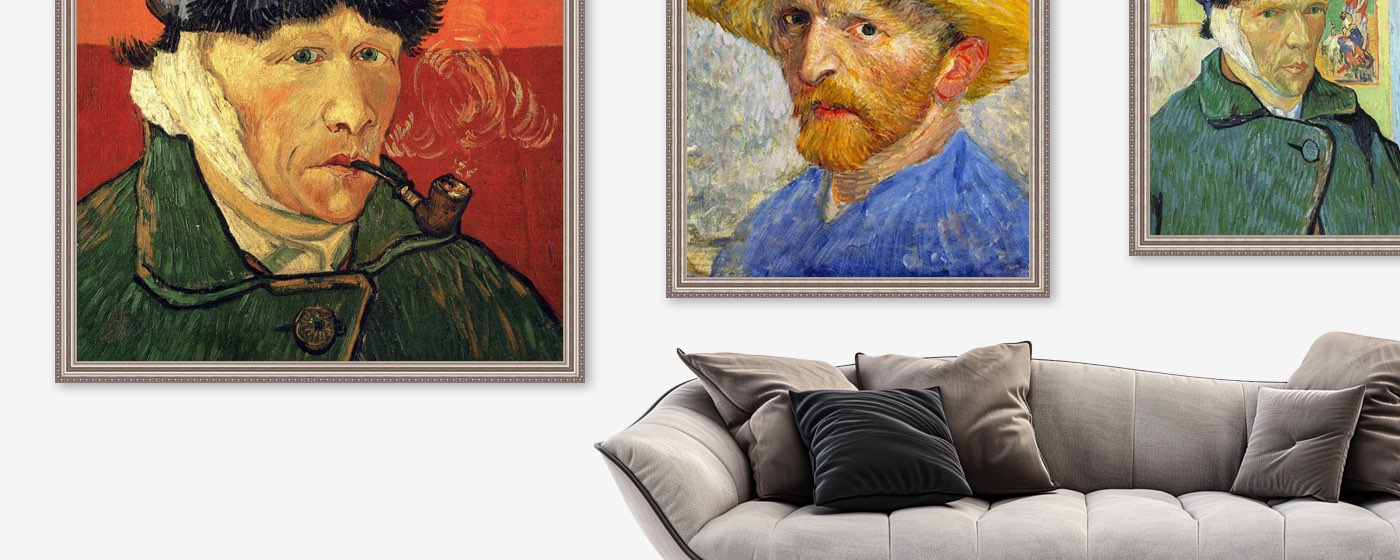
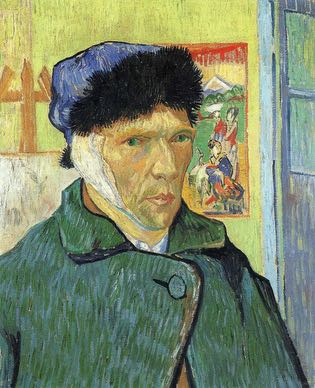
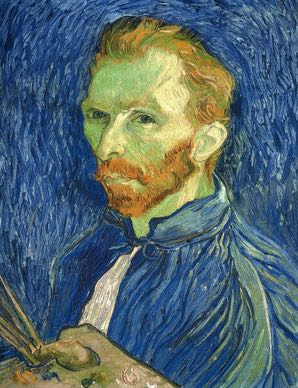
In these portraits, Van Gogh often employed vibrant, contrasting colors to convey emotion and psychological intensity. His brushstrokes are energetic and swirling, mirroring the turbulence he felt internally. The use of striking hues like fiery oranges and deep blues creates a sense of movement and vitality, making each portrait a dynamic study of his inner turmoil and creative fervor.
The artist's gaze in his self-portraits is particularly compelling. Van Gogh's eyes, rendered with piercing clarity, seem to engage directly with the viewer, conveying a profound sense of introspection and vulnerability. This directness is contrasted by the often distorted and exaggerated features, which reflect his struggles with mental health and his desire to express more than just the surface appearance.
Van Gogh's self-portraits also reveal his evolving artistic techniques and stylistic developments. Early works are more restrained in color and technique, while later portraits showcase his embrace of post-Impressionist approaches. His distinctive brushwork becomes more pronounced, and his color palette expands to include more daring and unconventional combinations. These changes illustrate not only his growth as an artist but also his shifting emotional and psychological landscapes.
The series of self-portraits includes some of Van Gogh's most iconic works, such as the famous "Self-Portrait with Bandaged Ear." This particular painting, created after a traumatic incident involving self-mutilation, captures a raw and poignant moment in Van Gogh's life. The bandage and the somber expression convey a sense of vulnerability and suffering, offering a stark contrast to the vibrant colors and energetic brushstrokes that characterize other works in the series.
Van Gogh’s self-portraits are a testament to his extraordinary ability to convey the complexity of human emotion and experience through paint. Each portrait serves as a personal diary, documenting not just his appearance but the evolution of his mental and emotional states. They offer viewers an intimate glimpse into the artist’s psyche and a deeper understanding of the profound struggles and triumphs that shaped his remarkable artistic legacy.
Copyright © 2024 BrushWiz. All Rights Reserved.