In the medieval era, Danish art was primarily influenced by the Romanesque and Gothic traditions prevalent in Europe at the time. Churches and cathedrals across Denmark were adorned with intricate frescoes, vibrant stained glass windows, and ornate religious sculptures, showcasing the craftsmanship and devotion of Danish artists.
During the Renaissance, Danish painting experienced a renaissance of its own, as artists embraced the humanist ideals and artistic techniques imported from Italy and Northern Europe. The Danish royal court became a center of artistic patronage, attracting painters, sculptors, and architects from across Europe to adorn palaces and castles with exquisite works of art.
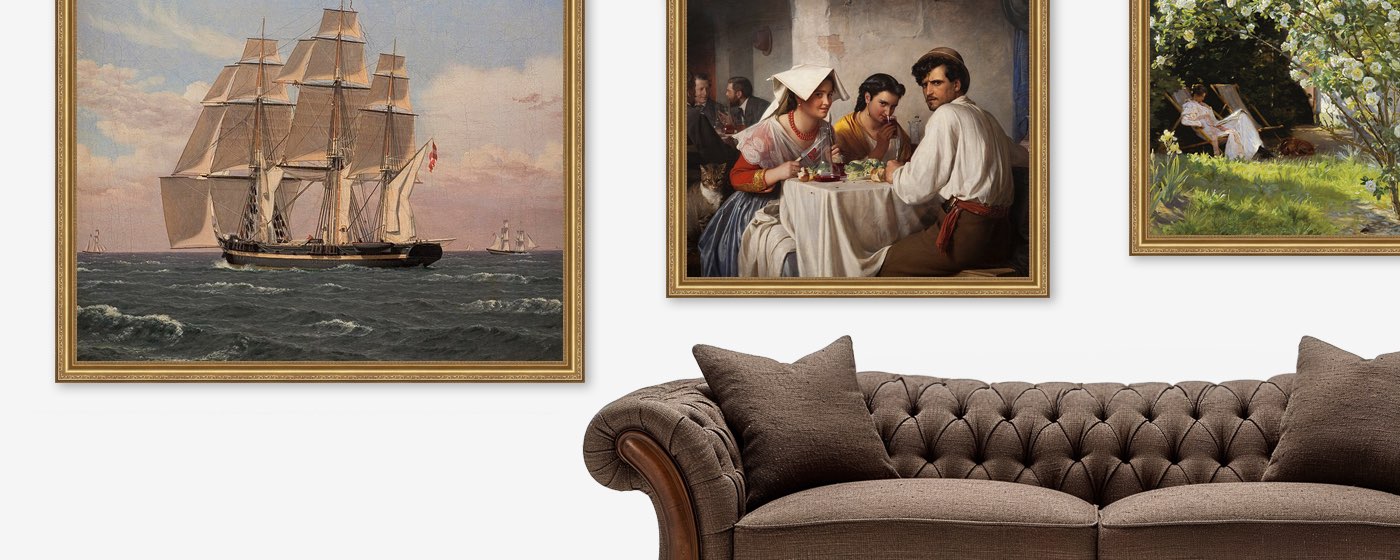
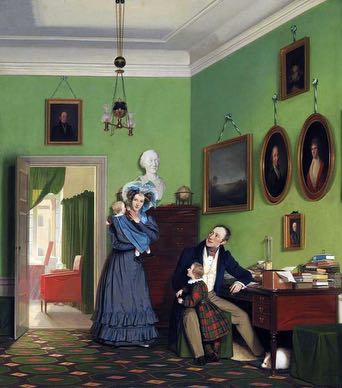
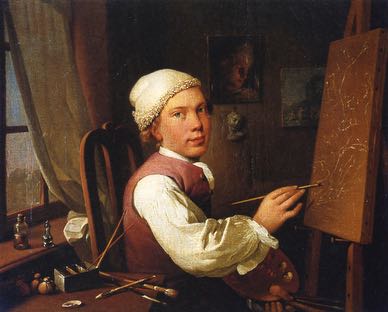
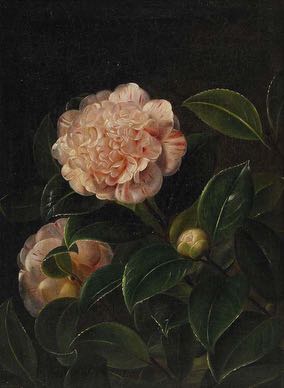
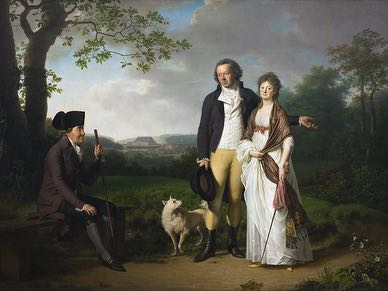
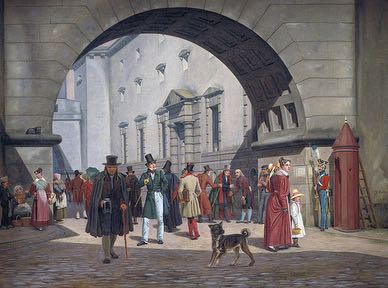
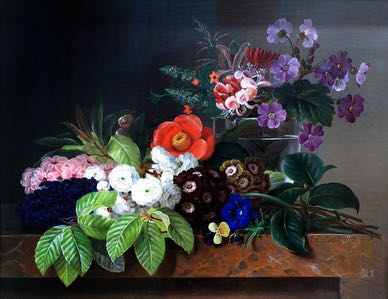
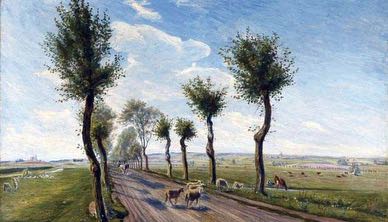
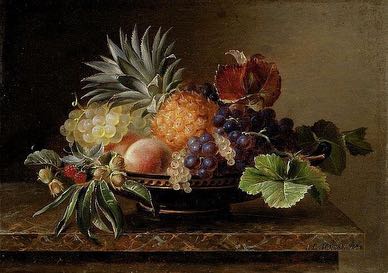
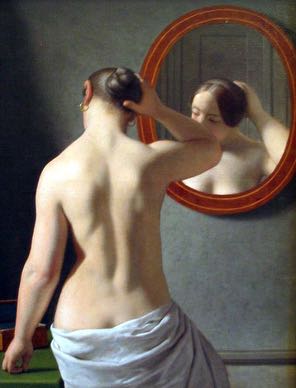
In the 19th century, Danish painting underwent a period of profound transformation, as artists began to explore new styles and subject matter inspired by the natural beauty of the Danish landscape, the struggles of everyday life, and the rise of industrialization. The Golden Age of Danish Painting saw the emergence of influential artists such as Christoffer Wilhelm Eckersberg, known for his meticulous attention to detail and classical compositions, and Wilhelm Marstrand, celebrated for his lively genre scenes and historical paintings.
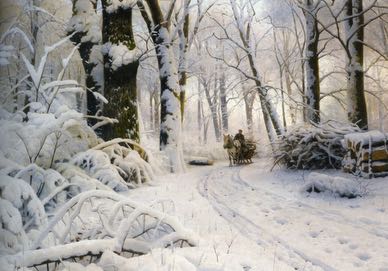
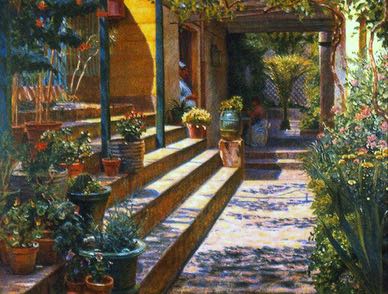
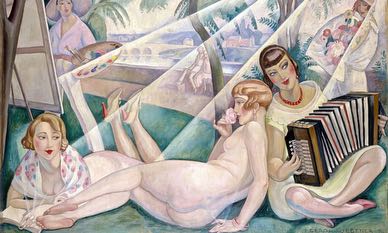
The late 19th and early 20th centuries witnessed the emergence of modernism in Danish art, as painters like Vilhelm Hammershøi and Theodor Philipsen embraced new techniques and artistic philosophies to capture the changing world around them. Hammershøi's enigmatic interior scenes, characterized by their subtle use of light and shadow, evoke a sense of quiet introspection and contemplation, while Philipsen's luminous landscapes celebrate the beauty of the Danish countryside.
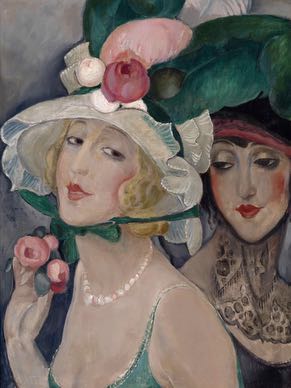
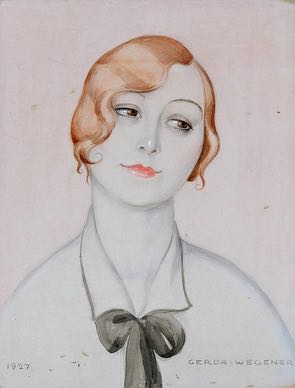
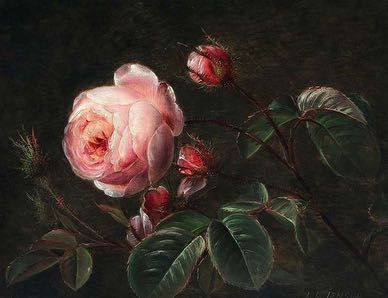
Today, Danish painting continues to thrive as a dynamic and diverse art form, with contemporary artists exploring a wide range of styles, themes, and mediums. From traditional landscapes and portraits to experimental abstract compositions, Danish artists are at the forefront of artistic innovation, pushing the boundaries of creativity and expression in the 21st century.
Throughout its rich and storied history, Danish painting has served as a mirror reflecting the soul of Denmark, capturing the essence of its landscapes, people, and culture with unparalleled beauty and depth. As Denmark continues to evolve and change, so too will its art, ensuring that the legacy of Danish painting remains vibrant and enduring for generations to come.
Copyright © 2026 BrushWiz. All Rights Reserved.