The origins of Japanese painting can be traced back to the Neolithic period, with the discovery of cave paintings and clay figurines dating back to the Jomon period (circa 10,000–300 BCE). These early works of art, characterized by their simple yet striking designs, provide a glimpse into the spiritual and cultural practices of Japan's ancient inhabitants.
The introduction of Buddhism to Japan in the 6th century CE brought new artistic techniques and iconography to the country, leading to the development of mural painting and the creation of Buddhist sculptures and temple architecture. Influenced by Chinese and Korean artistic traditions, Japanese artists began to explore themes of enlightenment, compassion, and the cycle of birth and death in their work.
The Heian period (794–1185 CE) witnessed the flourishing of courtly culture in Japan, with the rise of the aristocratic elite and the emergence of a refined aesthetic known as yamato-e. Characterized by its delicate brushwork, vivid colors, and lyrical depictions of nature and daily life, yamato-e painting celebrated the beauty of the Japanese landscape and the ephemeral pleasures of the fleeting moment.
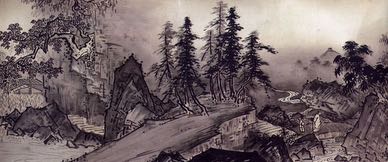
The Kamakura period (1185–1333 CE) saw the rise of Zen Buddhism and the emergence of new artistic styles influenced by the austere aesthetics of Zen philosophy. Ink painting (sumi-e) and monochrome landscape painting (suibokuga) became popular among Zen monks and samurai warriors, who sought to capture the essence of nature with a minimum of brushstrokes and a maximum of expressiveness.
The Muromachi period (1336–1573 CE) saw the development of new painting schools and the patronage of wealthy merchants and tea masters, who commissioned works of art to adorn their homes and tea rooms. Artists such as Sesshu Toyo and Kano Motonobu created masterpieces that combined the decorative elegance of Chinese painting with the spiritual depth of Zen Buddhism.
The Momoyama period (1573–1603 CE) witnessed the unification of Japan under the rule of the powerful warlords Oda Nobunaga, Toyotomi Hideyoshi, and Tokugawa Ieyasu. This period saw the flourishing of the tea ceremony, the art of flower arranging (ikebana), and the decorative arts, as well as the development of new painting styles such as the bold and dynamic compositions of the Kano school.
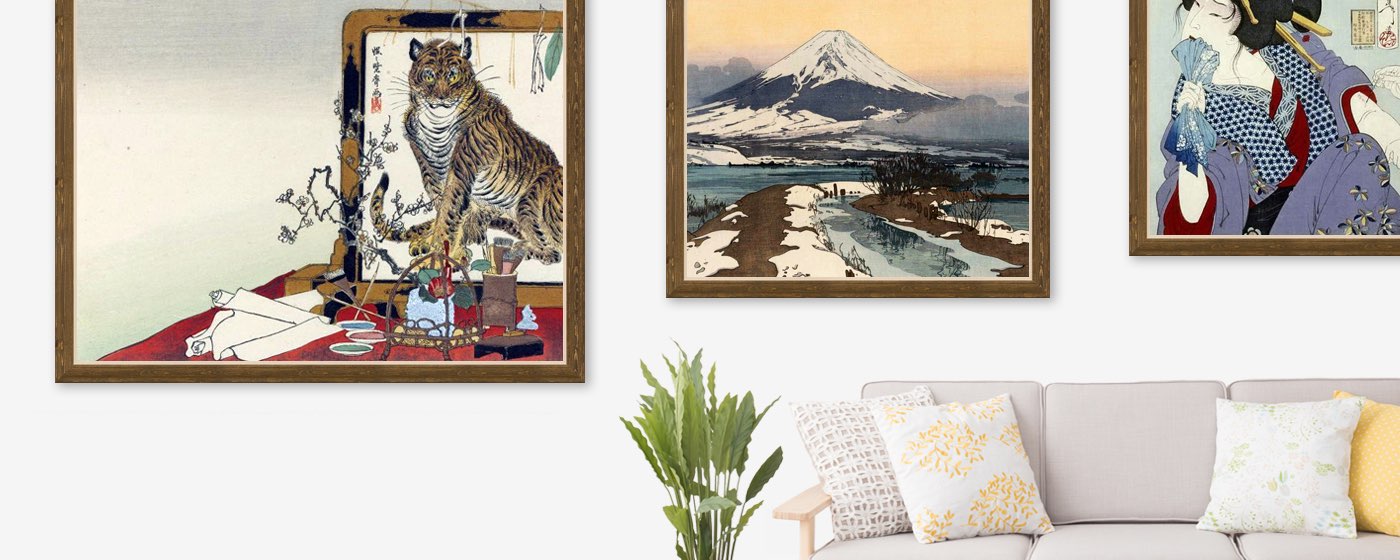
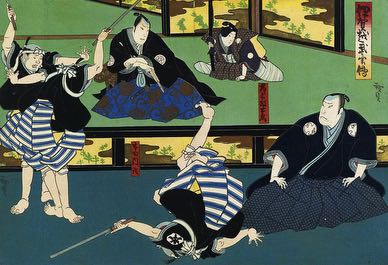
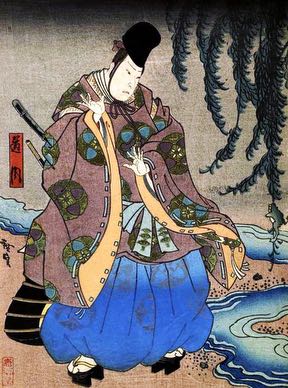
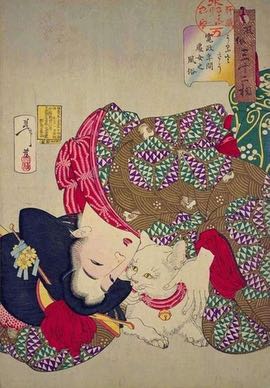
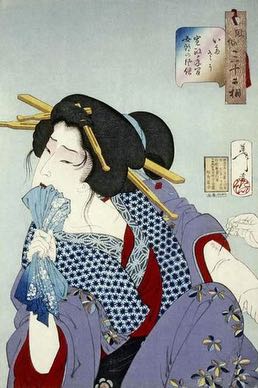
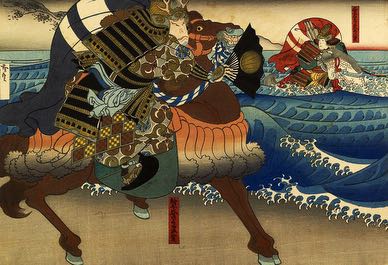
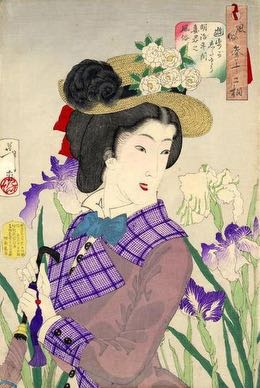
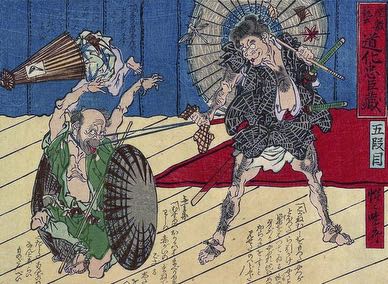
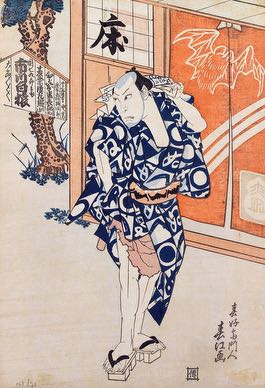
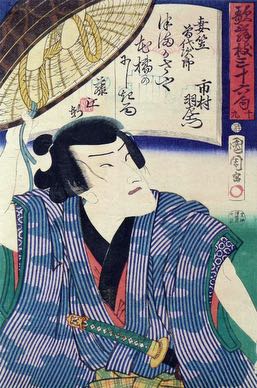
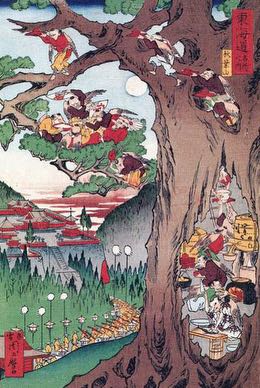
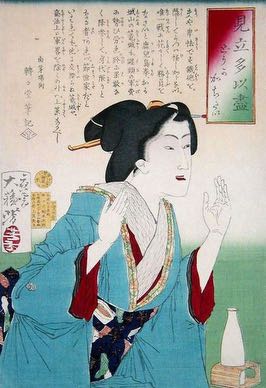
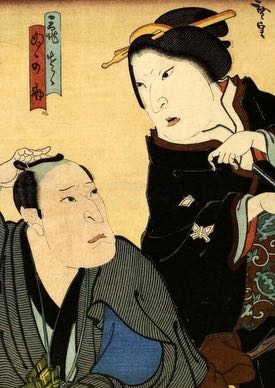
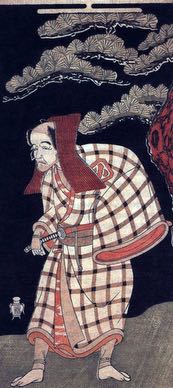
The Edo period (1603–1868 CE) brought peace and stability to Japan, leading to a flourishing of the arts and culture. Woodblock printing (ukiyo-e) became immensely popular, allowing artists such as Hokusai, Hiroshige, and Utamaro to create vividly colored prints depicting scenes of everyday life, landscapes, and actors.
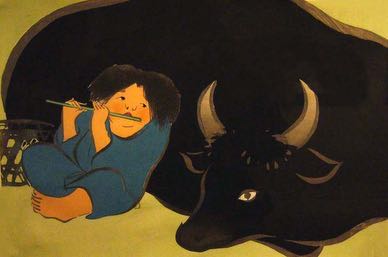
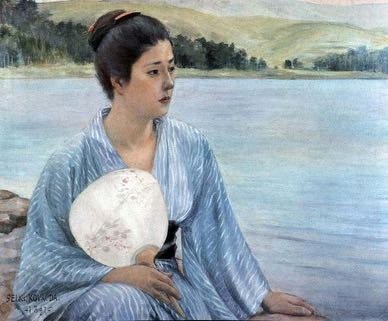
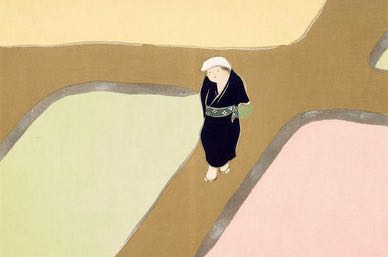
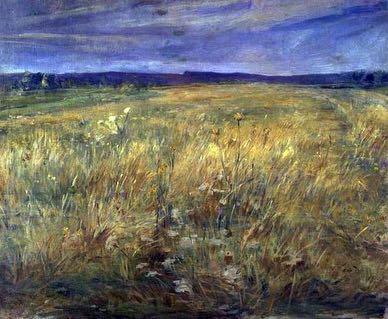
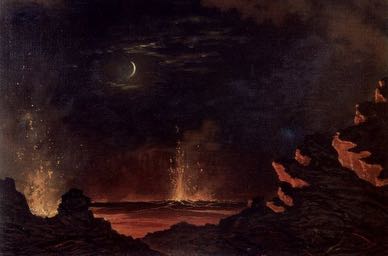
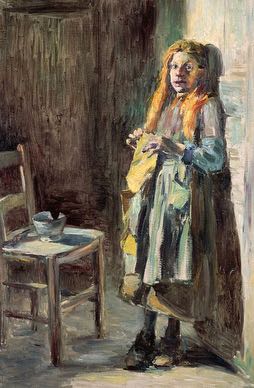
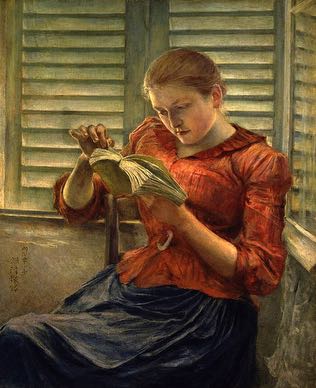
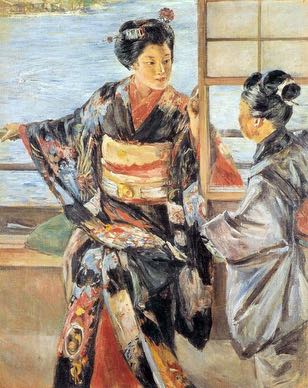
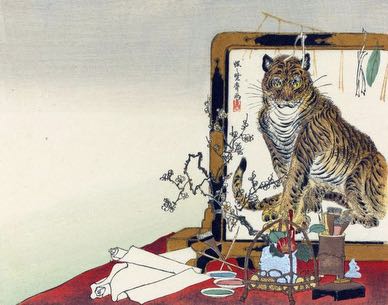
The Meiji period (1868–1912 CE) saw Japan open up to the West and embrace modernization and industrialization. Western painting techniques and styles were introduced to Japan, leading to the development of new artistic movements such as Nihonga (Japanese-style painting) and Yōga (Western-style painting).
Today, Japanese painting continues to evolve and adapt to the changing times, with contemporary artists exploring new techniques, themes, and modes of expression while drawing inspiration from Japan's rich artistic heritage and cultural traditions. From traditional sumi-e ink paintings to cutting-edge digital art, Japanese painting remains a vibrant and vital part of the country's cultural identity, captivating audiences around the world with its beauty, innovation, and timeless allure.
Copyright © 2026 BrushWiz. All Rights Reserved.