
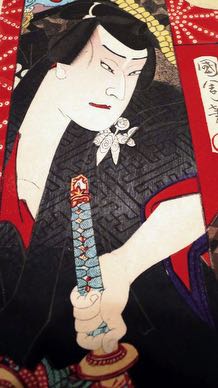
❄️ Winter Sale. Offer Ends 11/29/2026. View Details
❄️ Winter Sale. Ends 11/29/2026. View Details
❄️ Winter Sale. View Details
Artists
Subjects
Movements
Collections
Decor
Portraits
Commissions
Framing
Reviews
Gift Cards
On Sale
- Home
- Nationalities
- Japanese
Art Reproductions by Famous Japanese Artists
Explore the world of Japanese art with our large collection of iconic Japanese paintings, expertly hand-painted by skilled artists.
Shop Art
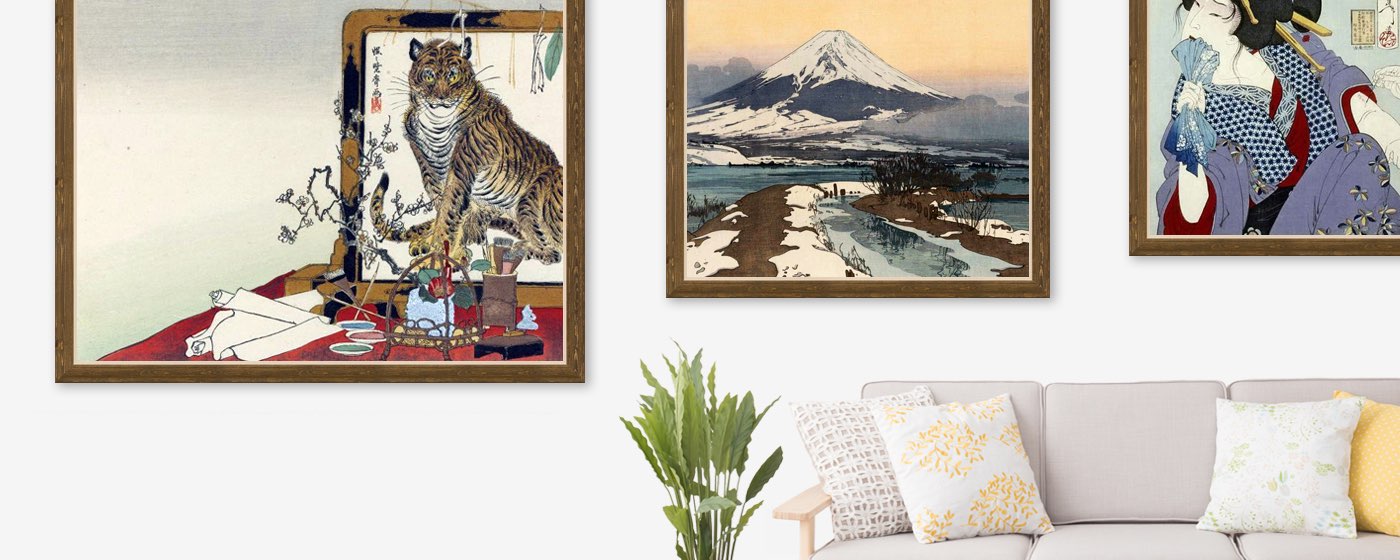
Showing 41-46 of 46 results
Sort By
Most Popular
- Most Popular
- New Arrivals
- Best Sellers
- Alphabetical A-Z
- Alphabetical Z-A

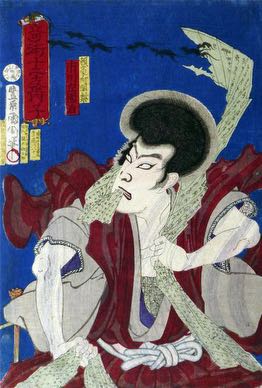
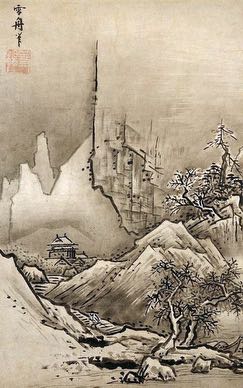

Can’t Find the Painting You Want?
Send us a reference image. We can recreate almost any artwork in the size and style you’re looking for.
Get a Free QuoteJapanese Art Reproductions
Have a favorite Japanese artist in mind but find the original too expensive to own? Look no further than BrushWiz. Our skilled artists, with over 20 years of experience, recreate the most iconic masterpieces made by renowned Japanese artists, faithfully capturing the diverse range of art styles and periods they worked in. Choose from the great artworks of Hirosada, Hokuei, Seiki, and other famous Japanese artists, and we will deliver museum-quality oil on canvas replicas with the same techniques, methods, and brushstrokes that closely resemble the original works created by these great masters. With our extensive selection featuring hundreds of Japanese-themed artworks, you're sure to find a piece that speaks to you, ready to transform your space with its timeless beauty. And if you can't find the specific painting you're looking to buy, simply send us a request, and our artists will gladly commission the painting. We handle these types of requests on a daily basis, so we more than welcome them.
Why choose to get a painting reproduction of a famous Japanese masterpiece from us? We take immense pride in our craftsmanship and never use any digital methods or computer tricks to enhance our paintings. Every piece we create is made by hand, using only the finest materials to create our Japanese-themed oil paintings. Additionally, we offer a variety of beautiful frames to enhance the appearance of your artwork. So why not add a touch of artistry to your home or office with a beautiful Japanese artwork from BrushWiz? You can now experience the joy of owning a museum-quality piece without breaking the bank, and with free global shipping, there's no reason not to take advantage. Explore our wide array of paintings today and discover the perfect Japanese wall art to elevate your space.
Museum Quality Japanese Art
At BrushWiz, we recognize the importance of capturing the essence and technique of the Japanese spirit, which demands meticulous attention to detail and artistic expertise akin to that of the great Japanese artists throughout generations. That's why we exclusively collaborate with professional in-house artists who specialize in various styles and genres, mastering the brushwork and color palette synonymous with the great Japanese masters. Our artists' dedication is such that it becomes challenging to distinguish the original from the reproductions we create. From depicting scenes from traditional Japanese theater, including kabuki and Noh performances to painting birds, flowers, and other elements of the natural world, our talented artists adhere to time-honored traditions, ensuring that we produce the finest Japanese art reproductions that offer a genuine glimpse into the brilliance of Japanese artistry.
We understand that ordering art online can be challenging and sometimes intimidating for the average user. Ensuring our clients' peace of mind and 100% satisfaction is paramount to us, especially since we deal with hand-painted art. That's why, as part of our guarantees, we always send high-resolution photographs of completed artwork for approval before shipping, allowing you to review the end result. If any part of the painting doesn't meet your expectations, we offer free and unlimited modifications until the artwork meets your approval. Additionally, we provide a 90-day return policy, no questions asked, in the unlikely event that you aren't fully satisfied with the painting. Our goal is to make you confident in your purchase and trust that we stand behind our paintings, ensuring you receive the closest thing to owning a real Japanese masterpiece.
History of Japanese Art
The history of Japanese art is a rich tapestry woven with threads of tradition, innovation, and cultural exchange. Spanning thousands of years, Japanese painting reflects the diverse influences and unique aesthetic sensibilities that have shaped the artistic landscape of the archipelago.
Read More
The origins of Japanese painting can be traced back to the Neolithic period, with the discovery of cave paintings and clay figurines dating back to the Jomon period (circa 10,000–300 BCE). These early works of art, characterized by their simple yet striking designs, provide a glimpse into the spiritual and cultural practices of Japan's ancient inhabitants.
The introduction of Buddhism to Japan in the 6th century CE brought new artistic techniques and iconography to the country, leading to the development of mural painting and the creation of Buddhist sculptures and temple architecture. Influenced by Chinese and Korean artistic traditions, Japanese artists began to explore themes of enlightenment, compassion, and the cycle of birth and death in their work.
The Heian period (794–1185 CE) witnessed the flourishing of courtly culture in Japan, with the rise of the aristocratic elite and the emergence of a refined aesthetic known as yamato-e. Characterized by its delicate brushwork, vivid colors, and lyrical depictions of nature and daily life, yamato-e painting celebrated the beauty of the Japanese landscape and the ephemeral pleasures of the fleeting moment.
The Kamakura period (1185–1333 CE) saw the rise of Zen Buddhism and the emergence of new artistic styles influenced by the austere aesthetics of Zen philosophy. Ink painting (sumi-e) and monochrome landscape painting (suibokuga) became popular among Zen monks and samurai warriors, who sought to capture the essence of nature with a minimum of brushstrokes and a maximum of expressiveness.
The Muromachi period (1336–1573 CE) saw the development of new painting schools and the patronage of wealthy merchants and tea masters, who commissioned works of art to adorn their homes and tea rooms. Artists such as Sesshu Toyo and Kano Motonobu created masterpieces that combined the decorative elegance of Chinese painting with the spiritual depth of Zen Buddhism.
The Momoyama period (1573–1603 CE) witnessed the unification of Japan under the rule of the powerful warlords Oda Nobunaga, Toyotomi Hideyoshi, and Tokugawa Ieyasu. This period saw the flourishing of the tea ceremony, the art of flower arranging (ikebana), and the decorative arts, as well as the development of new painting styles such as the bold and dynamic compositions of the Kano school.
The Edo period (1603–1868 CE) brought peace and stability to Japan, leading to a flourishing of the arts and culture. Woodblock printing (ukiyo-e) became immensely popular, allowing artists such as Hokusai, Hiroshige, and Utamaro to create vividly colored prints depicting scenes of everyday life, landscapes, and actors.
The Meiji period (1868–1912 CE) saw Japan open up to the West and embrace modernization and industrialization. Western painting techniques and styles were introduced to Japan, leading to the development of new artistic movements such as Nihonga (Japanese-style painting) and Yōga (Western-style painting).
Today, Japanese painting continues to evolve and adapt to the changing times, with contemporary artists exploring new techniques, themes, and modes of expression while drawing inspiration from Japan's rich artistic heritage and cultural traditions. From traditional sumi-e ink paintings to cutting-edge digital art, Japanese painting remains a vibrant and vital part of the country's cultural identity, captivating audiences around the world with its beauty, innovation, and timeless allure.
Copyright © 2026 BrushWiz. All Rights Reserved.
Why BrushWiz?
100% Hand Painted
Every piece is entirely handmade
Museum Quality
Faithfully recreated by expert artists
Custom Framing
Choose from a wide range of frames
Free Shipping
Enjoy free shipping on all orders
Cash Back Rewards
Earn cash back with every purchase